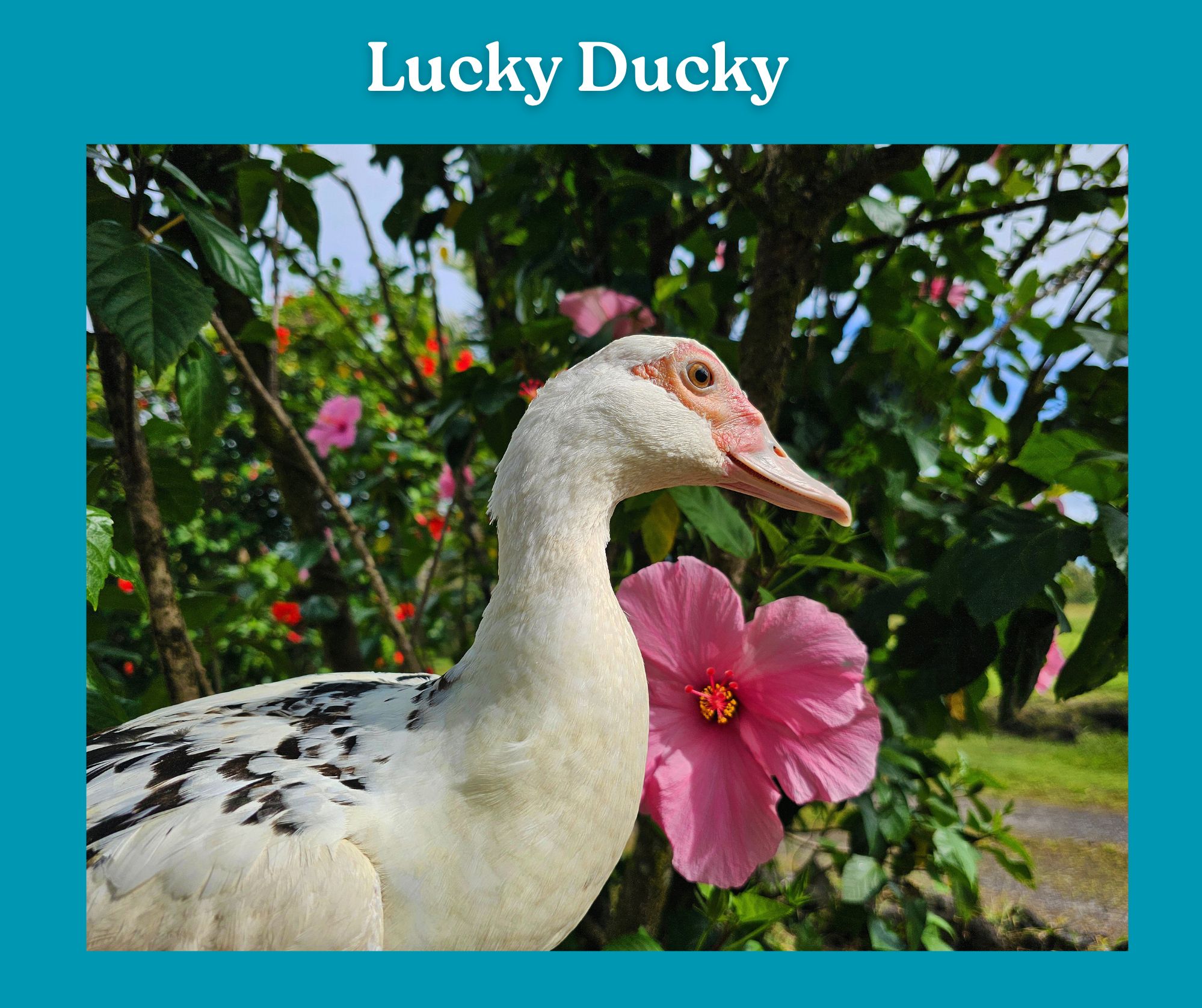
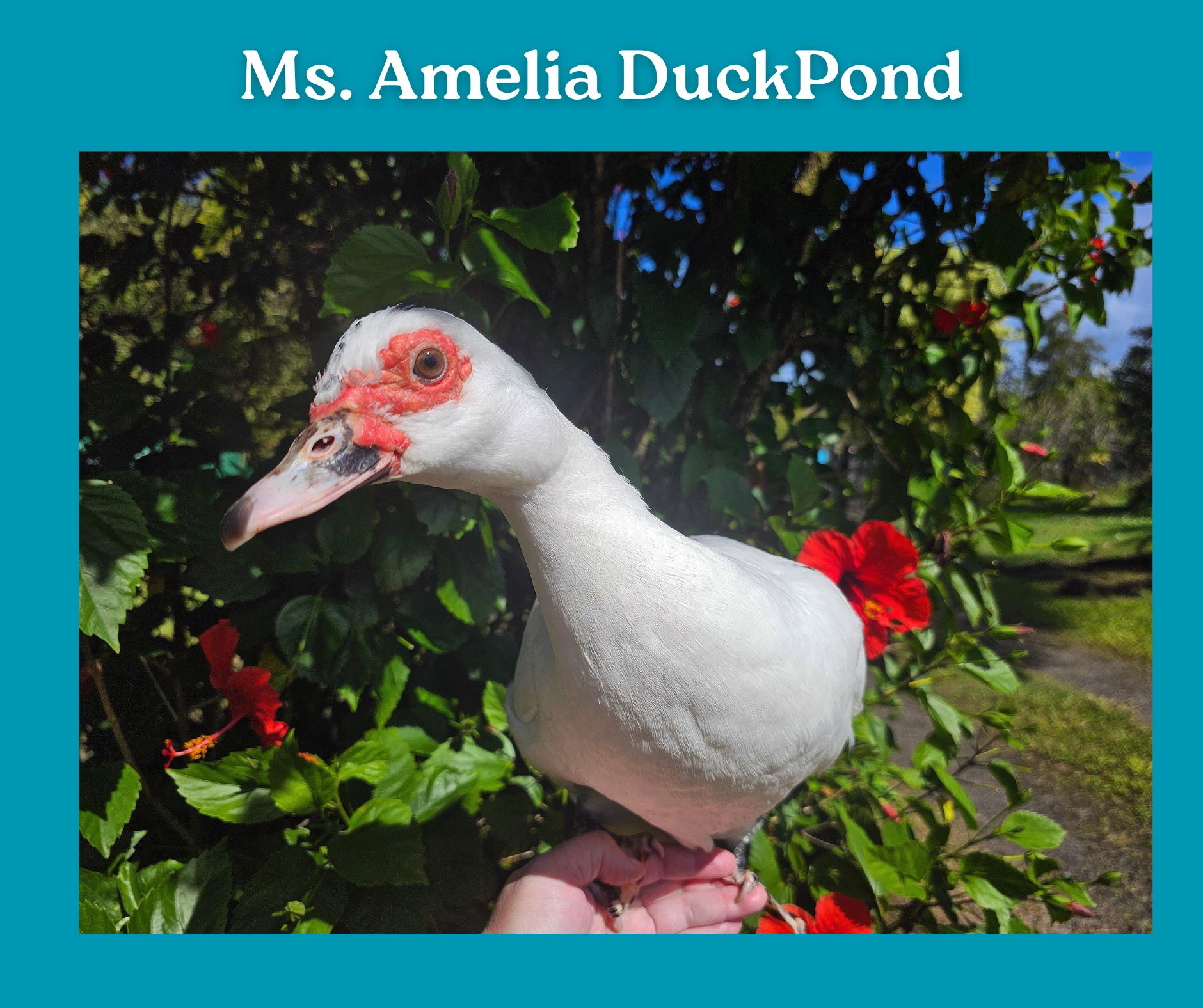
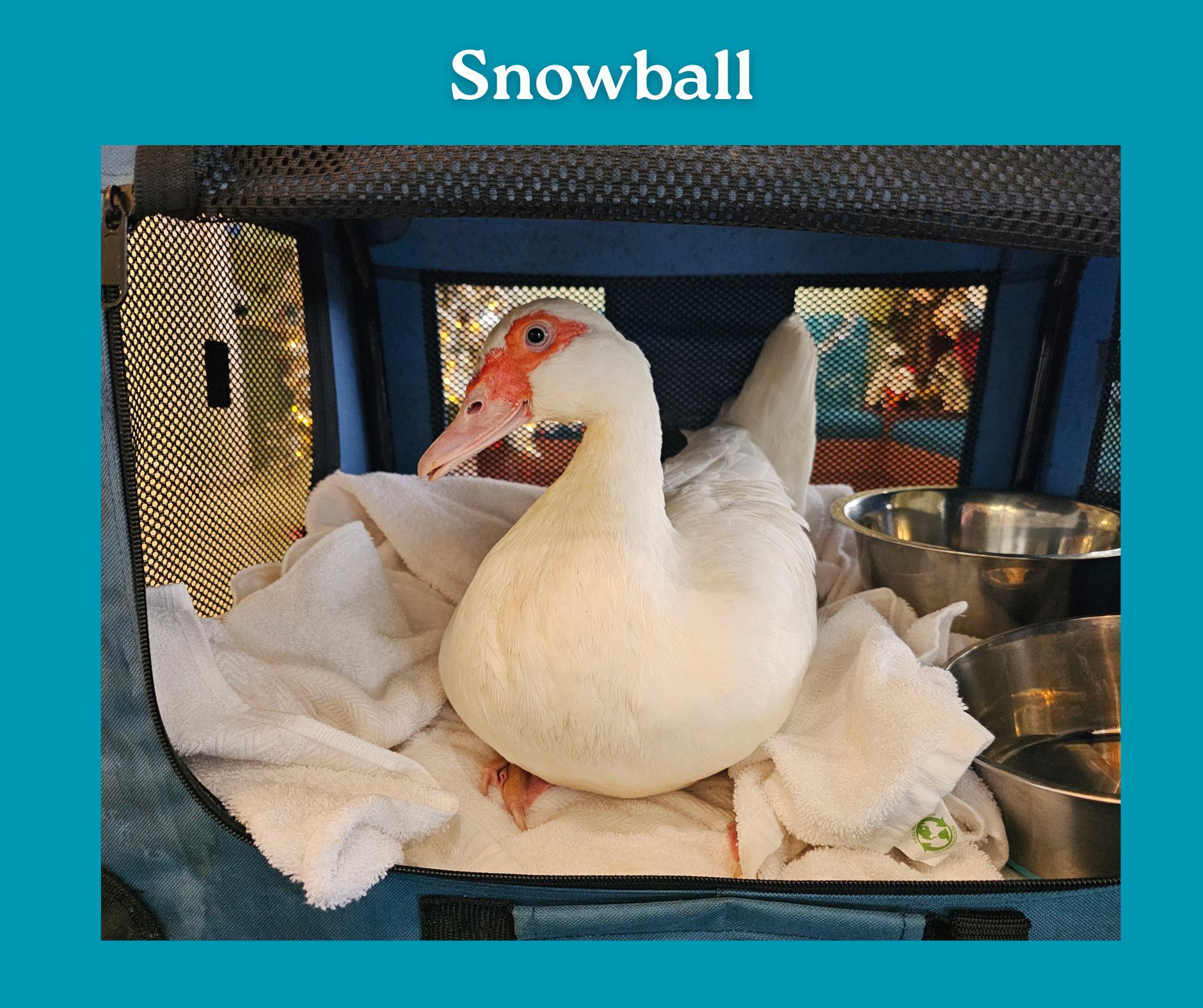
Help Keep The Ducks Safe


Go Fund Me Here.

Many of you already know about Catarina and Chaos from the Instagram: https://www.instagram.com/catarinaandchaos

For those who don’t know:

In 2019, my husband brought home a sick duckling. I nursed her back to health, and she became the duck that started our flock. Unfortunately, my husband went off the rails. He got kicked out of the military and abandoned us. We lost our home and couldn’t afford to stay on Oahu anymore. (Which meant I also had to leave my job.)

So, we moved to the Big Island to start over.

I found a job and a place to rent, and then I began my search for a home to buy. I couldn’t afford much on my own, so I was looking at small off-grid cabins with some land to rebuild the food forest my flock used to enjoy in Wahiawa.

Now, I am in the process of buying a small off-grid home on some land where the ducks and I can start fresh.

It’s taking every dime I have to buy the place, which means I won’t have money to build them a safe coop and run, put up lights and security cameras, and dig a well to make sure we always have water.

To get the homestead started, I estimate I need about $30,000. I’m working full-time for the State of Hawaii, and I’m cleaning houses on the weekends. I’ll be paying my own way as much as I can.

However, I was hoping you folks could help with the start-up costs. Dirt, baby trees, wood and chicken wire for the coop, and that kind of thing. Oh, and the land isn’t even cleared yet, so I guess I’ll need to start out by buying a chainsaw.

It will take a lot of work to rebuild what we had. I’m not the type to shy away from hard work. I’ll do the work. But if you could help with the material costs (very high in Hawaii), it would mean so much to us.

Losing my home and mature food forest was hard. Having to leave my job at the VA was hard. Getting a divorce was hard. In fact, I think 2025 was the hardest year of my life so far. But, I want to build a better life in 2026. Help the peeps and I get our life back! (Short video here)

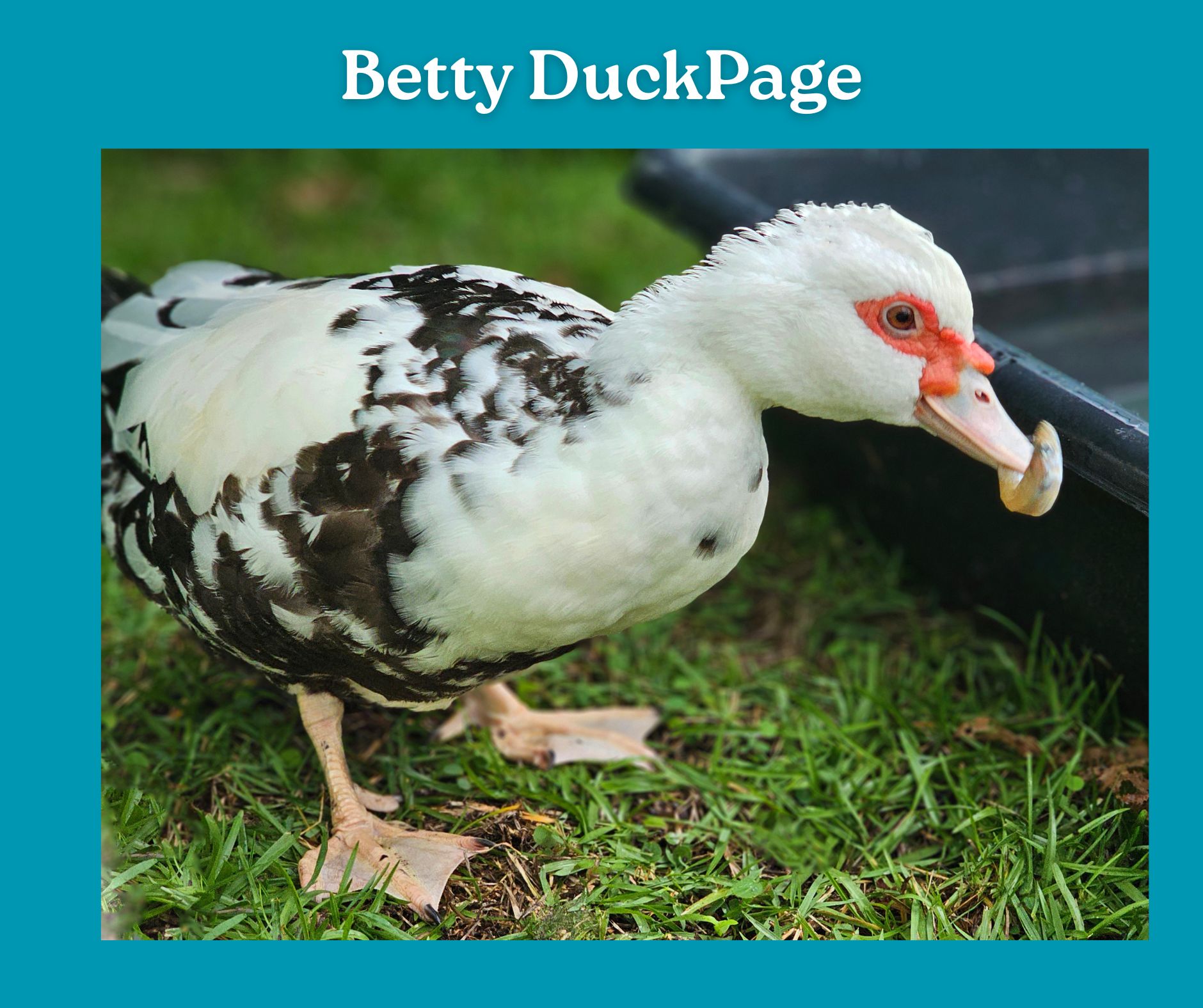
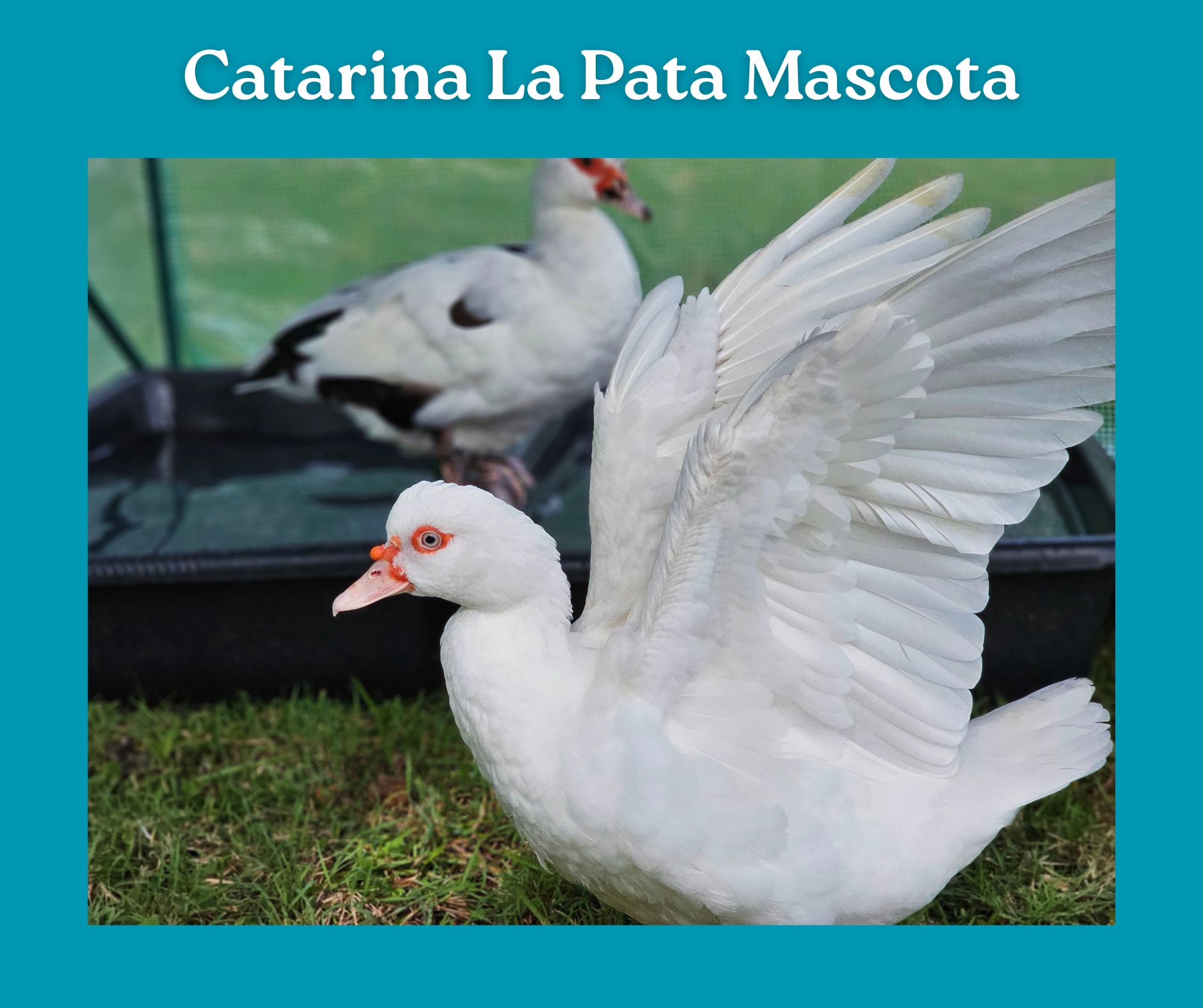
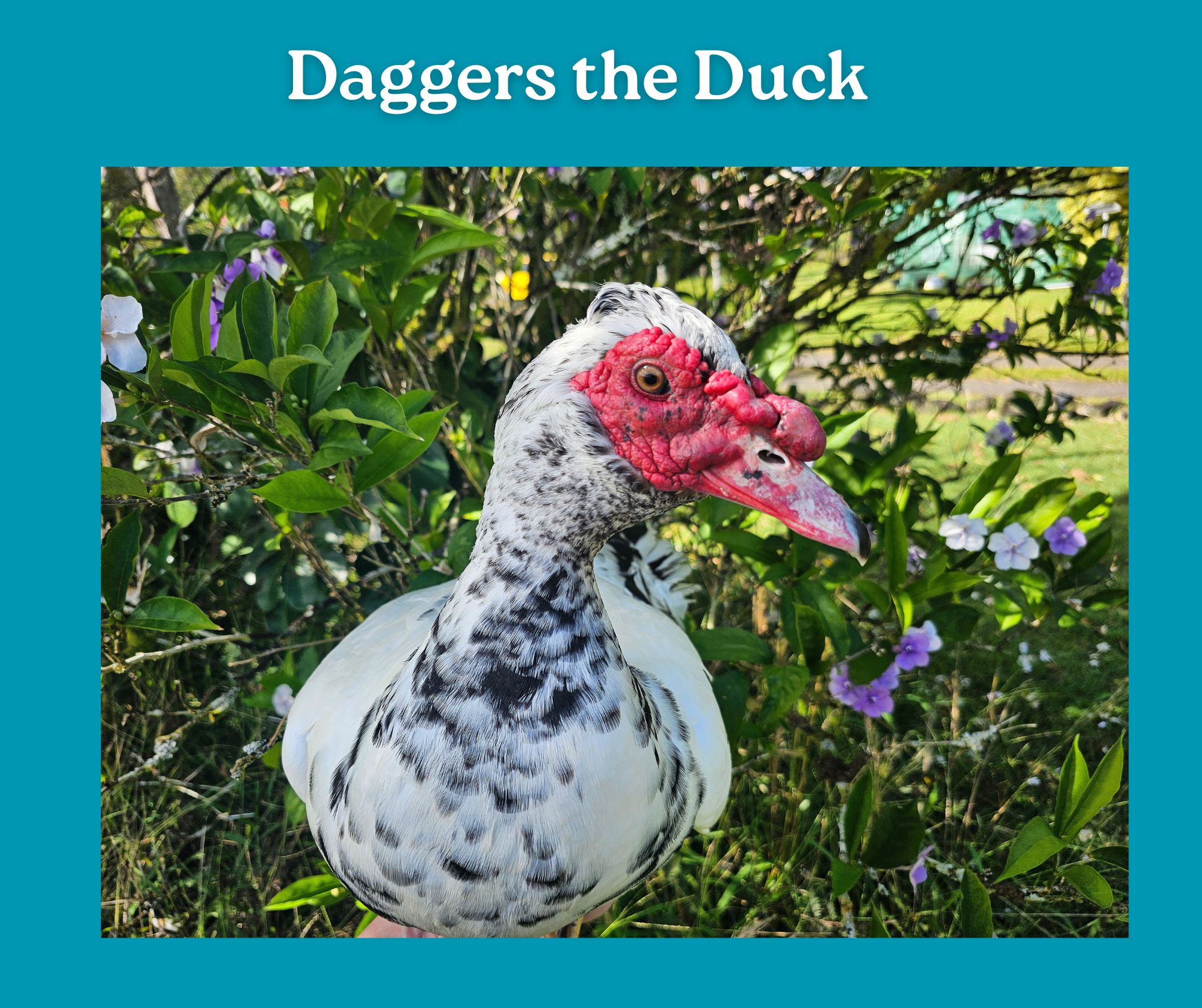
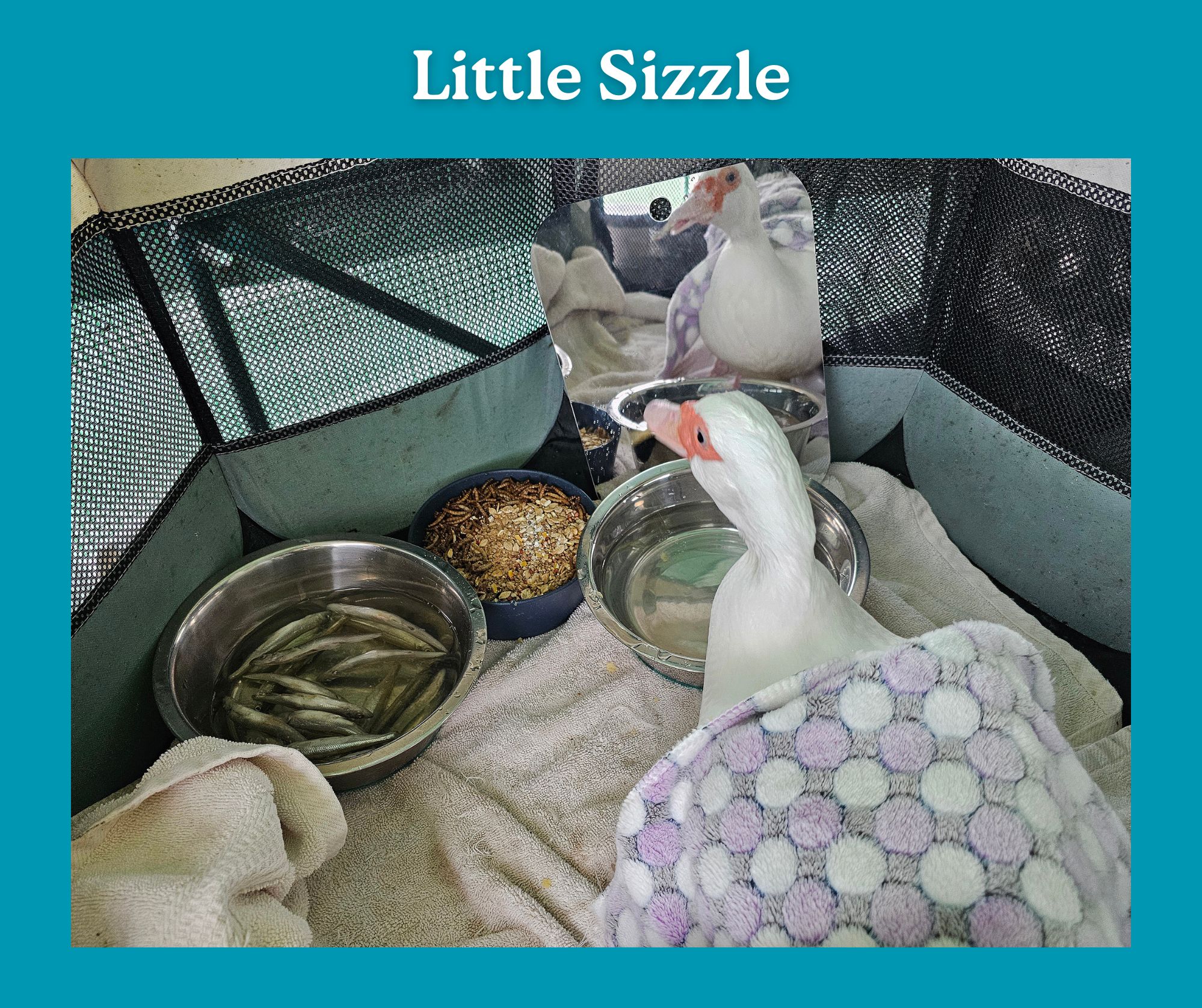
Most of them are rescues and some of them came with names, like Sizzle and Betty. But, they are my flock, and I would do anything for them. So, I am asking for help to build them the kind of safe enclosure they need, and to secure the home and property so we’ll all be safe.

So, please consider donating to the GoFundMe.
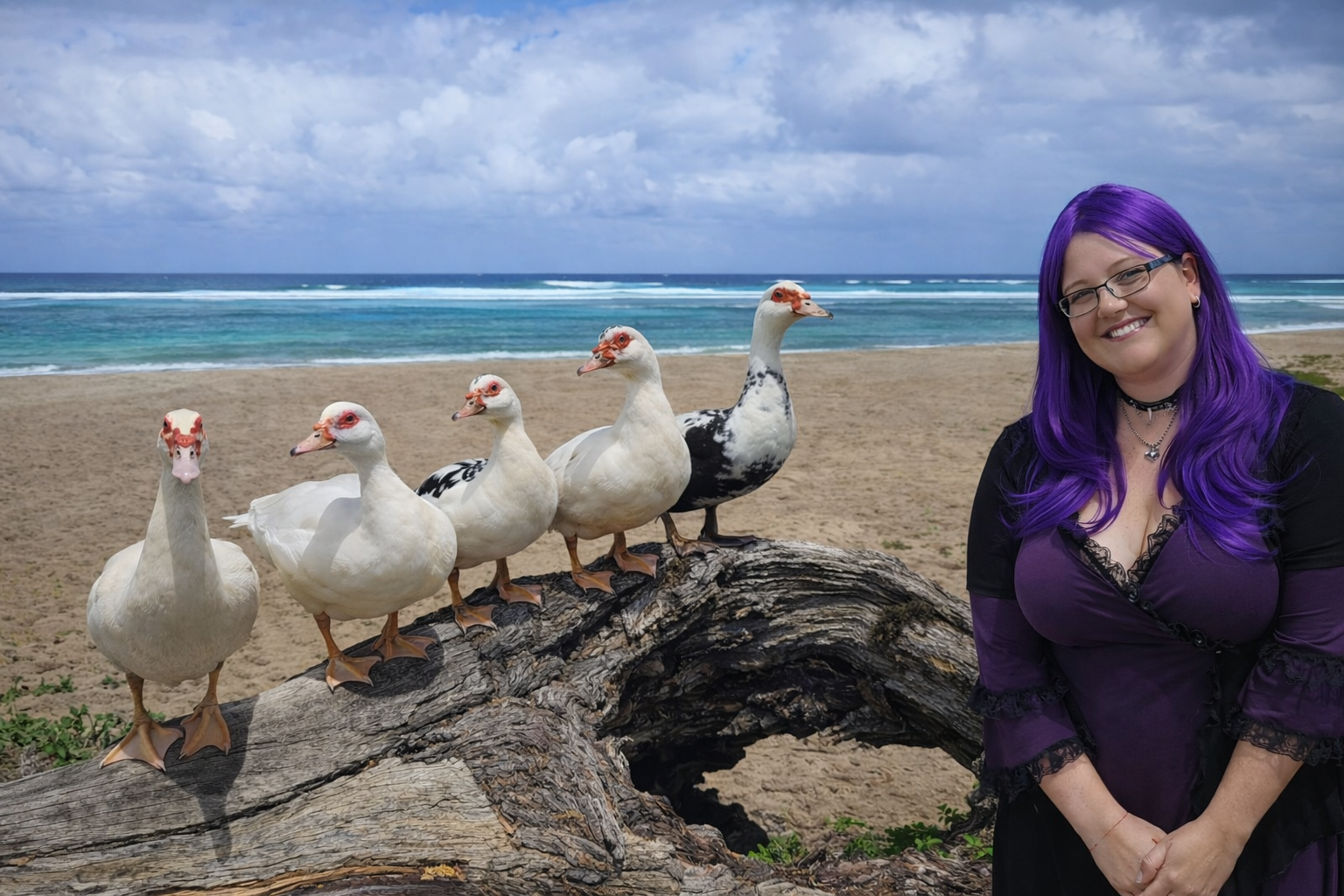
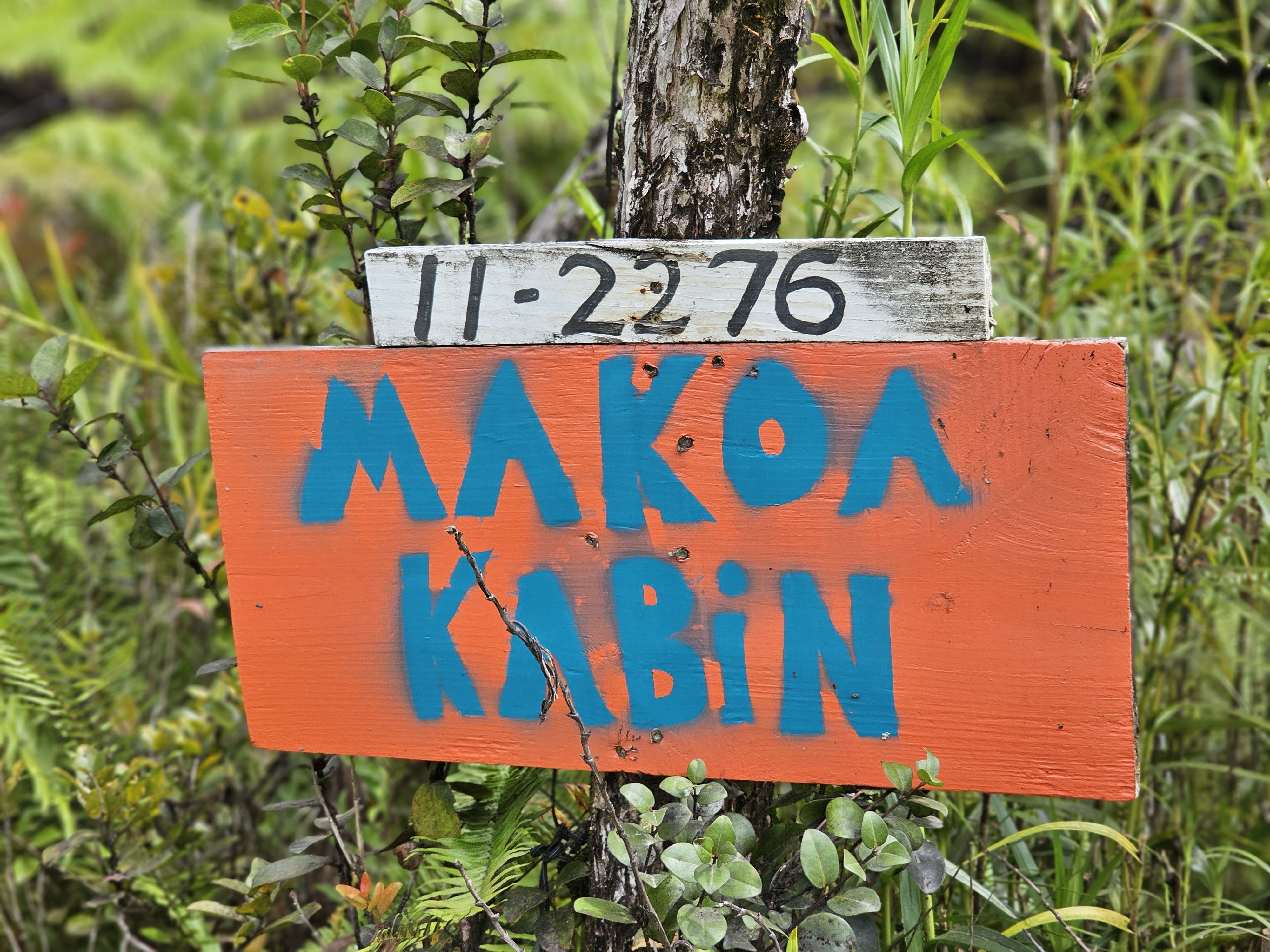
Makoa Kabin on Big Island


I spent the summer of 2025 at Makoa Kabin in Fern Forest, Big Island.

Way down a dirt road in a quiet little forest, Makoa Kabin is a peaceful retreat from the world. It is surrounded by beautiful tropical forest, and at night the coqui frogs lull you to sleep.

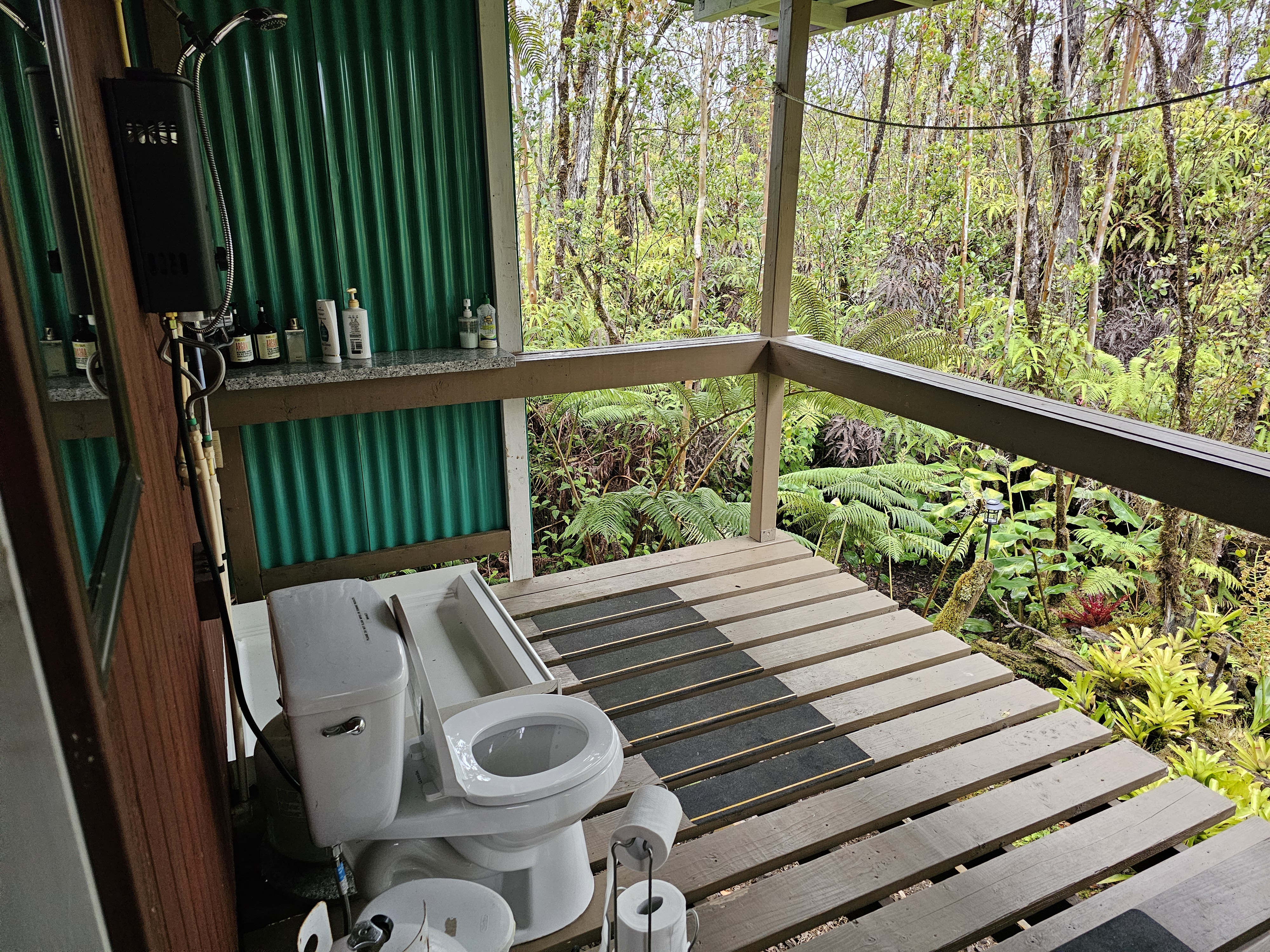
While the Kabin has everything you need to enjoy a nice vacation, the life it offers is one that is much different than city life. The bathroom and kitchen are open air. Given the year-round nice weather, this is not as crazy as it may sound to someone from the mainland. It allows for the peaceful forest to be a bigger part of your stay.
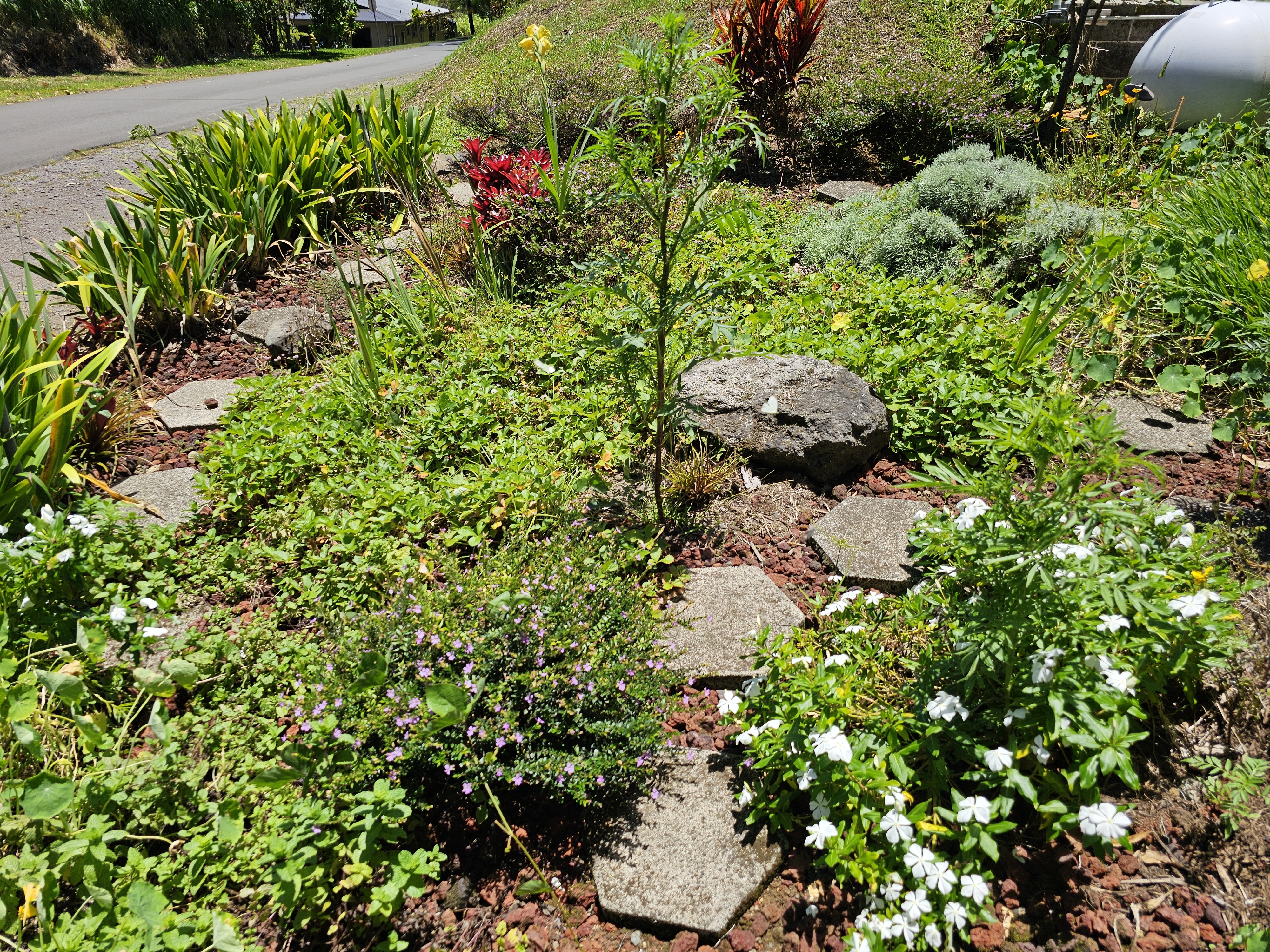

However, the Kabin is off grid. This means it uses solar panels and a battery backup. You’ll hear the inverter kick on to charge the battery during sunny days, and you’ll hear it kick on at night to shunt battery power to the motor in the fridge.

This means being more mindful. When living off grid, it makes sense to avoid opening the fridge at night, and to avoid watching TV and having all the lights on after dark. It’s better to go to bed at sunset and wake up at sunrise, following the rhythm of nature.

For some, following the rhythm of nature can seem hard at first. However, studies show that it’s actually really good for us to wake up with the sun and go to sleep when it gets dark. It helps re-set our circadian rhythms so that we can get better sleep.


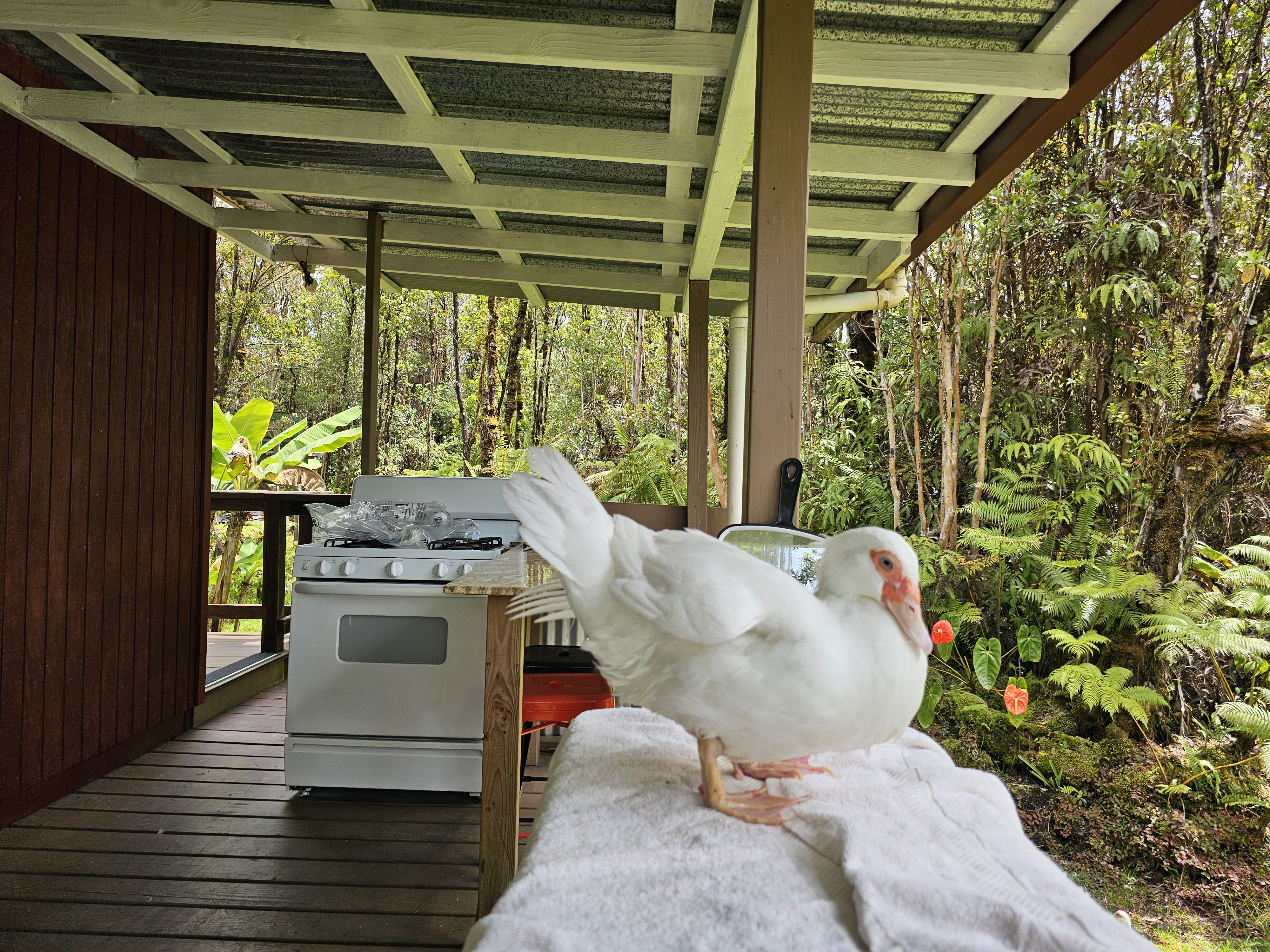
The Kabin allows you to stay with your pets, so here you can see a picture of my duck Sizzle in the kitchen. She enjoyed the view and watching the chickens who live at the Kabin as they dug in the grass looking for bugs and worms.

I spent a lot of time on the deck just watching and listening to the forest. It was peaceful, and exactly what I needed after the first half of my year. The caretaker Jeanette was kind, thoughtful, and very patient with feathers being all around the yard.

Although staying at Makoa Kabin requires mindful use of electricity and water, I believe its charm outweighs any restrictions you might feel living closer to nature. I’d recommend a stay there.

Kailua-Kona Wood Carving Tour

Watch a video about my carving tour.

When you visit Hawaii, you have many options for tourist activities.

A “carving tour” might sound odd, but the ancient art of shaping wood has been a huge part of Pacific Islander culture since there were Pacific Islanders. If you have interest in Hawaiian history or culture, then a carving tour is a fun way to learn more.

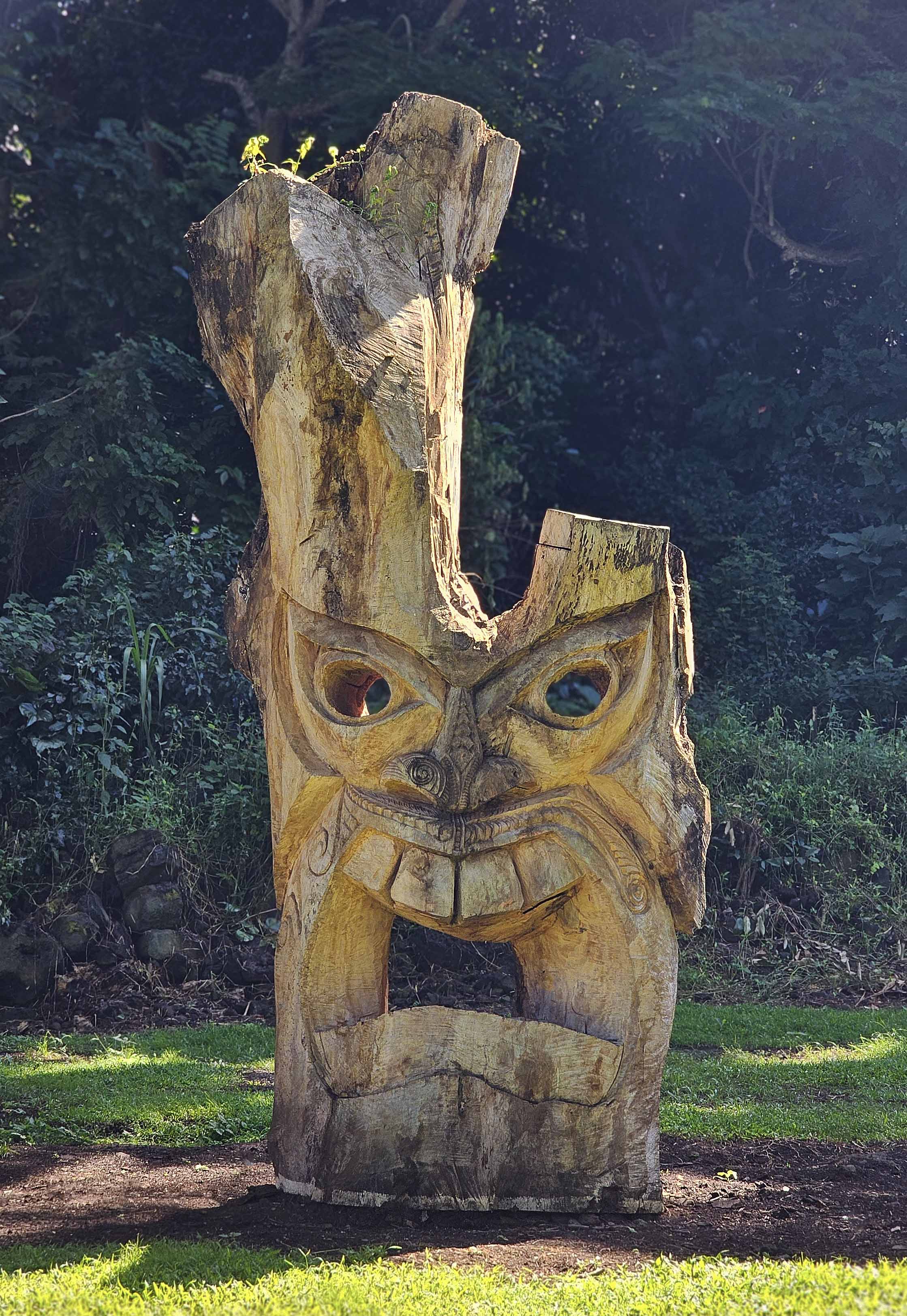
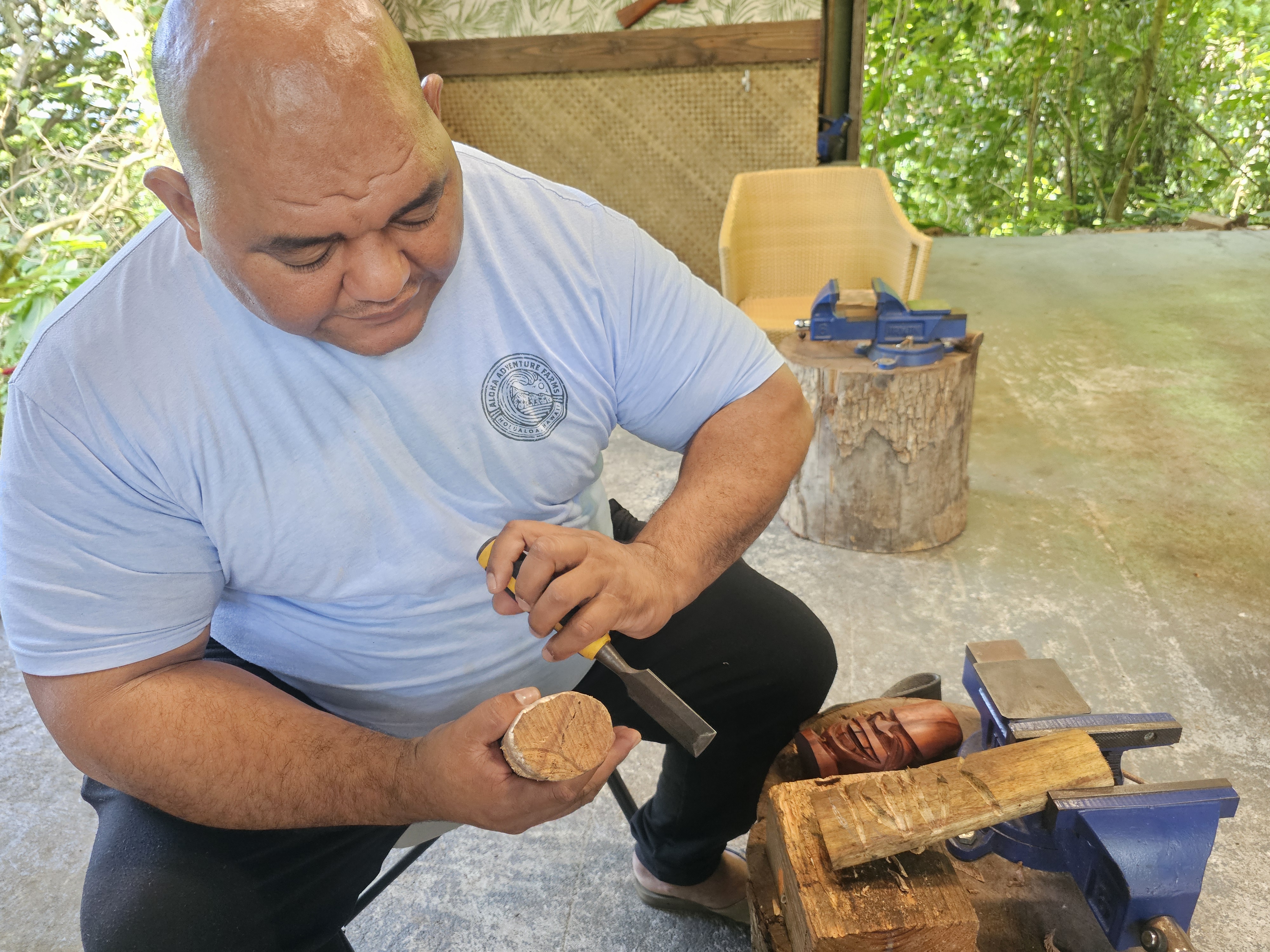
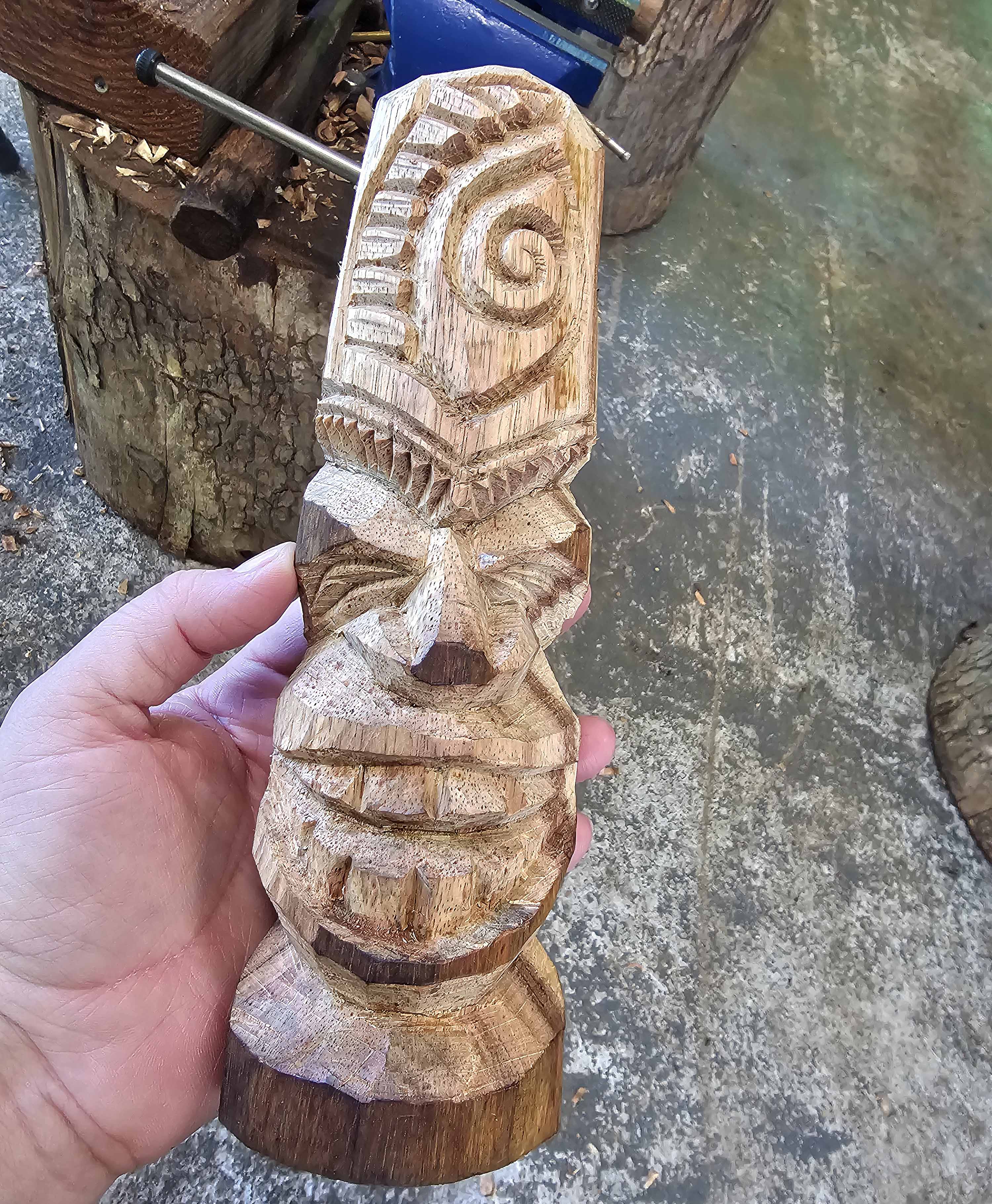
I went to Aloha Adventure Farms to carve my very own Tiki figurine.


The tour is taught by a Tongan carving master named Mani. His father taught him all about wood carving since he was a child, and he is teaching his own children to carve as well. It’s a meaningful way to keep Pacific Islander culture alive.

Ancient Pacific Islanders carved wood into canoes to travel between islands, into dishes to eat from, and into Tiki figurines to ward off evil spirits.

During the tour, you are given a piece of Koa wood, and under the direction of the instructor, you shape it into the Tiki of your choice. However, you also get to talk story about the history of wood carving in the Pacific Islands, and about the meaningful place it holds in cultures from South Korea to the Pacific Northwest, and everywhere in between.


I didn’t do the ATV Culture Tour, but that tour takes you around to recreations of villages representing Hawaii, Fiji, Tonga, and Samoa. You’re able to learn about some of the cultures that make up the Pacific Islands.

Walking around the property is also nice. There are vanilla vines on the gift shop. The ancient Hawaiian jungle is filled with interesting plants and amazing views. It’s a peaceful place to spent time.

Aloha Adventure Farms is a nice place to spend a day. If you visit the Big Island of Hawaii, it’s worth a trip.

The Hawaii Vanilla Company

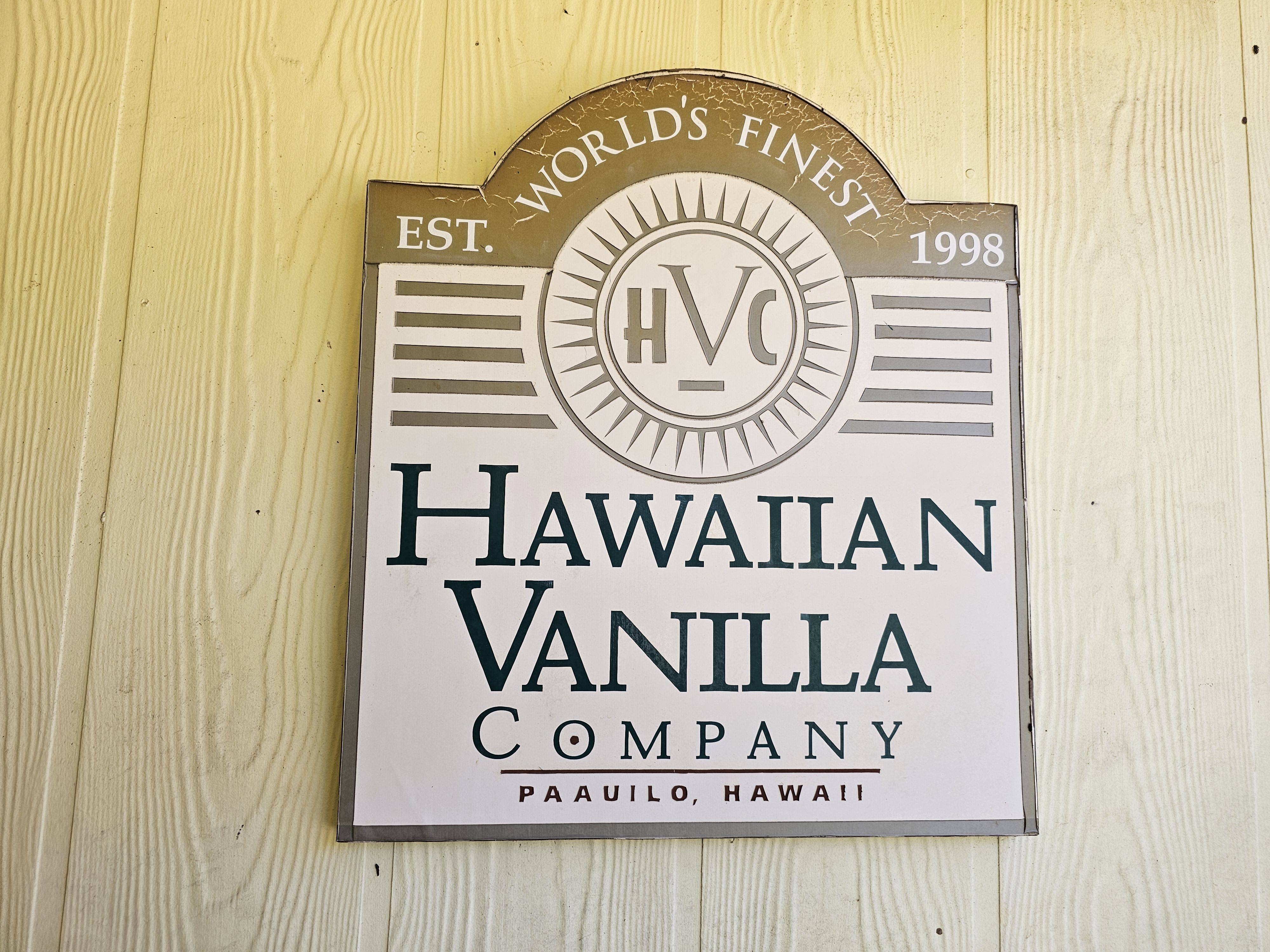
The sign for the Hawaii Vanilla Company.

Watch a video of my farm tour here.

I recently toured the Hawaii Vanilla Company; the first Vanilla farm in the United States. You can read more about them or book a tour on their website.

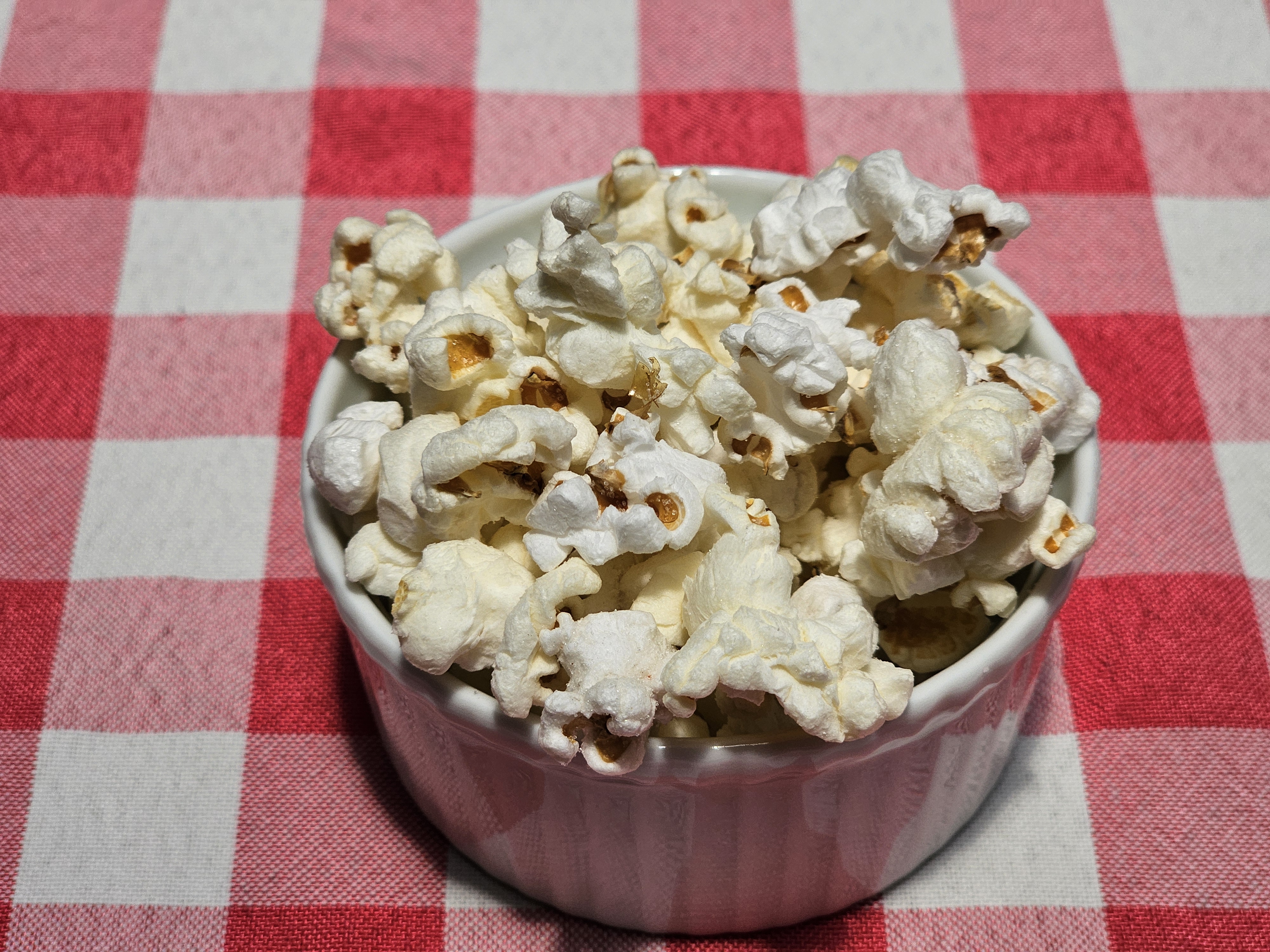
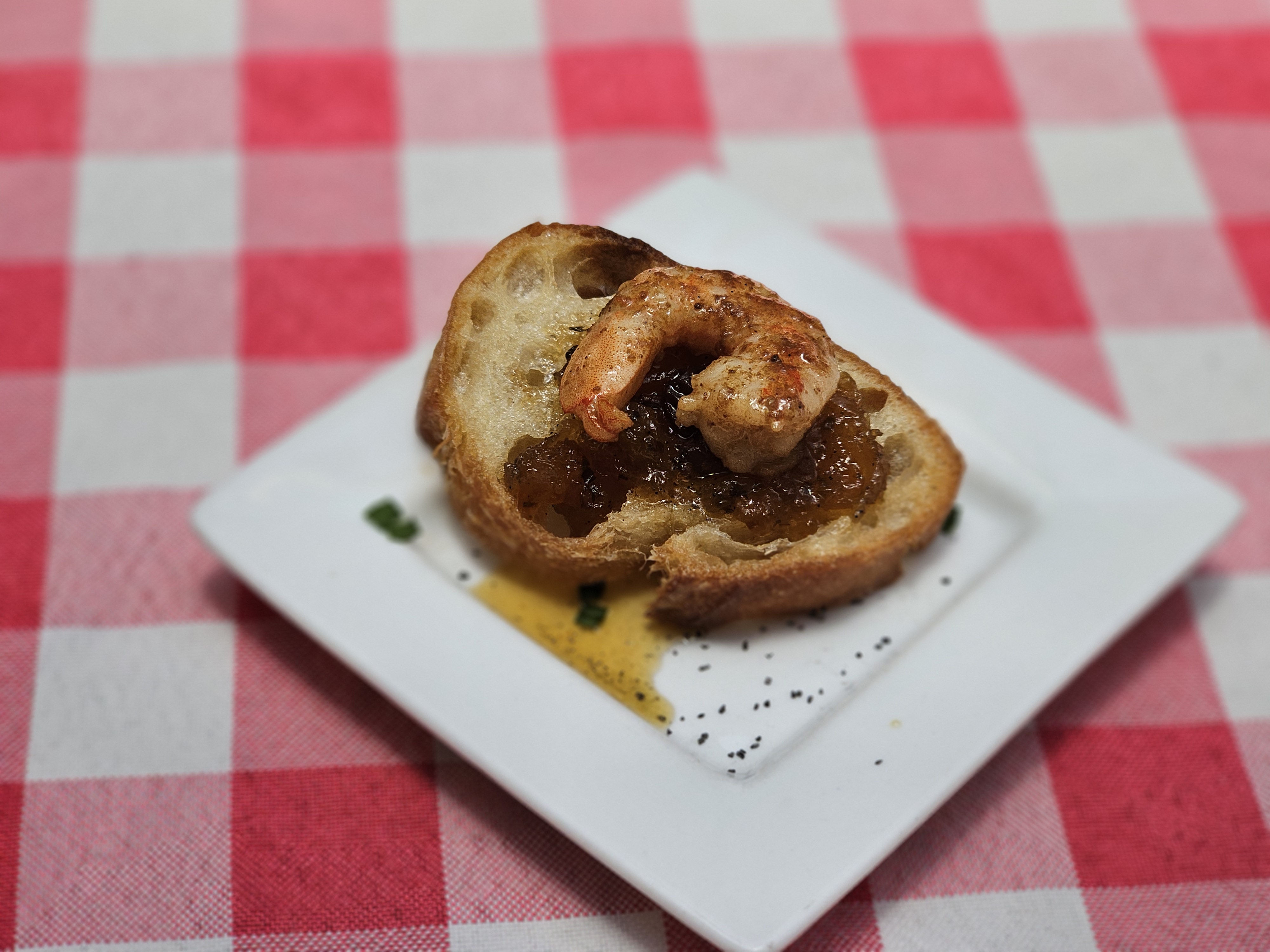
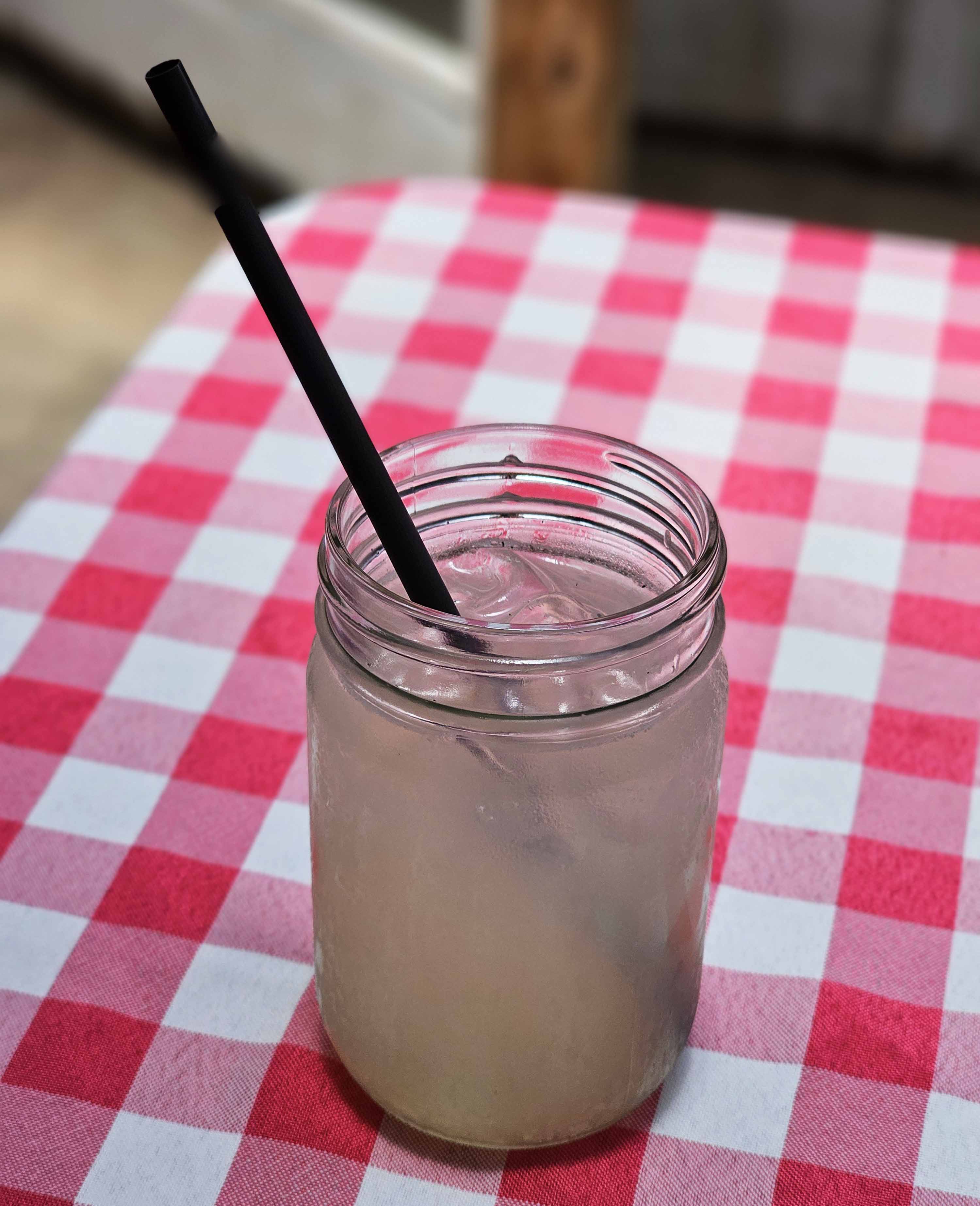
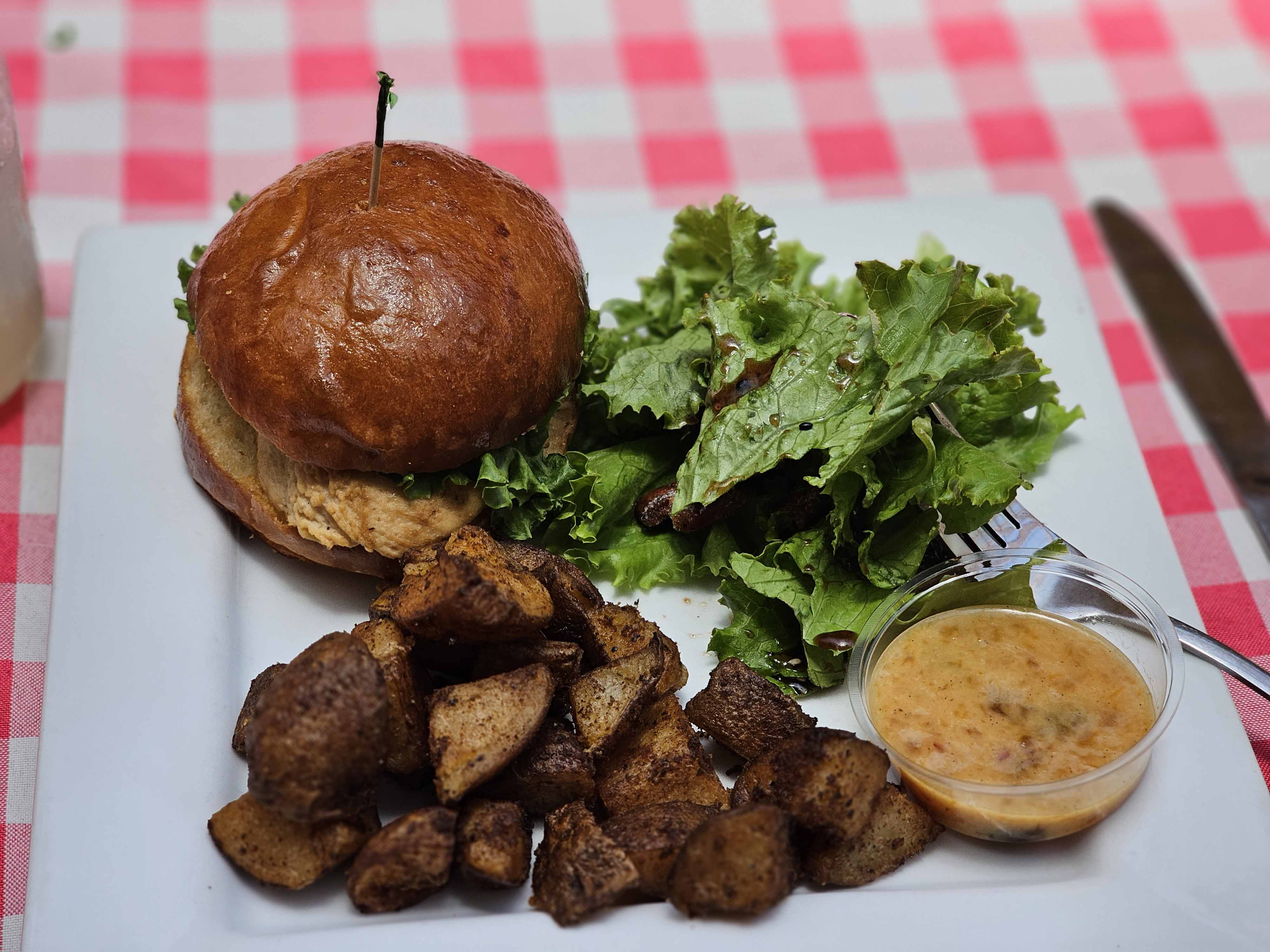
I booked the farm tour with lunch. When I arrived, we all sat down to eat. While we ate, our tour guide described each course and how vanilla had been added to it as a way to enhance the flavors of the foods. With many locally sources ingredients and vanilla grown on the property, it was a delicious meal.

After lunch, we walked down to one of the grow houses where the vanilla vines are located. For those who didn’t feel up to the walk, a shuttle was provided. One of the women on the tour with me was there for her 80th birthday, and she had an easy time getting in and out of the shuttle. I would say that the tour is very accessible.

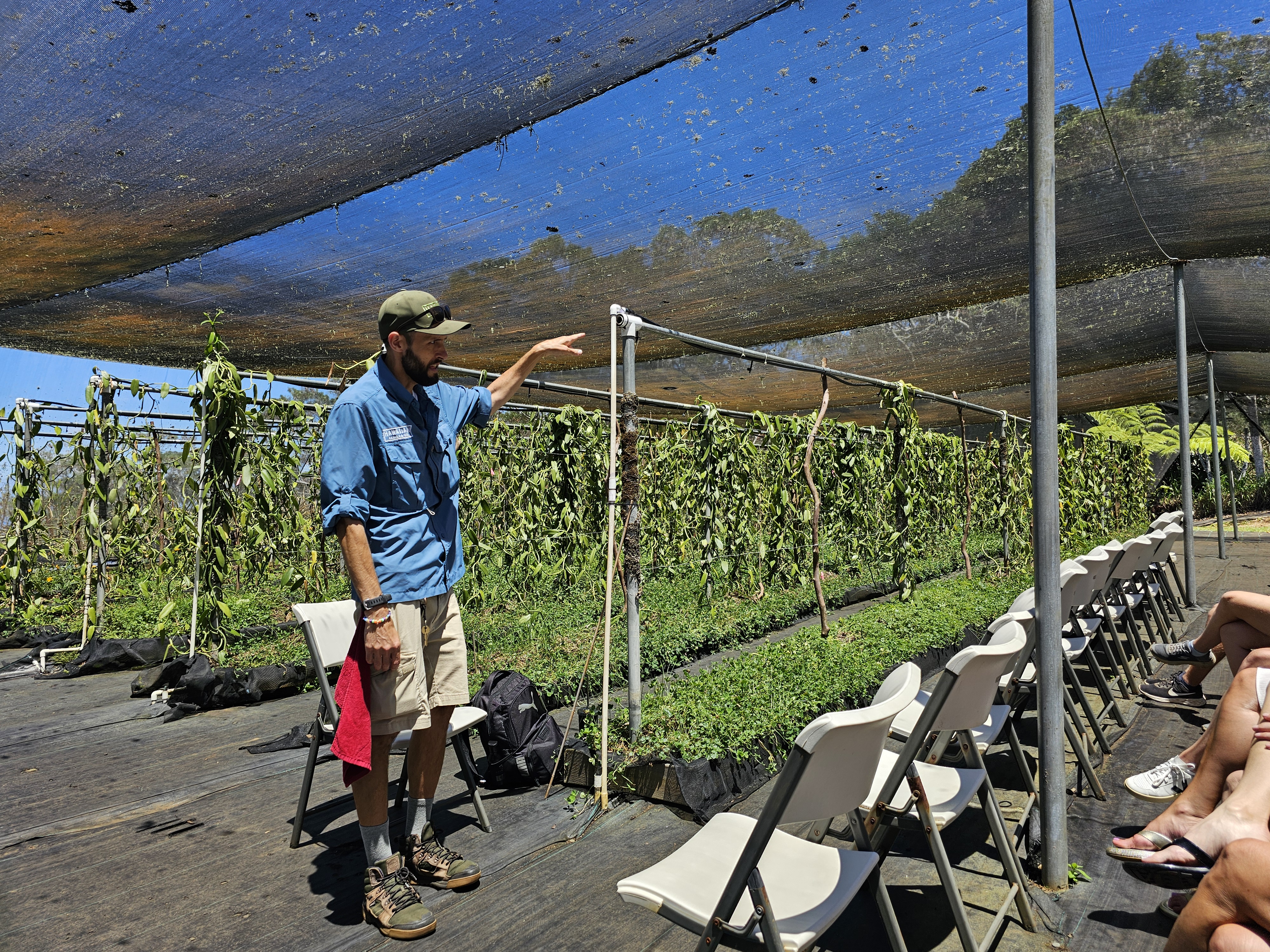
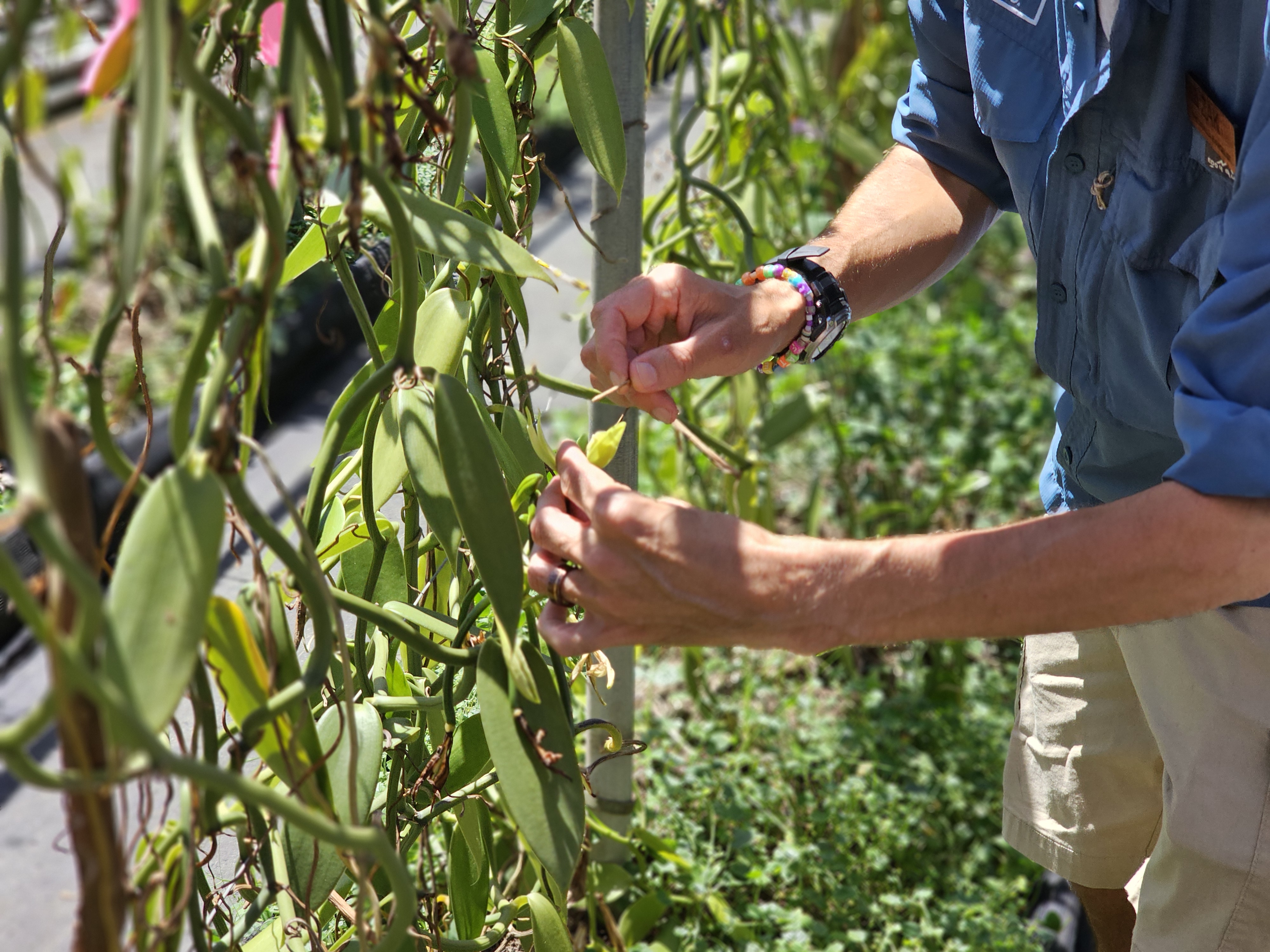
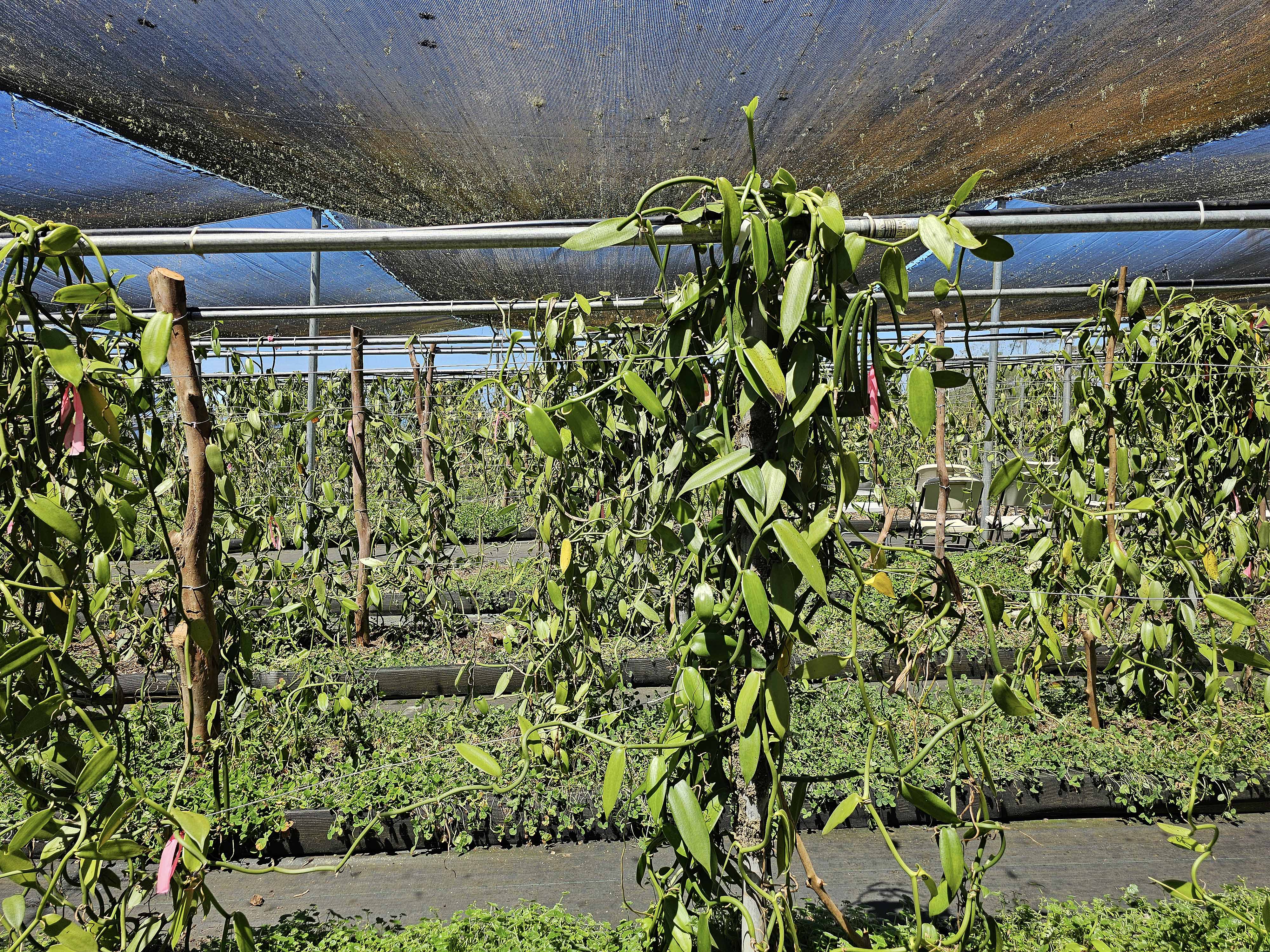
Once inside the vanilla grow house, we were treated to a very detailed history of the vanilla vine, the story of the farm, and then a live demonstration of how the vanilla flowers are pollinated.

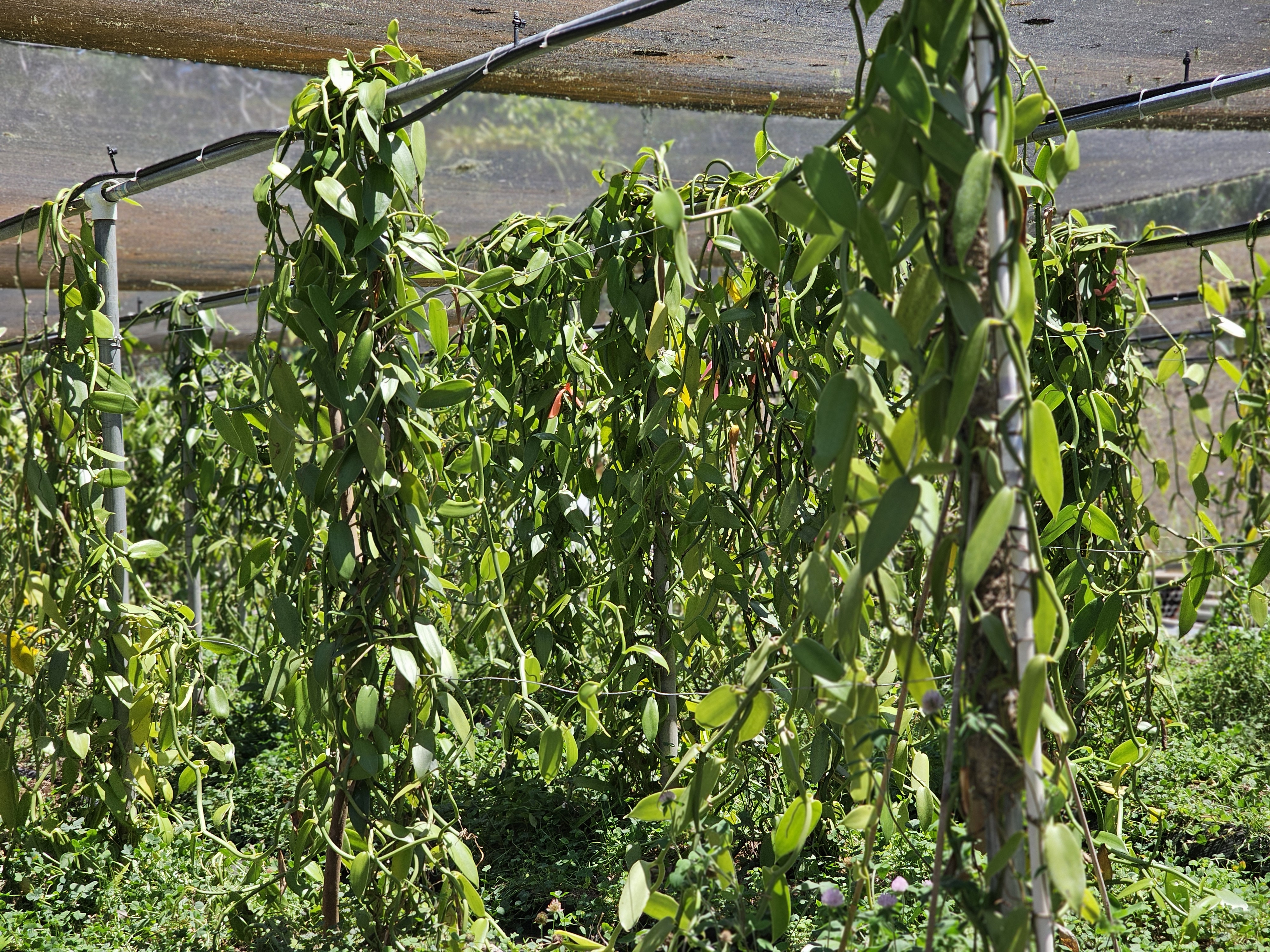
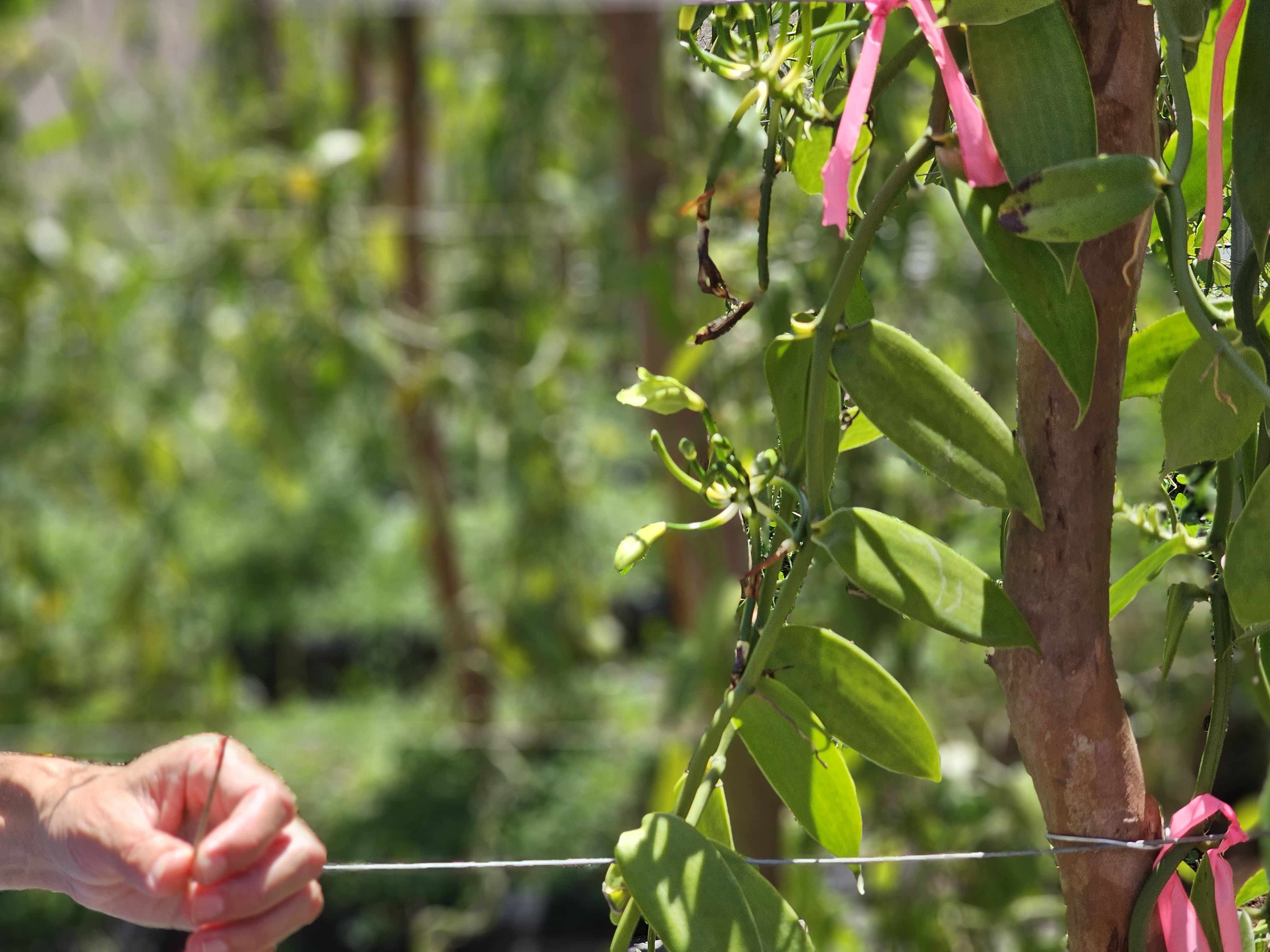
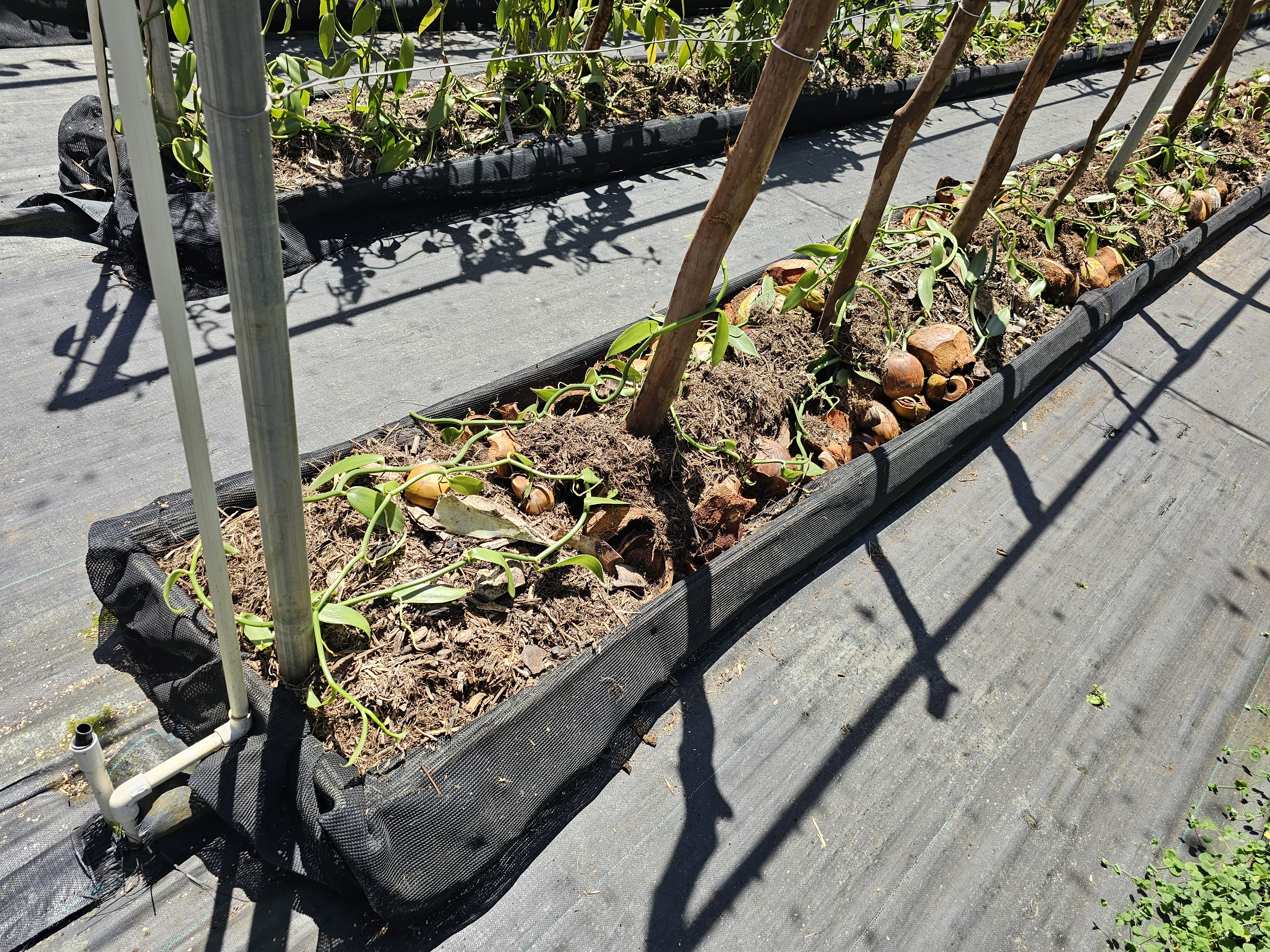
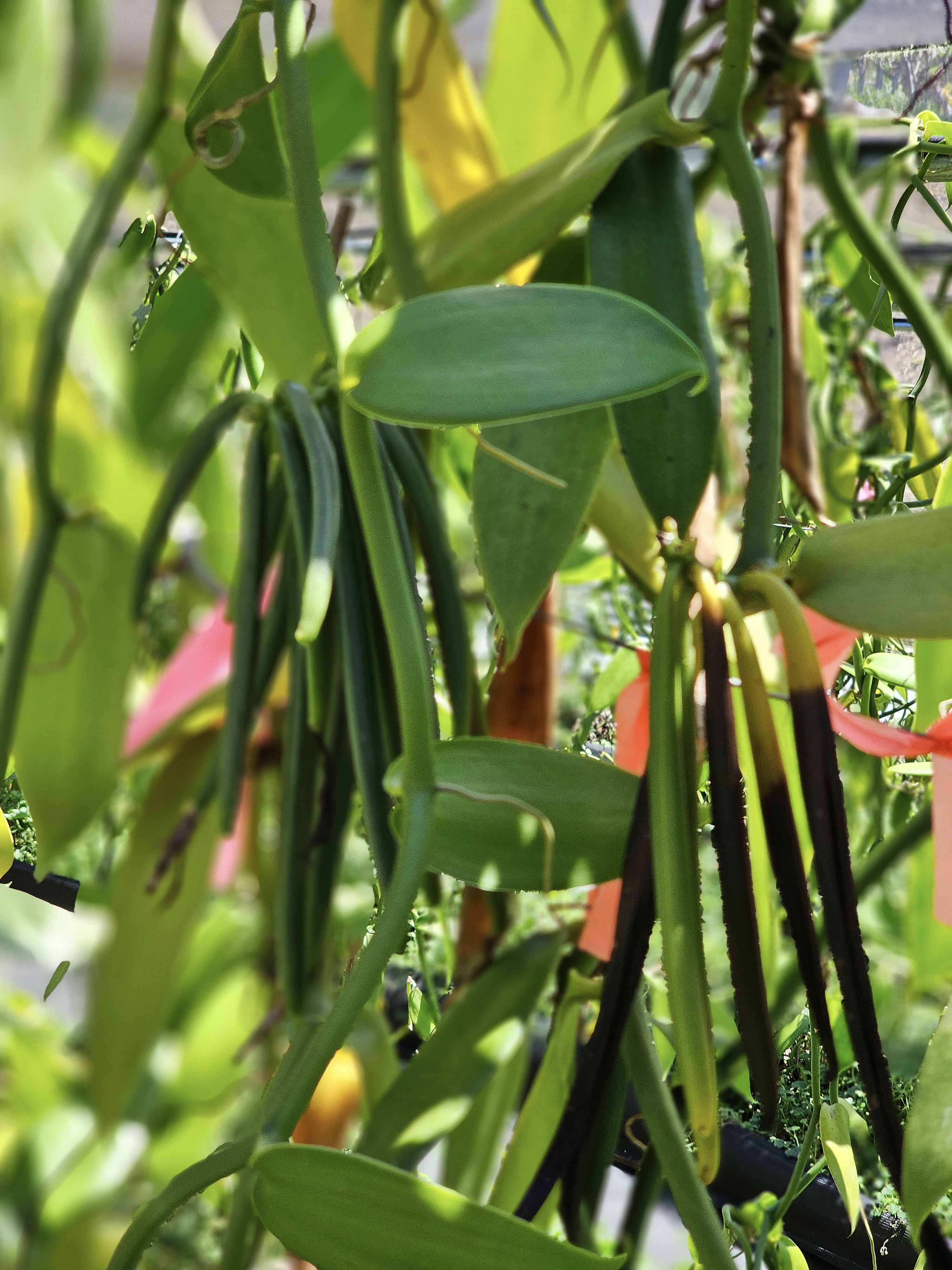
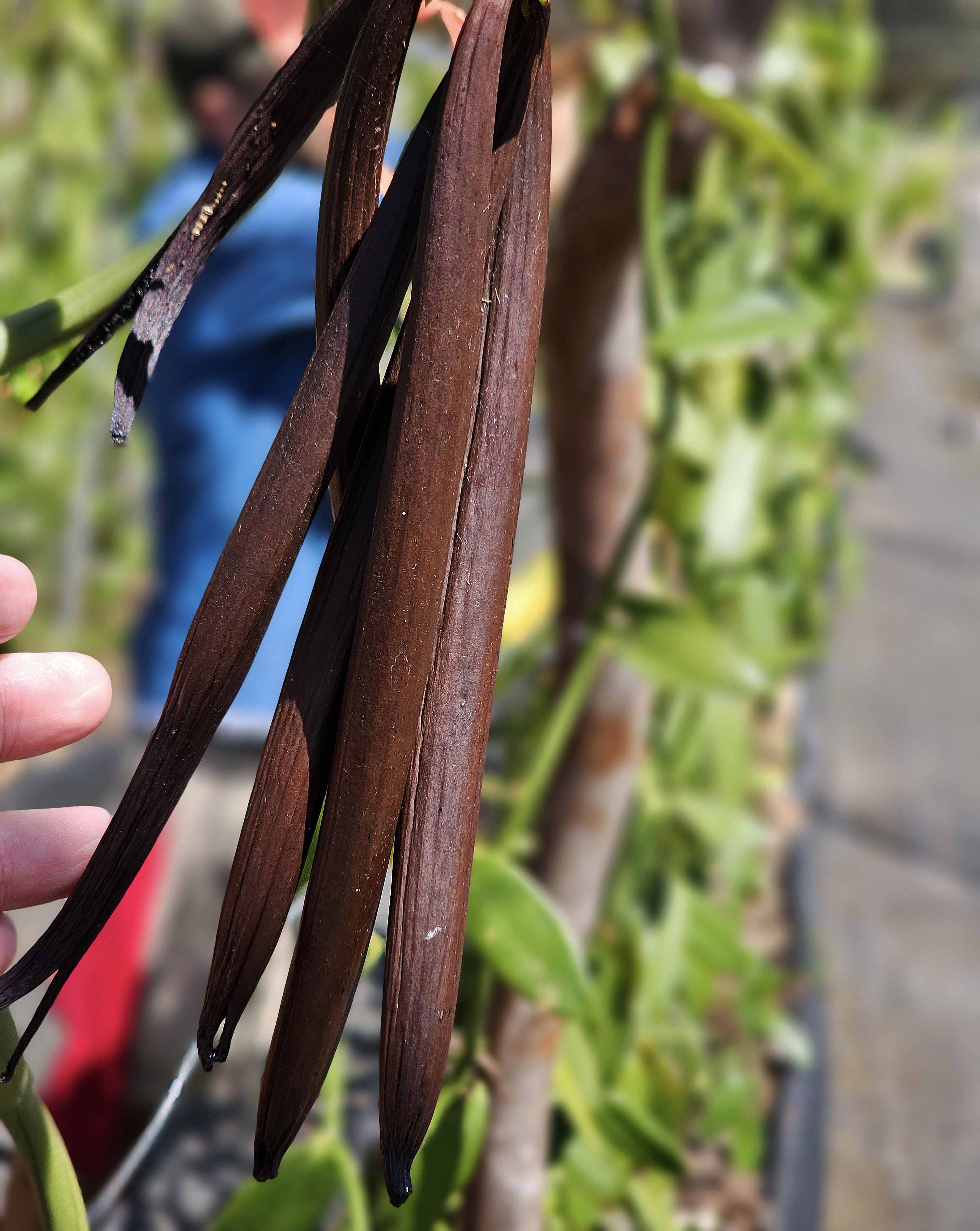
I felt very lucky to be visiting in August, when the vines had flowers and beans on them. Check out these pictures of the grow house full of vanilla vines!

My tour guide, Zak, was extremely knowledgeable and took time to answer everyone’s questions. This brings me to a thing I remember every time I do some of the tourist activities here in Hawaii: Please tip your tour guides.

I know it can feel like you shouldn’t have to spend more money after you have already paid for a tour. Some of you will want to spend any leftover money in the gift shop, and I understand that. I know local businesses appreciate you paying for tours and spending money in gift shops.

Many tourists from cultures that don’t have tipping find the concept offensive. Honestly, I wish Americans were paid well enough that the custom was no longer necessary. However, it is customary here to tip your tour guides, waiters and waitresses, bellhops, and other service industry workers. Please factor this in when you are budgeting for how much you will spend on activities during your vacation.

The standard gratuity for a tour guide is between $10 and $20, depending on how much information they shared and how much fun they made your experience. I just want to share this for folks from places like South Korea and France who don’t know about this custom, since tipping is not standard in their countries.


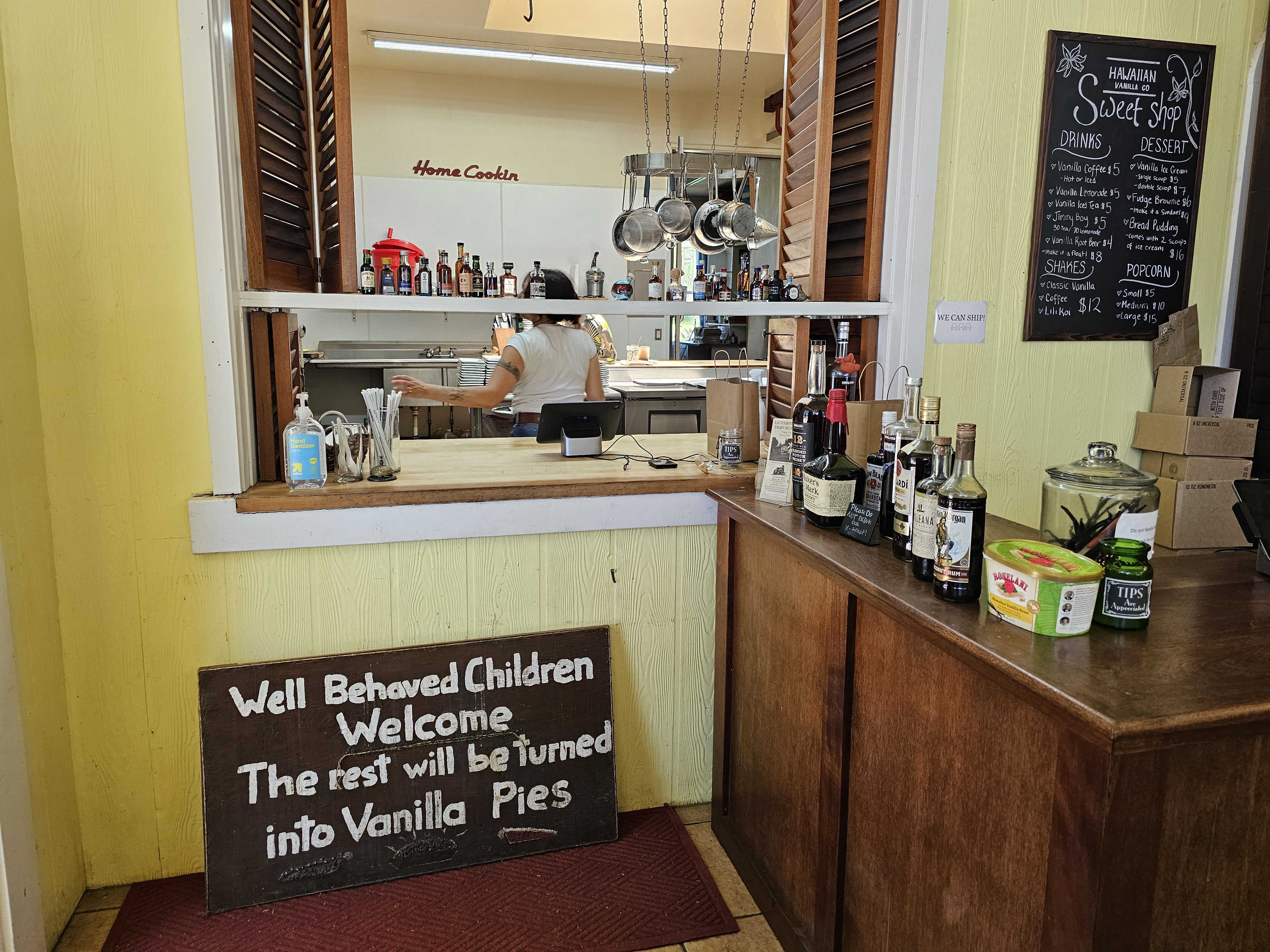
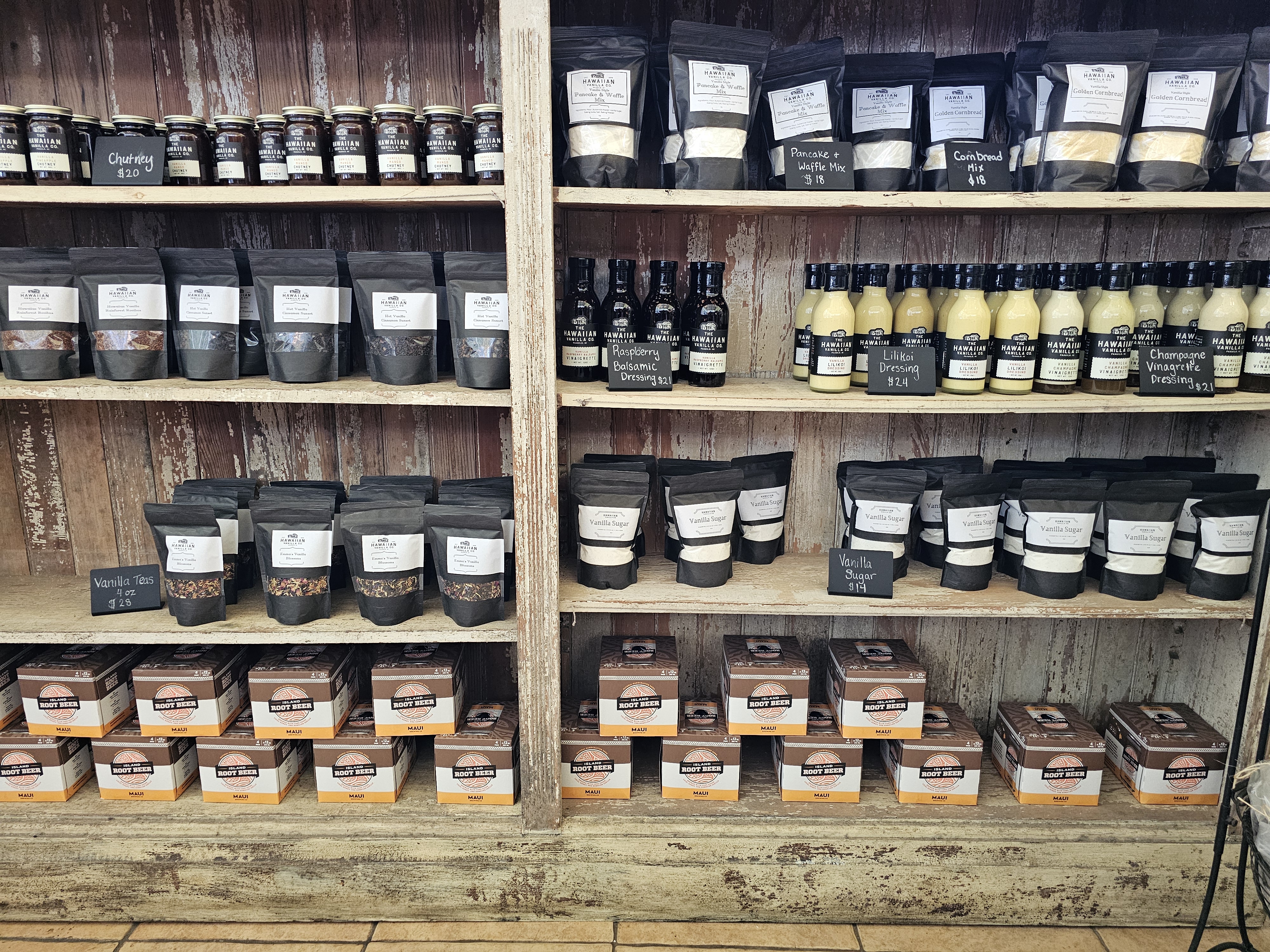
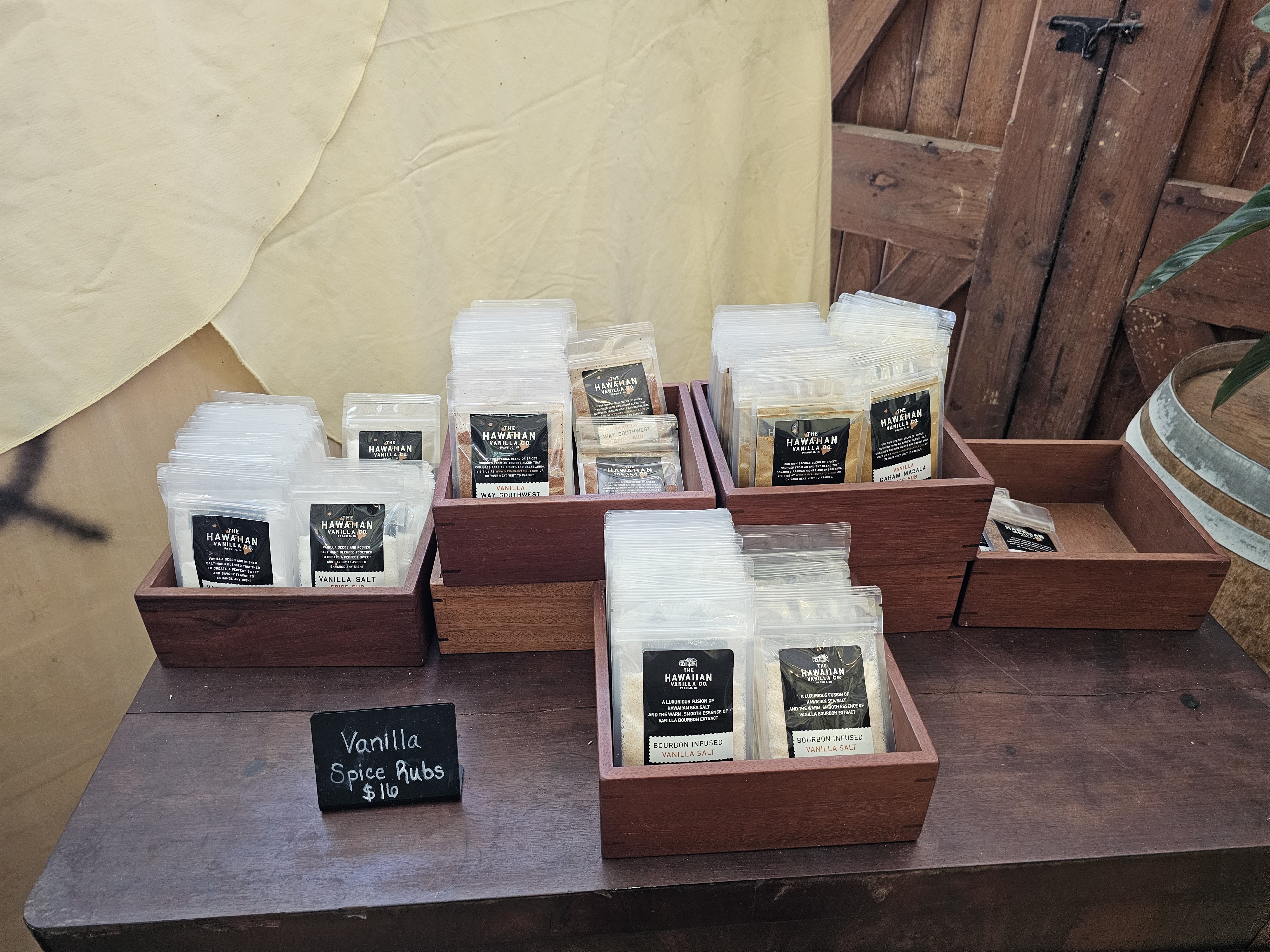
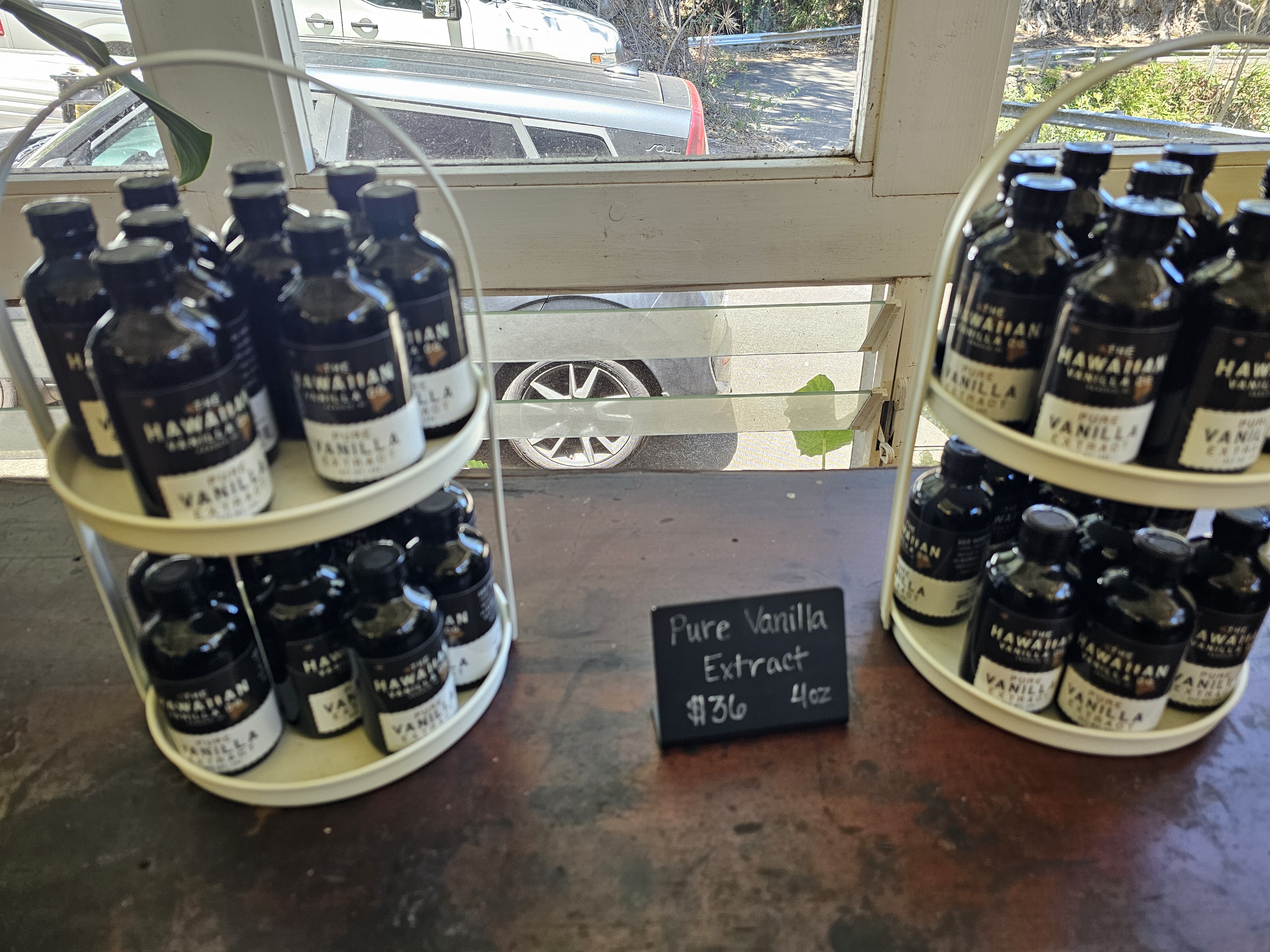
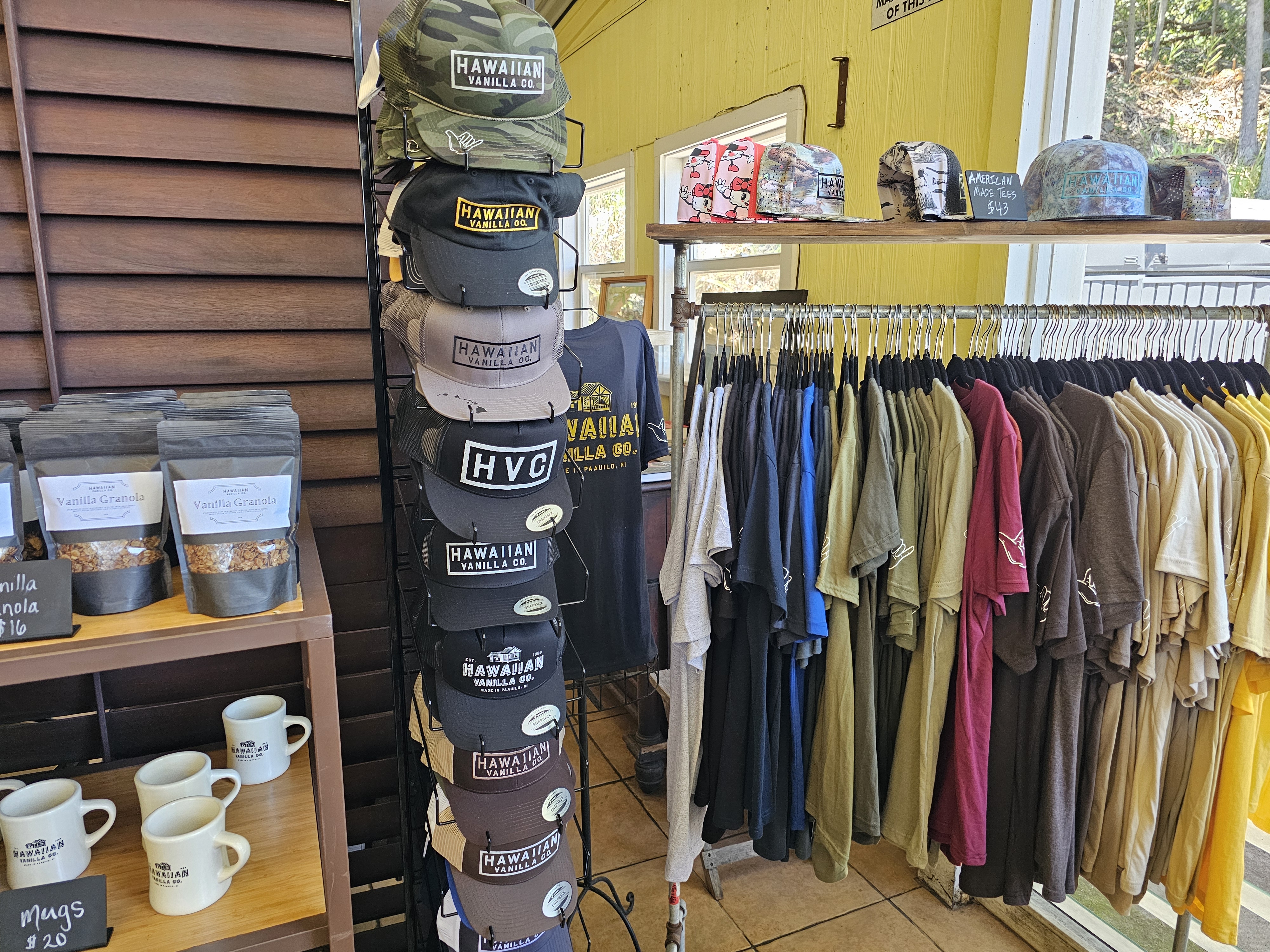
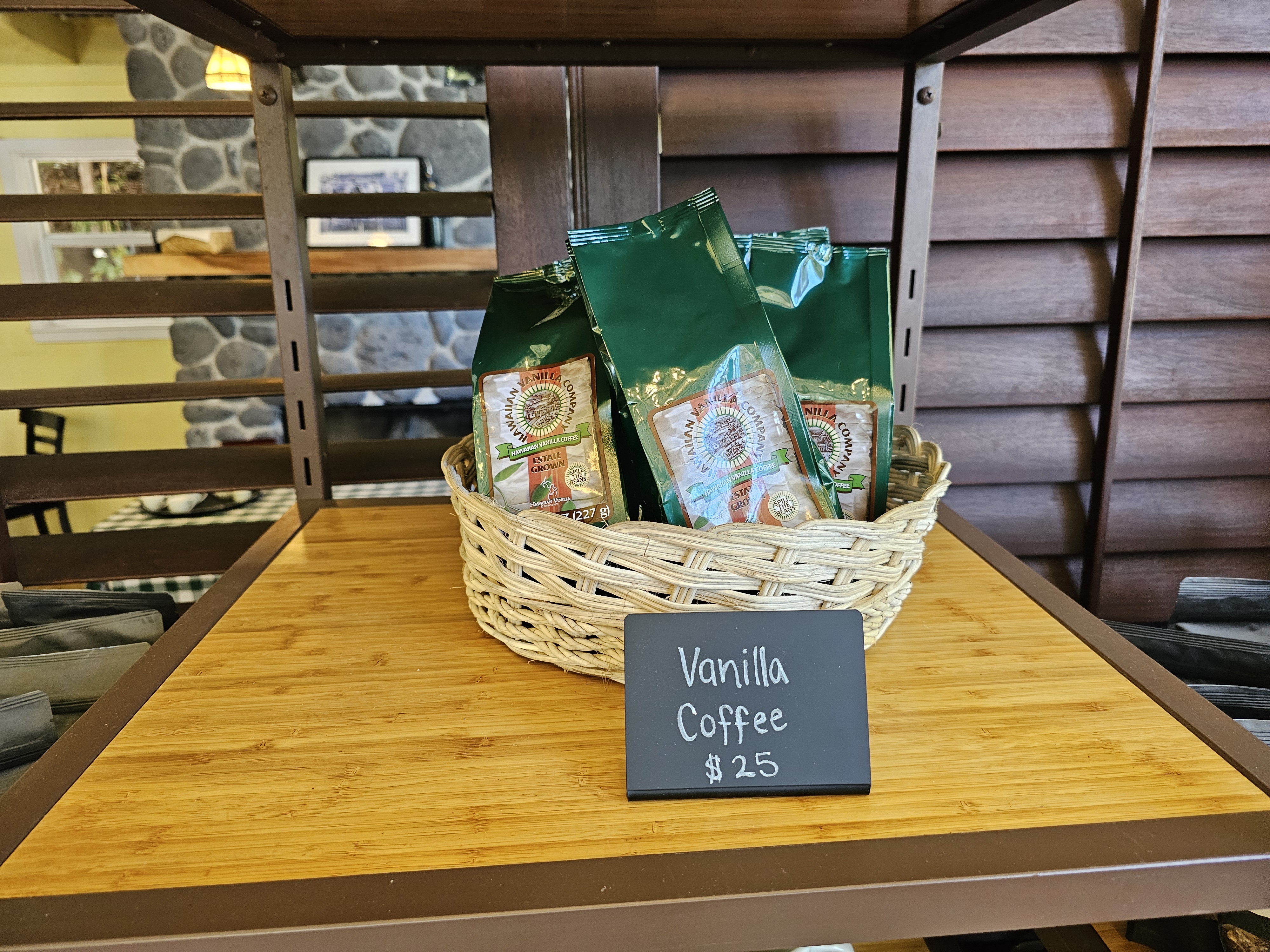
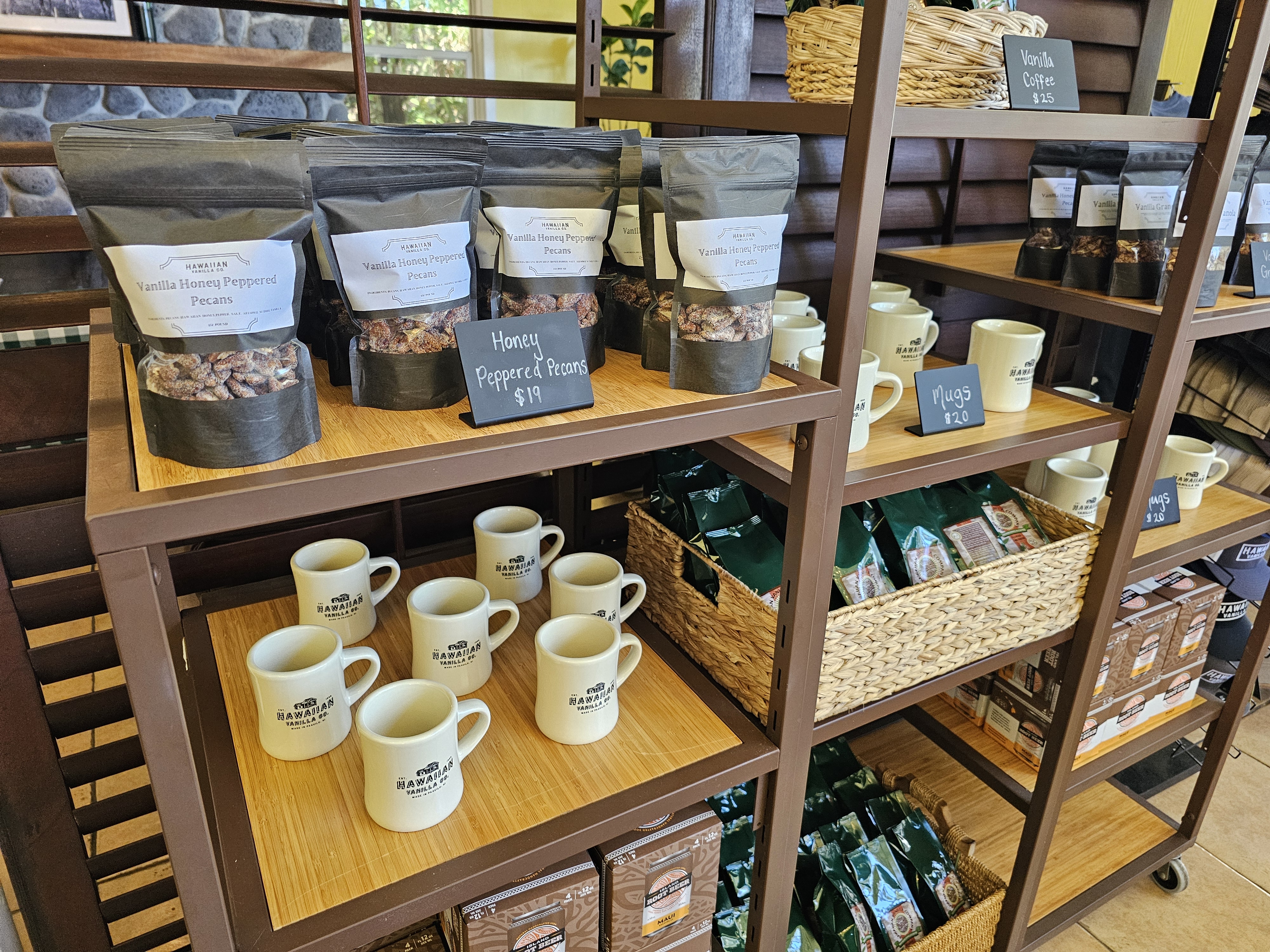
The tour ends at the gift shop, which has a wide range of products. For those who are planning to buy gifts for family and friends back home, plan on spending some money for the variety of products from vanilla extract to vanilla sugar. It’s a delightful array of foods, as well as other products like clothing and coffee mugs.

The Hawaii Vanilla Company is in a beautiful historic building surrounded by eucalyptus forests. The bathrooms are clean, the eating areas are beautiful, and the food is amazing.

I would definitely recommend this tour to anyone visiting Hawaii Island.

Note: I am lactose intolerant, so I opted out of the coffee and ice cream at the end of the tour. The other guests seemed to really enjoy this finishing touch, so you’ll have more to look forward to than what you see pictured in my post.


Before I left the farm, I walked all around the building to appreciate the garden. If you are there when the weather is nice, I highly recommend taking the time to do this. From the food plants to the flowers, it’s a very impressive array of plants.

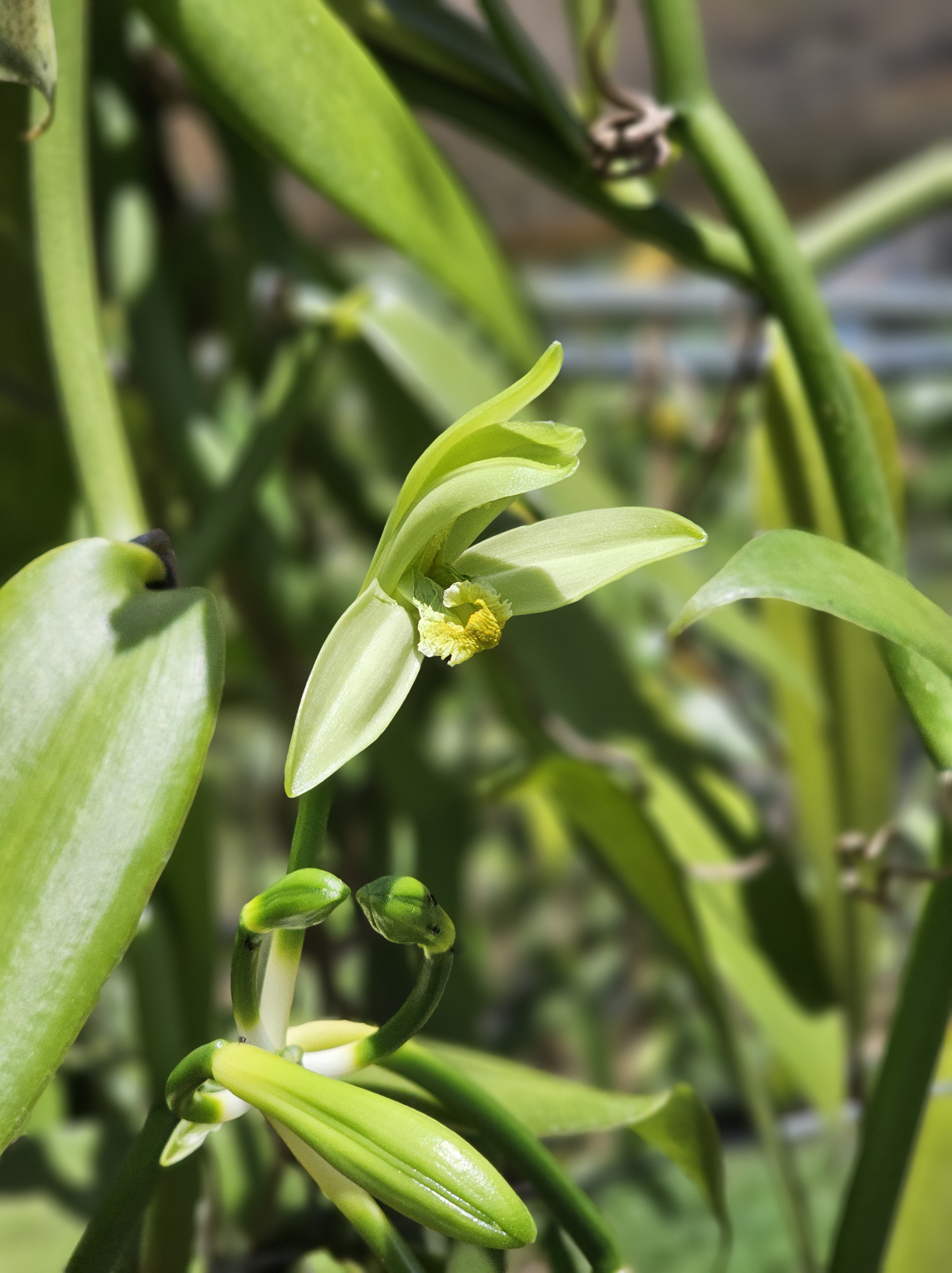
Of course, nothing there is as fabulous as the vanilla orchids. They really are marvelous plants.

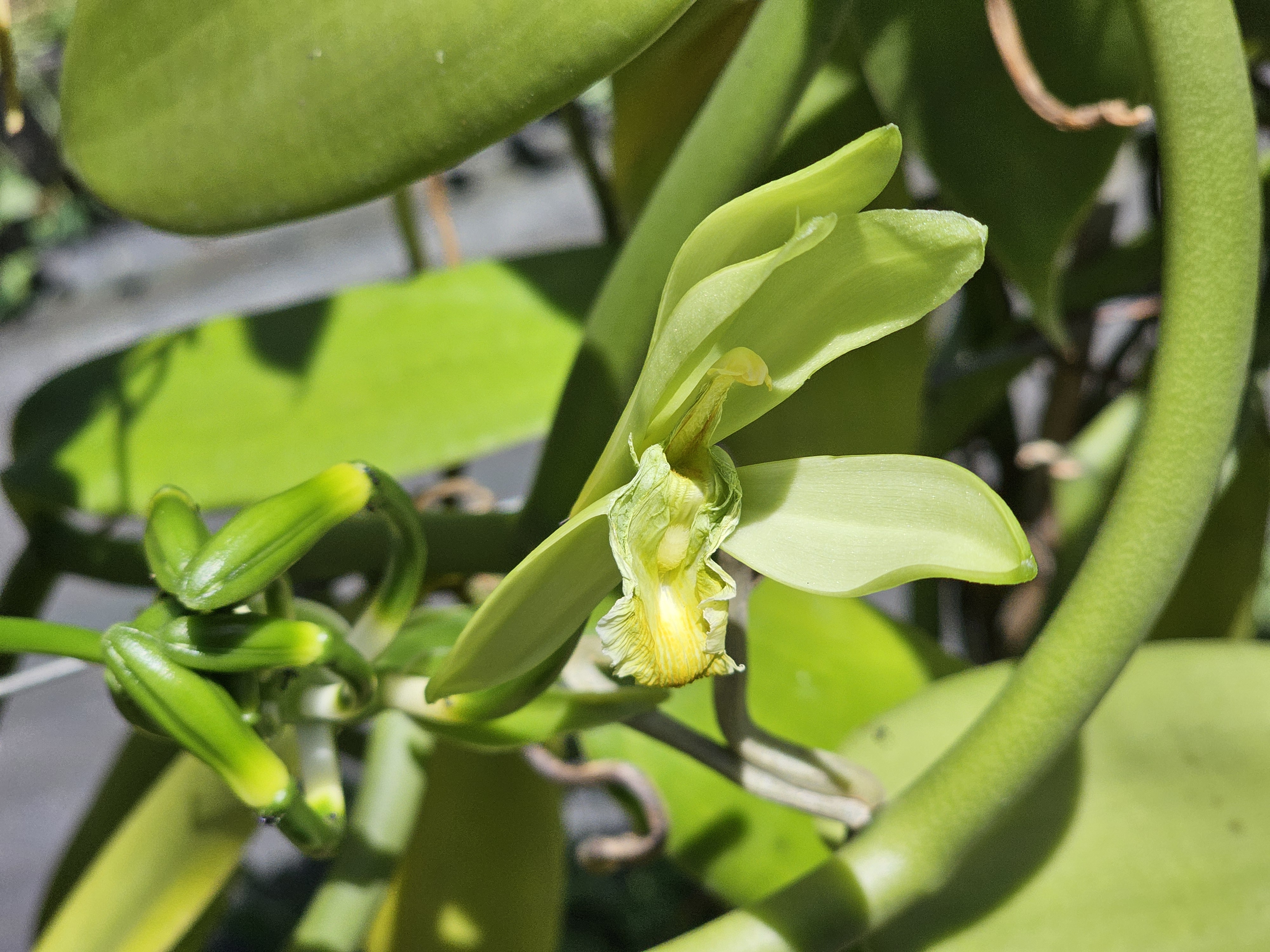
Vanilla flower on the vine.

Lavaloha Chocolate Farm

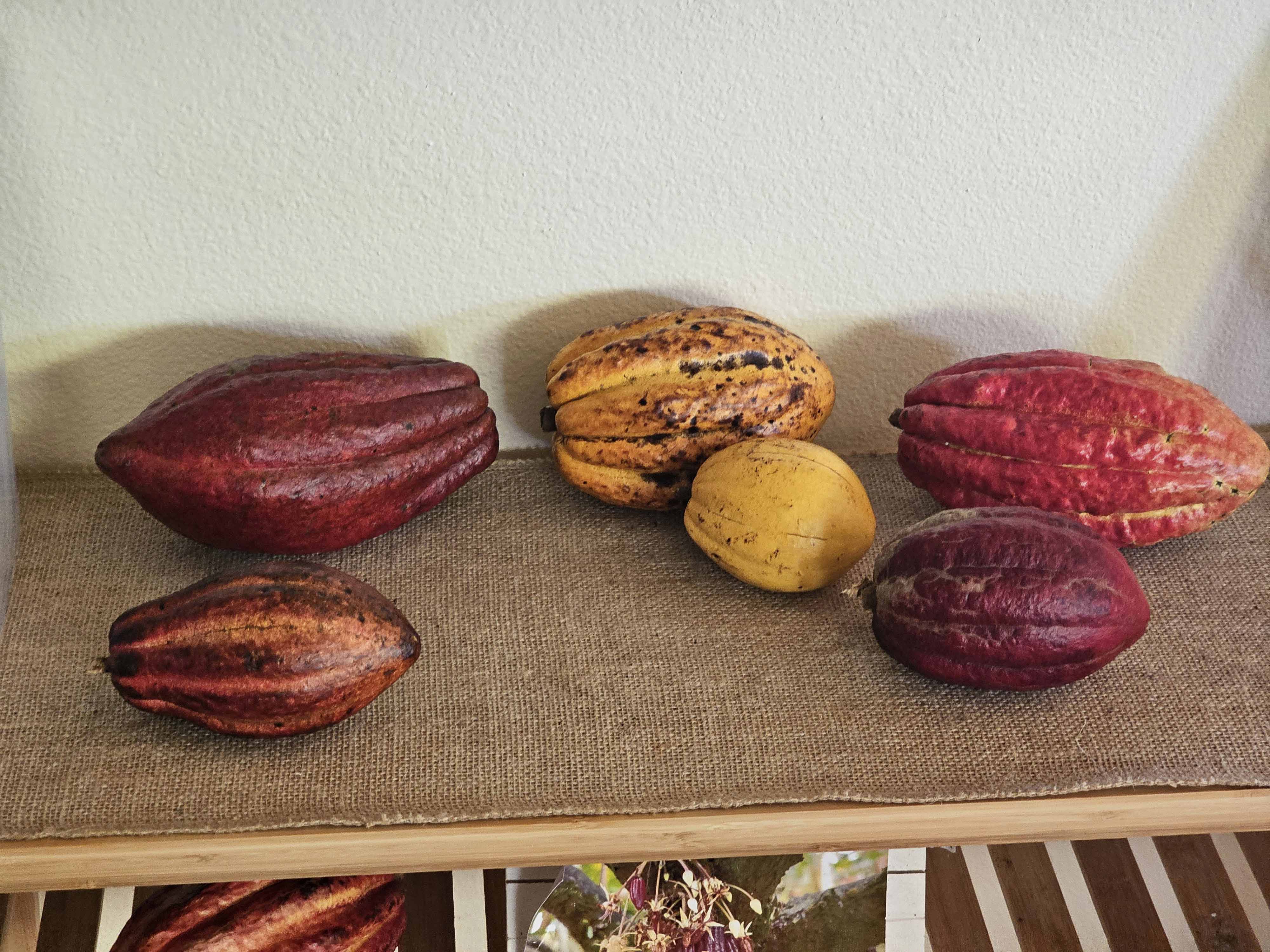
Cacao pods on display at Lavaloha Farm.

Click here to watch a video of the tour I took.

Lavaloha Chocolate Farm is nestled up the mountain from Hilo on the slopes of Mauna Kea volcano. Visit there website here for a full history of the farm or to book a tour. I recently took a tour of the farm, and I was very impressed.

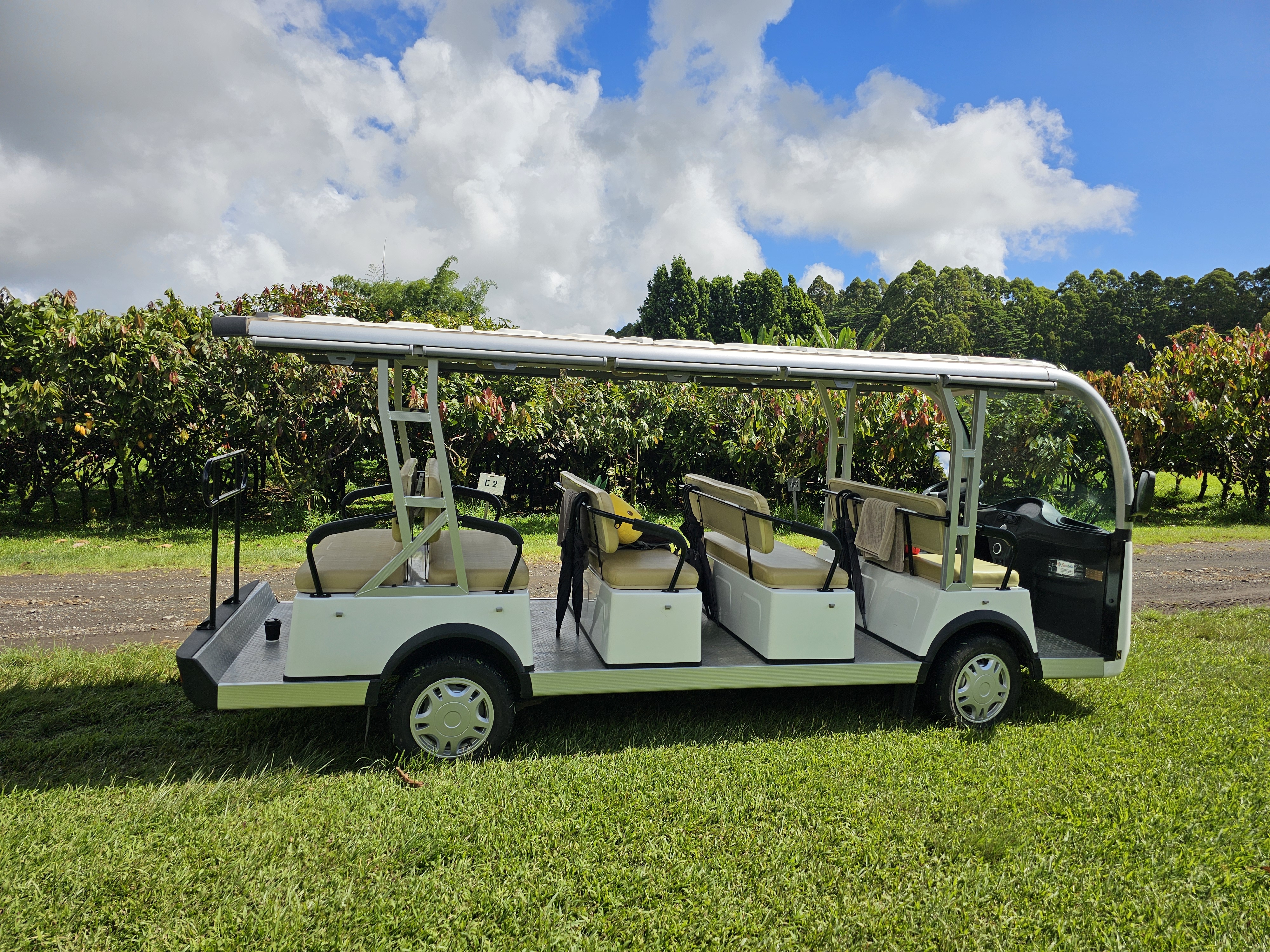
The shuttles that you tour the farm in are easy to board and dismount, so those who are elderly or need mobility aids should have no trouble. The tour is not wheelchair accessible, but the shop is.


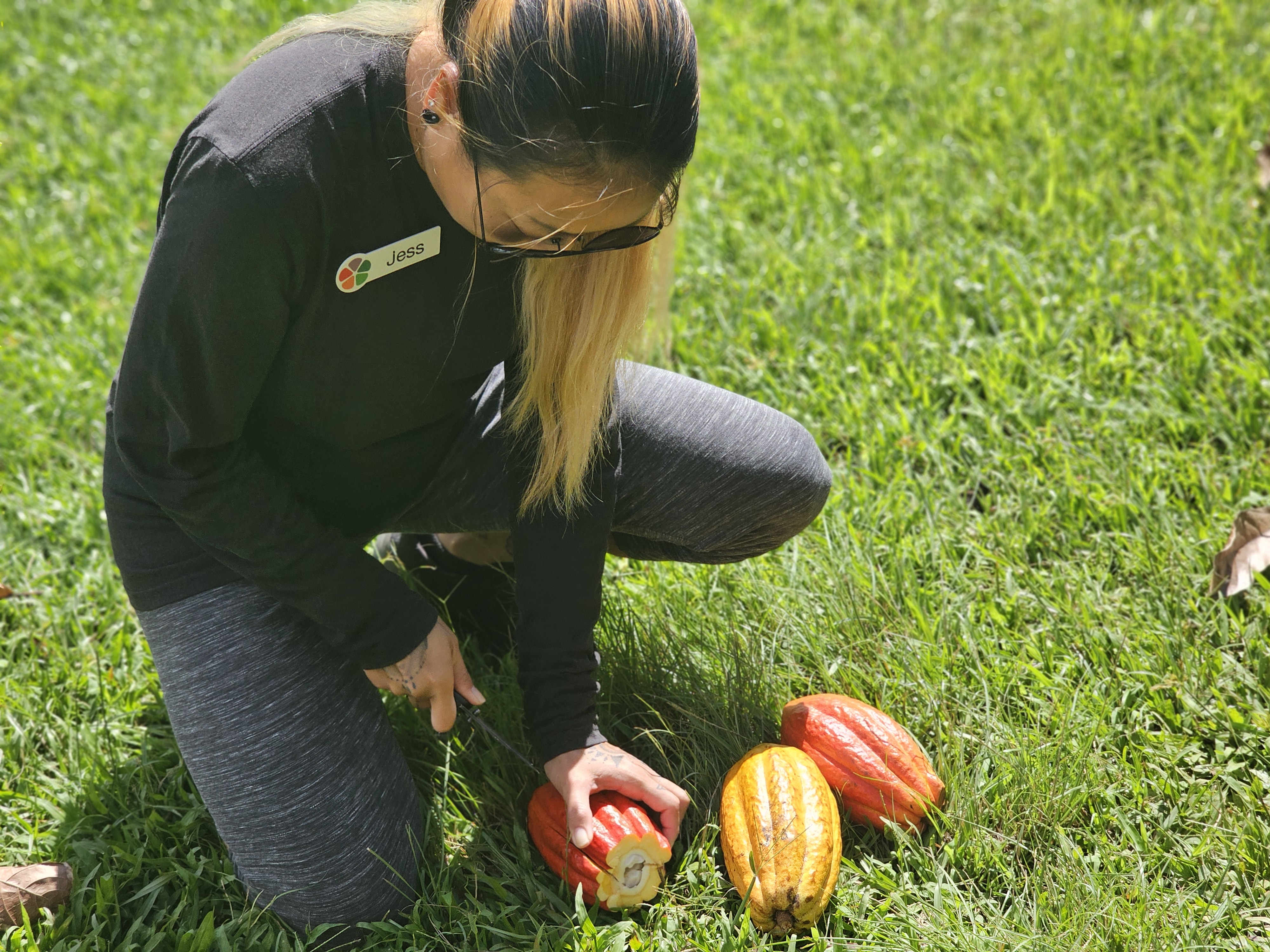
My tour guide -Jessica- was extreme knowledgeable about cacao and the chocolate-making process. She shared a variety of farm history, information about chocolate, and fun facts about the Hawaiian Islands. I was impressed with her, and I appreciated her speaking in a loud, clear voice since I have hearing loss. She was a wonderful guide.

The tour consists of going to see the orchard, trying unprocessed cacao fruit, seeing how beans are dried, and enjoying samples of different types of chocolate in the tasting lounge. There was also a video detailing exactly how they process the beans once they are dried, as the process of turning cacao into chocolate is laborious.

The tour then finishes at the gift shop, which has a variety of Hawaiian products in addition to chocolate.


For me, the most impressive aspect was learning about the off-grid sustainable farm itself, and about how they contribute to the community at large. In my travels to some places -like Cancun for example- I have been disappointed to find that the companies running tours pollute the environment, or that they are owned by a foreign investor who doesn’t give back to the community. Lavaloha Farms is a sustainable project with mindful intentions towards giving back tot he community and the environment. From their pollinator garden to their land-share program with local farmers, you can spend money there without feeling any guilt.

I would recommend this tour to anyone visiting Hawaii Island.

Buy 1790 Walea Uka Place in Wahiawa

Buy the most beautiful home on Oahu!

Watch the Video about my house here.

Zillow listing is here.

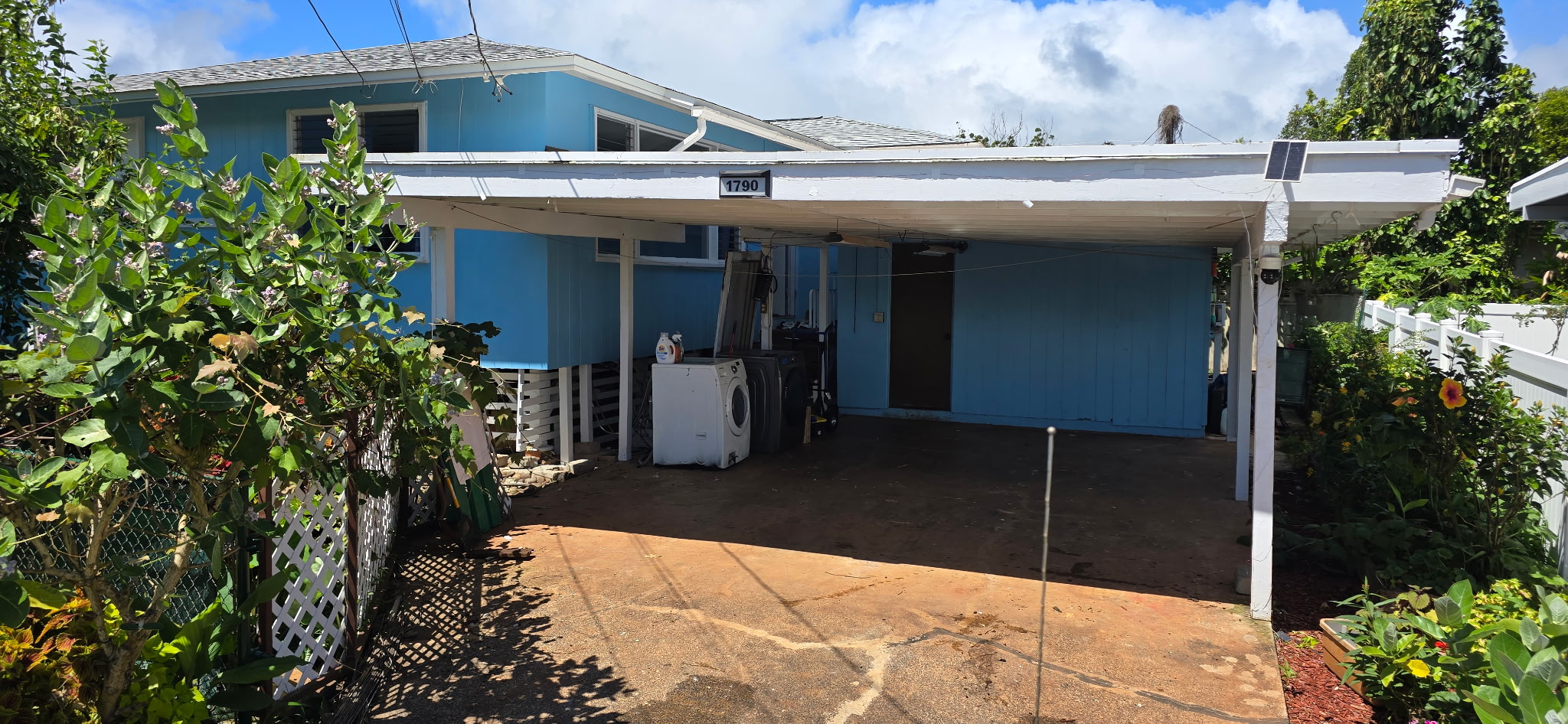
1790 Walea Uka Place: Yours for $799,888.

Welcome to your garden oasis in Wahiawa Heights!

• 3 bed 1 bath main home
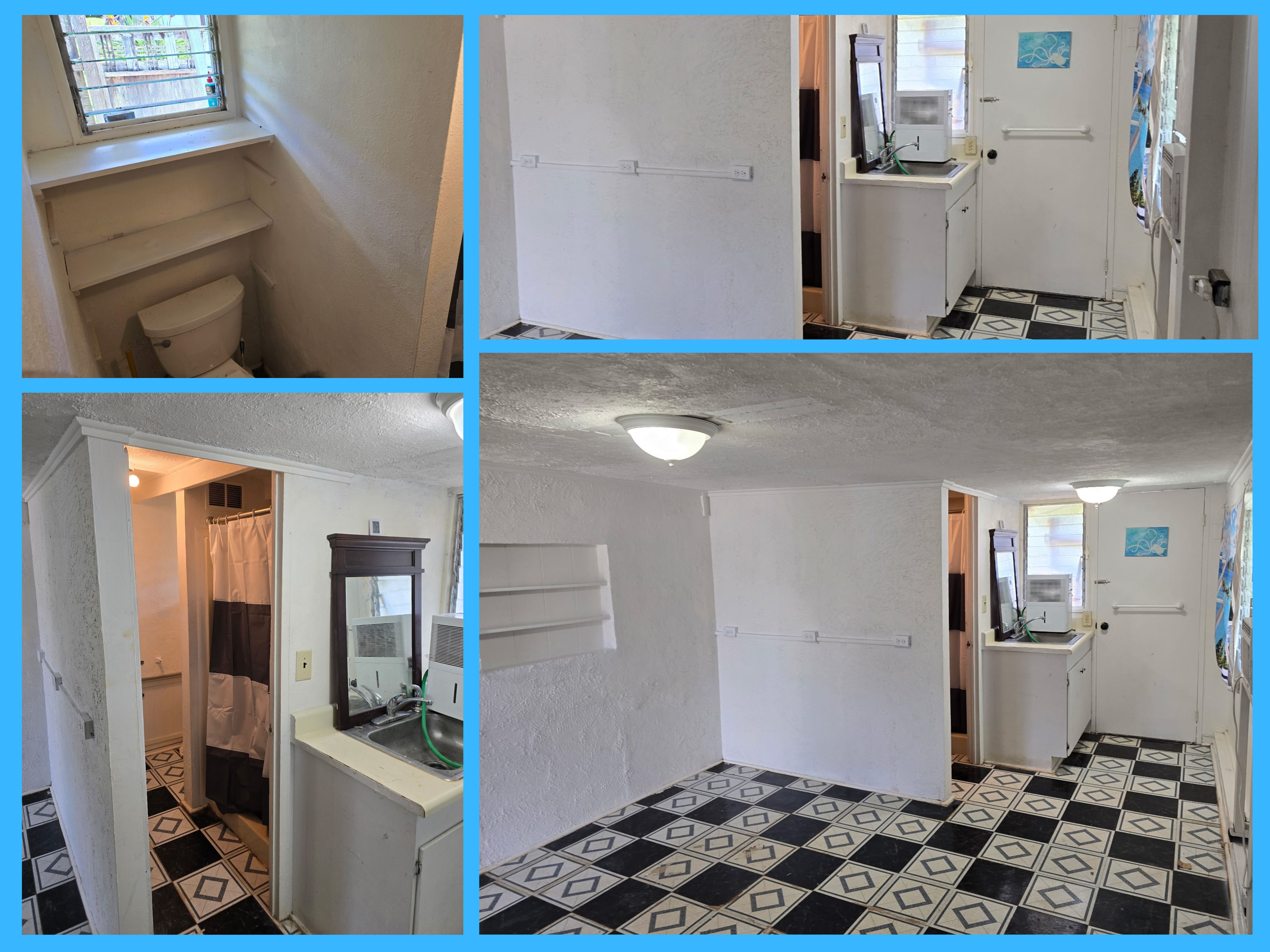
• 1 bed 1 bath ohana dwelling
• 5,000 sq ft yard planted with a mature food forest
• Spacious deck
• Cement pad for shed or BBQ area
• Long driveway easement with parking for 4 vehicles

Description:

A charming 3 bed 1 bath house with a neighboring one-bedroom Ohana dwelling sit at the end of a peaceful cul-de-sec in Wahiawa Heights. This property will keep your grocery bills low with mature fruits trees and great soil for planting vegetables.

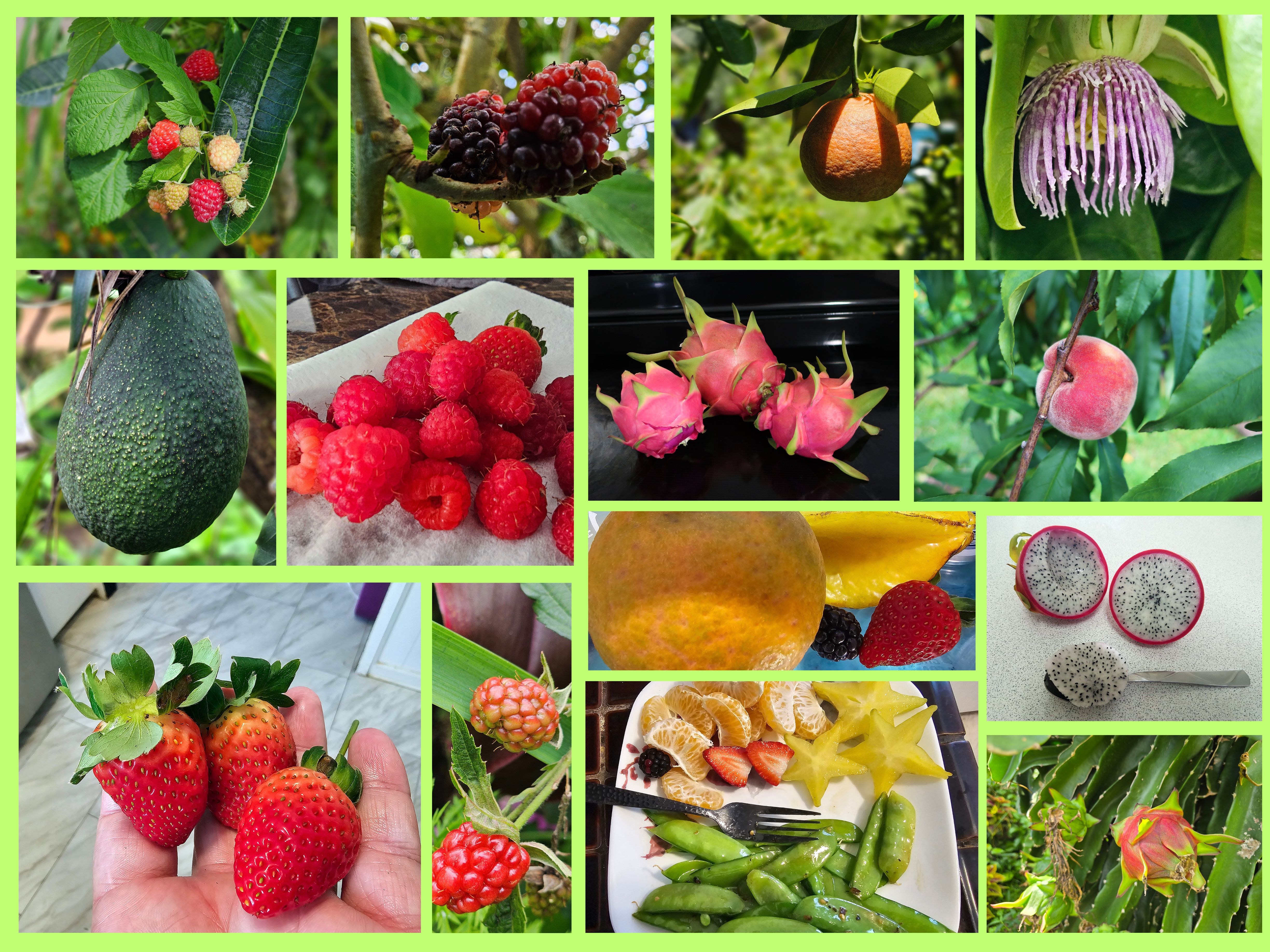
No Home Owners Association (HOA) ensures that you can have any plants or pets you want, including backyard ducks or chickens for eggs. Some of the mature fruiting plants include: Dragon fruit (5 varieties), papaya, peach, plum, avocado (two varieties), apricot, nectarine, and mulberry. Front yard beds are also full of everbearing strawberries and everbearing heritage raspberries, and a green grape vine which yielded six pounds of grapes this summer. The previous property owner had a green thumb, so some rare plants are nestled in this yard, including a blue jade vine.

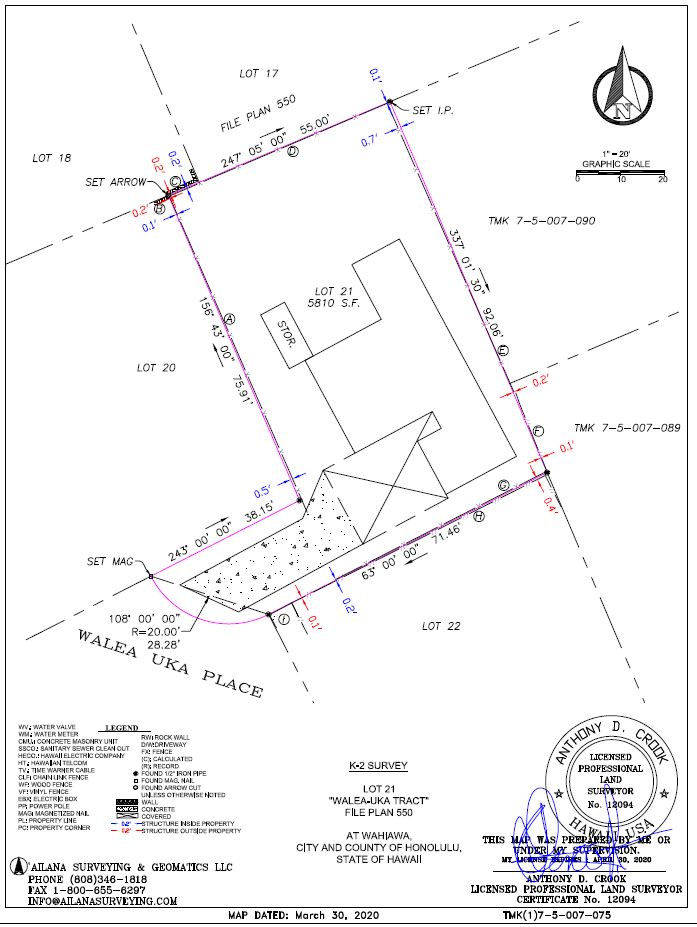
With a large outdoor deck, there is ample room for socializing. A cement pad in the yard could be used for a shed, gazebo, or additional patio for BBQs and entertaining. All chain link fencing belongs to the property, and only the small section of wooden fence and plastic fence in the front yard and around the Ohana dwelling are owned by neighboring properties.

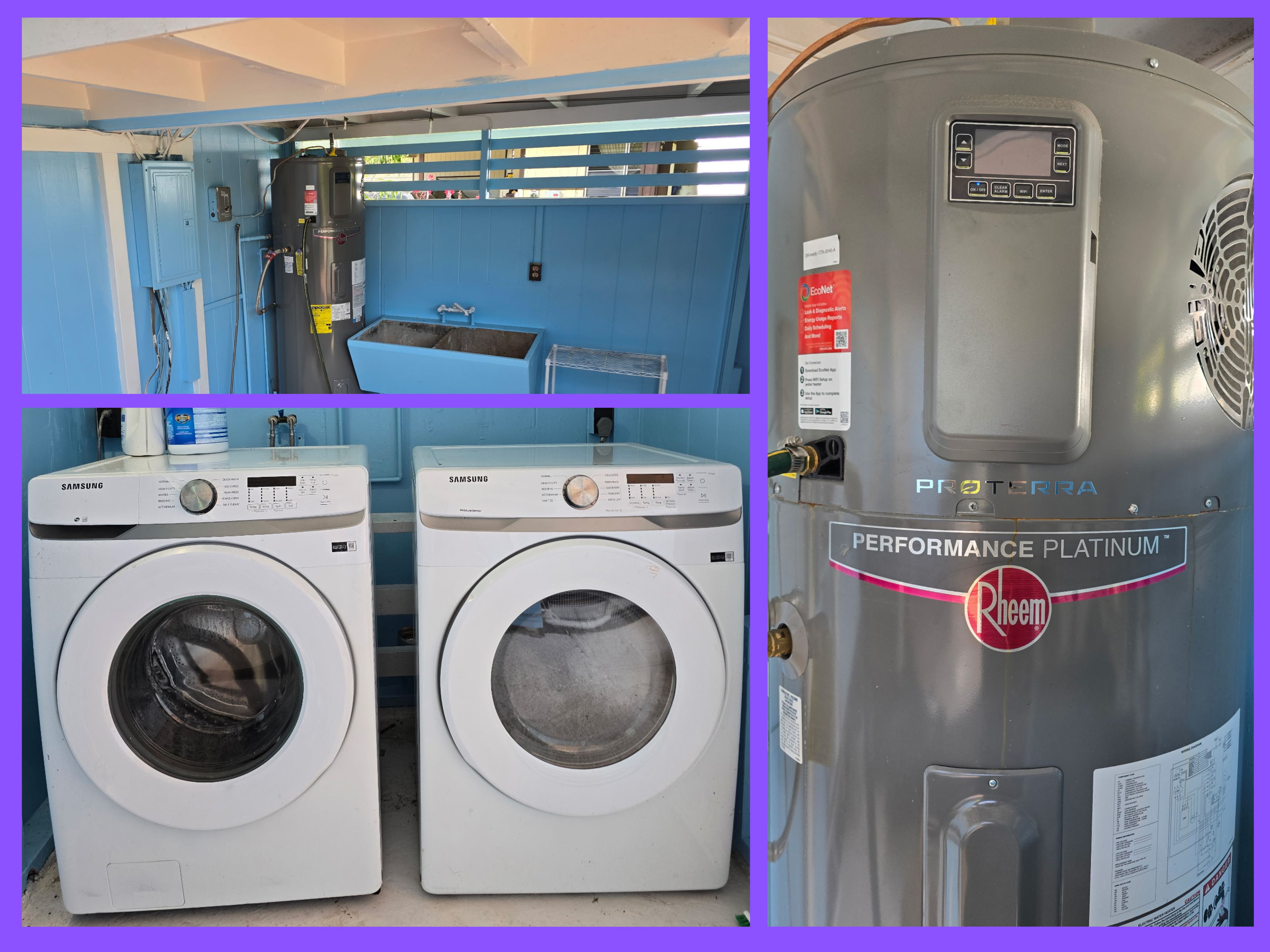
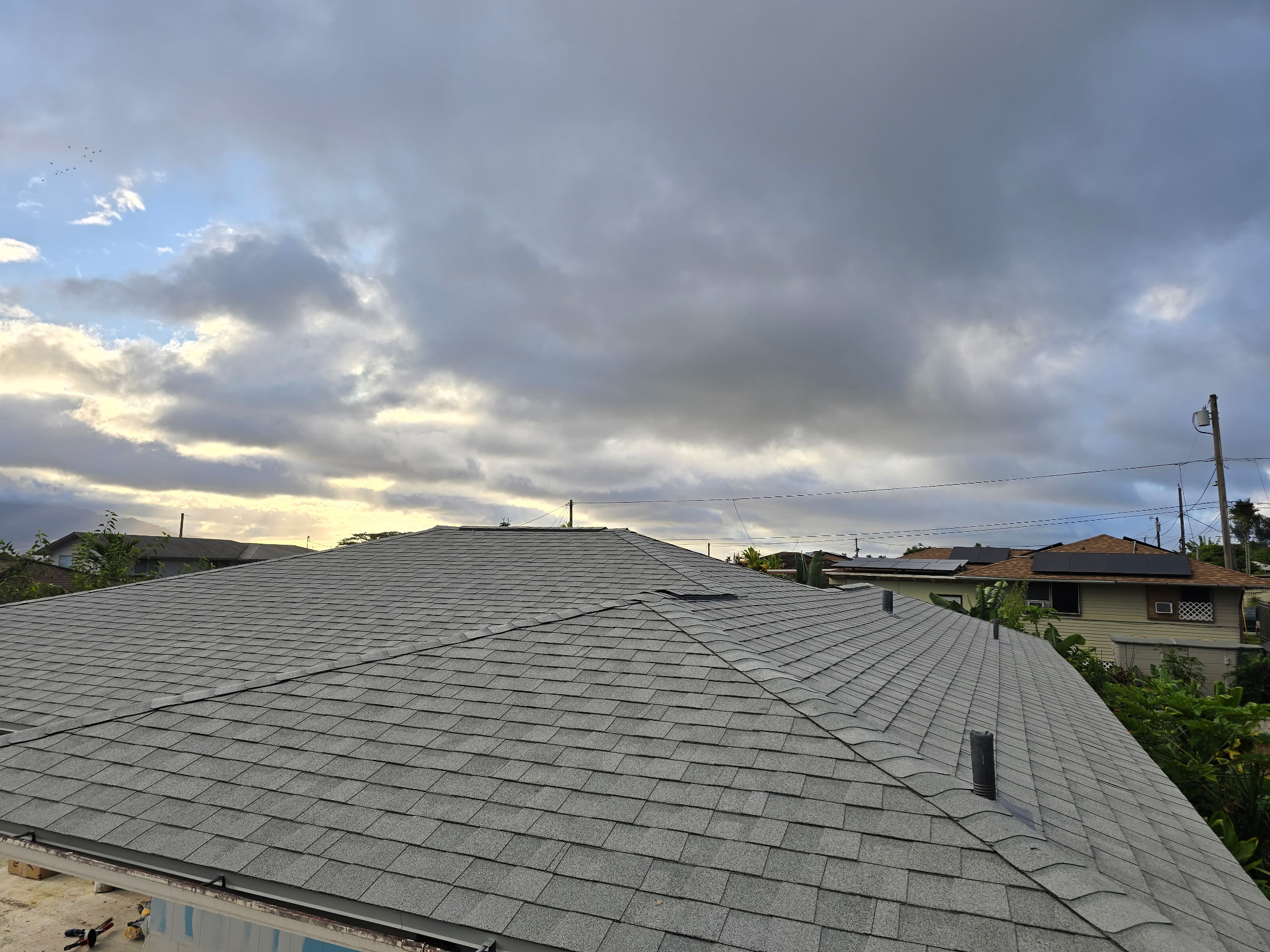
The home has been lovingly cared for with regular maintenance. Appliances have all been upgraded in the last two years. The roof was updated this year, and the home has fresh paint inside and out.

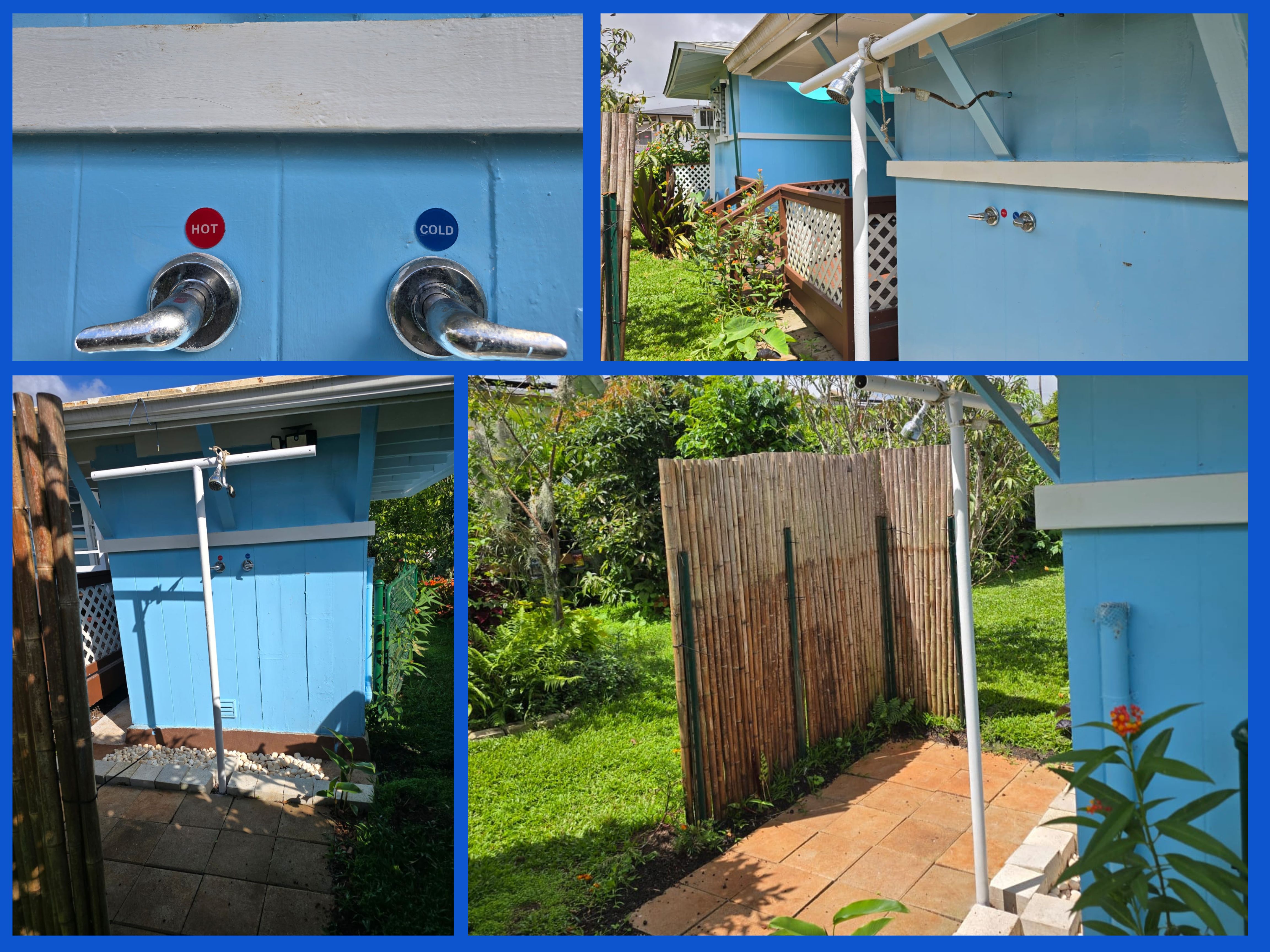
Some special features include an outdoor shower with both hot and cold water, a cement soaking tub for laundry, a carport for up to two cars, and a long driveway easement for added guest parking. A second set of washer/dryer hookups in the carport provides a 220 electrical outlet that could be used to charge an electric car. This cul-de-sac is quiet and peaceful, in a close-knit neighborhood where the children play together in the street. It is a rare oasis from the hustle and bustle of Oahu life.

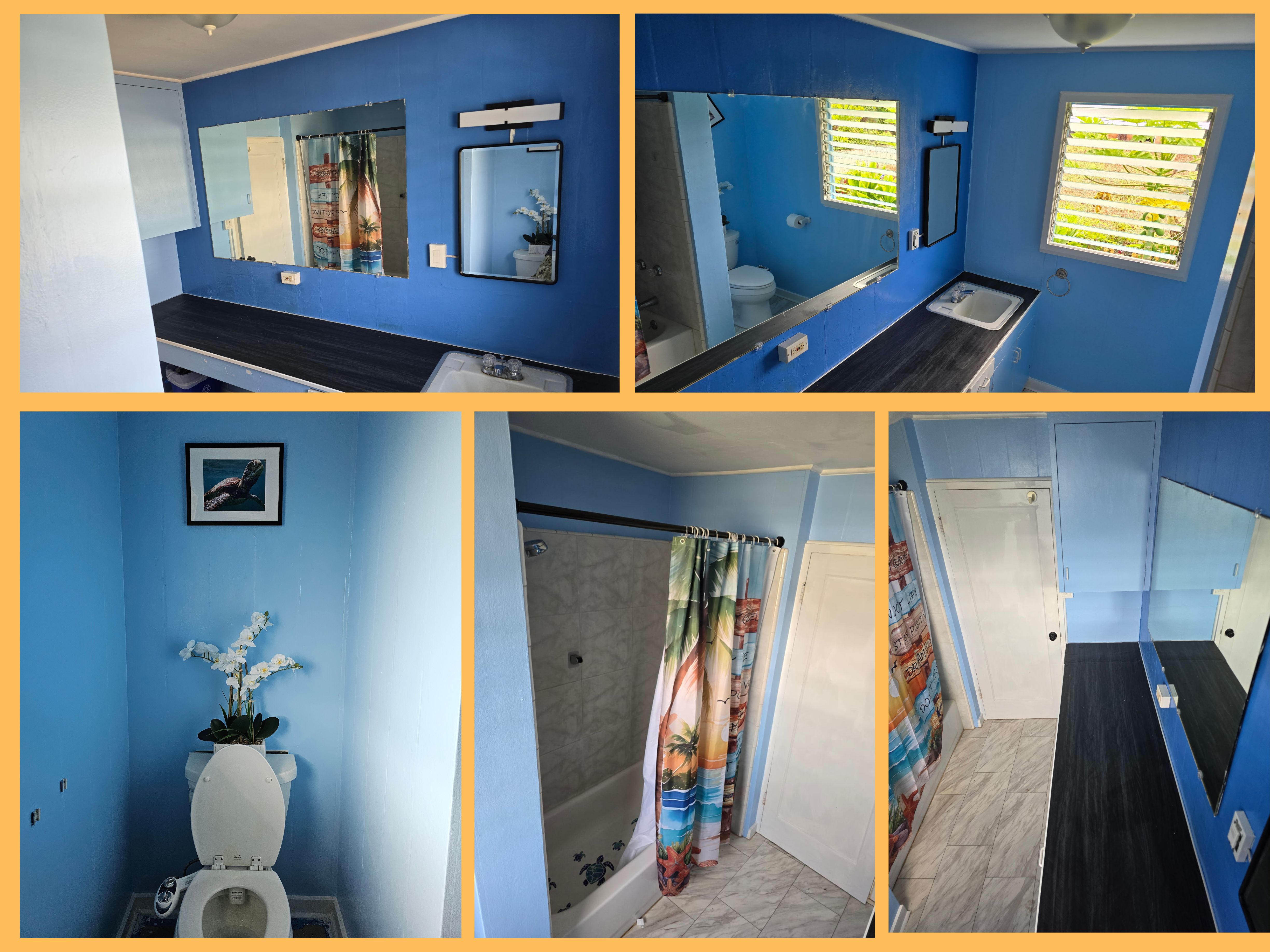
Newly Remodeled Bathroom

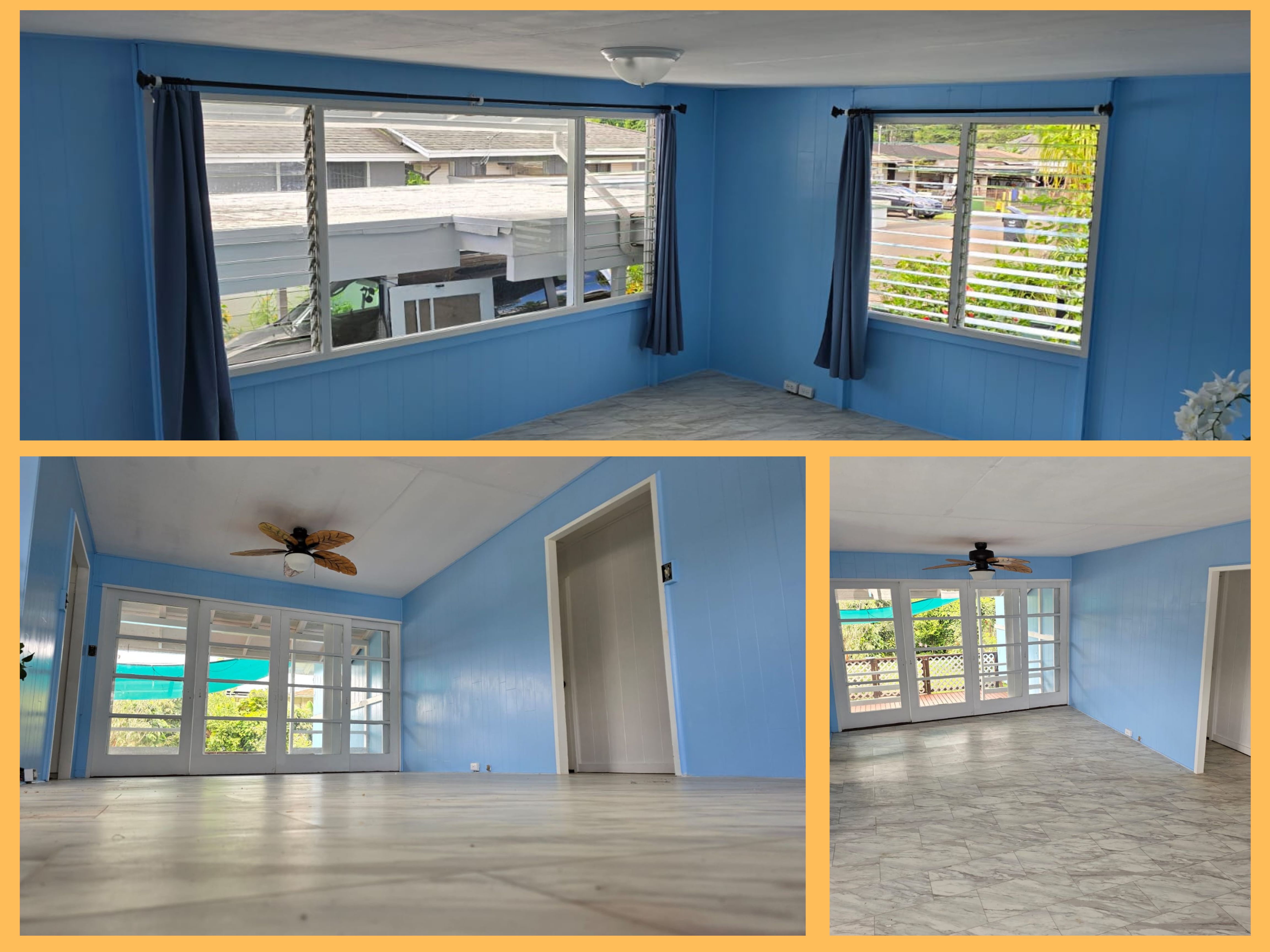
Living Room and Dining Room

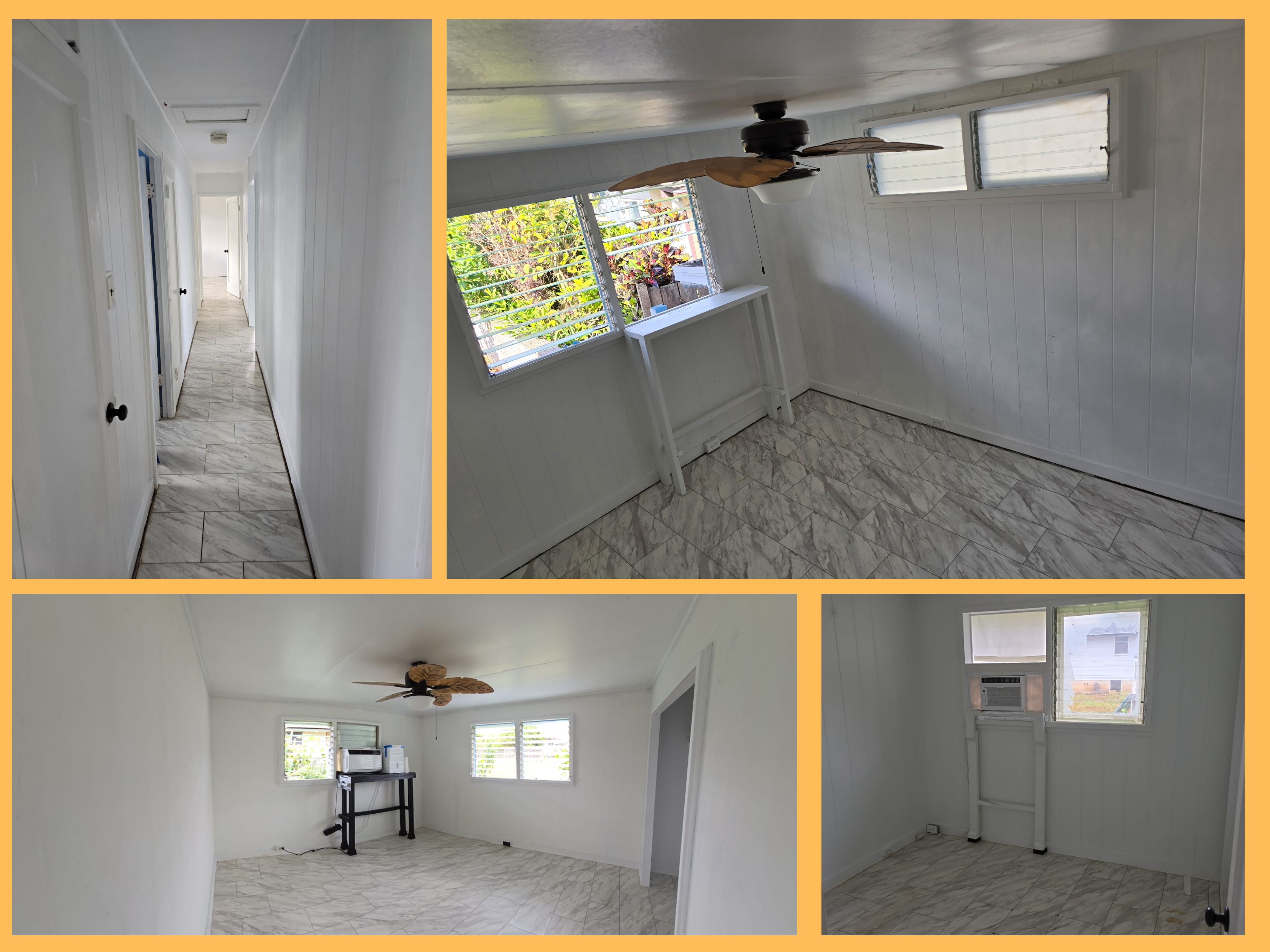
Three Spacious Bedrooms

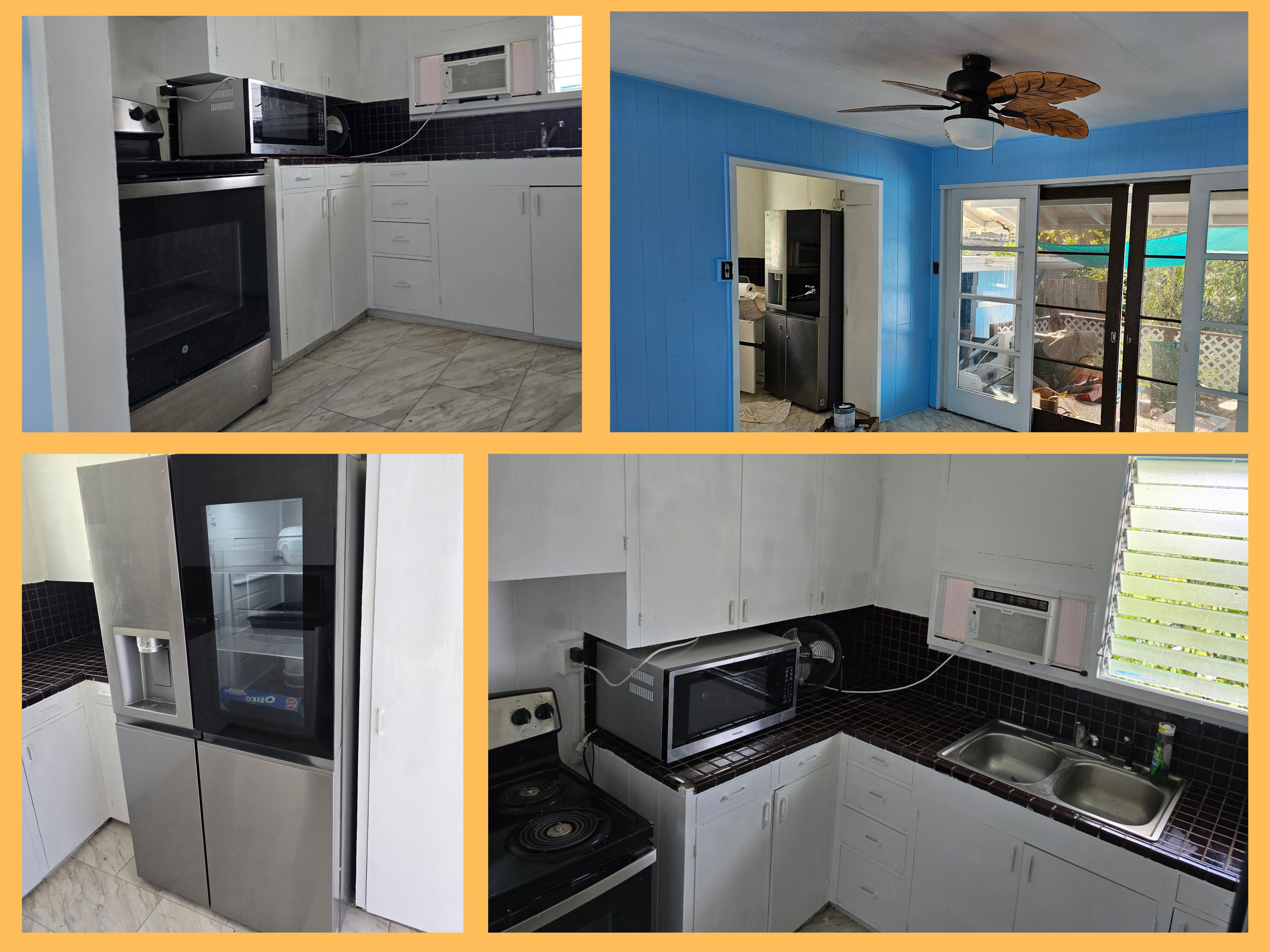
Kitchen

Laundry Room

Ohana Dwelling

Outdoor Shower

Some of the Back Yard

Some of the food from the yard

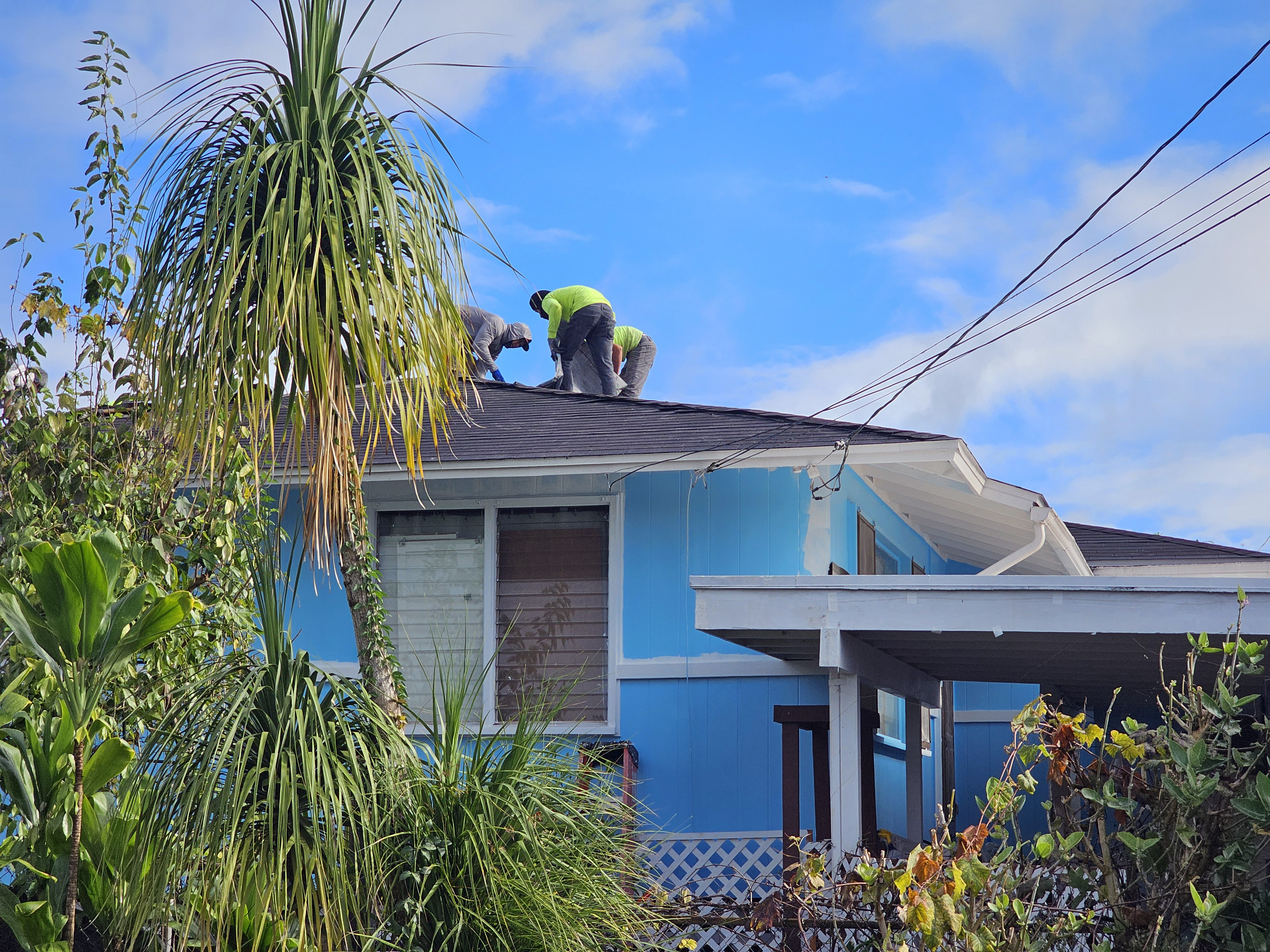
New roof being put on in January of 2025.

The new roof comes with a 7-year warranty from True Home, and I added siloxone sealant to it after it was installed to ensure that it would last a long time.

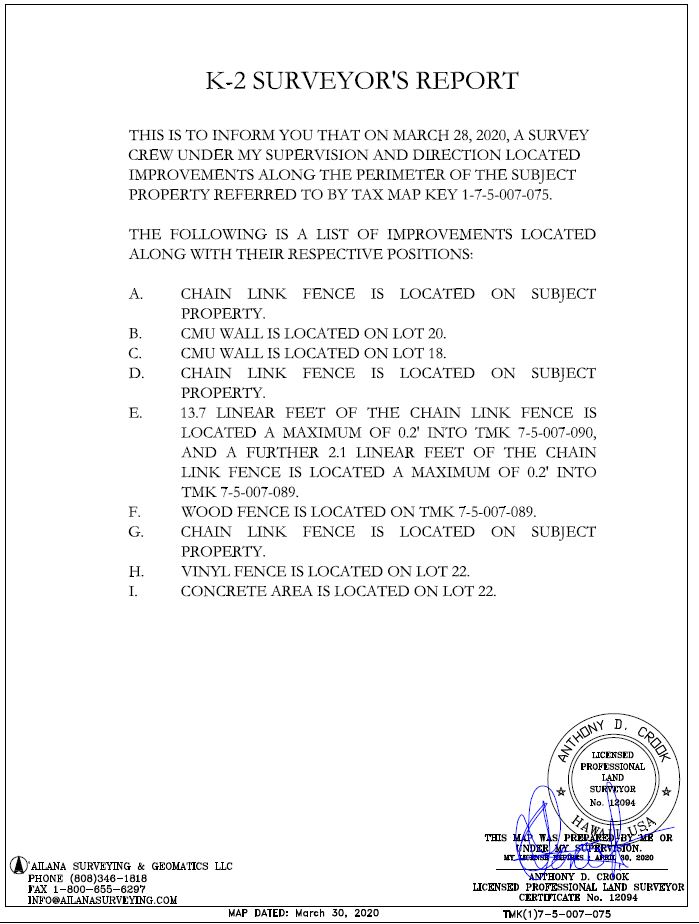
We also have the last surveyor’s report, and the stakes are still in place at the property boarders.

If Interested call Ray: (808) 495-1571

Wahiawa: Paradise on Earth. Just don’t tell anyone. It’s a secret.

The Big Move to the Big Island


The State of Hawaii (or the Kingdom of Hawaii, depending on who you ask) is made up of 137 islands, islets, and shoals. However, there are seven islands which are generally recognized as the main islands:

Hawaii (also called the Big Island), Oahu, Maui, Niihau, Molokai, Kauai, and Lanai.

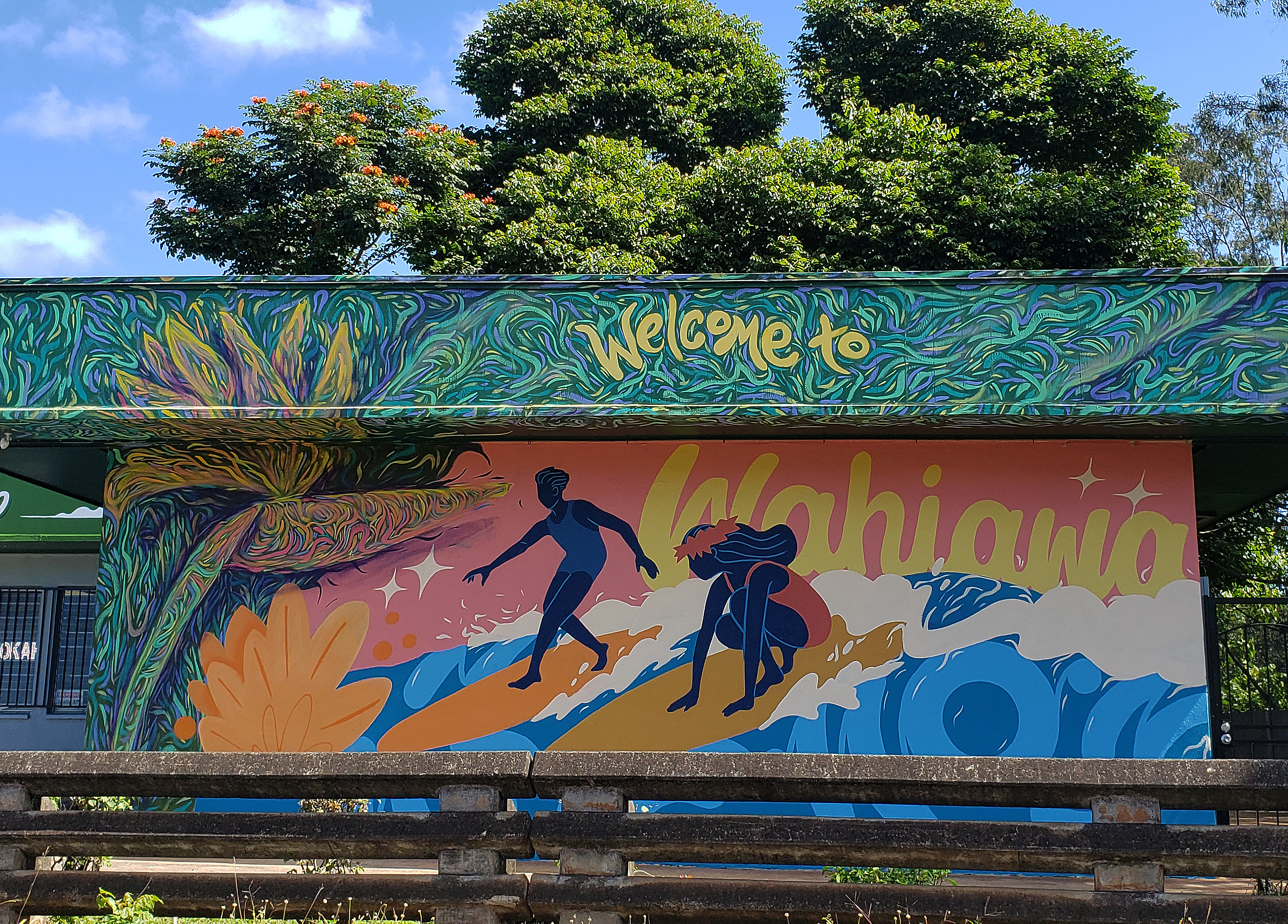
Though I have family on Maui, I have been living on the most populated island for the last seven years. Oahu was our home, and the town of Wahiawa was such a charming, wonderful community that we hated to leave.

However, Oahu is an expensive island. Not as expensive as Maui, perhaps. But, more than I can afford right now.

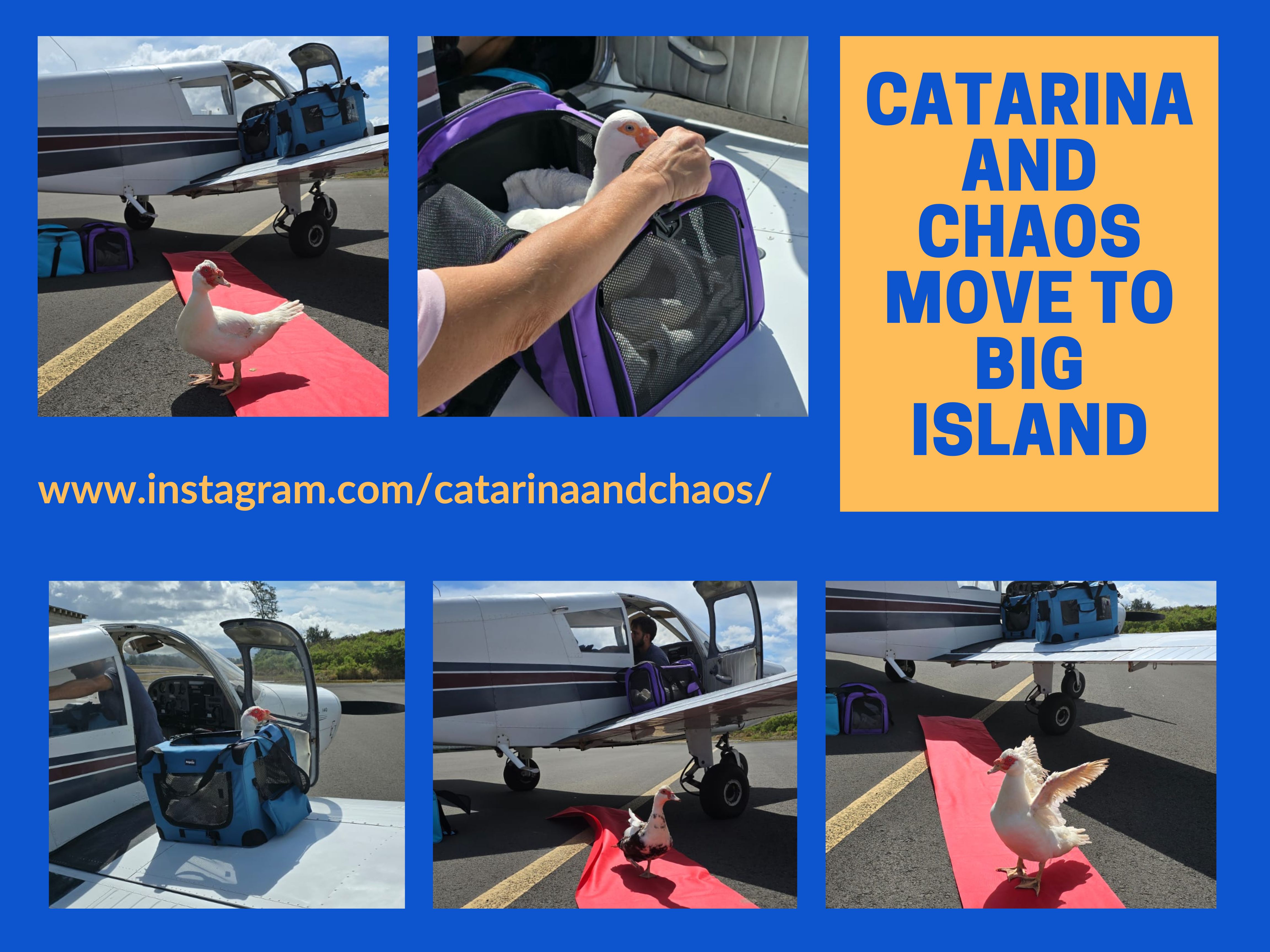
In search of a more affordable place for the flock and myself, we made the move to Hawaii Island, nicknamed “The Big Island.”


Hawaii Island is very large, which means land is more affordable. This isn’t without risk. After all, this is the island with the volcano on it. However, there should also be many rewards.

For the ducks, I am excited to spend time at less crowded beaches and rivers. It’s been very scary to have dogs sicced on us, have people attack us, and generally be subject to the lack of Aloha on Oahu. It’s the city island. You can’t go anywhere on the island and be alone. It’s expensive and crowded, and though many people there are kind, many aren’t.

For me, I am excited to have more job opportunities, more affordable housing, and a slower lifestyle like I lived in Guam.

I loved my garden in Wahiawa. I loved the weather and my bedroom and my job at the VA Pacific Islands Health Care System. But, change is a normal part of life, and you have to admit, it was unusual for me to stay in one place for seven years…

Here’s to the next adventure!


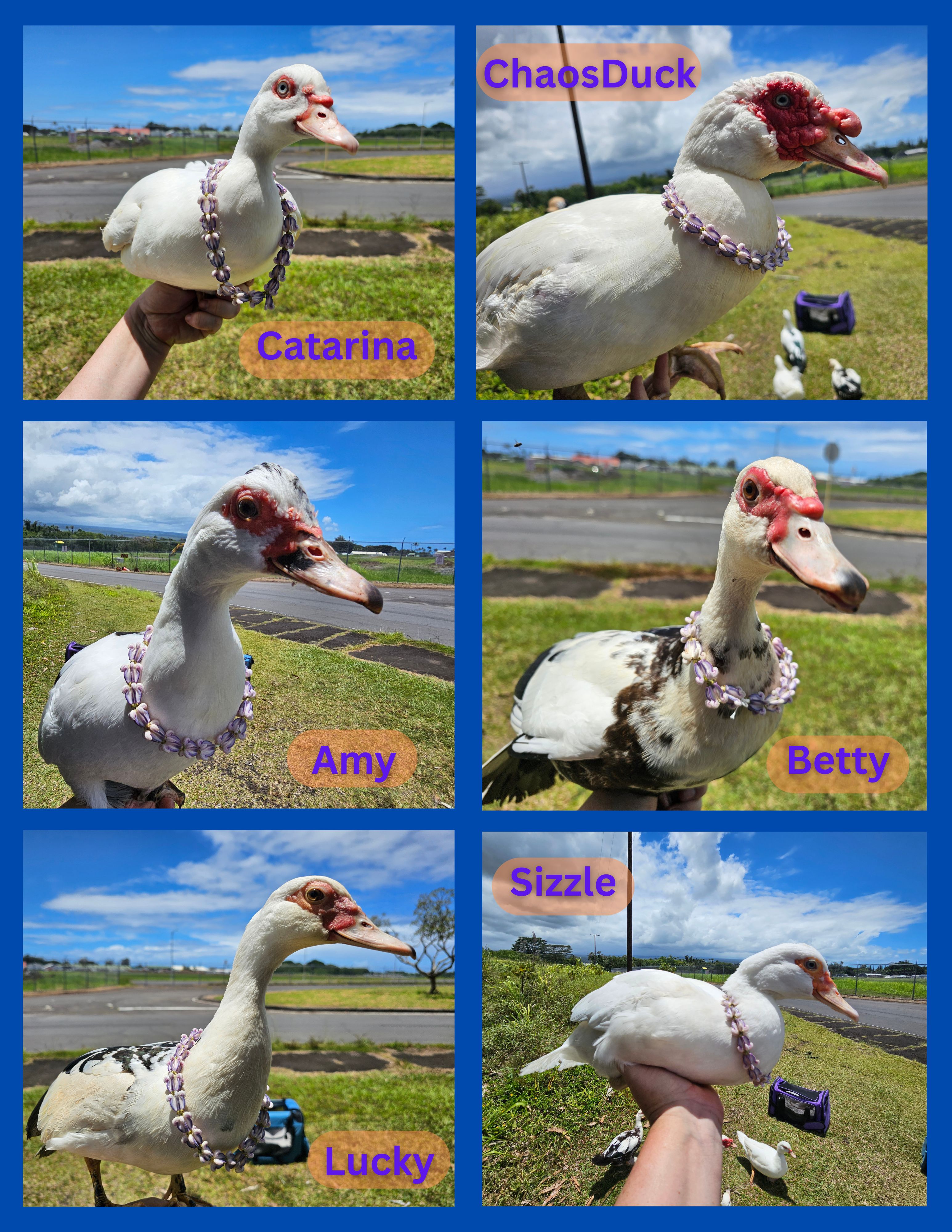
All the foster peeps were adopted, and it’s just Catarina La Pata Mascota, Chaos Duck, Amelia DuckPond, Betty DuckPage, Lucky Ducky, and Sizzle with me now.

Separating from the VA

I have loved working for the VA Pacific Islands Health Care System (VAPIHCS). It’s been a good job, and I was proud to do it.

Unfortunately, my time at VA has come to an end.

To say I will miss it is an understatement. I worked very hard, always got good performance reviews, and wrote many wonderful stories.

Here is one I wrote about our Center for Development and Civic Engagement.

While I worked at VAPIHCS, I had the opportunity to interview Veterans and write their stories, write station communications, and write for Dr. Adam Robinson, former Director of the VA Pacific Islands Health Care System, Retired Admiral, and 36th Surgeon General of the US Navy. It was an honor.

I also did social media management, wrote a weekly newsletter, and handled a variety of reports. It was all important, but my favorite part was the stories.

Some of my favorites were the stories I wrote about the Akana Family, the story about Ret. Col. Edna Higa, the story about Army Veteran Eugene Gold, and the story I wrote about Ret. Air Force Veteran Garrett Kuwada. Being trusted with those stories meant a lot to me.

As I leave, I will also miss many of my co-workers. I’d grown really fond of them over the years. I had hoped to have my job for a long time. Interviewing folks like Navy Veteran Roger Tandlsey was fun, and I have no idea what I’ll write about next.

There are a lot of big changes happening in my life, and I’m not sure what the future holds. But, I’ll let you know.


Meeting Vera Stone


Living in Oahu means meeting a lot of brilliant, varied, and entrepreneurial people. Recently, I met Vera Stone-Williams, co-owner of Military Stock Photography. Vera lives on Oahu’s famous North Shore. The community is tight-knit and friendly; mixed with business owners, surfers, environmentalists, and much more. The North Shore offers a plethora of interesting businesses, such as Fly Skyland Air and the Polynesian Cultural Center. Vera’s business is certainly niche, but it fills a need that not everyone might know about.

“Many companies want to advertise to the military,” Vera said. “When they use some stock photography businesses, they search for pictures of the military not realizing that it could be Russian pilots or Chinese soldiers that they’re looking at. With Military Stock Photography, they get American military photos, and with everything accurate.”

Being married to a Navy Chief, I can relate all too well with the experience of a service member sitting beside me watching a movie, TV show, or commercial and complaining about every small detail that is out of place. This patch is on the wrong arm, that ribbon rack isn’t organized right, or a hat is wrong for the uniform. He’s always annoyed by small inconsistencies that a civilian would never notice. Vera’s business produces content that my picky husband wouldn’t see any issue with, because great pains are taken to ensure that every uniform is correct, every haircut is in regulation, and every shoe and that matches the outfit it is worn with.

“Incorrect uniforms in ads targeting the military can actually have the opposite effect,” Vera explained. “If a business targets service members with ads where the uniforms are incorrect, it can make service members less likely to do business with them because they feel the company doesn’t care enough about them to get it right.”

Vera grew up in the Monterey Bay Area in California and got a bachelor’s degree in the Philosophy of Ethnic Arts from UCLA. After graduation, she moved to the San Francisco Bay Area, where she got into audio/visual work for TV. It was in the bay area that she met Hans Halberstadt, a writer and the founder of Military Stock Photography. He could tell that Vera showed promise, so he asked her to work for him. Vera loved the work, and so she stuck with Hans until her husband’s job took her to Oahu.

“At that point, Hans got me into writing books,” Vera said. “His publisher asked me if I would be interested, and I was. That started me digging into military history, to learn about things that most people don’t know. It was all fascinating.”

That digging led to two books: “WACs; Women’s Army Corps 1942-1978” and “WASPs; Women’s Airforce Service Pilots of WWII.” Many associate Oahu with the military because there are so many military bases on the island. It’s as good a place as any to go hunting for military history. However, it’s also a good place to raise children, which Vera also did.

“I admit, I did not have the easiest time making friends at first when we moved to the North Shore,” Vera said. “When I had my children and joined some parenting groups, that’s when I really started to meet people and become part of the community.”

Her children are grown now, and her son stayed and became a business owner himself, Hawaii Shark Encounters takes tourists on tours to see sharks. Vera continues to work with Hans at Military Stock Photography, and she hopes that the rise in AI images rife with inaccuracies will help highlight how important what she does still is. So many businesses like financial and educational services hope to get the business of active duty and retired service members. Having high-quality images with accurate military grooming, posture, and uniforms might make the difference between a service member choosing to buy their product, or to shun them for getting it wrong.

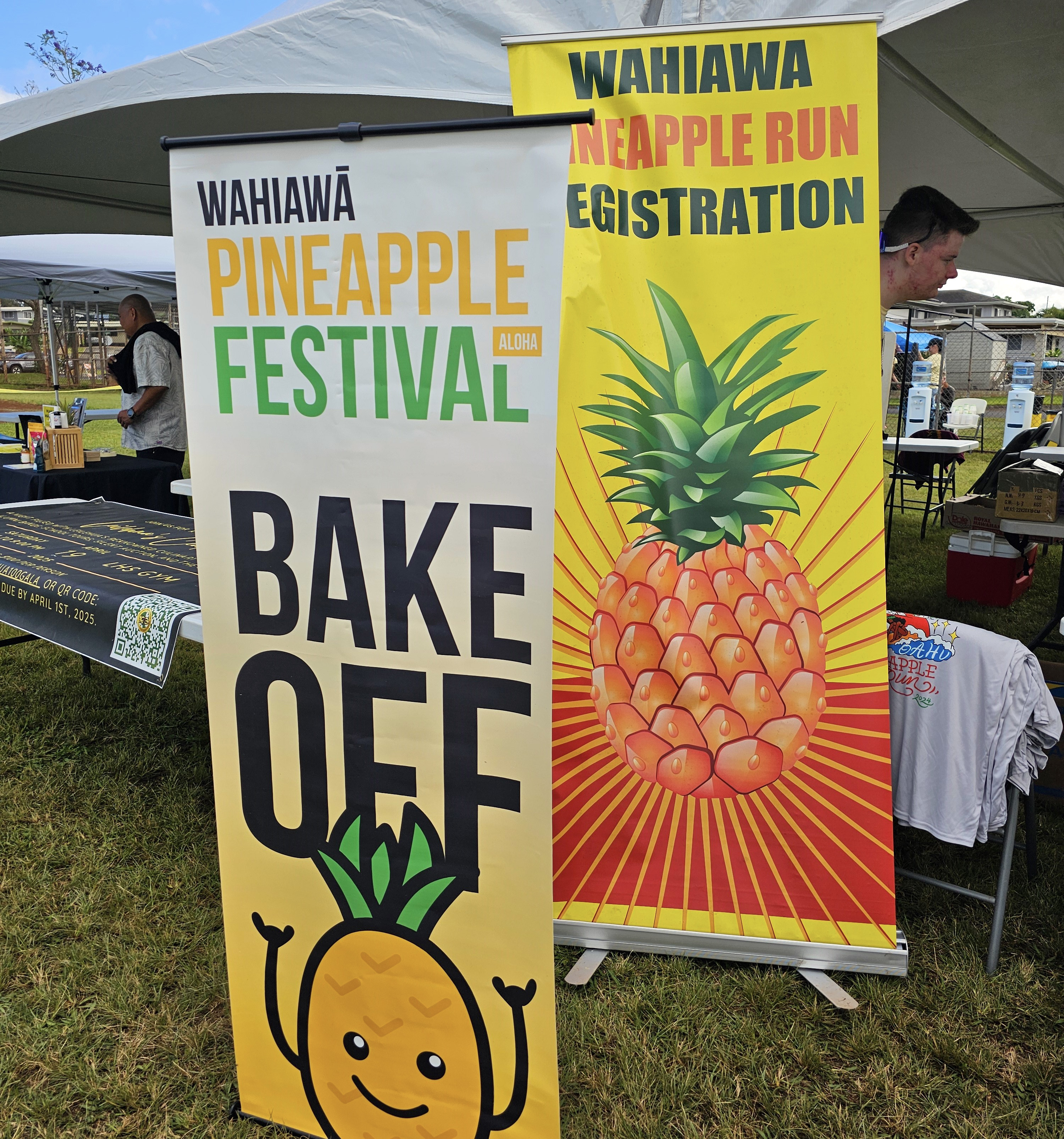
The Wahiawa Pineapple Festival


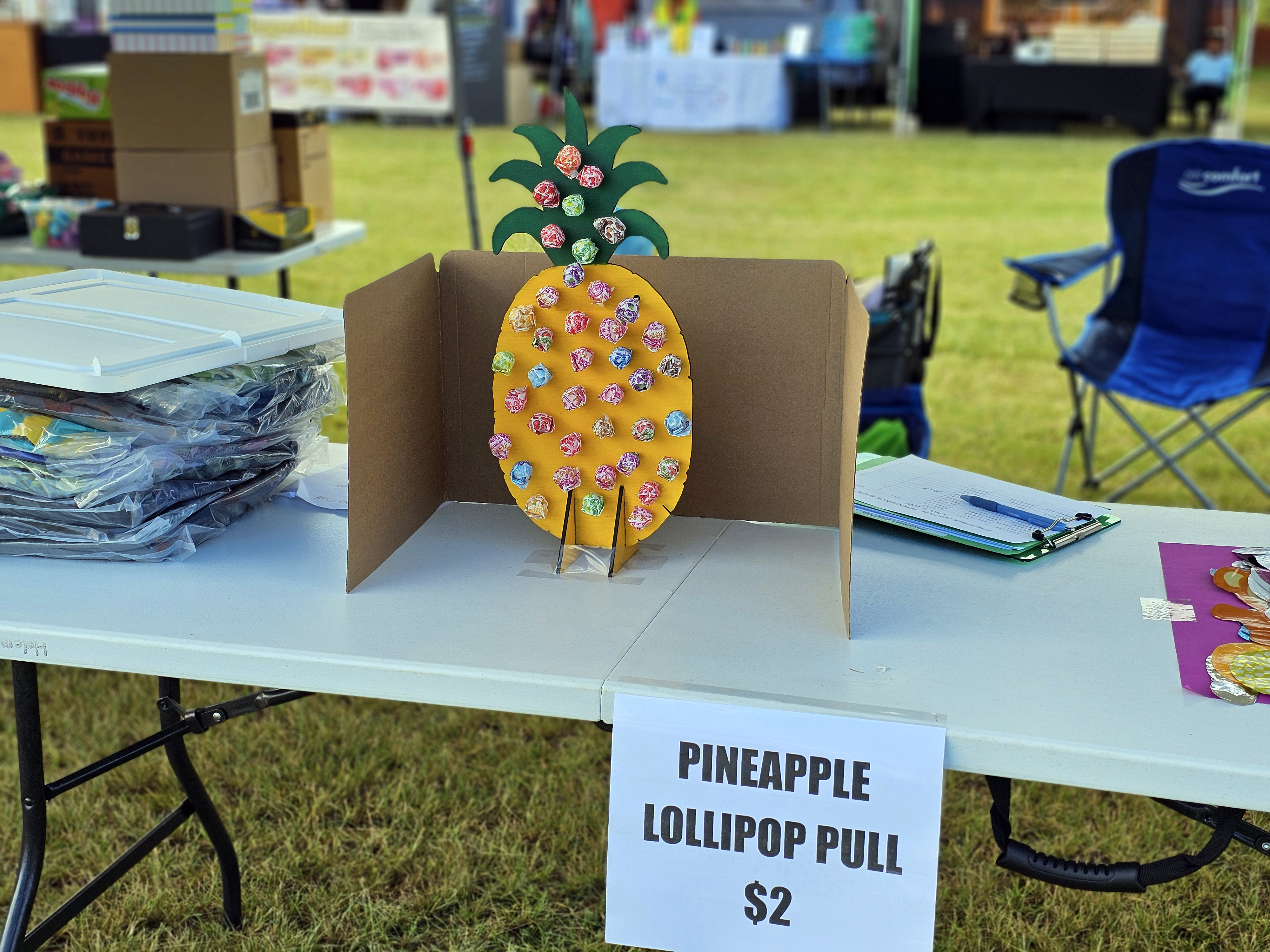
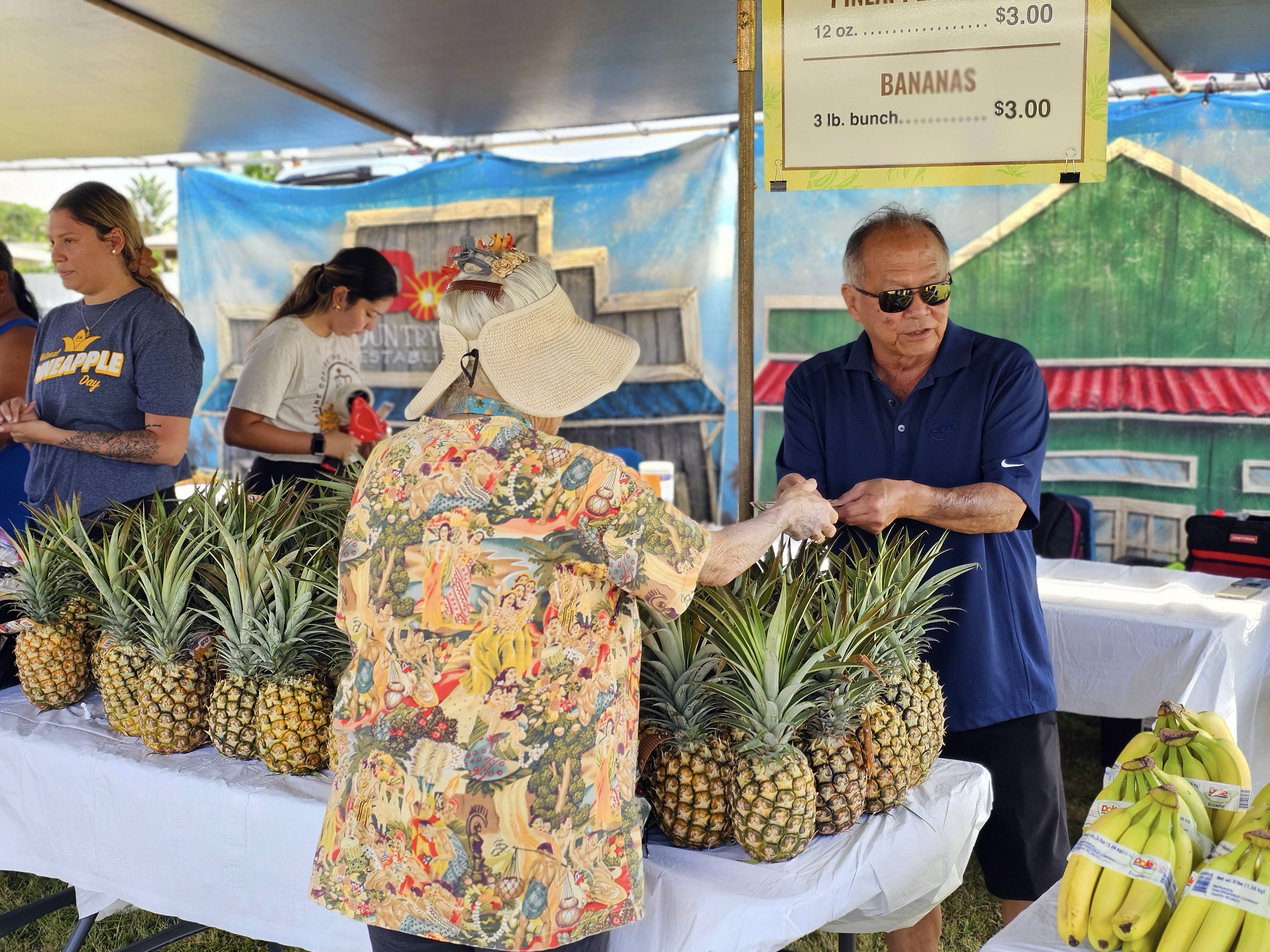
Pineapples are not from Hawaii, but don’t tell that to the residents of Wahiawa. In our town, this transplant is royalty. Every year, people gather to celebrate this South American fruit, and it’s close relationship with Wahiawa for more than 100 years.

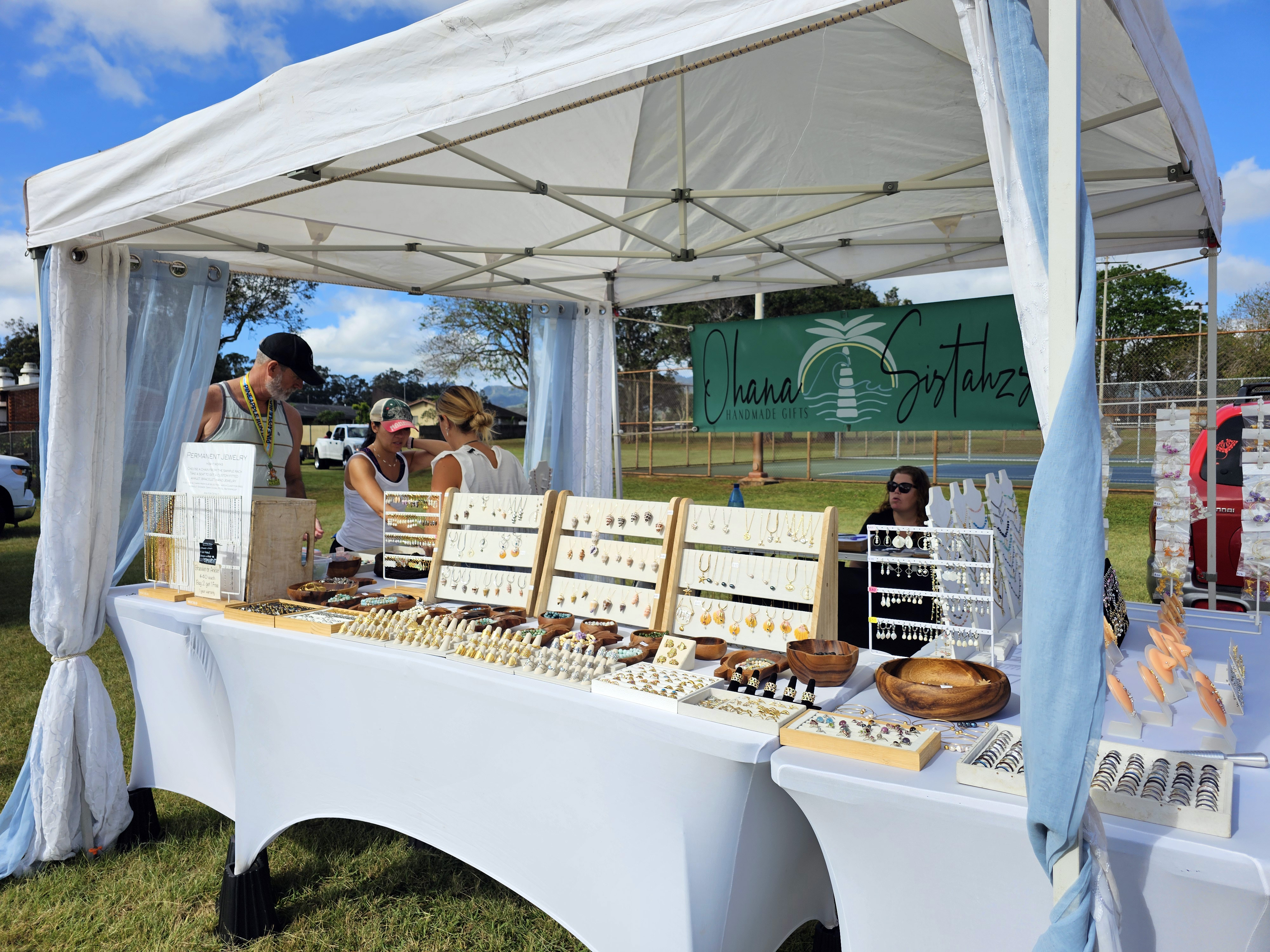
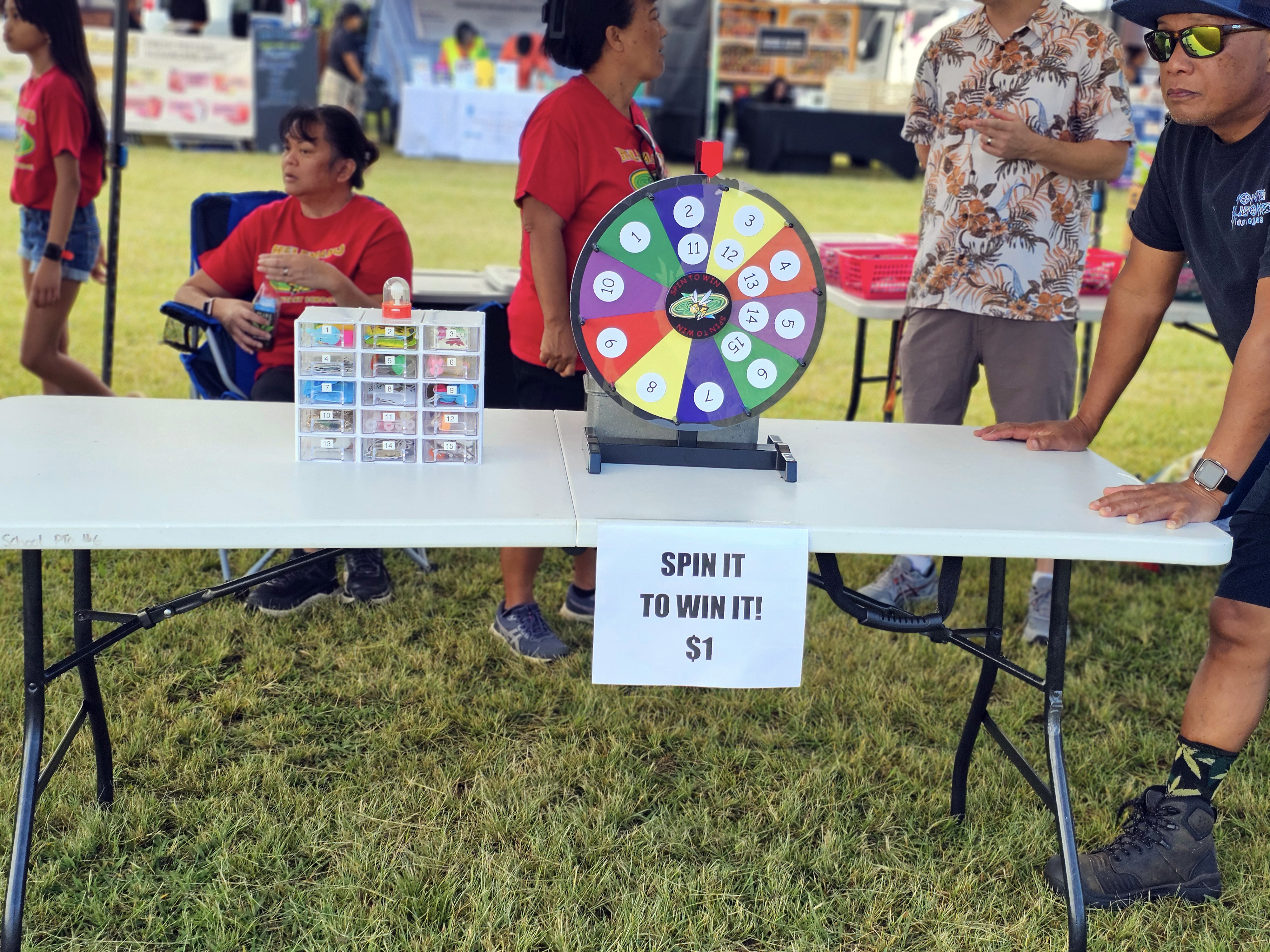
The name Wahiawa means “place of noise” in Hawaiian, and people certainly made some noise for the “Chee Hoo” competition, paper airplane throw, and other events. The Wahiawa Pineapple Festival has a very different feel than a Waikiki festival marketed to tourists. This is a goofy, small town event that shows off our town spirit.

Some say Wahiawa is nothing but tattoo shops, pawn shops, and smoke shops. They think of our town as a place of chain link fences and big dogs. Yet, when I look out at my street, I see the neighborhood kids playing. My mailman knows me as the weird duck lady. I’ve never had a package stolen off my porch. To me, Wahiawa is a safe place full of good people, and that is what you see on parade at the Pineapple Festival. Good -if mischievous and silly- people having fun.

The Pineapple Festival organizers hope to raise money so that our town can build it’s own museum. This land has been grazed by cattle, settled by strangers, used by royalty for battle training, and been appropriated by the United States federal government for military bases. We’re known for the Dole Pineapple plantation, but this place of noise has a long history that should be preserved.

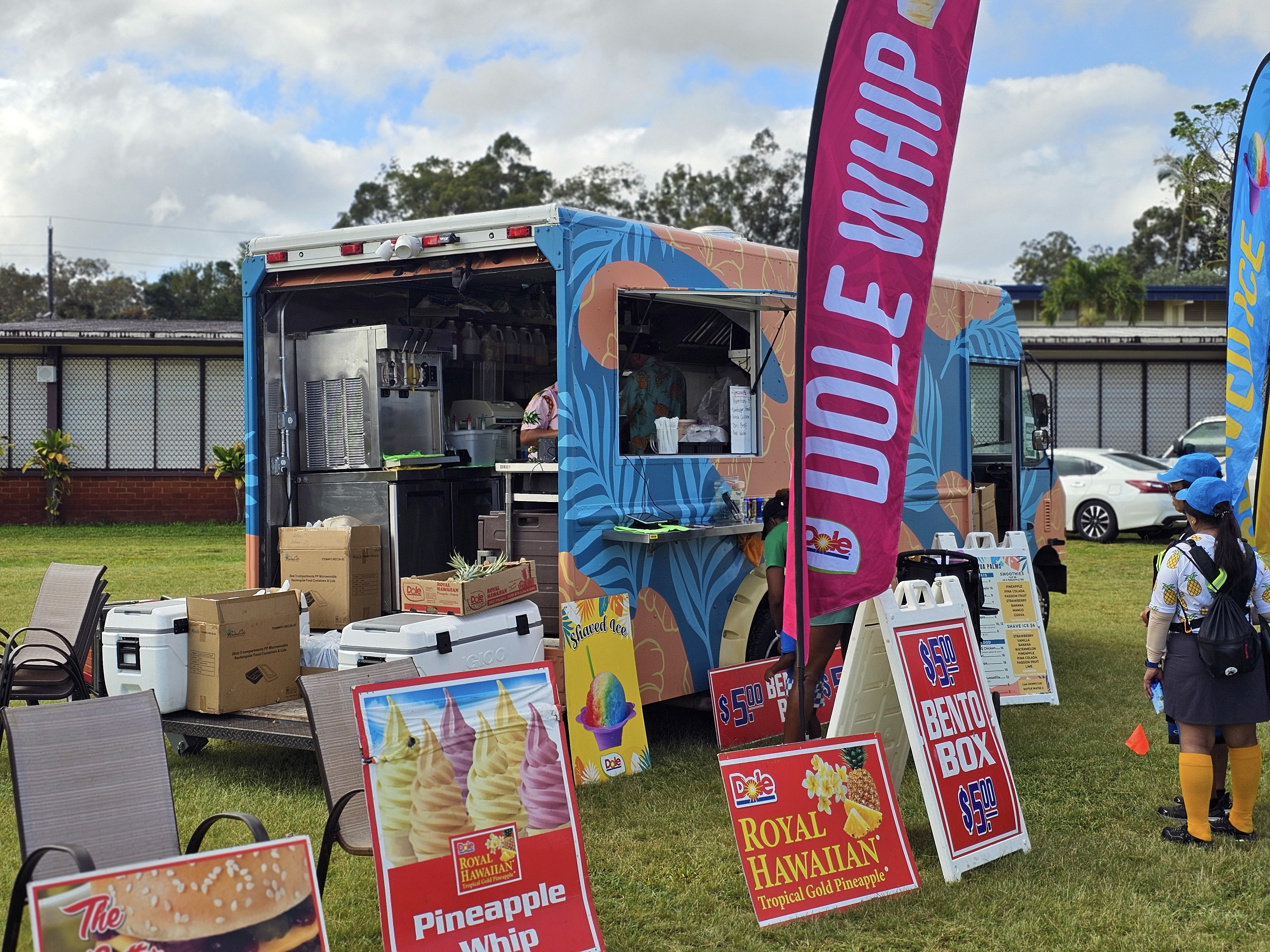
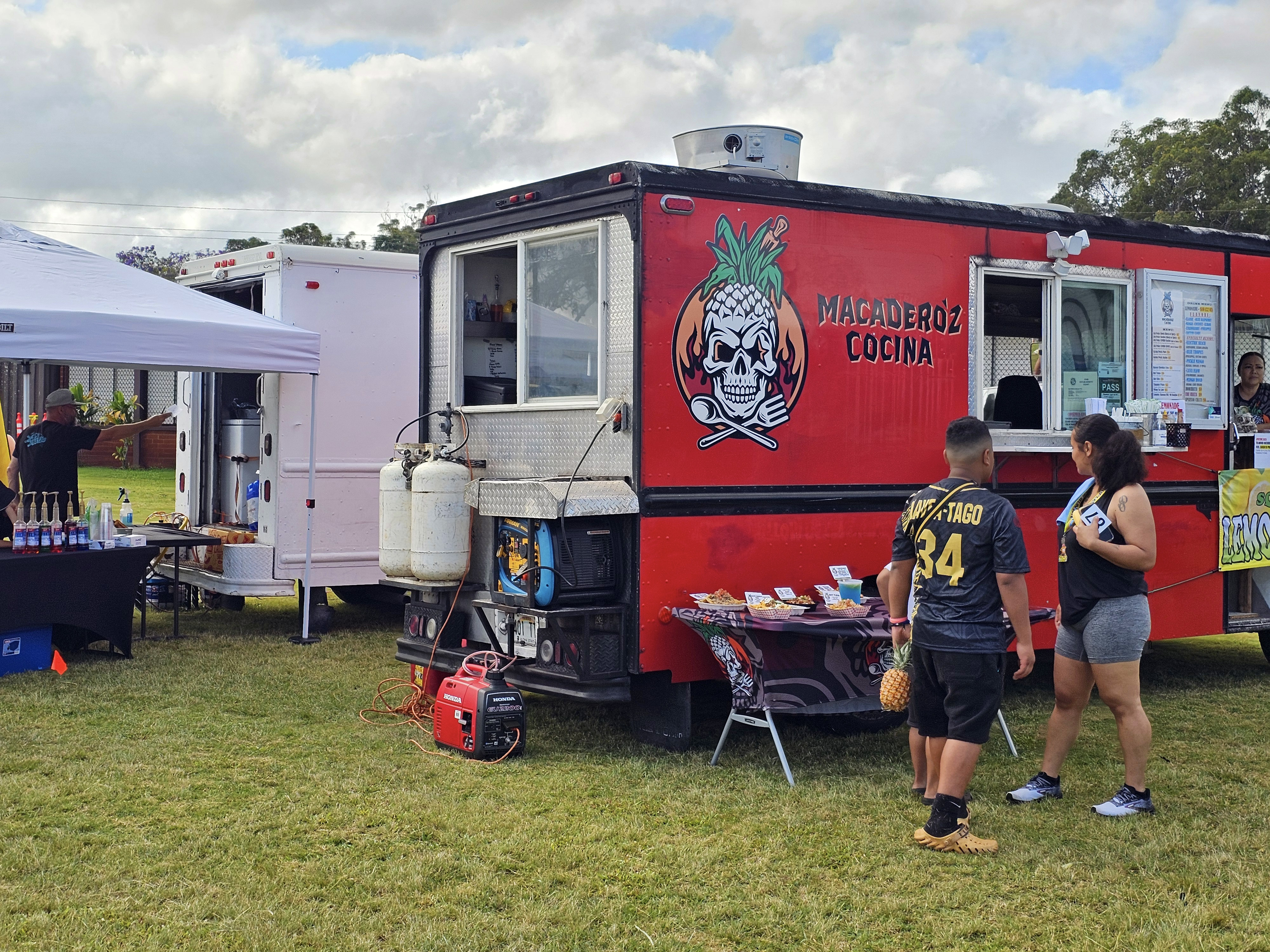
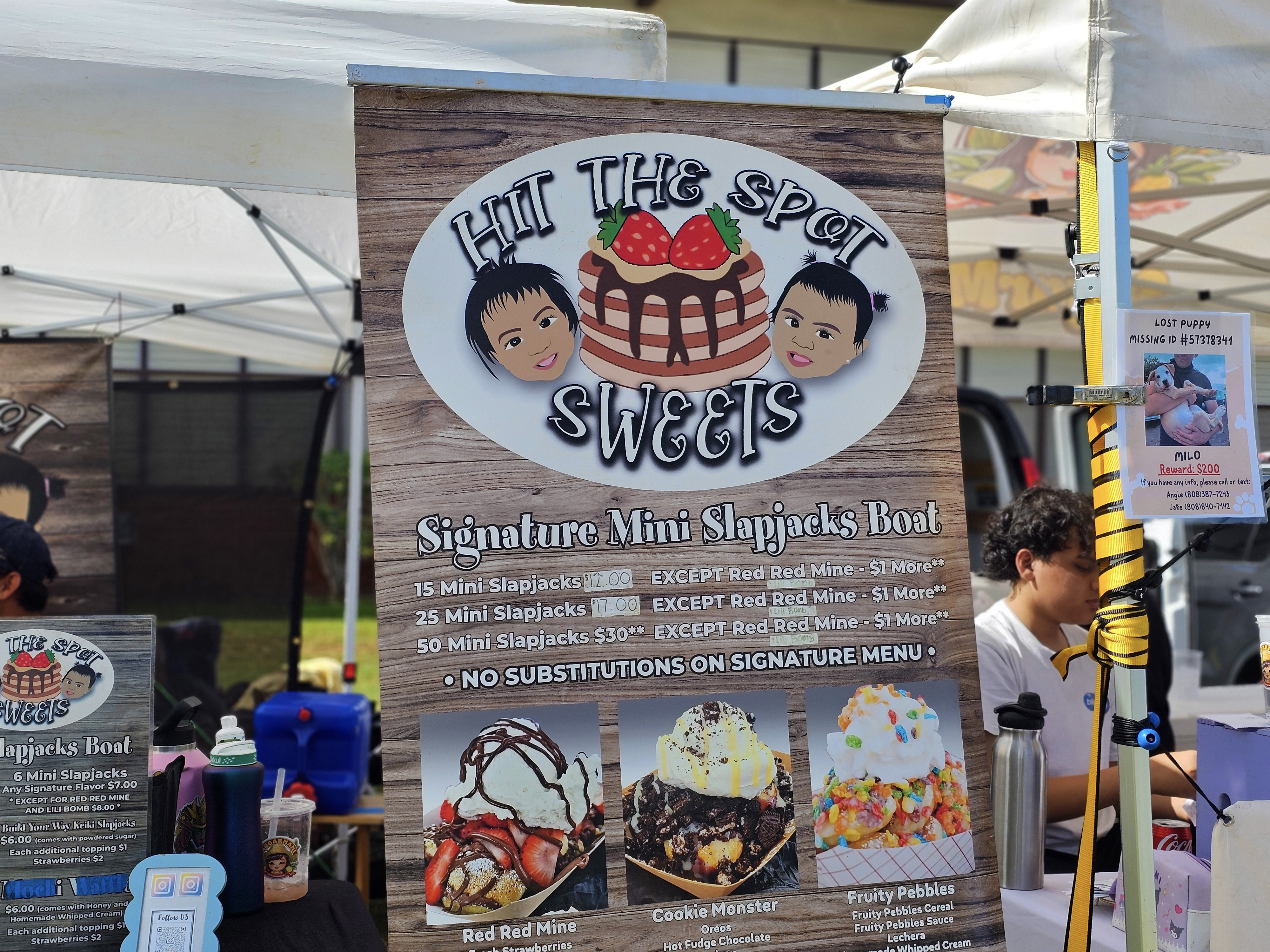
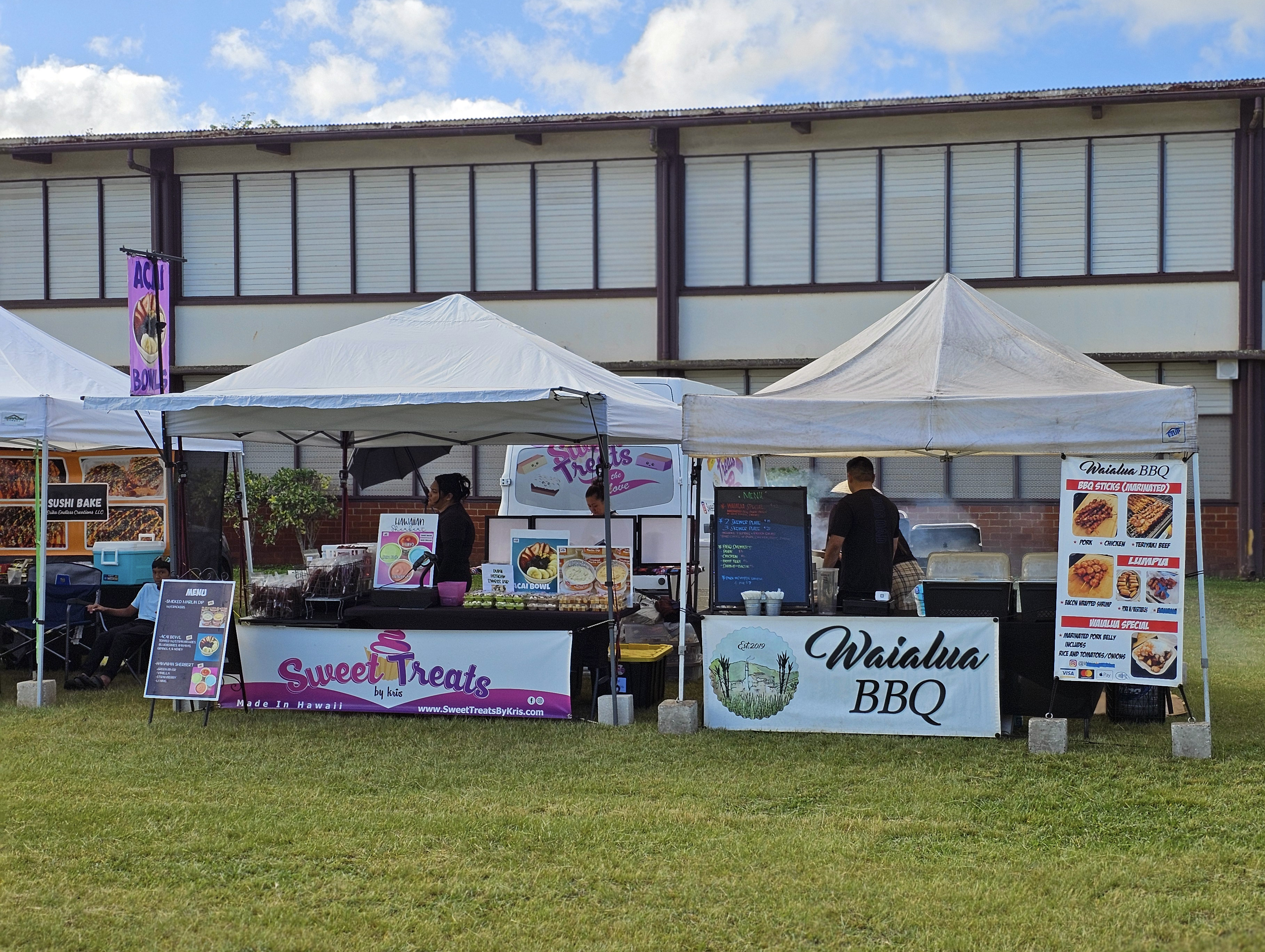
If you ask me, the main reason to go to the pineapple festival is for the food. I’ll be honest: I don’t like pineapples. (Sacrilege, I know.) However, Wahiawa has some of the best lunch wagons and restaurants on island. Our population is very diverse, and that means our food is the best of everywhere rolled up together from Japanese cakes to tacos.

Of course, we also have everything pineapple.


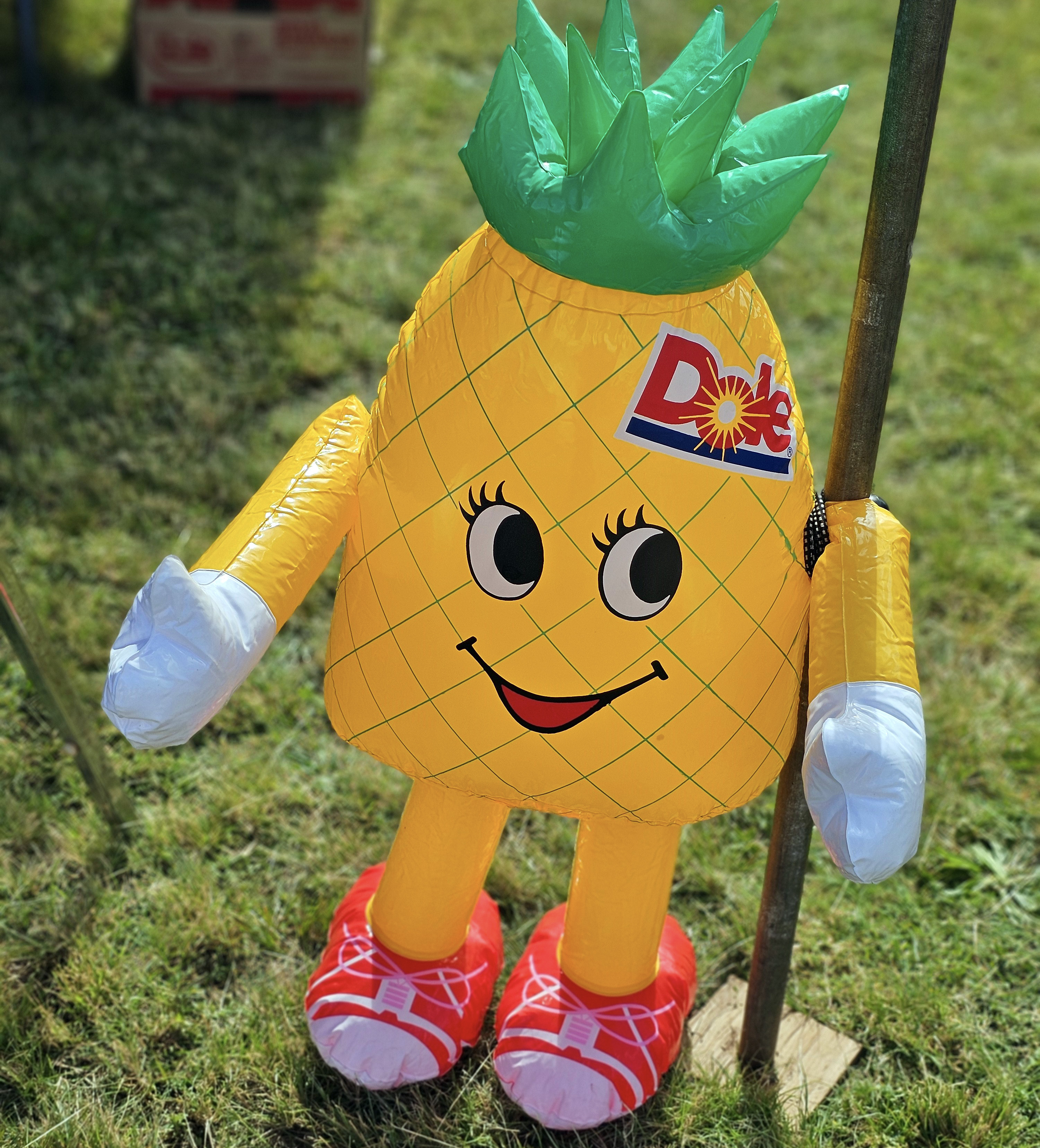
The Dole Whip is the star of the show. The popular confection is sold all year at the Dole tourist attraction.

Dole used to farm huge tracts of land so that pineapple fields stretched from the mountains almost all the way to the sea. Dole sold most of this land to farm pineapples in more cost-effective places. These days, they only farm enough land to support the tourist attraction, which is very popular with visitors.

It may be a small festival in a small town, but the Wahiawa Pineapple Festival really is a good time every year. I’d recommend it to anyone -islanders and tourists alike. The small-town feel is reminiscent of old Hawaii and echoes back to a simpler time when people got together to eat, laugh, and have a nice day with their families. There are things to buy, but that’s not what it’s all about. It’s about the games, the baking competition, and the local high school drama club doing interpretive dances (in full Goth regalia in spite of the heat). My family actually comes from Maui, in the Makawao area. But, I love living in Wahiawa and -if you ask me- it’s the hidden gem of Hawaii.