Invasive Species and the Consequences of Tolerating Them


In the Hawai‘ian Islands, there are many invasive species. Some, like the sheep and goats on Mauna Kea, have destroyed all the high-altitude forests that used to exist on that mountain. Others, like the pigs, spread Rapid ʻŌhiʻaDeath (ROD) and diseases that are communicable to humans.

Then -as impossible as it sounds- there are the domestic house cats taking out our Hawaiian Monk Seals. The massive habitat and species loss has led Hawaii to be known as the part of the United States with the highest extinction rate.

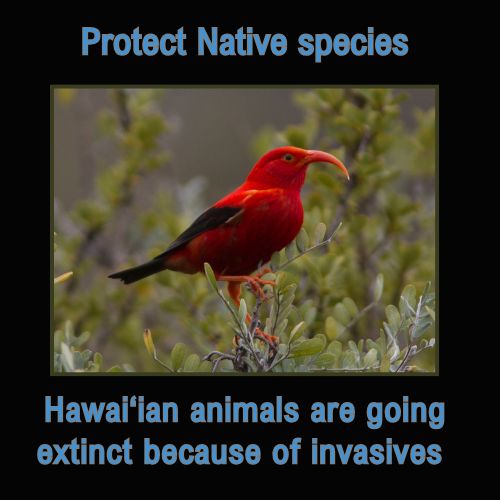
For example, in 2023 eight Hawaiian forest bird species were officially declared extinct. These included the Kauaʻi ʻōʻō, Kauaʻi ʻakialoa, Kauaʻi nukupuʻu, Kāmaʻo, Maui Ākepa, Maui nukupuʻu, Kākāwahie, and Poʻouli.

Sheep and goat populations can be controlled fairly easily because they intentionally avoid populated areas. This allows the Department of Land and Natural Resources (DLNR) to cull them from a helicopter. This helps control the populations, and the meat is always offered to hunters trying to feed their families.


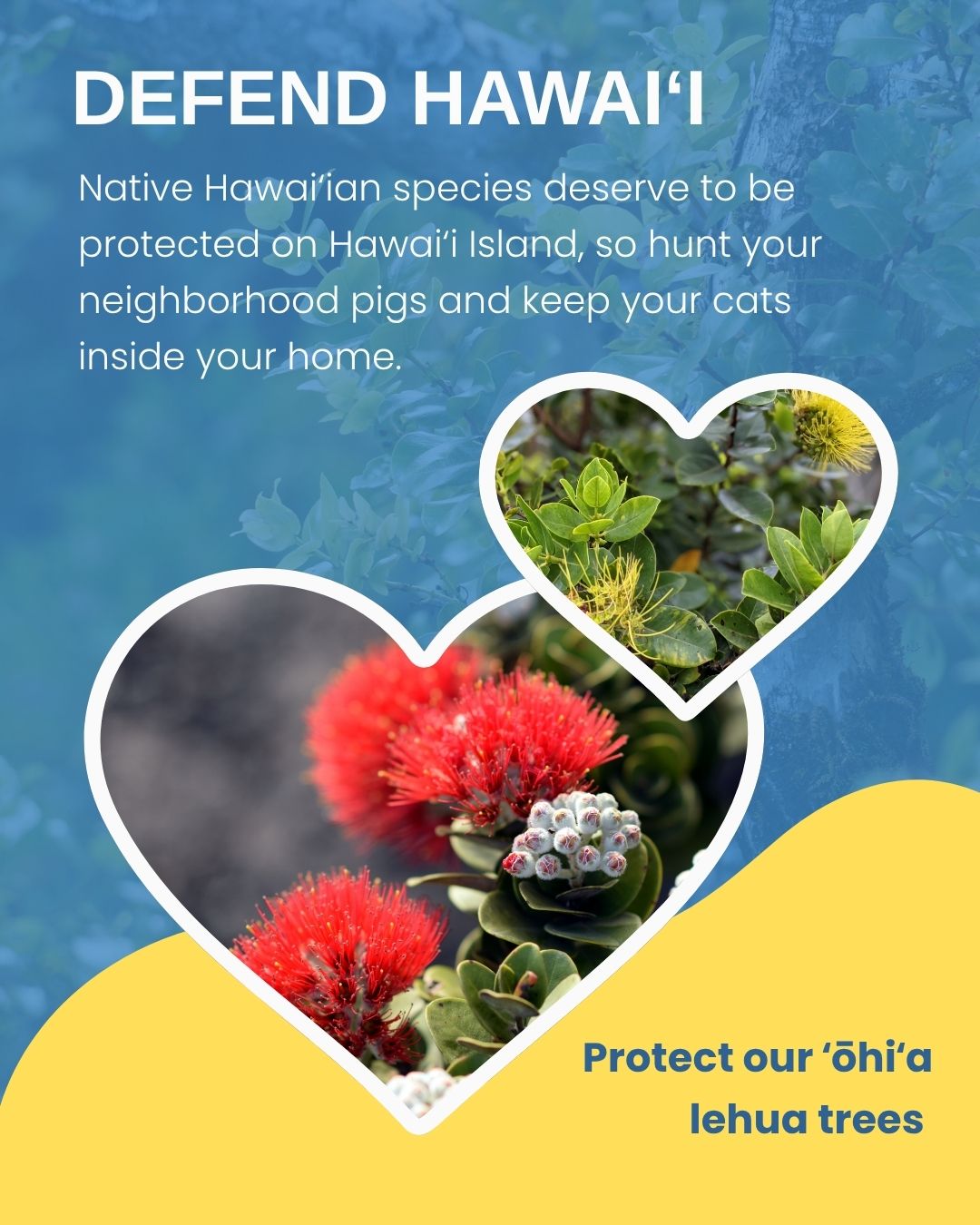
This kind of control cannot be carried out in populated area. Some animals -like the wild pigs- tend to live around humans. This means there is no easy way to cull them. The State of Hawaii has therefore made it easy for hunters to take wild pigs. Ungulates (hooved animals) are all invasive in Hawai‘i, but feral pigs have helped take down the majority of ʻōhiʻa lehua forests that once existed on Hawai‘i Island.

Feral pigs also spread Brucellosis, Leptospirosis, Roundworm, and Pseudorabies. This means they can cause huge disease outbreaks within populations of humans. They are a public health hazard, in addition to being a driving force for the extinction of Native Hawai‘ian plants and animals.

When it comes to domestic cats, people are often unaware of the damage they do. Unlike the feral ungulates in Hawai‘i, domestic house cats have never caused the death of humans. They don’t cause car accidents or spread disease that humans can get. This often makes it easy to forget how harmful they truly are.

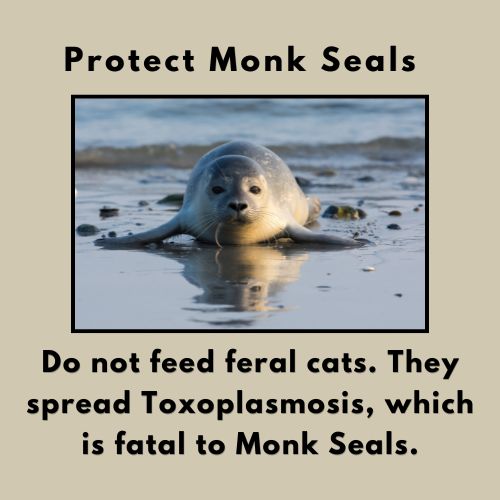
Cats in Hawai‘i often carry a disease called Toxoplasmosis. It’s not fatal to cats, but it is fatal to Native Hawai‘ian Monk Seals. Cats love to bury their waste in the sand, along riverbanks or at the beach. This waste has Toxoplasmosis in it, and when water brings it to the ocean, the seals are infected. Even when it’s caught early, state vets have been unable to save infected seals. Diseases behave differently in every species. In Monk Seals, Toxoplasmosis is deadly.

It gets worse. The invasive feral cats in the Hawai‘ian Islands pick up diseases like Pokémon. For example, Feline Leukemia Virus (FeLV) and Feline Immunodeficiency Virus (FIV) are highly contagious and infect a high percentage of feral cats Hawai‘i. They also carry Roundworms, hookworms, and tapeworms. In the Hawai‘ian Islands, feral invasive cats also often spread mites and other small parasites which are transmissible to domestic pets and humans.

The bottom line is: The modern domestic house cat descends from a proud lineage of domestic cats native to Egypt, Israel, Jordan, and other Middle Eastern countries. They are native to a desert environment where very few parasites can survive, and are not good at fighting off worms, mites, and other parasites and illnesses. In a place like Hawai‘i where the temperate climate allows for the survival of every parasite, disease, and bacteria to thrive, cats are -sadly- incubators. They become miserable and diseased quite quickly.

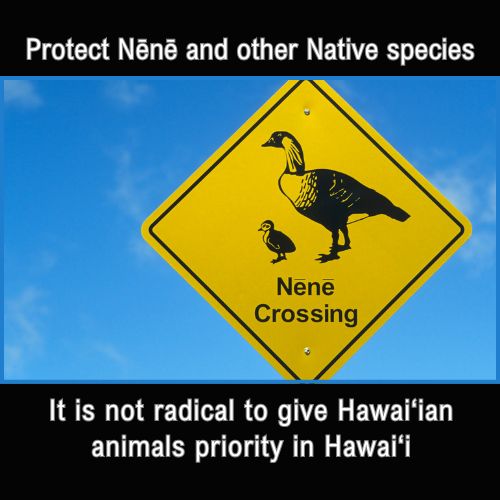
And remember, all these invasive animals aren’t just miserable outside the environments they come from. They are also destroying the ecosystem that they are in. The Hawai‘ian Islands play host to a wide variety of invasive species, and this is the direct cause of our extinction crisis. It’s extremely important that we do something about this problem, because if we don’t eliminate the feral invasive animals in our midst, we won’t have any Native Hawai‘ian species left to protect.

Speaking on behalf of the sea turtles, the monk seals, the honeycreepers, and the ʻōhiʻa trees, it’s time we do more to eradicate invasive animals in the Hawai‘ian Islands.
A Year’s Gone By

It didn’t sneak up on me the way time sometimes does. When I passed the one-year anniversary of my move to “The Big Island,” it very much felt like it had been a year. A long year.

Usually, I am better at keeping everyone well-informed. I’m sorry that I haven’t send birthday cards, posted blogs, or even been on Facebook very much. What can I say? It’s been a busy year.


At first, I was staying in Makoa Kabin, which is in a place called “Fern Forest.” It was perfect for the ducks, and even had a coop for them. Of course, it was expensive, so I found myself looking for more affordable options. Renting with ducks is hard, and we had to move three times before the house on Oahu sold, and I found and bought a house on this island.

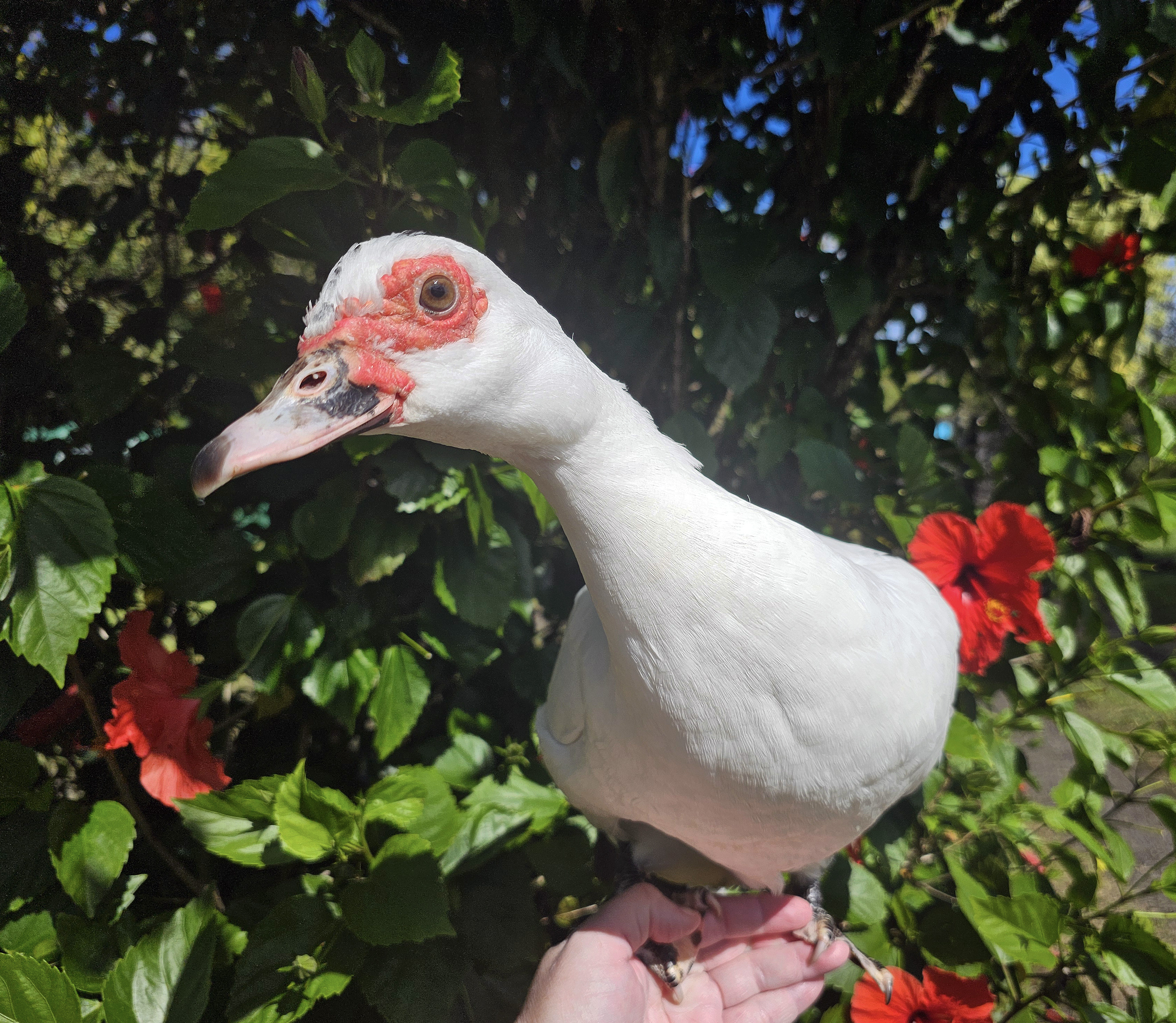
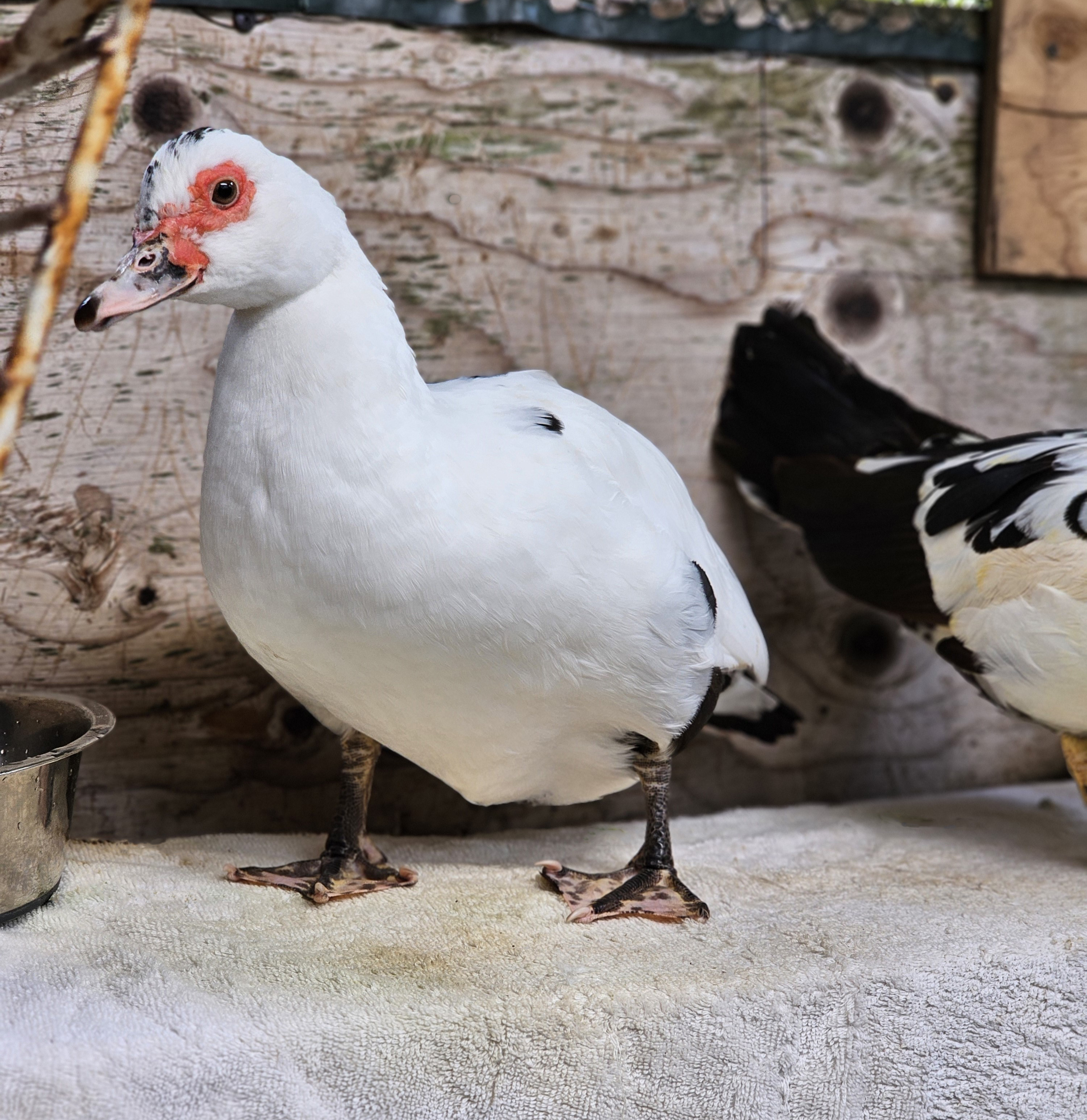
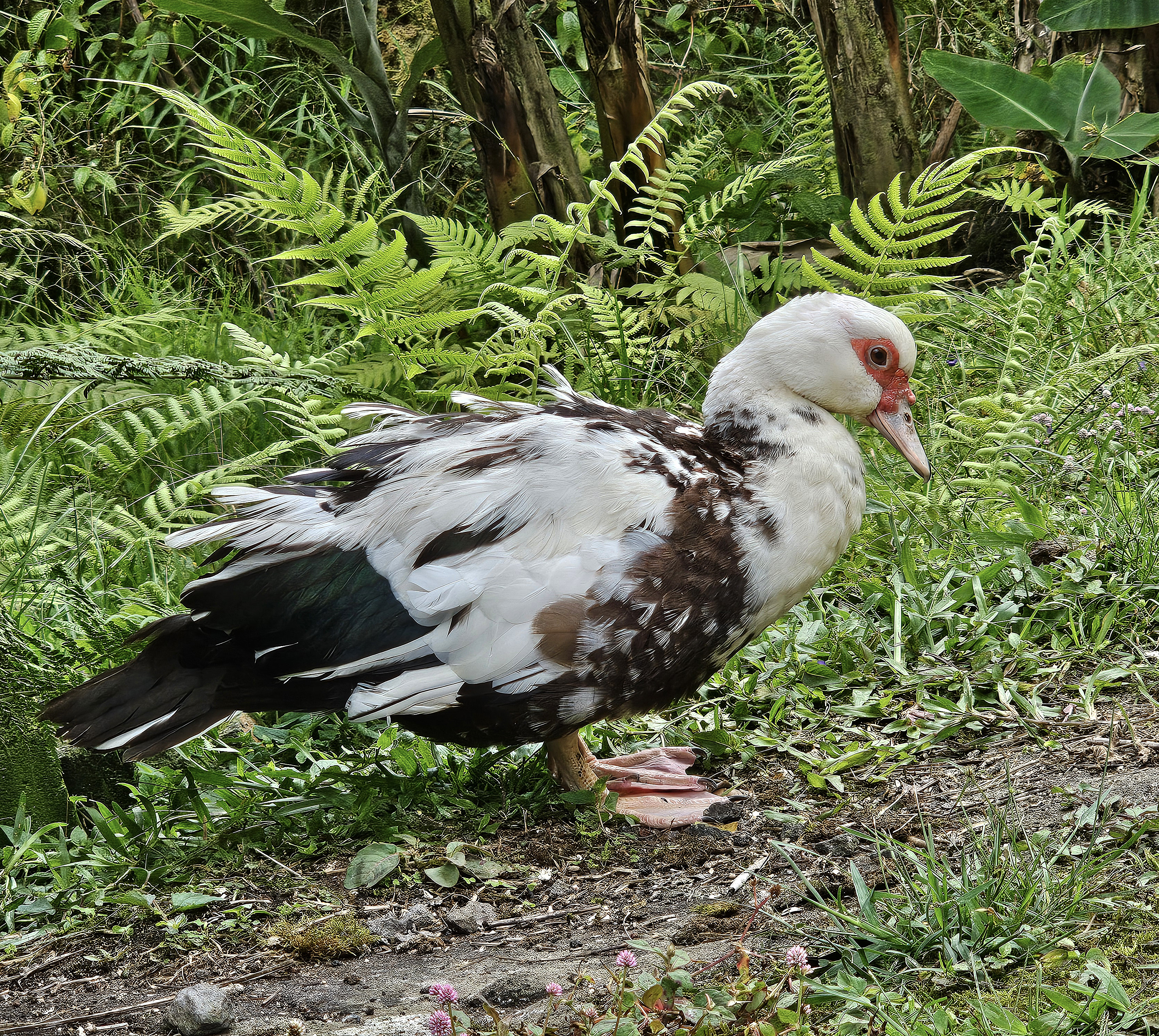
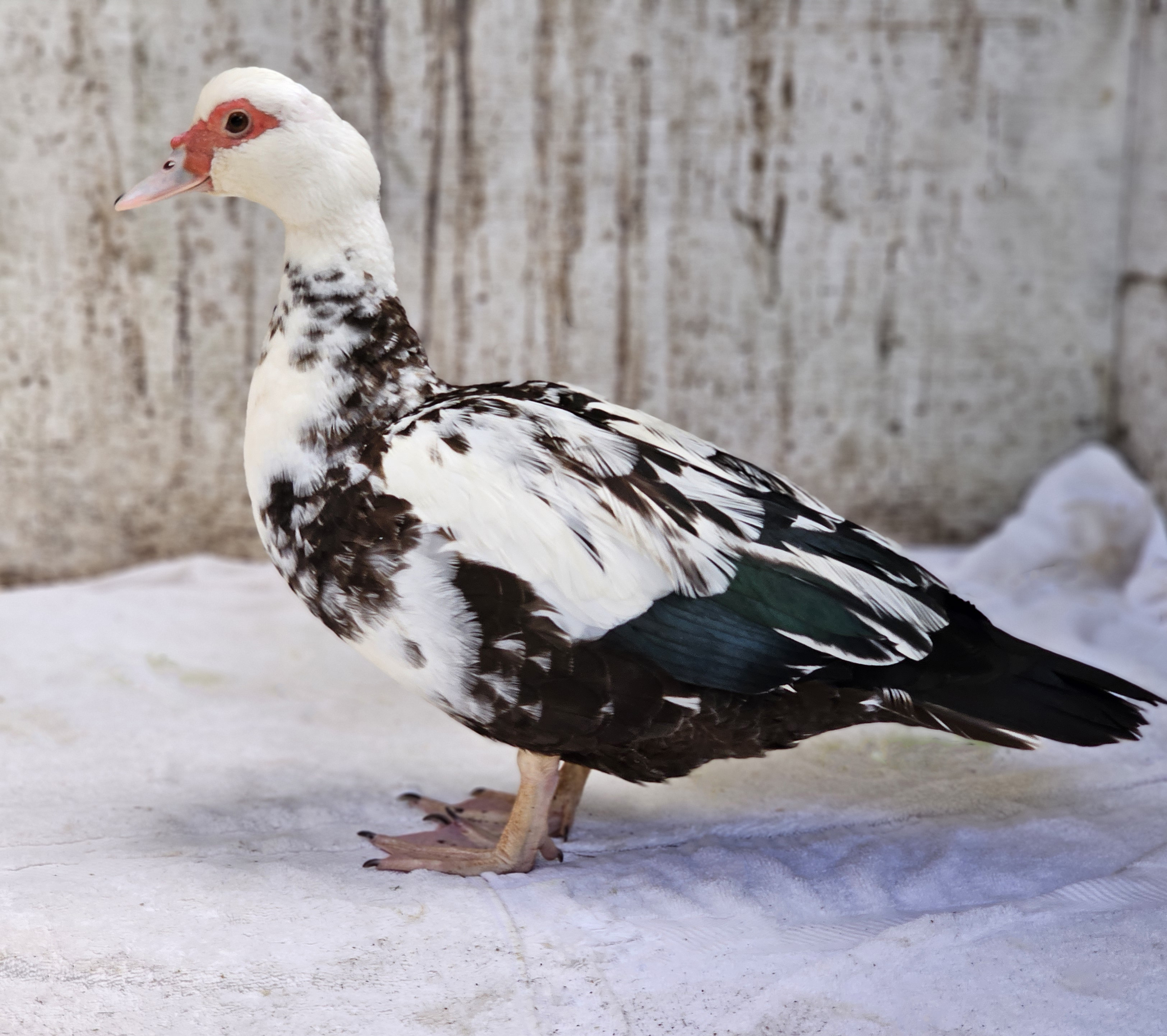
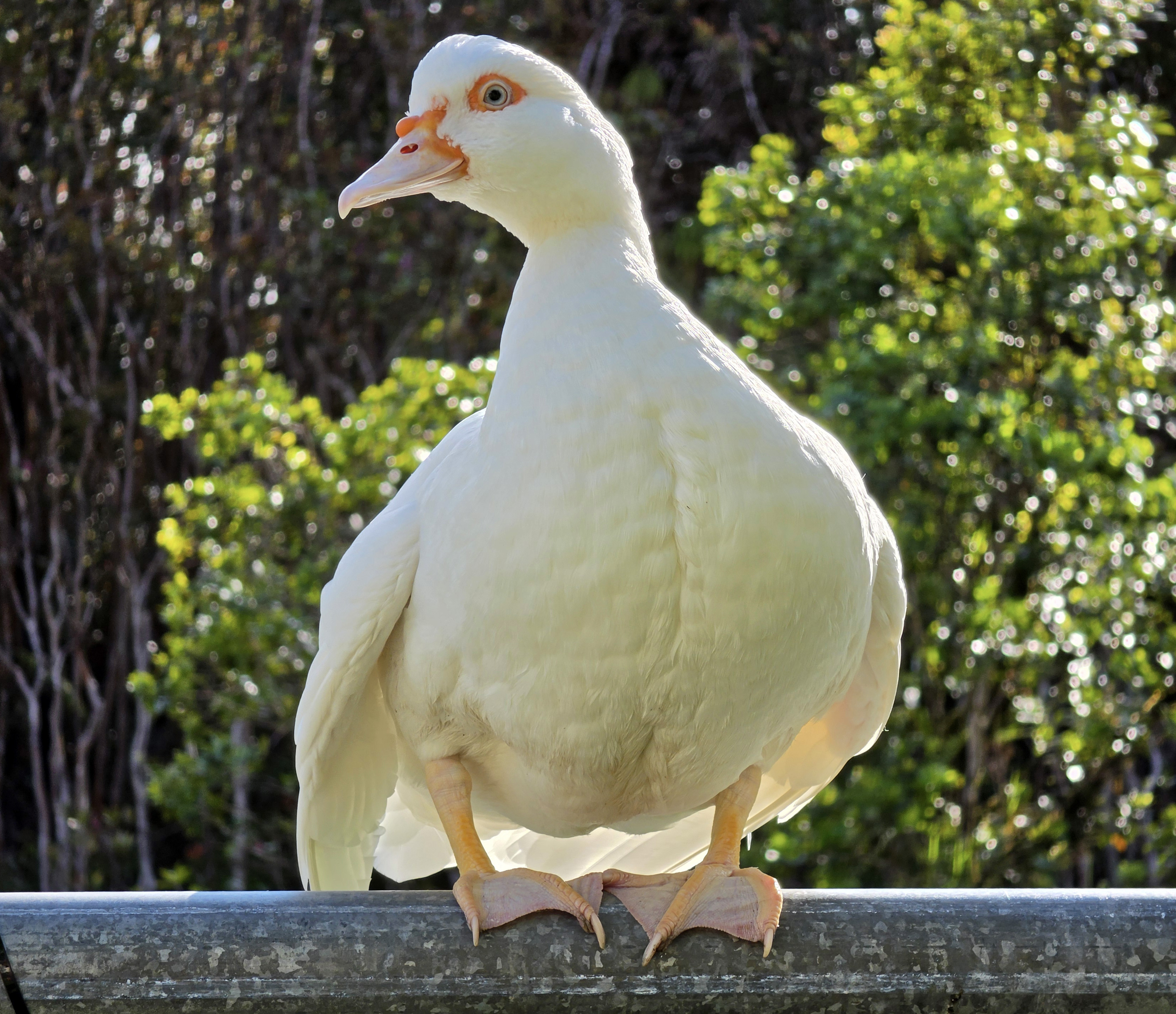
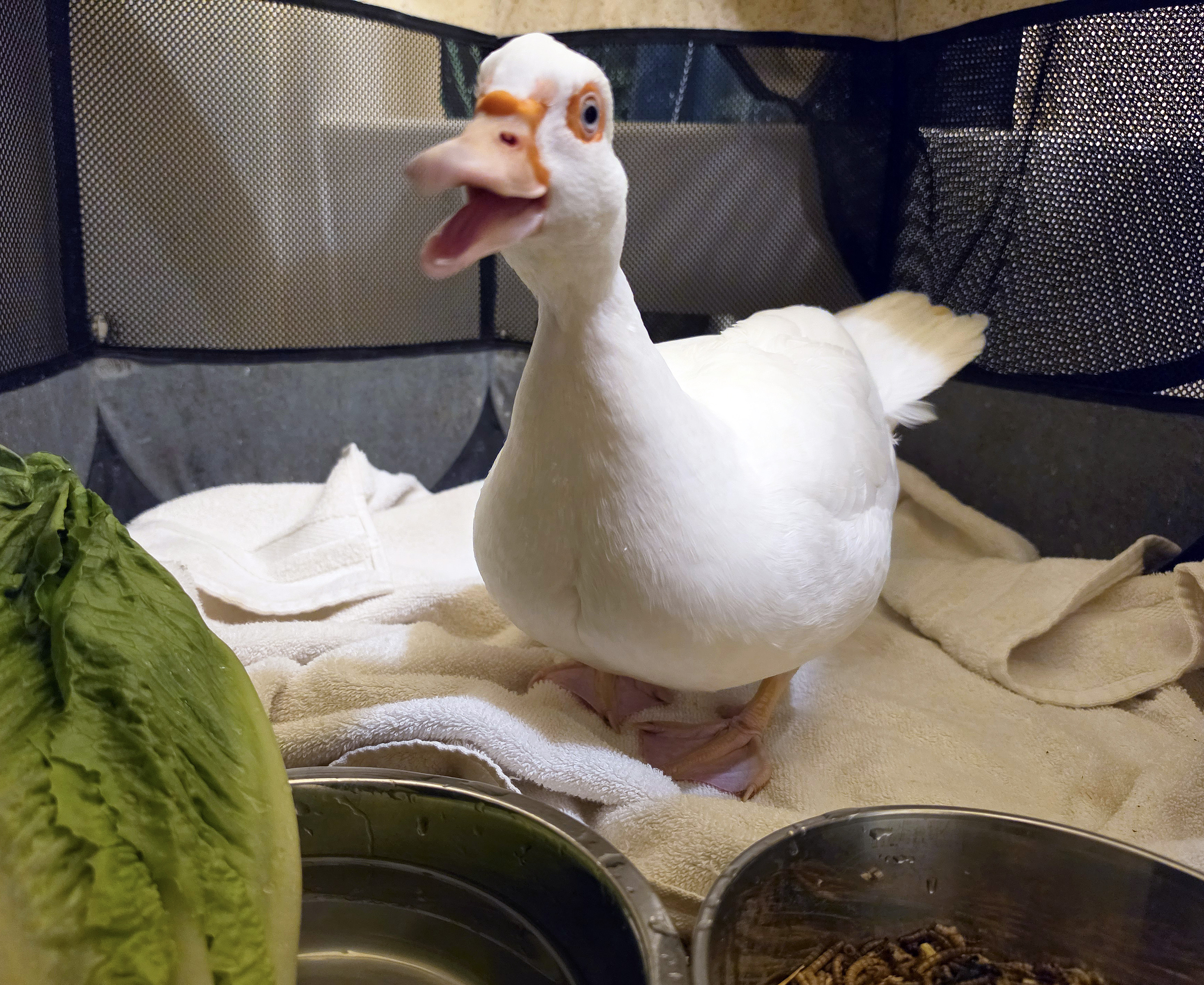
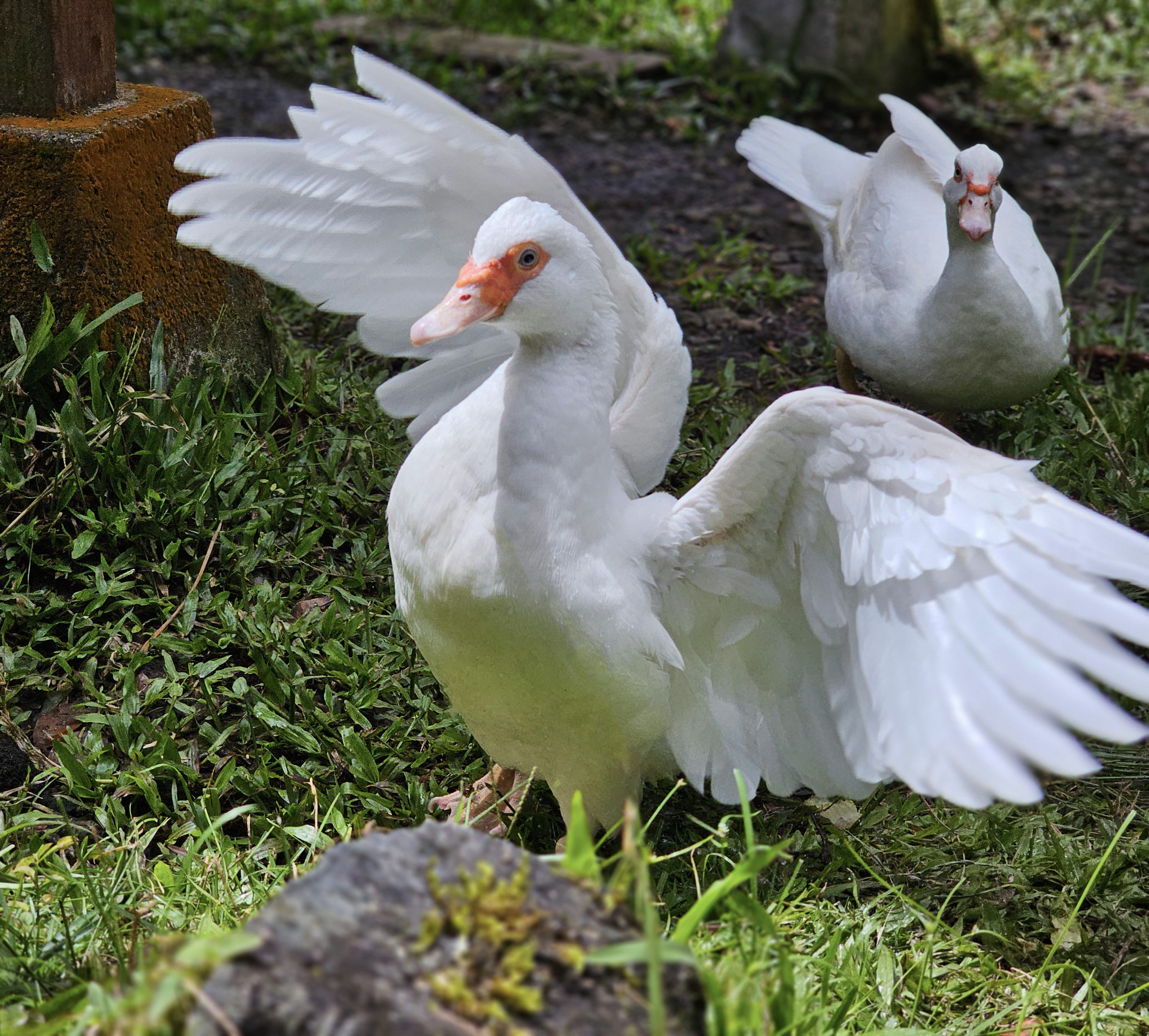
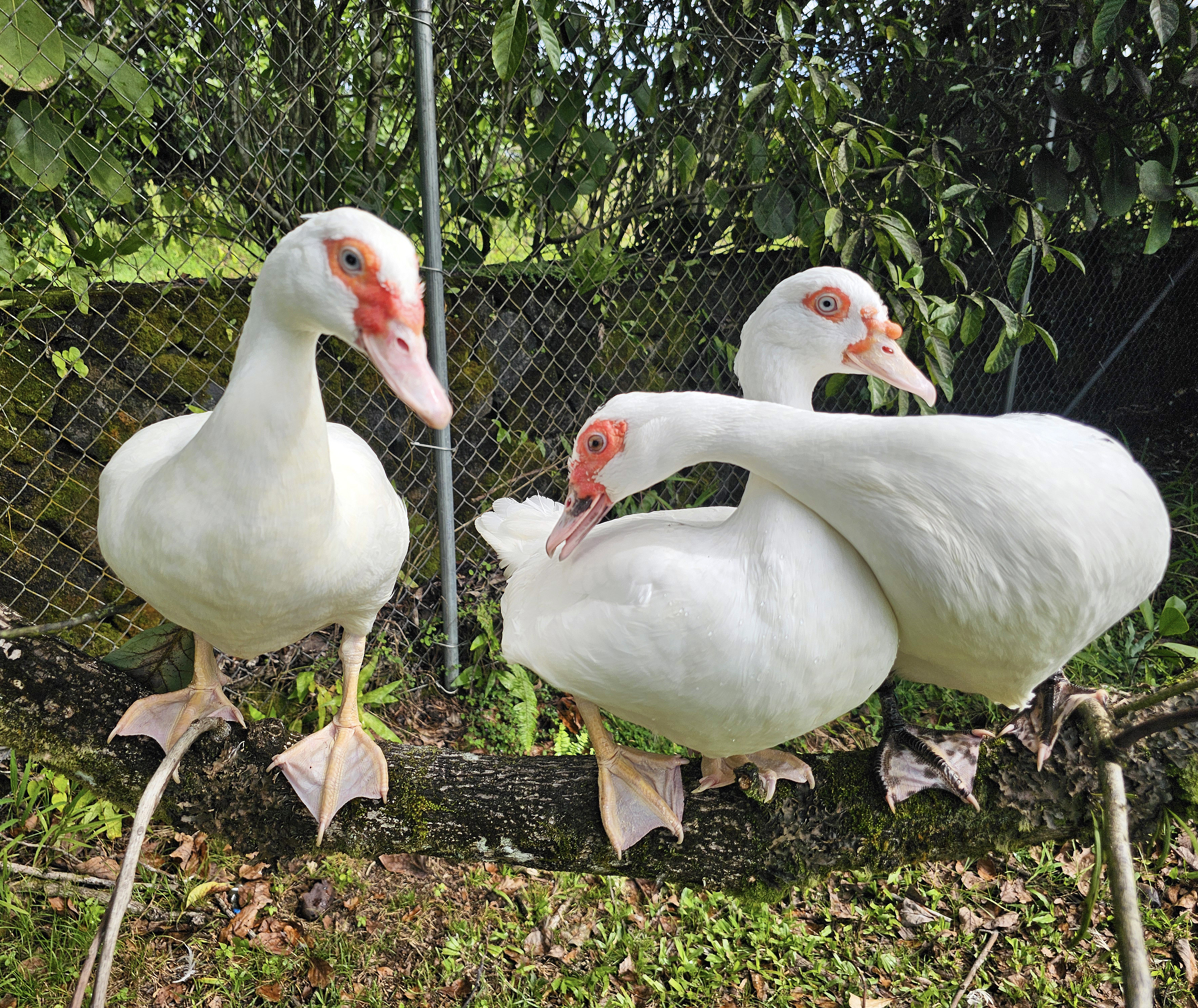
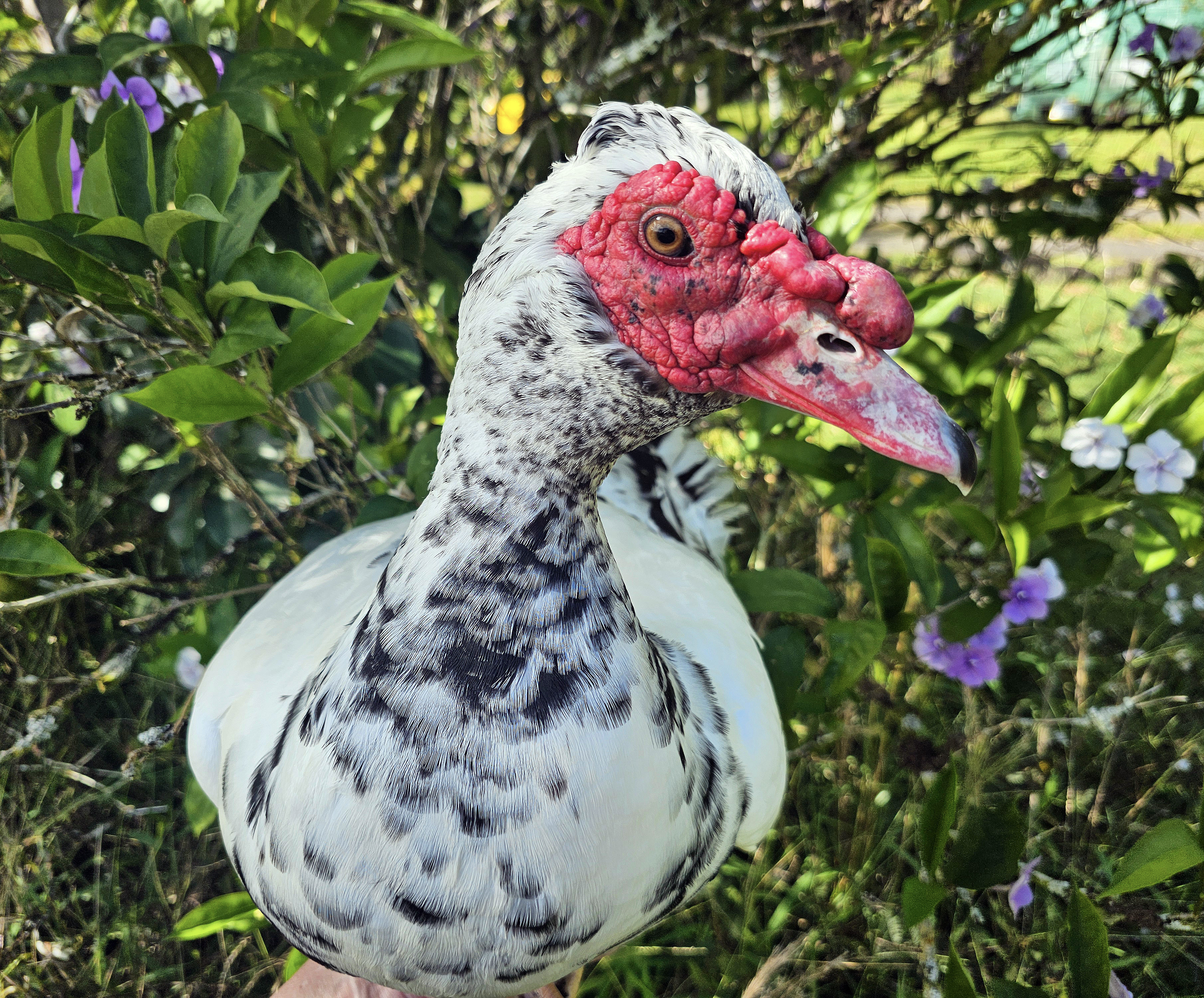
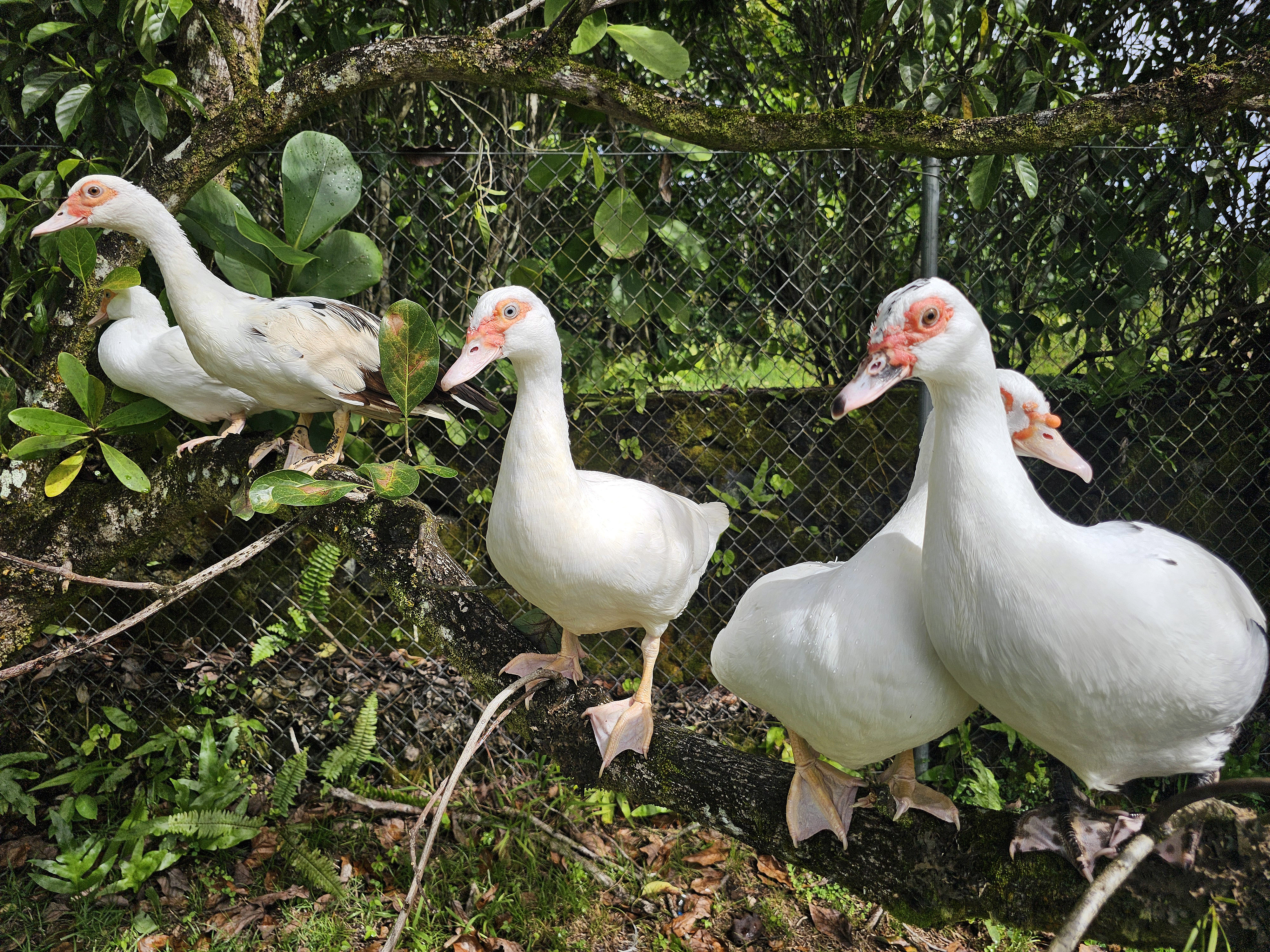
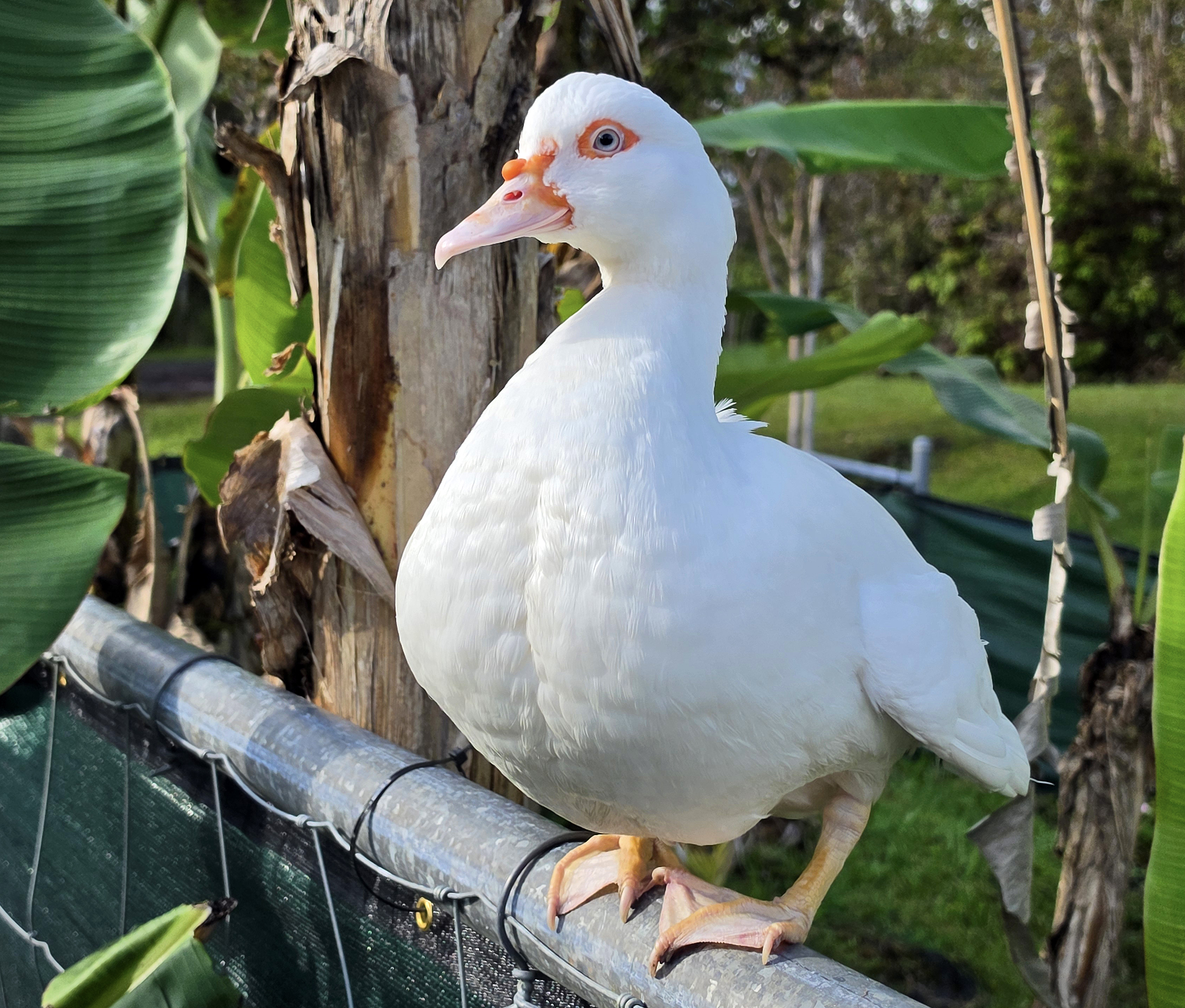
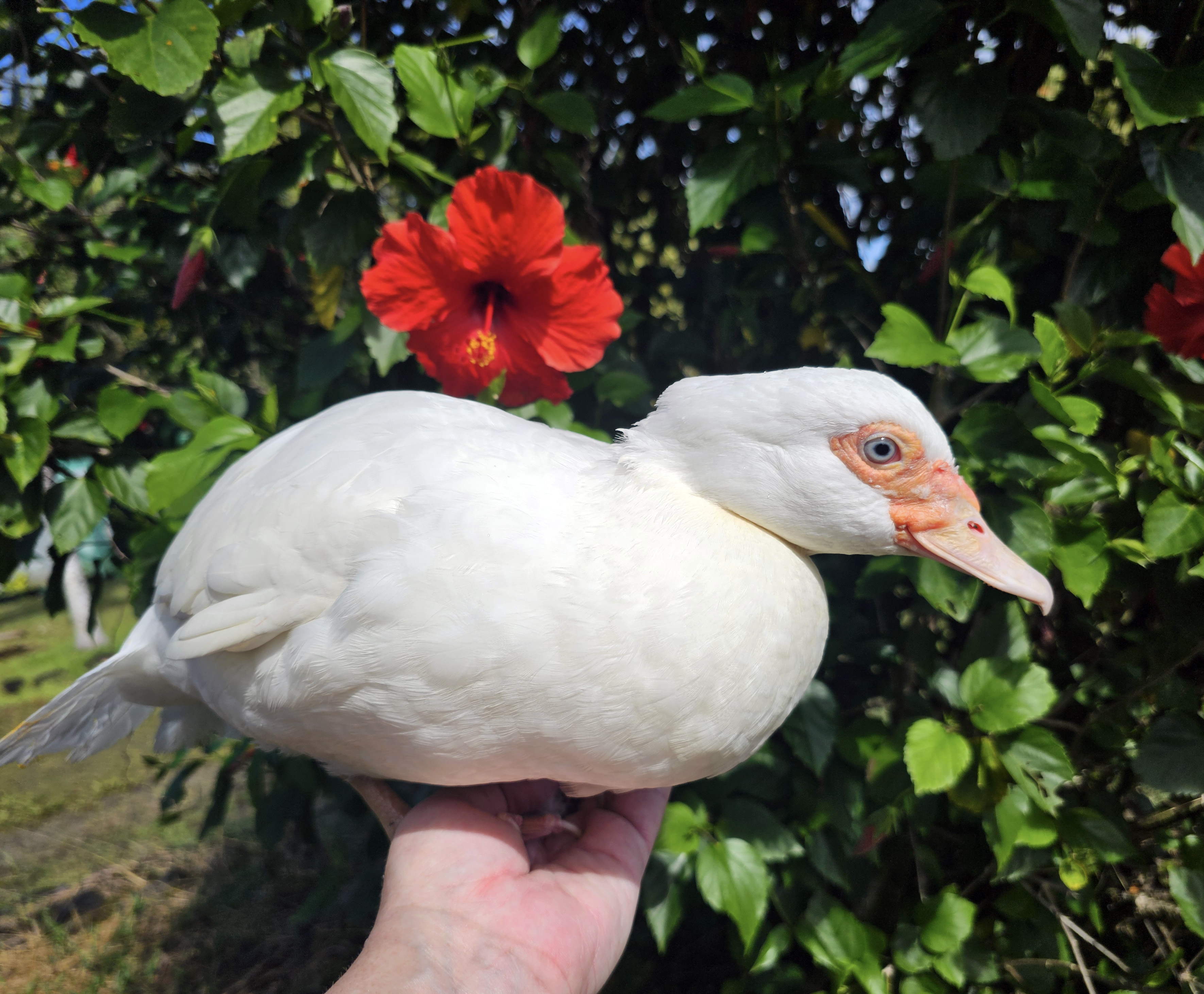
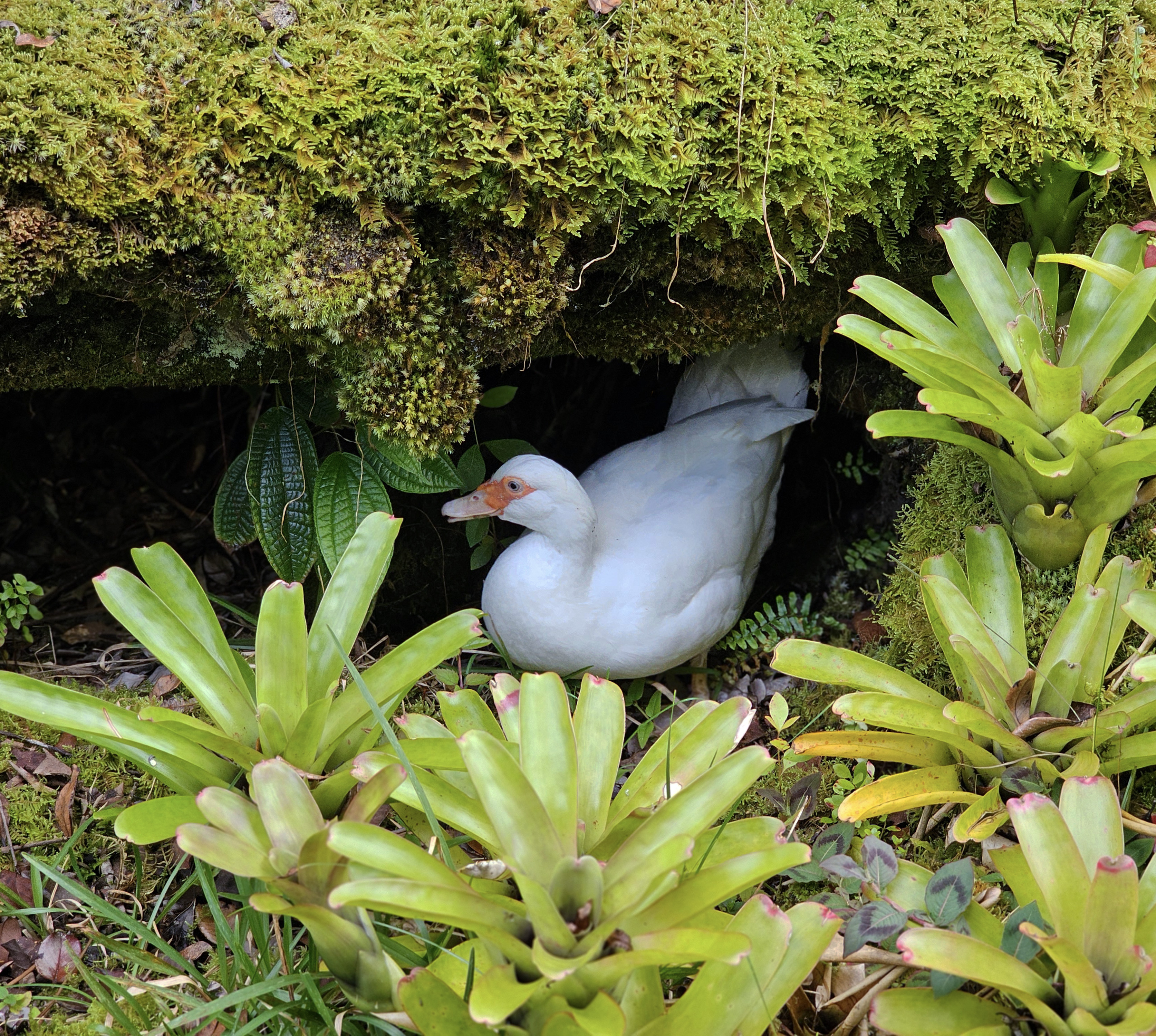
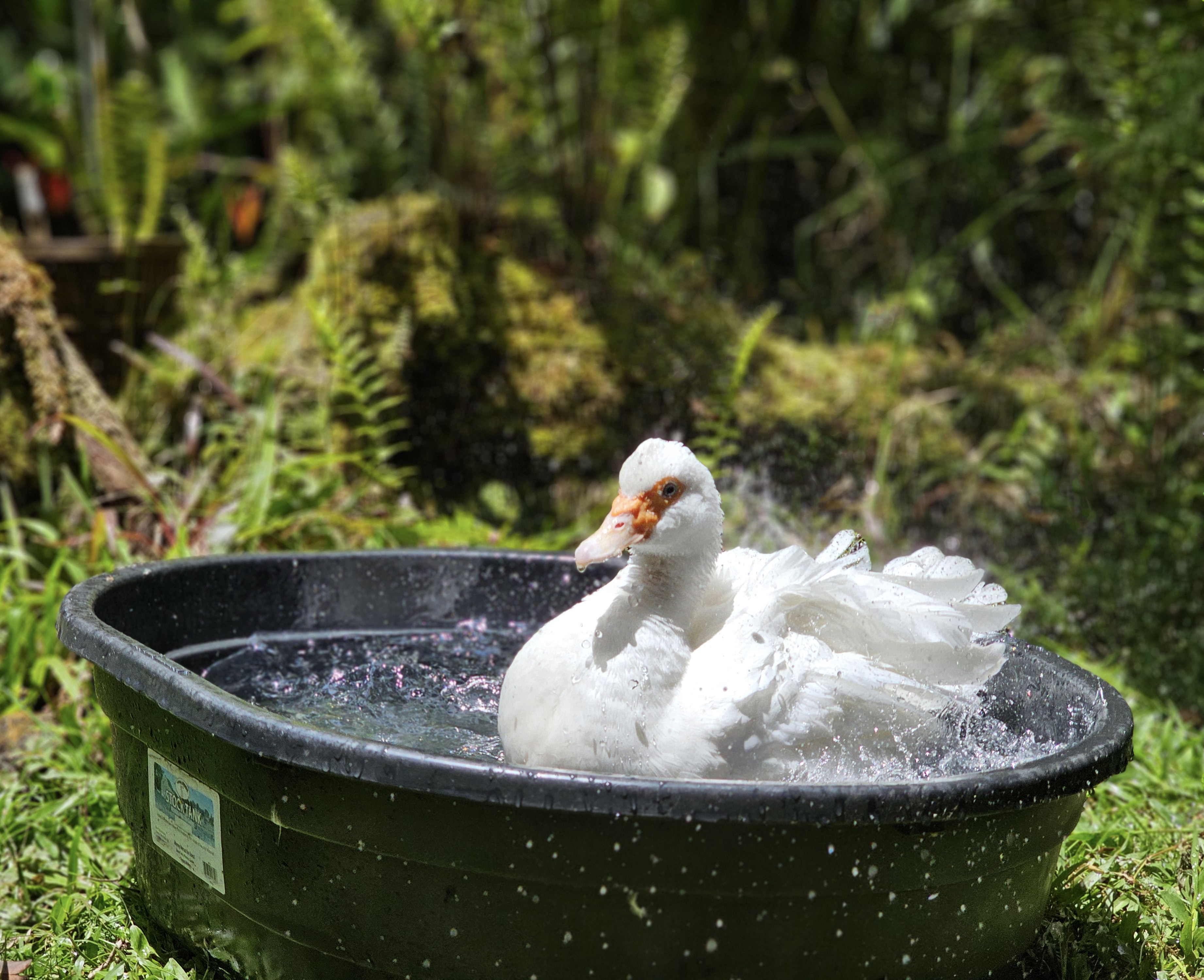
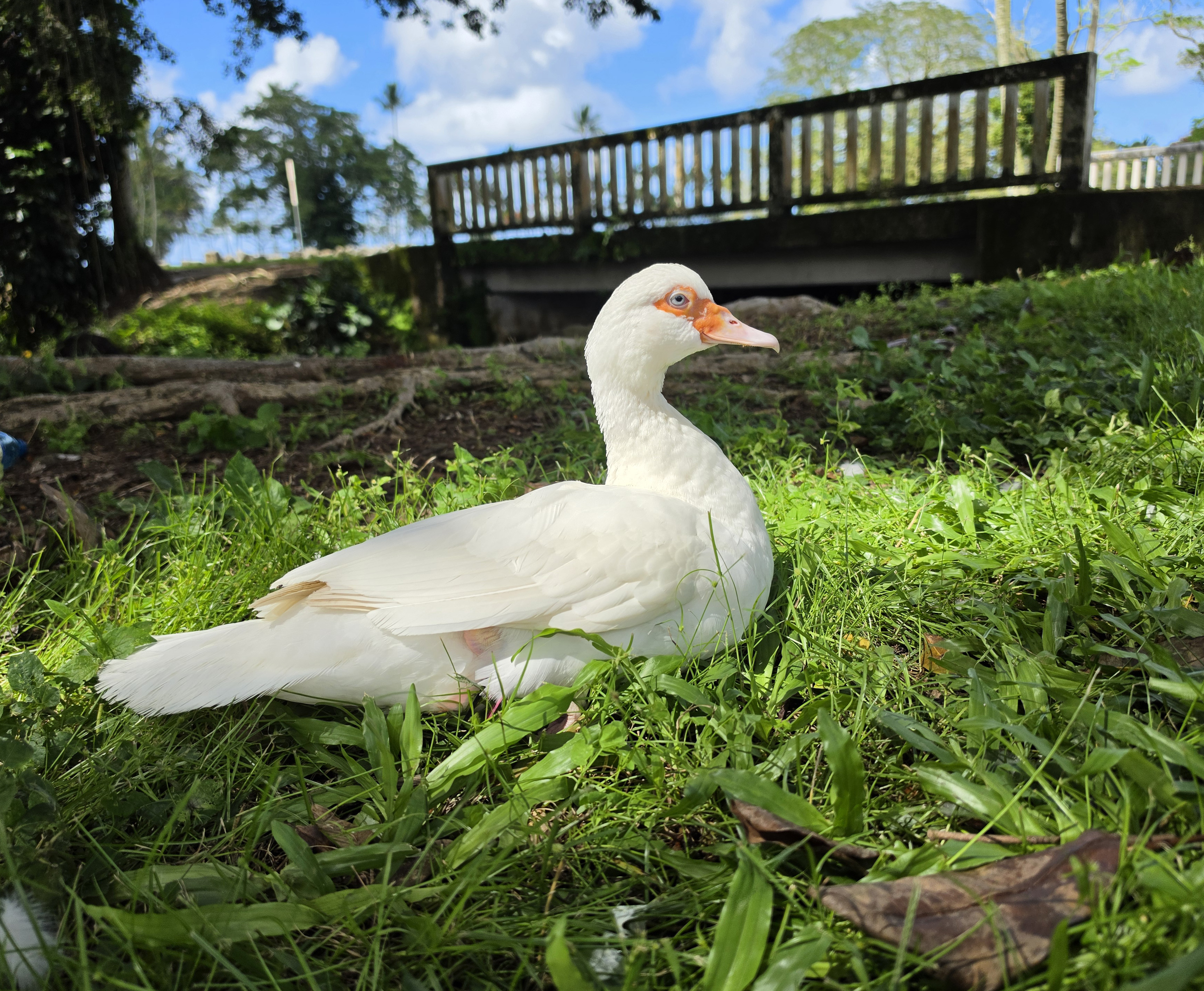
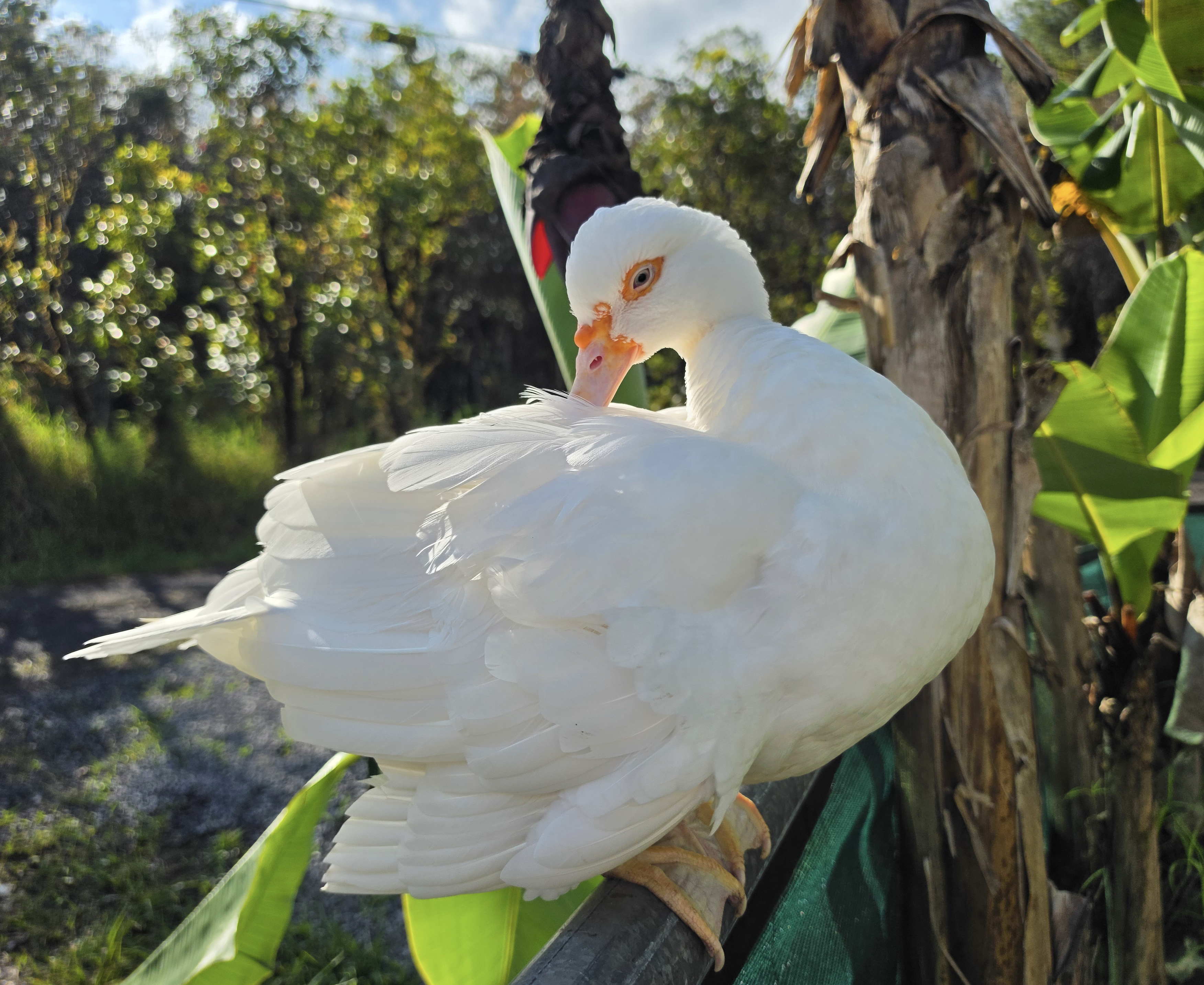
I also left the Department of Veterans Affairs. I’d been there for a long time because I loved my job, but it came down to a choice: The only way I could afford to stay on Oahu was if I gave the ducks away and got an apartment. Losing my garden was soul-crushing enough. I couldn’t stand to lose the ducks, too. Look how cute they are!


Moving to Hawaii Island meant I could afford to buy a home. Many people asked why I didn’t move to the mainland where I have family and friends. I thought about it. However, a girl I knew tried to move to the mainland with ducks, and the State of Hawaii euthanized them. Dana didn’t even get to say goodbye. The quarantine folks found out that her ducks were adopted from Susie’s Duck Sanctuary (where there had been a case of bird flu) and that was that. Some of my ducks came from Susie as well -and even if they hadn’t- I couldn’t risk them being euthanized.

With dogs and cats it’s different. The quarantine folks think of them as pets, and give them the respect a pet deserves. However, with ducks, they think of them as livestock. Culling livestock “just in case” seems perfectly reasonable to them.

Besides, the mainland doesn’t have a continuously erupting volcano.


The last year I did a lot of neat things. With my job, I learned about how reef monitoring is done here. It’s different than how it was done with NOAA in Guam. I also got to spend time at the research station, and doing community outreach. I’ve had fun with a lot of my work-related tasks.

Outside of work, I was mostly looking for a house, then going through the process of buying a house, then trying to fix up a house. It’s been a lot. I try to sneak away with my friends who live on island and have fun from time-to-time, and I do get up to some of my own adventures as well.

I went to a very memorable Halloween Party at The Art Box. I learned traditional Polynesian wood carving. I hiked as much as my spine allowed. And, I saw some really cool things.

As your birthdays passed me by I thought of each of you and felt guilty. I knew that somewhere -in the things I have yet to unpack- there was a Tupperware full of stamps and birthday cards. I like my job, but it pays very little. I couldn’t go buy new stamps and cards and pens. Also, I live in a small attic since I am renting out the main floor of my house, and so I can never find anything. My address book is in here somewhere…


Things are finally settling down a bit. The ducks and I are grateful to be able to stay in one place, and I’m slowly adding plants to their yard. There is a lot of work to do. Despite the challenges, I hope to rebuild a life here that the ducks and I can be happy with.

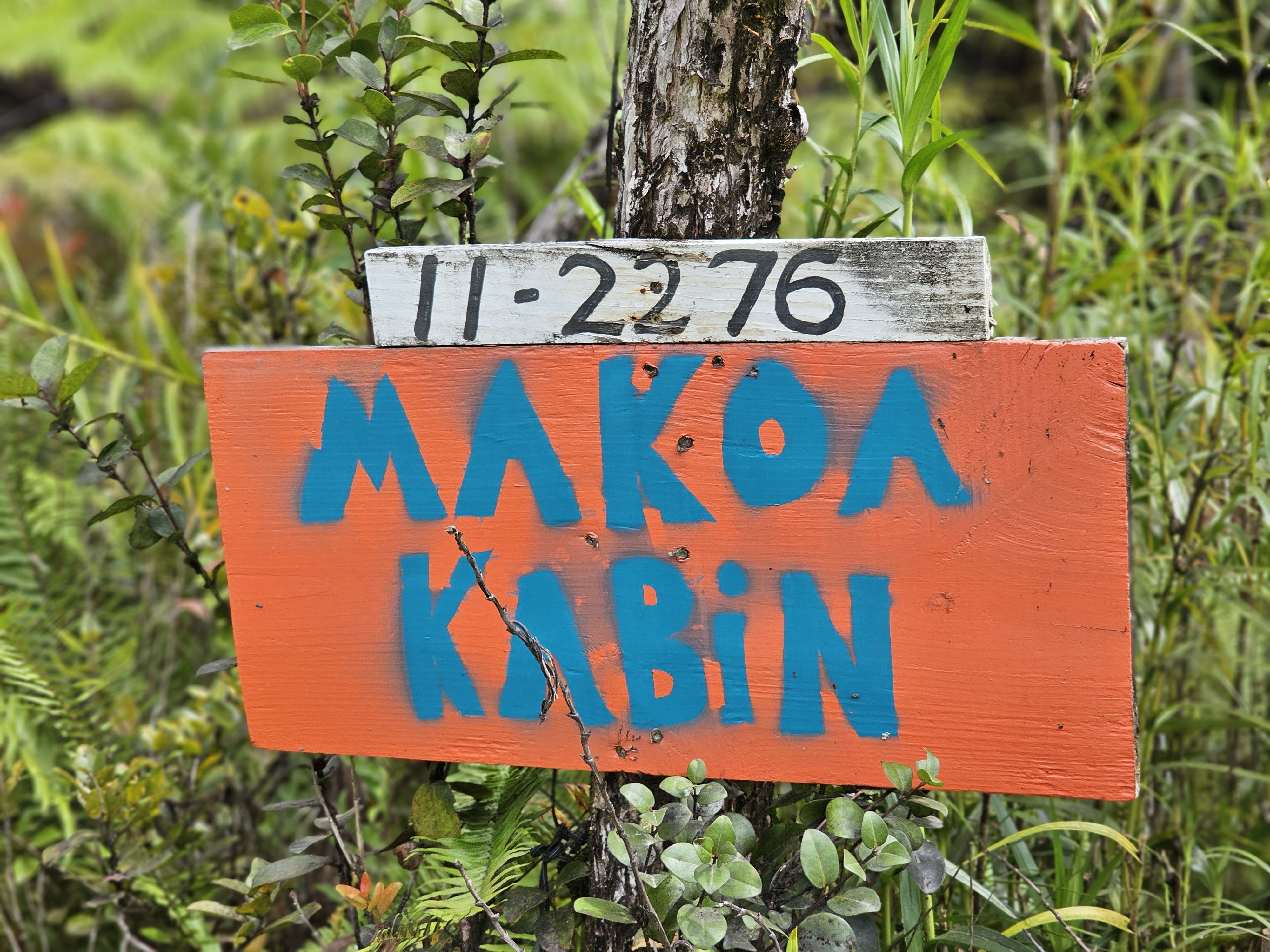
Makoa Kabin on Big Island


I spent the summer of 2025 at Makoa Kabin in Fern Forest, Big Island.

Way down a dirt road in a quiet little forest, Makoa Kabin is a peaceful retreat from the world. It is surrounded by beautiful tropical forest, and at night the coqui frogs lull you to sleep.

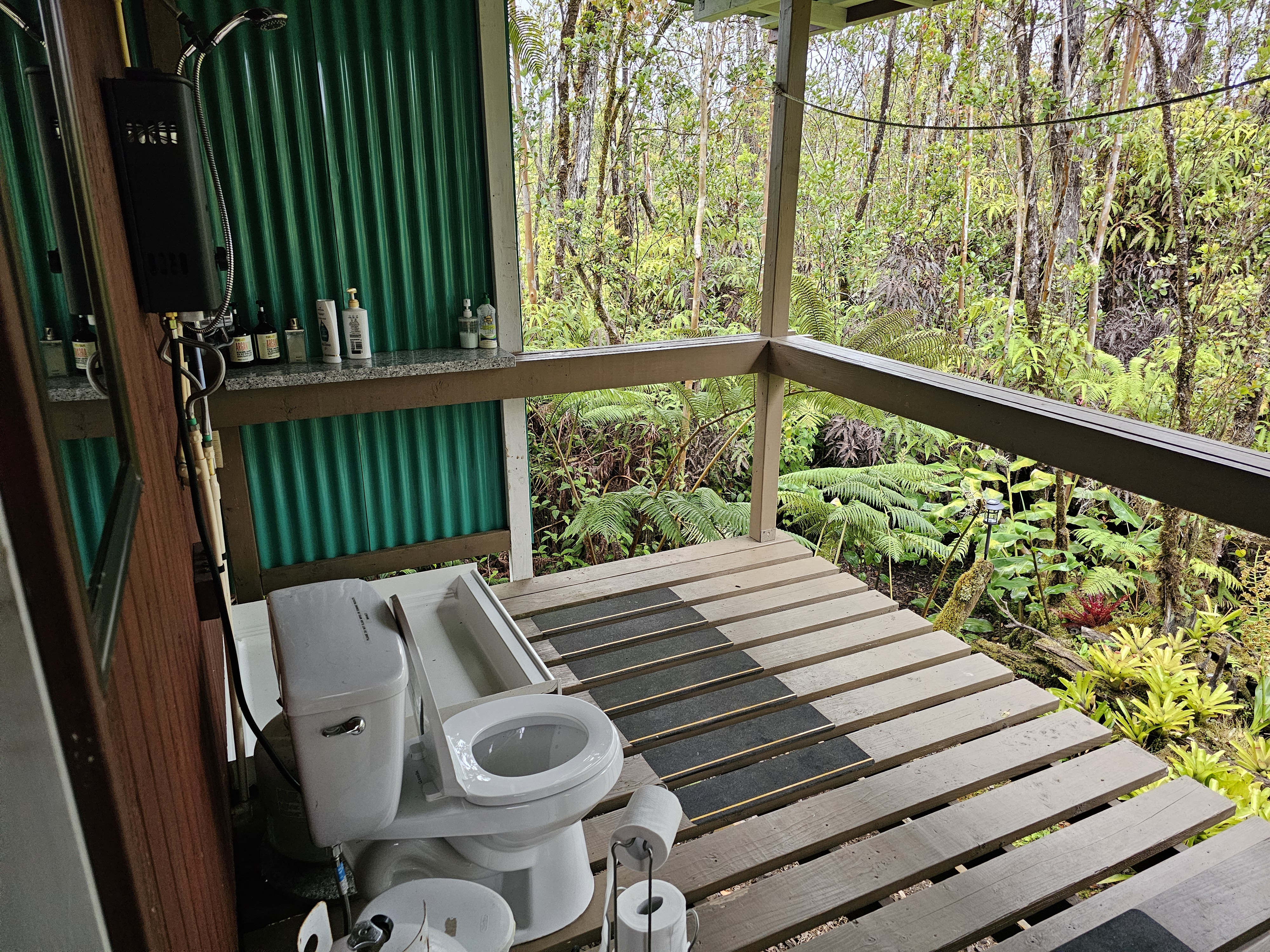
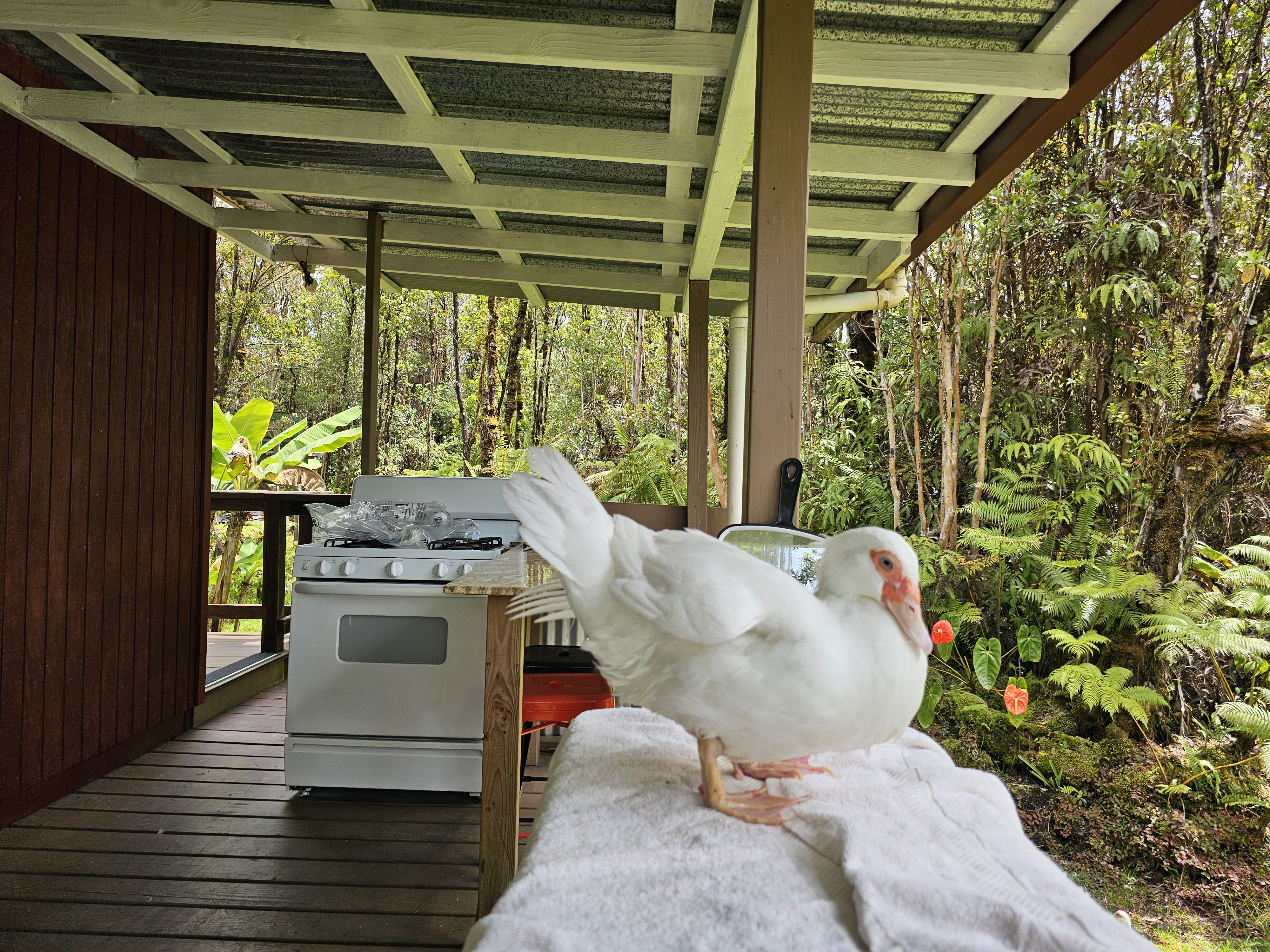
While the Kabin has everything you need to enjoy a nice vacation, the life it offers is one that is much different than city life. The bathroom and kitchen are open air. Given the year-round nice weather, this is not as crazy as it may sound to someone from the mainland. It allows for the peaceful forest to be a bigger part of your stay.


However, the Kabin is off grid. This means it uses solar panels and a battery backup. You’ll hear the inverter kick on to charge the battery during sunny days, and you’ll hear it kick on at night to shunt battery power to the motor in the fridge.

This means being more mindful. When living off grid, it makes sense to avoid opening the fridge at night, and to avoid watching TV and having all the lights on after dark. It’s better to go to bed at sunset and wake up at sunrise, following the rhythm of nature.

For some, following the rhythm of nature can seem hard at first. However, studies show that it’s actually really good for us to wake up with the sun and go to sleep when it gets dark. It helps re-set our circadian rhythms so that we can get better sleep.


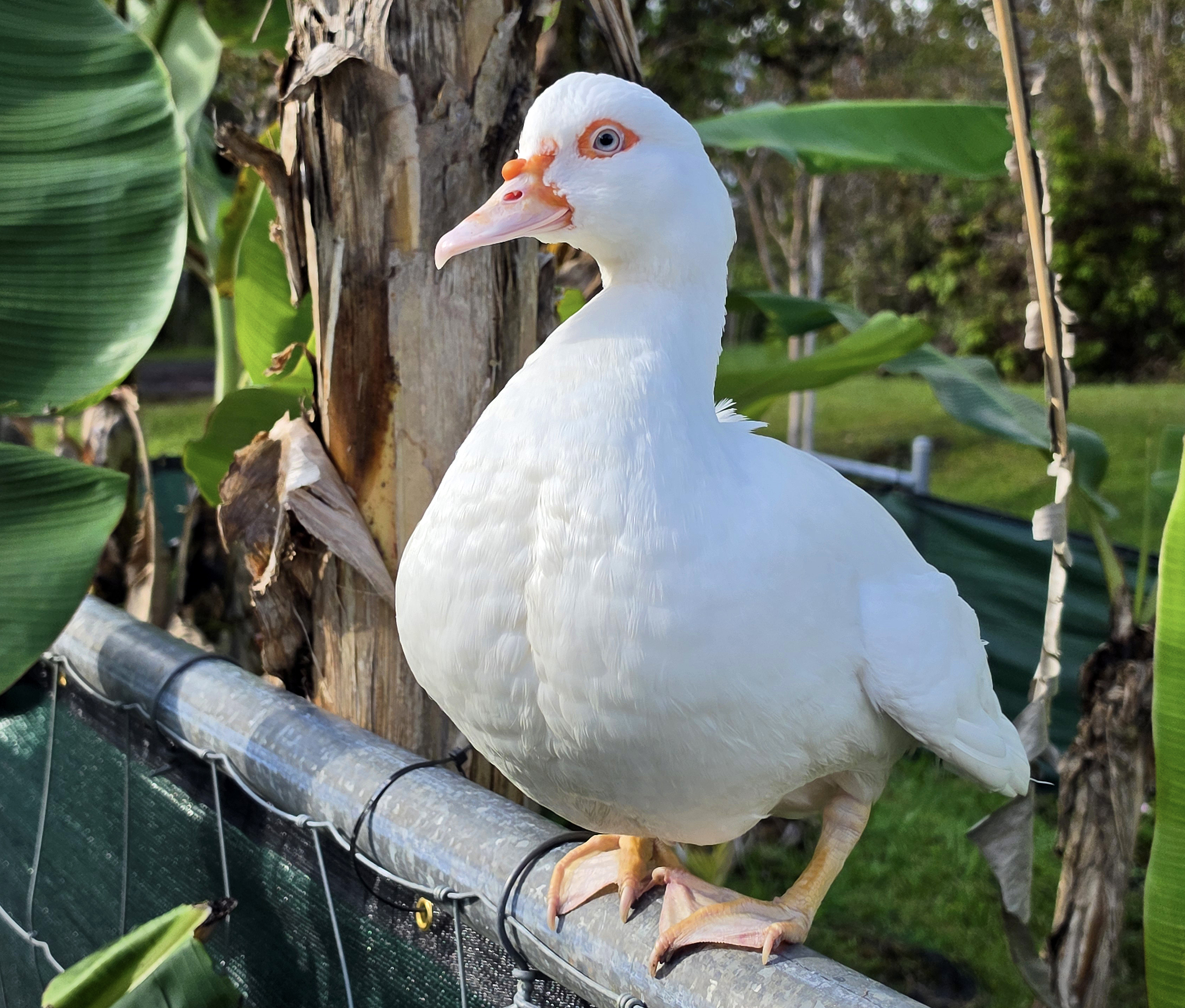
The Kabin allows you to stay with your pets, so here you can see a picture of my duck Sizzle in the kitchen. She enjoyed the view and watching the chickens who live at the Kabin as they dug in the grass looking for bugs and worms.

I spent a lot of time on the deck just watching and listening to the forest. It was peaceful, and exactly what I needed after the first half of my year. The caretaker Jeanette was kind, thoughtful, and very patient with feathers being all around the yard.

Although staying at Makoa Kabin requires mindful use of electricity and water, I believe its charm outweighs any restrictions you might feel living closer to nature. I’d recommend a stay there.

Kailua-Kona Wood Carving Tour

Watch a video about my carving tour.

When you visit Hawaii, you have many options for tourist activities.

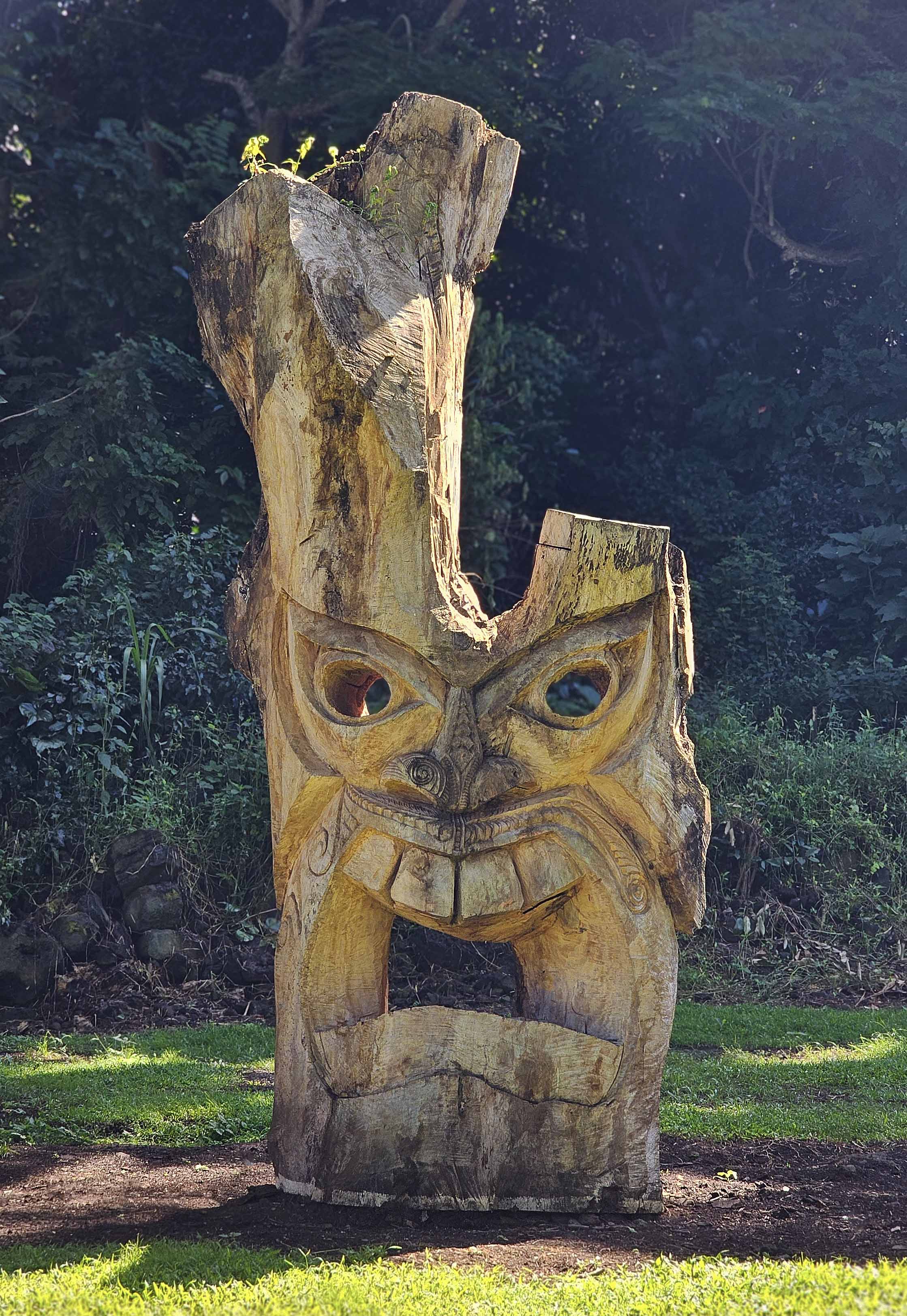
A “carving tour” might sound odd, but the ancient art of shaping wood has been a huge part of Pacific Islander culture since there were Pacific Islanders. If you have interest in Hawaiian history or culture, then a carving tour is a fun way to learn more.

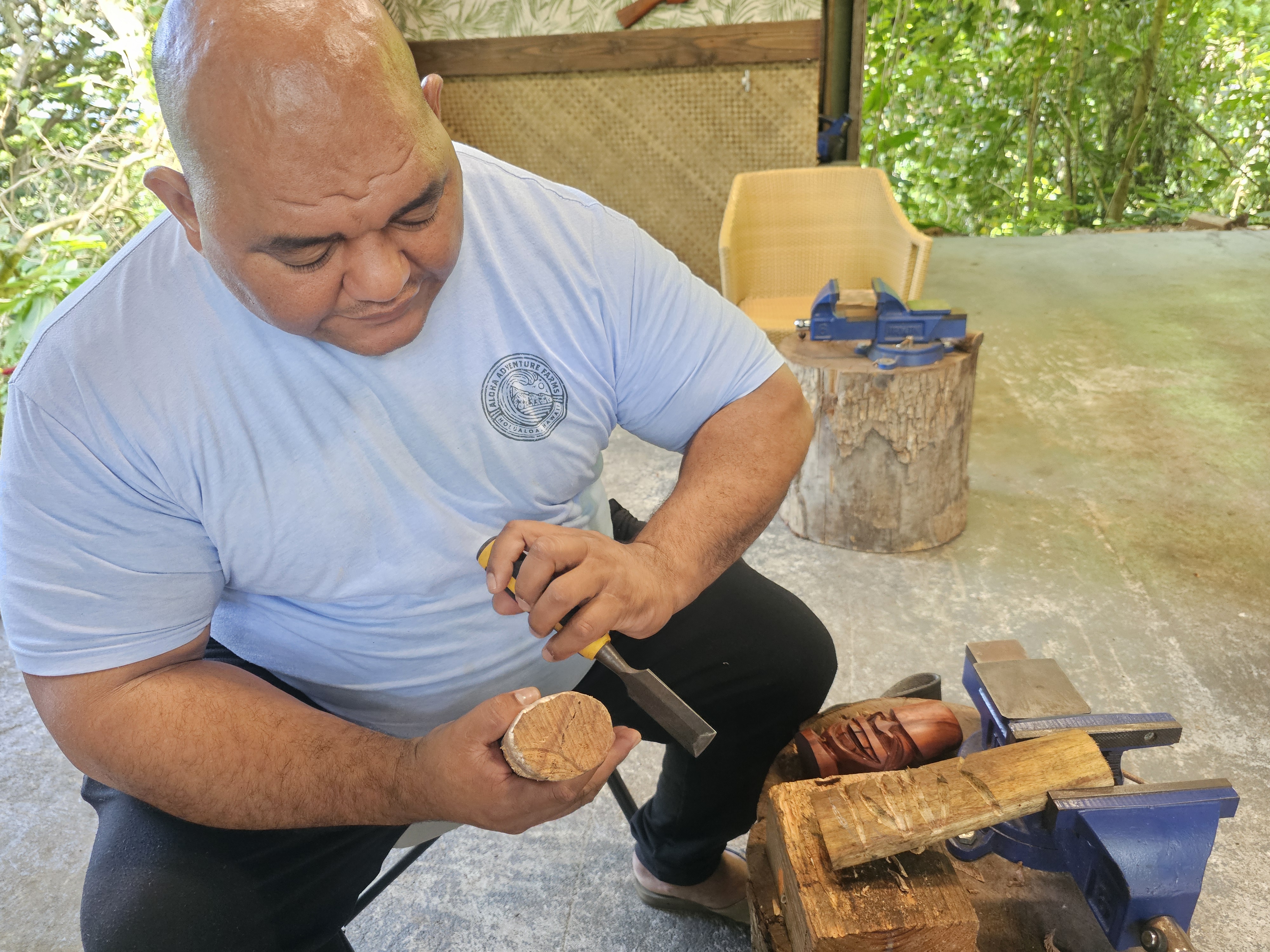
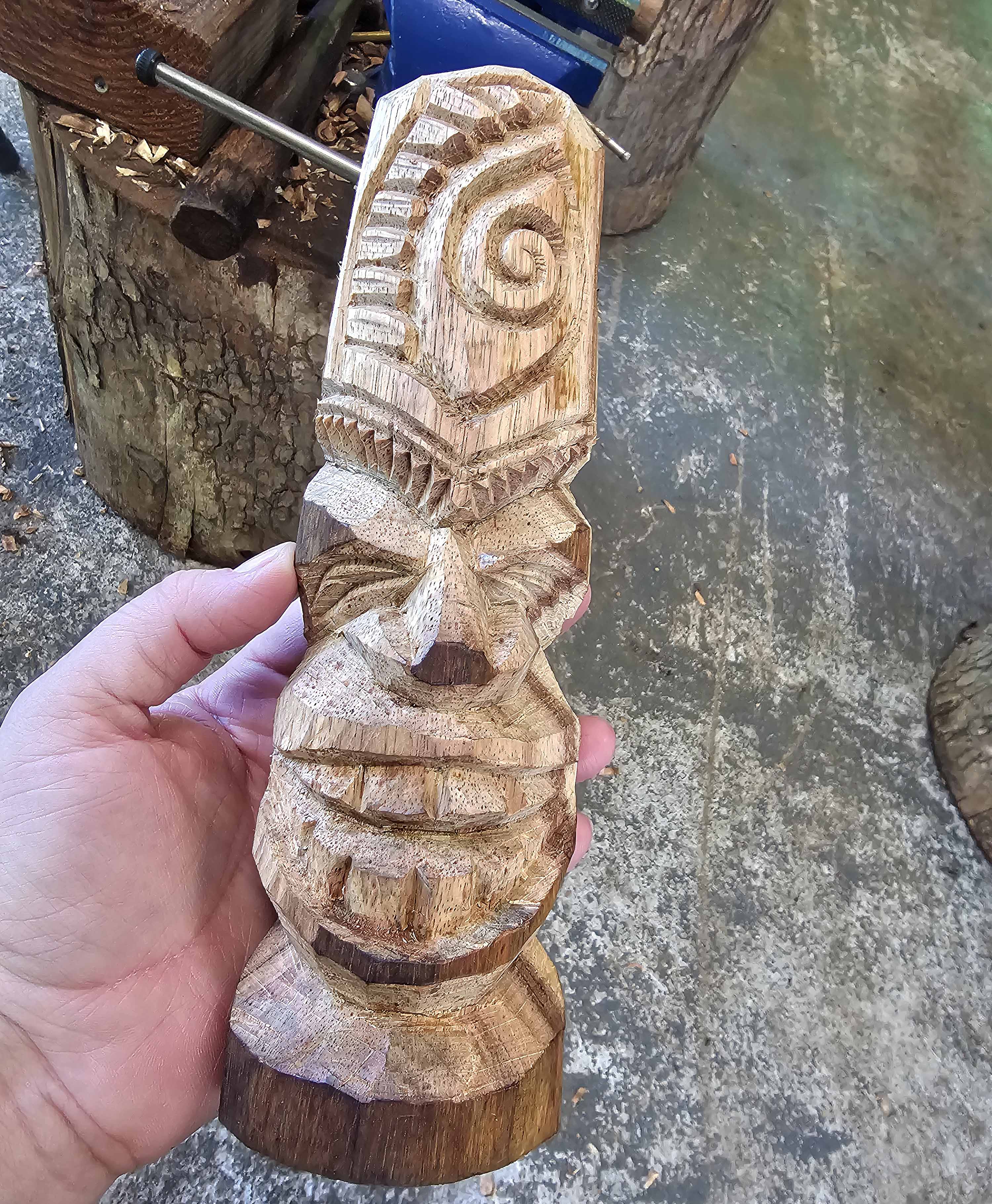
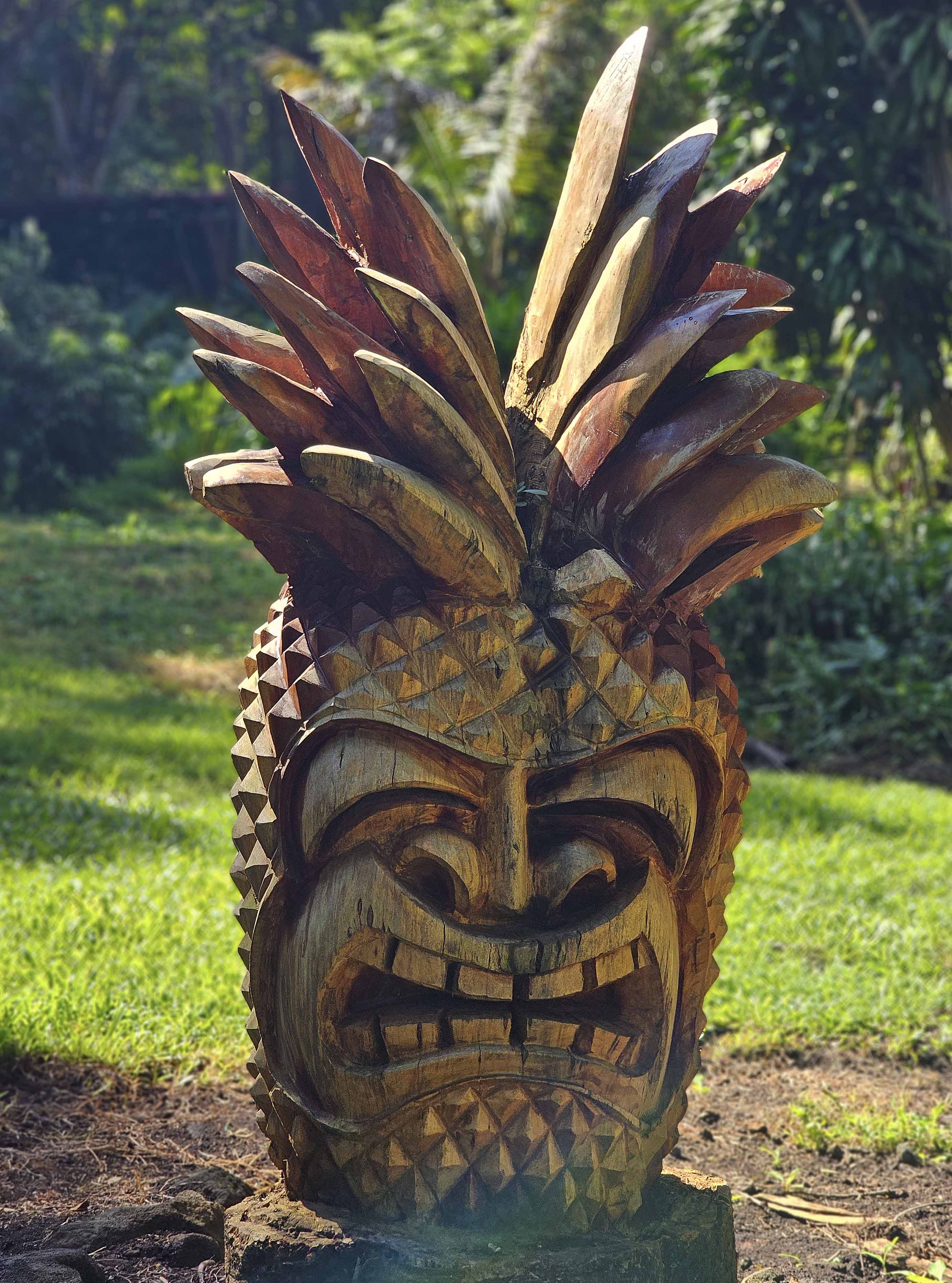
I went to Aloha Adventure Farms to carve my very own Tiki figurine.


The tour is taught by a Tongan carving master named Mani. His father taught him all about wood carving since he was a child, and he is teaching his own children to carve as well. It’s a meaningful way to keep Pacific Islander culture alive.

Ancient Pacific Islanders carved wood into canoes to travel between islands, into dishes to eat from, and into Tiki figurines to ward off evil spirits.

During the tour, you are given a piece of Koa wood, and under the direction of the instructor, you shape it into the Tiki of your choice. However, you also get to talk story about the history of wood carving in the Pacific Islands, and about the meaningful place it holds in cultures from South Korea to the Pacific Northwest, and everywhere in between.


I didn’t do the ATV Culture Tour, but that tour takes you around to recreations of villages representing Hawaii, Fiji, Tonga, and Samoa. You’re able to learn about some of the cultures that make up the Pacific Islands.
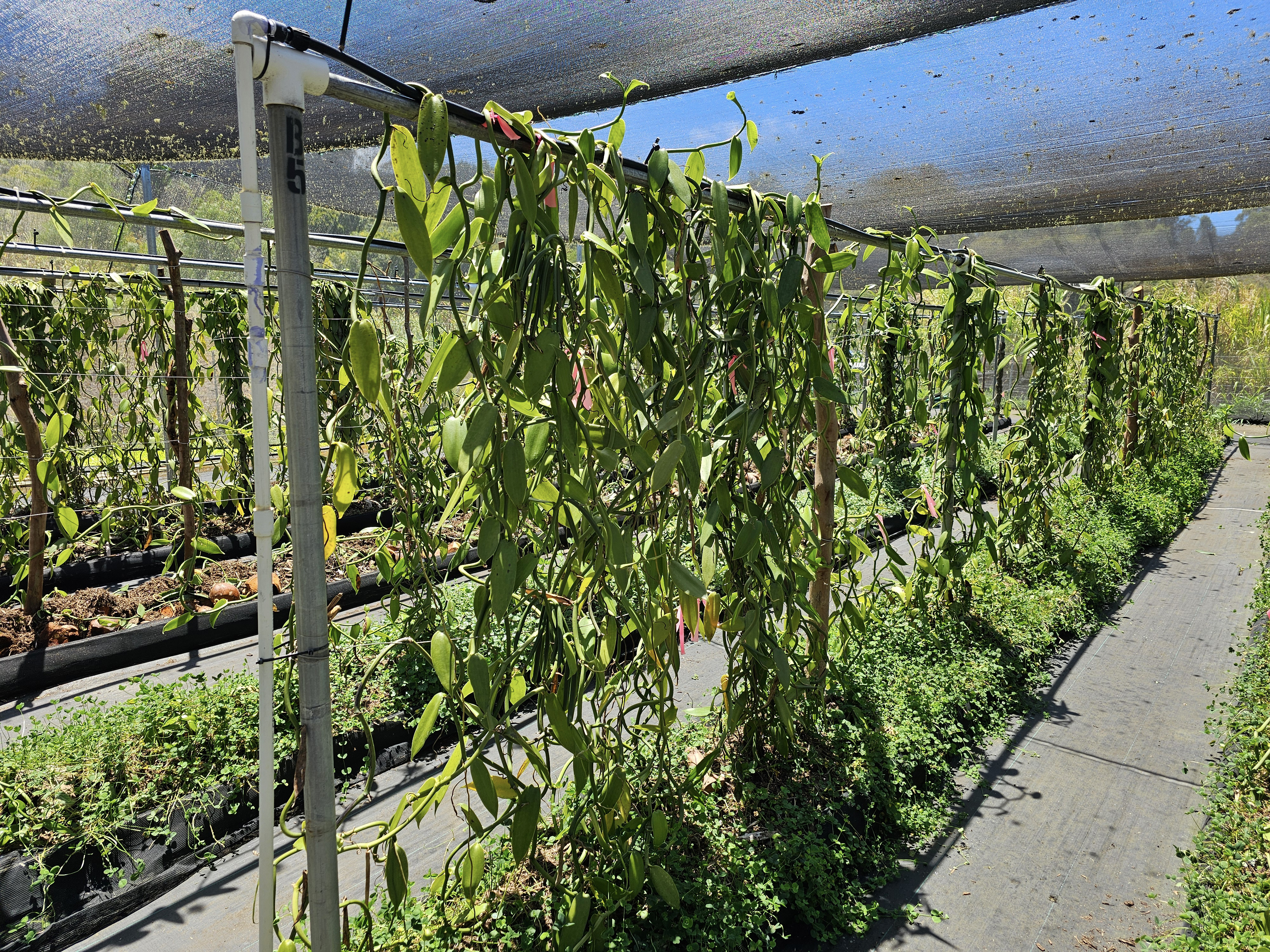
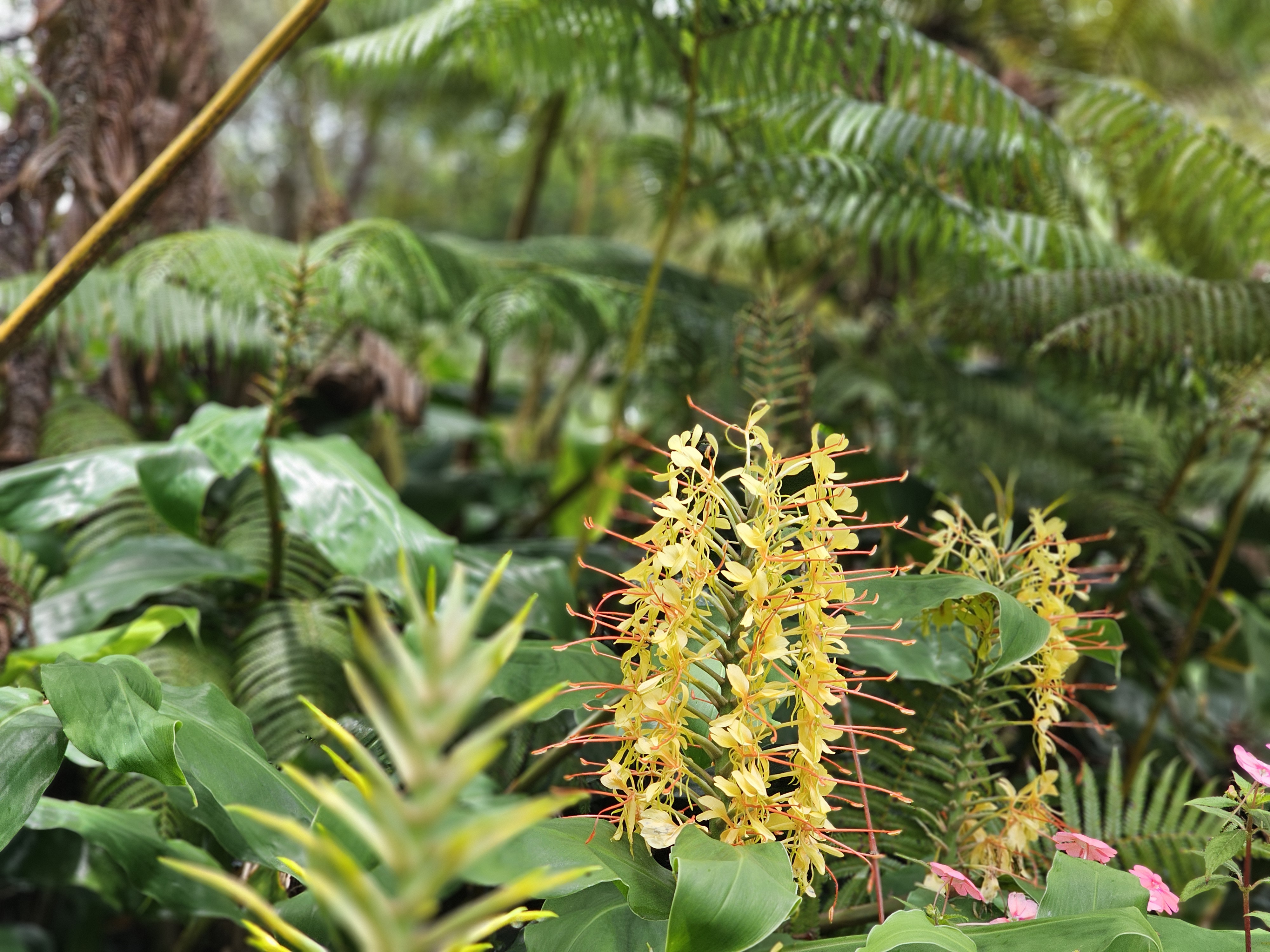
Walking around the property is also nice. There are vanilla vines on the gift shop. The ancient Hawaiian jungle is filled with interesting plants and amazing views. It’s a peaceful place to spent time.

Aloha Adventure Farms is a nice place to spend a day. If you visit the Big Island of Hawaii, it’s worth a trip.

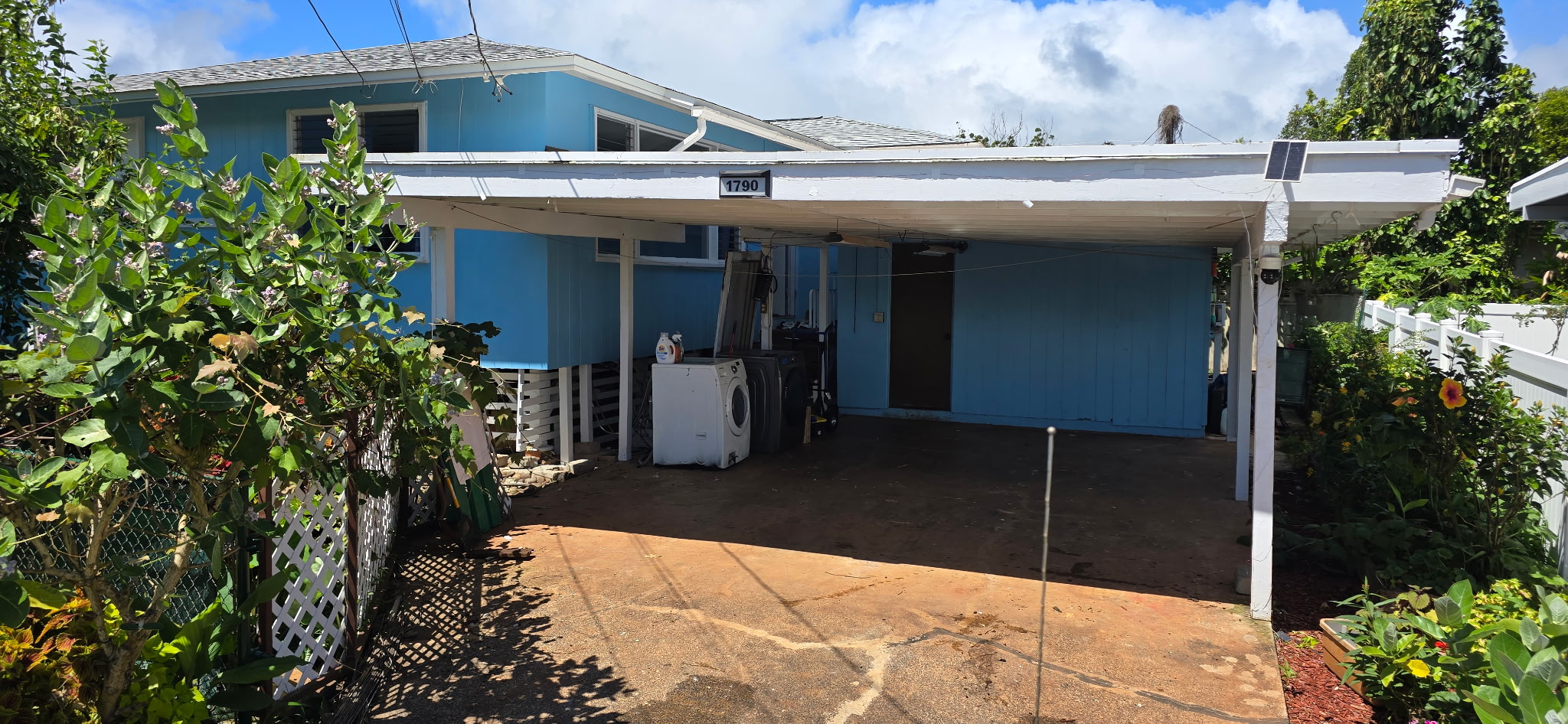
Buy 1790 Walea Uka Place in Wahiawa

Buy the most beautiful home on Oahu!

Watch the Video about my house here.

Zillow listing is here.

1790 Walea Uka Place: Yours for $799,888.

Welcome to your garden oasis in Wahiawa Heights!

• 3 bed 1 bath main home
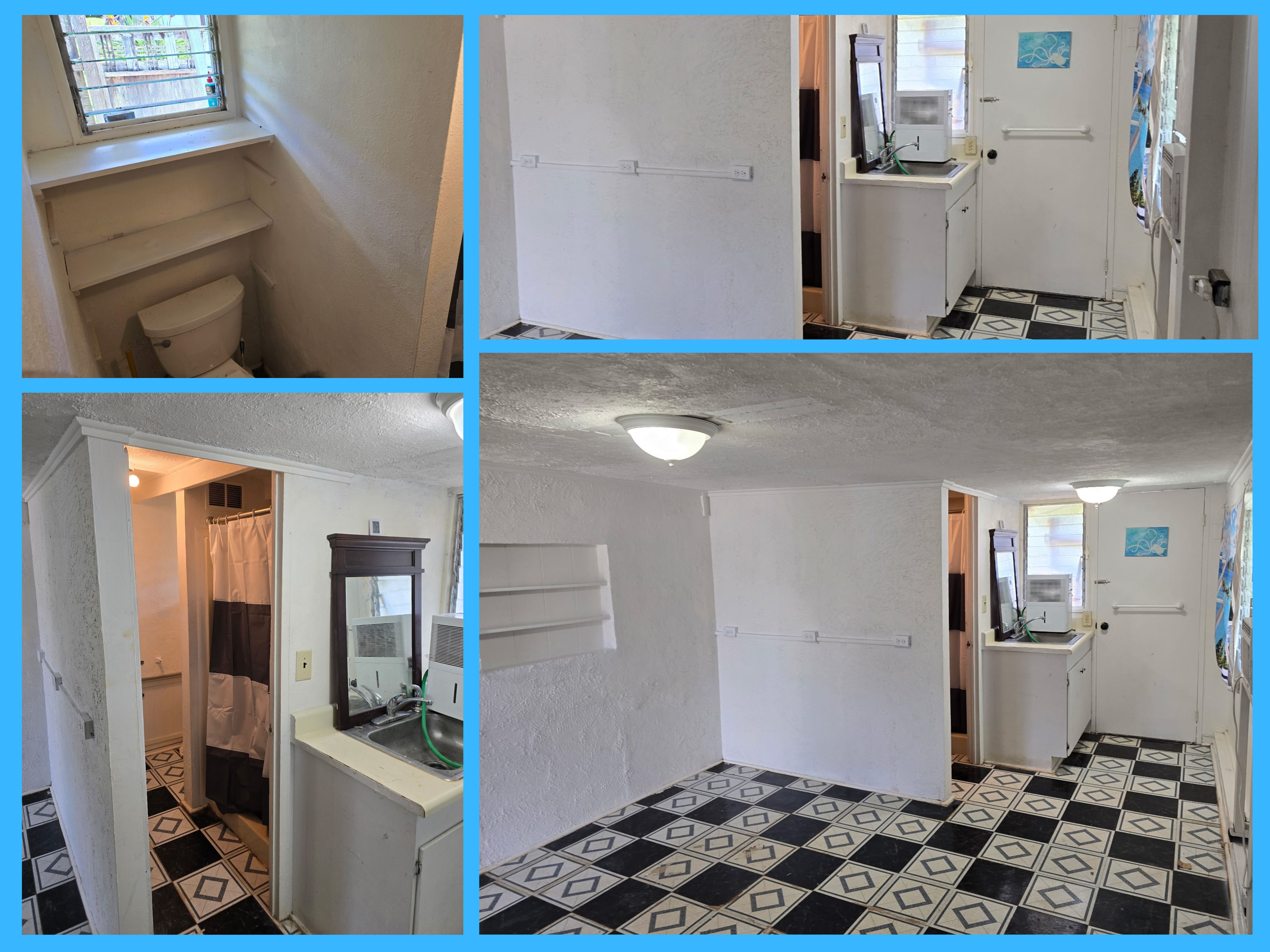
• 1 bed 1 bath ohana dwelling
• 5,000 sq ft yard planted with a mature food forest
• Spacious deck
• Cement pad for shed or BBQ area
• Long driveway easement with parking for 4 vehicles

Description:

A charming 3 bed 1 bath house with a neighboring one-bedroom Ohana dwelling sit at the end of a peaceful cul-de-sec in Wahiawa Heights. This property will keep your grocery bills low with mature fruits trees and great soil for planting vegetables.

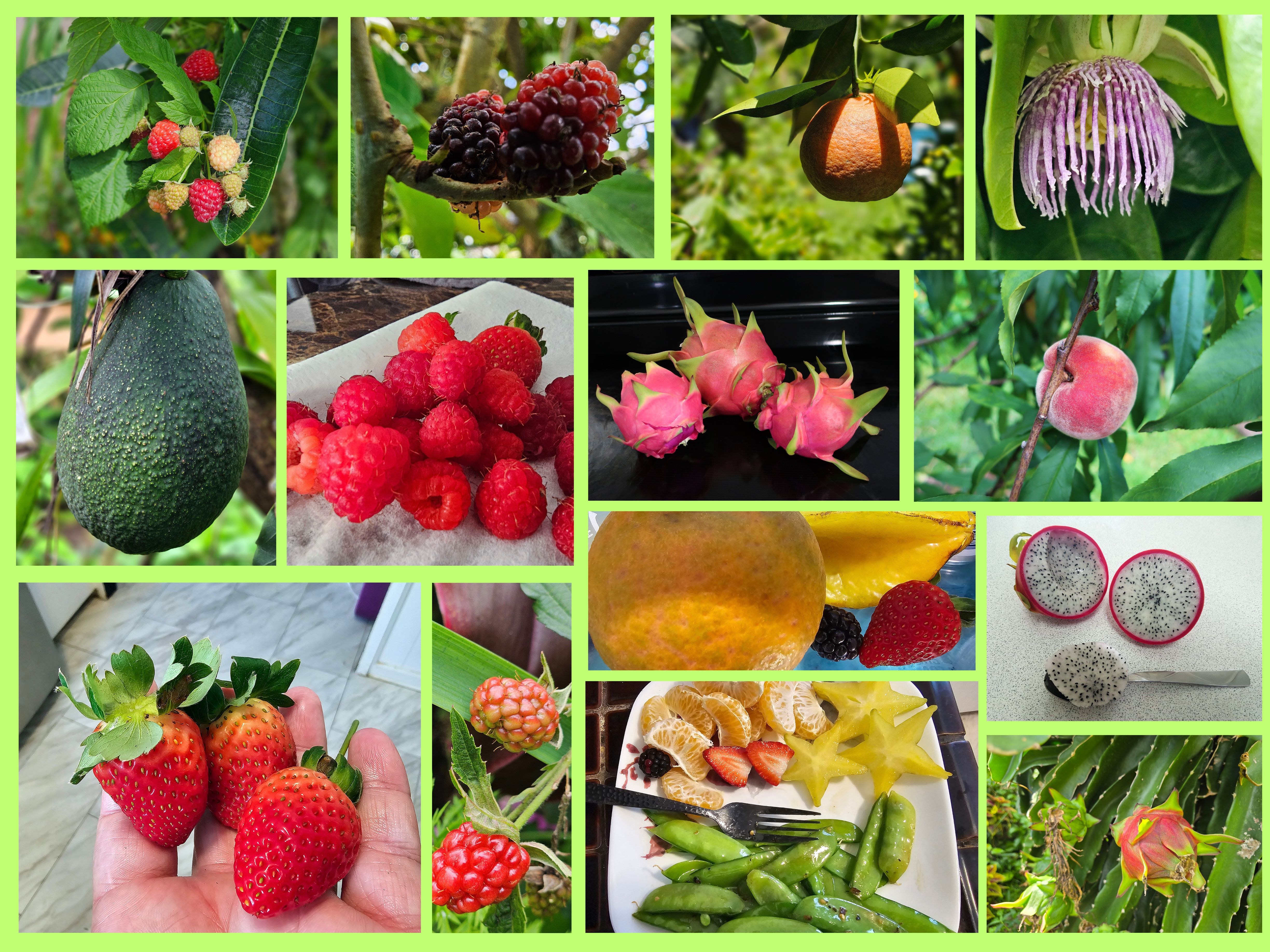
No Home Owners Association (HOA) ensures that you can have any plants or pets you want, including backyard ducks or chickens for eggs. Some of the mature fruiting plants include: Dragon fruit (5 varieties), papaya, peach, plum, avocado (two varieties), apricot, nectarine, and mulberry. Front yard beds are also full of everbearing strawberries and everbearing heritage raspberries, and a green grape vine which yielded six pounds of grapes this summer. The previous property owner had a green thumb, so some rare plants are nestled in this yard, including a blue jade vine.

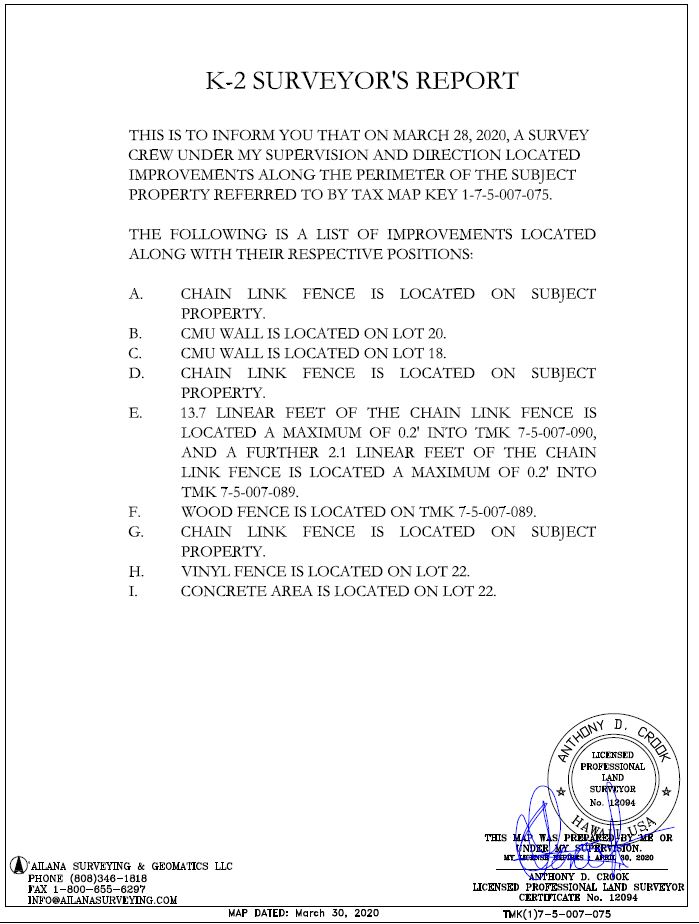
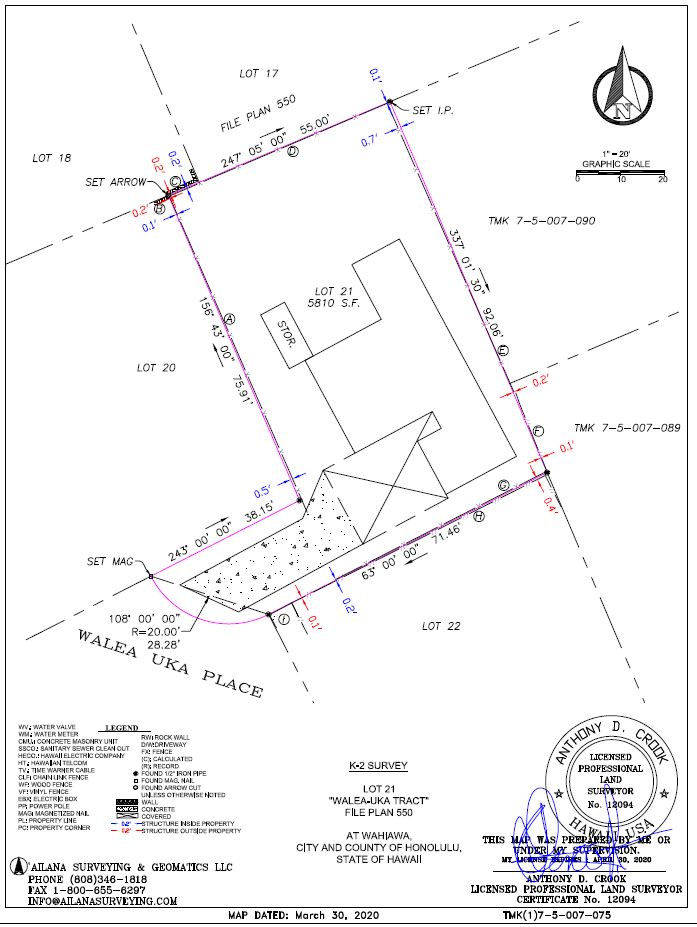
With a large outdoor deck, there is ample room for socializing. A cement pad in the yard could be used for a shed, gazebo, or additional patio for BBQs and entertaining. All chain link fencing belongs to the property, and only the small section of wooden fence and plastic fence in the front yard and around the Ohana dwelling are owned by neighboring properties.

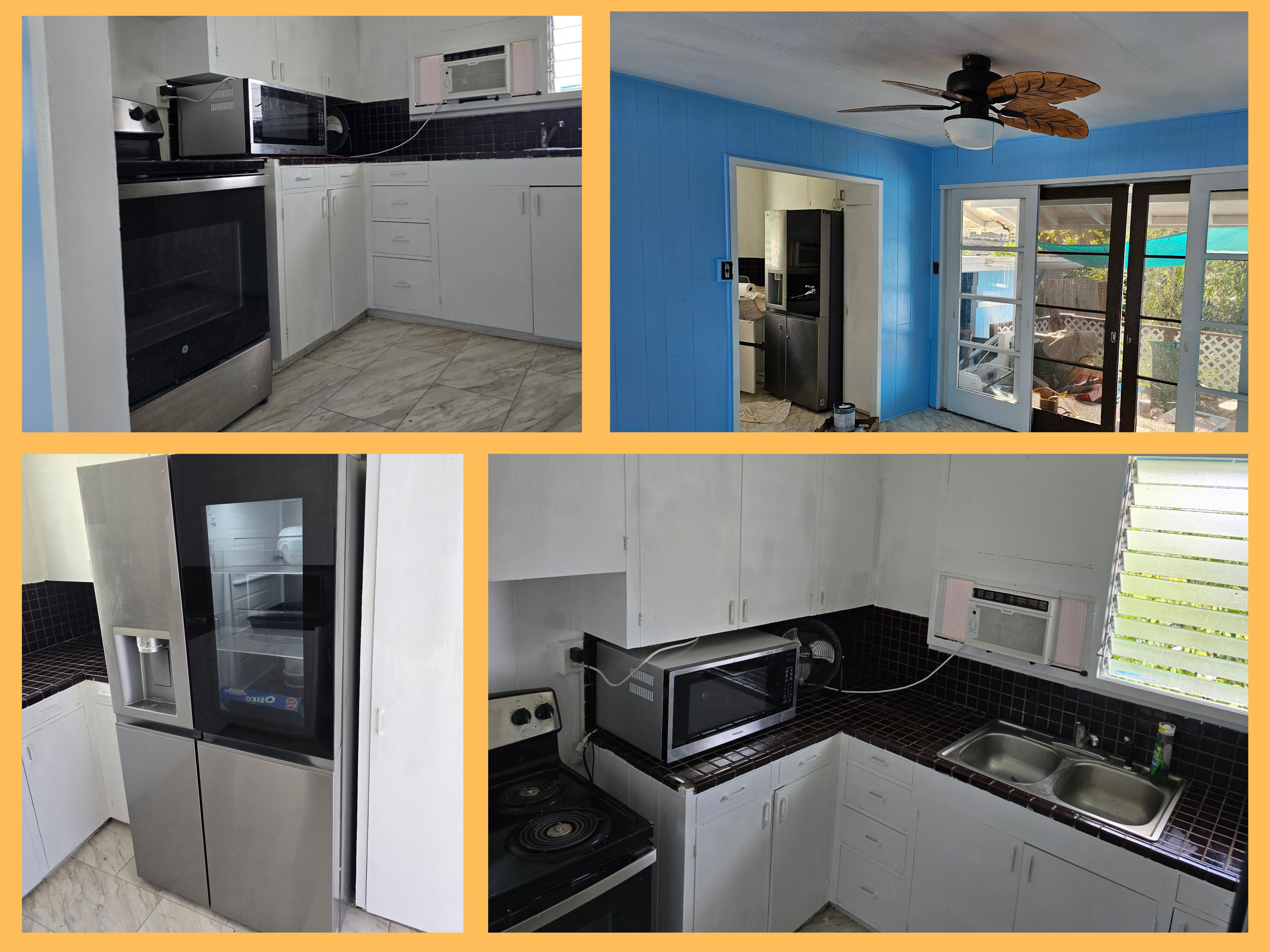
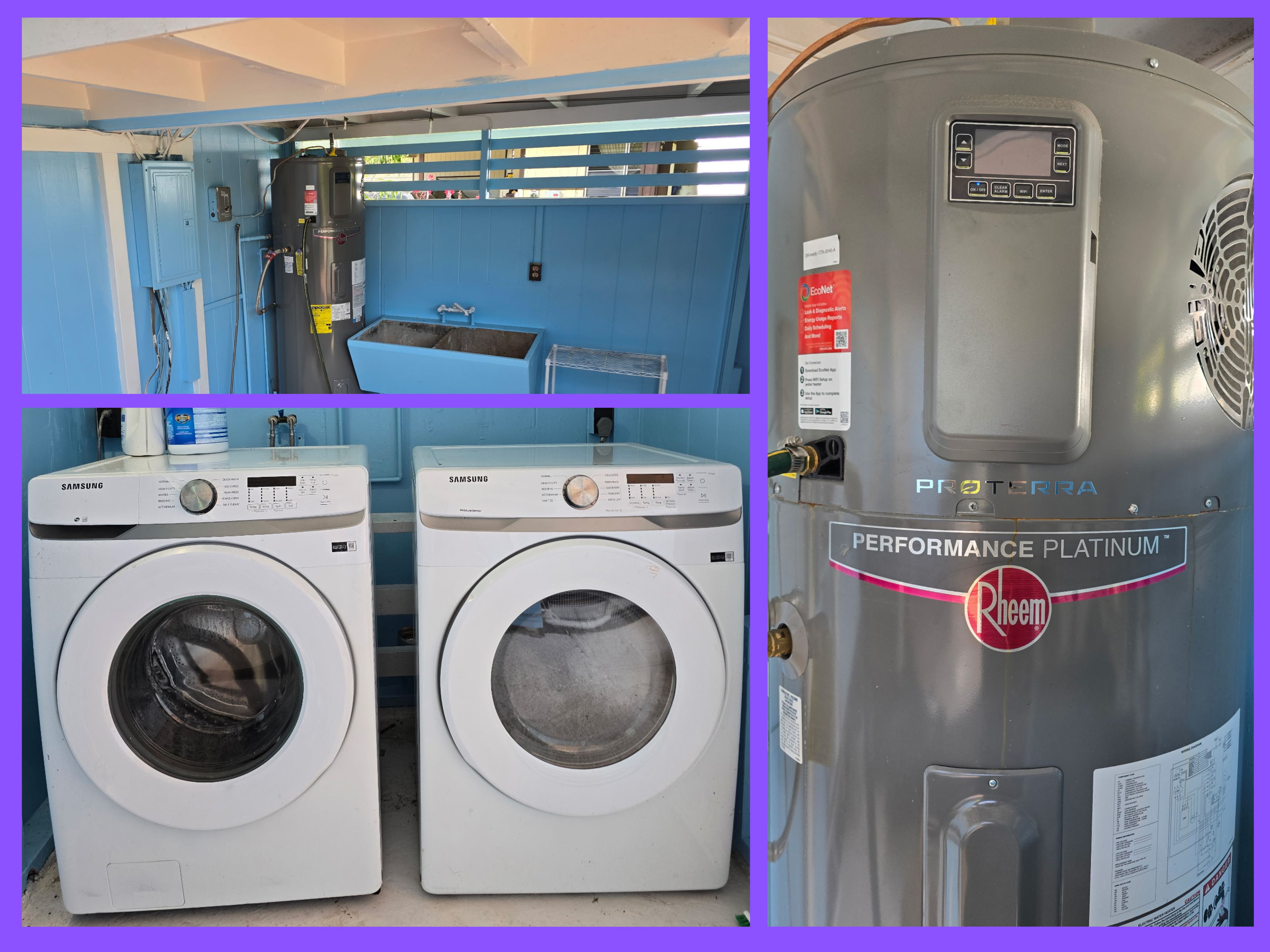
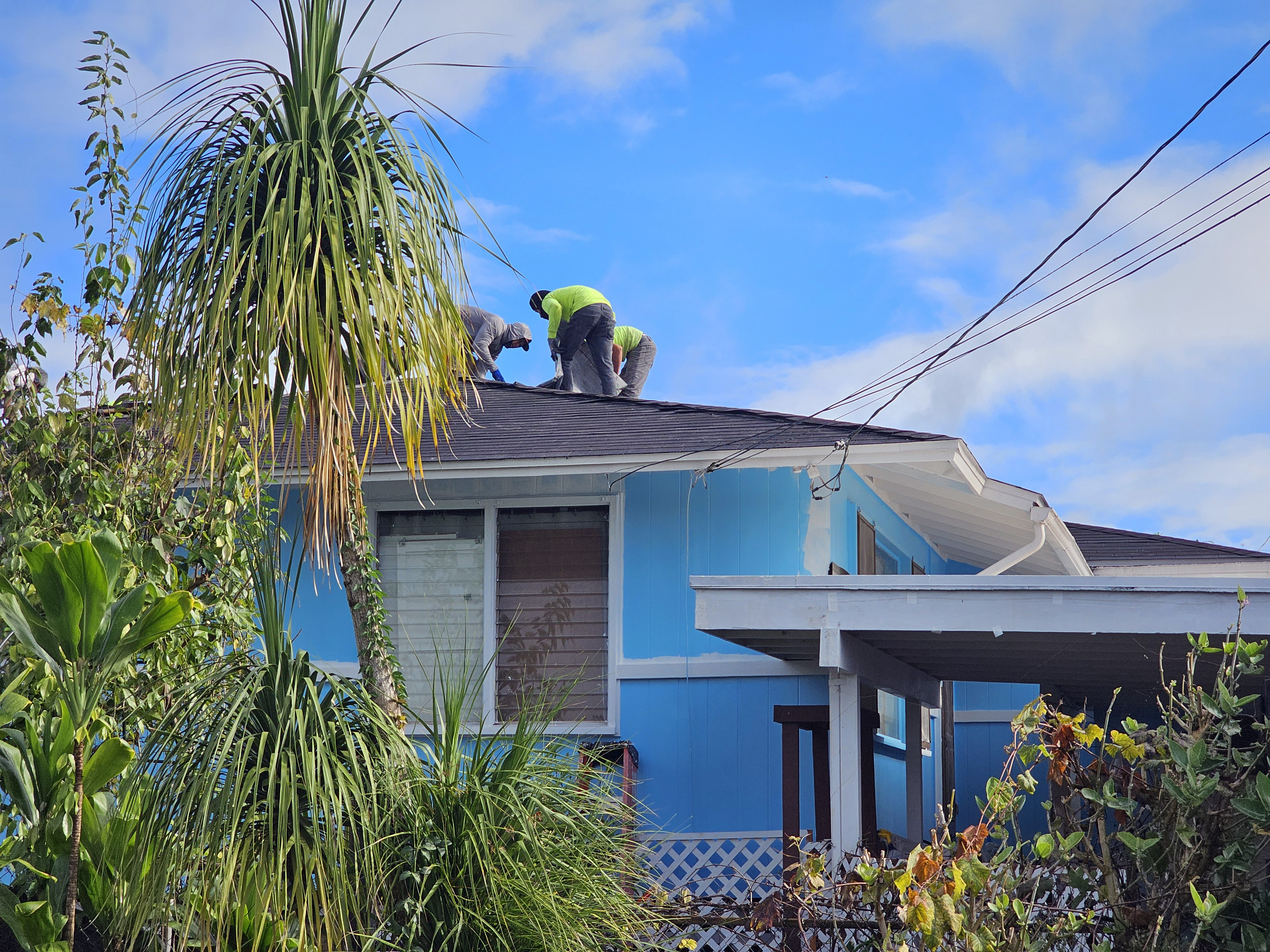
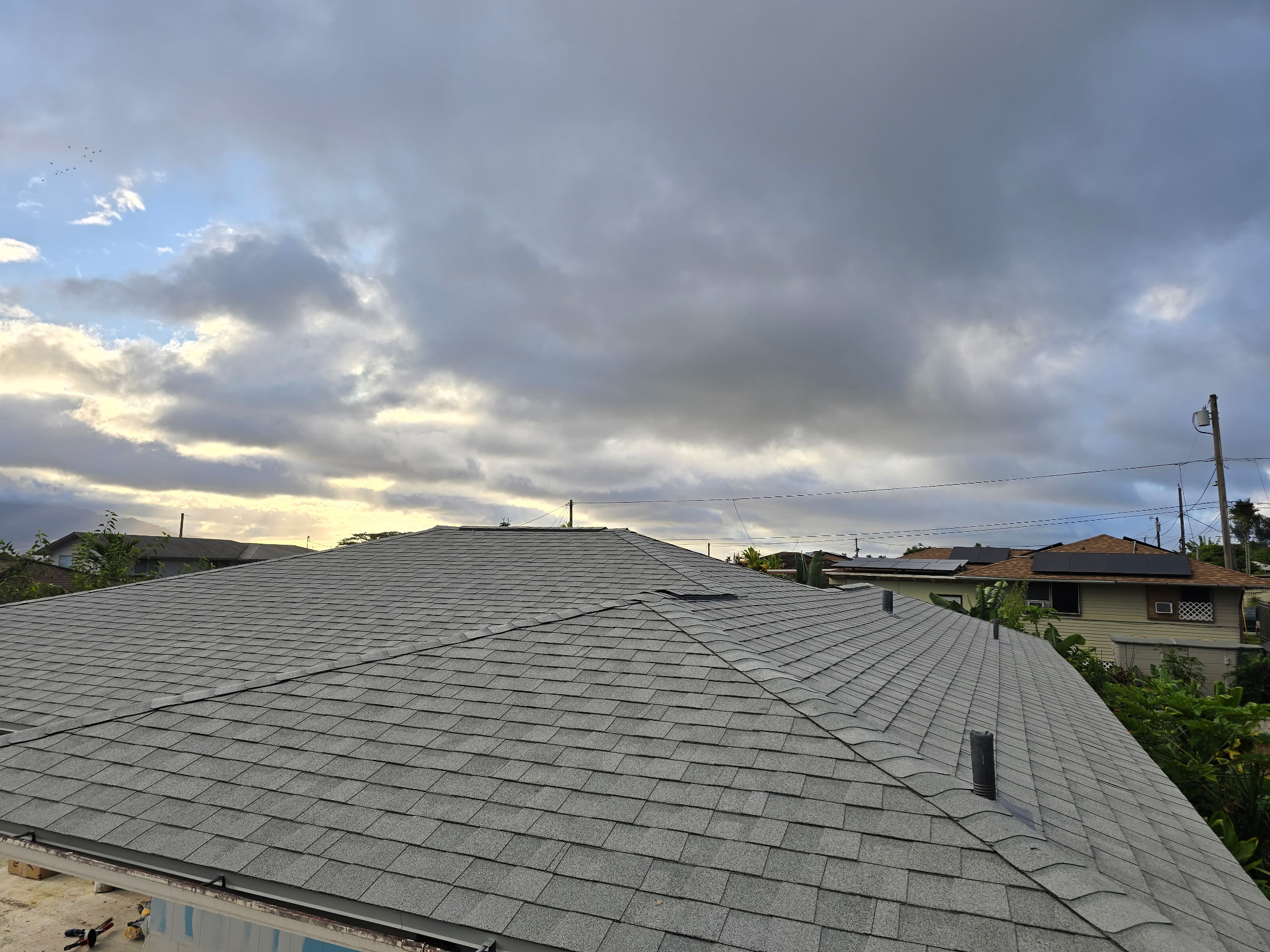
The home has been lovingly cared for with regular maintenance. Appliances have all been upgraded in the last two years. The roof was updated this year, and the home has fresh paint inside and out.

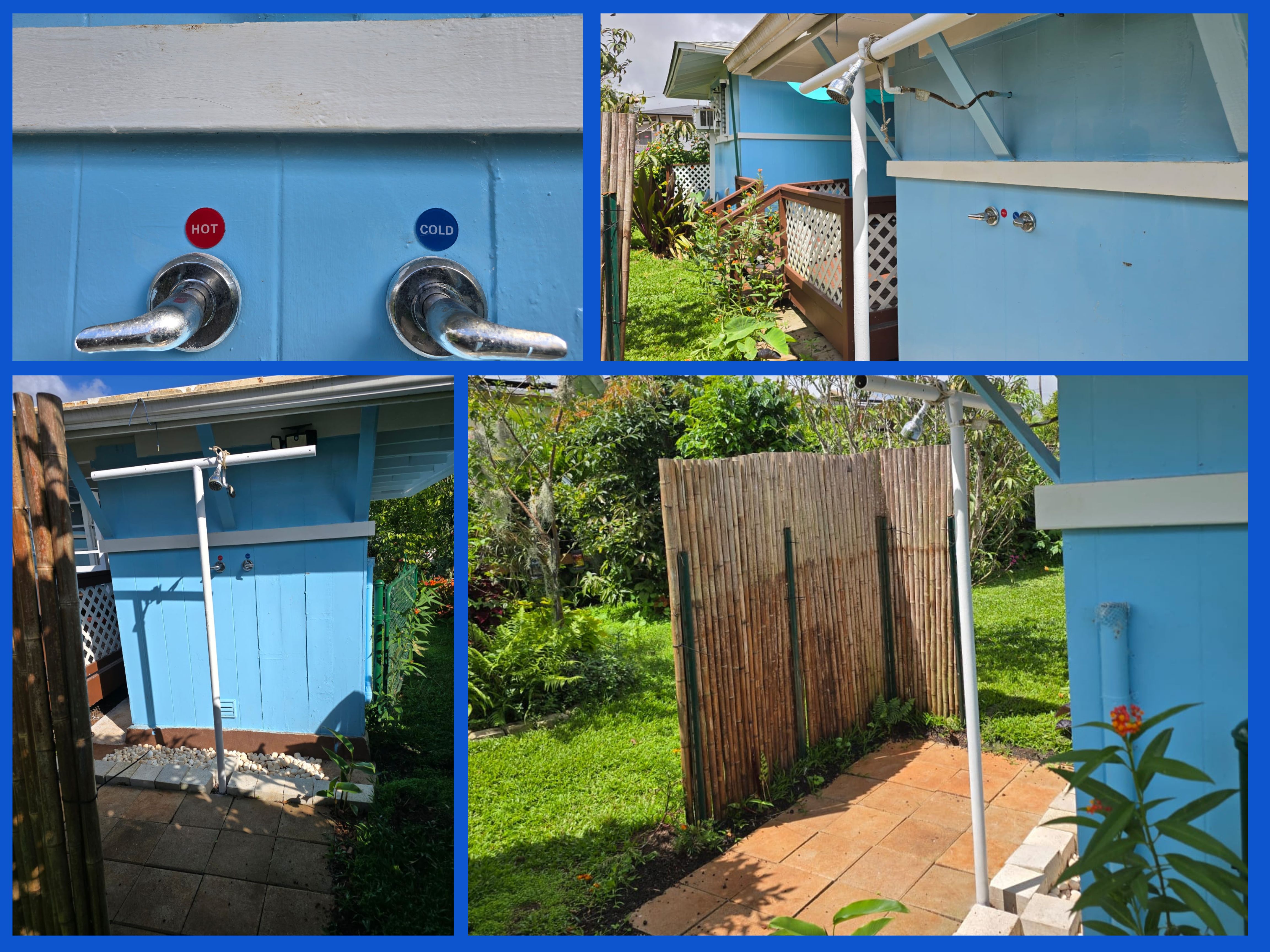
Some special features include an outdoor shower with both hot and cold water, a cement soaking tub for laundry, a carport for up to two cars, and a long driveway easement for added guest parking. A second set of washer/dryer hookups in the carport provides a 220 electrical outlet that could be used to charge an electric car. This cul-de-sac is quiet and peaceful, in a close-knit neighborhood where the children play together in the street. It is a rare oasis from the hustle and bustle of Oahu life.

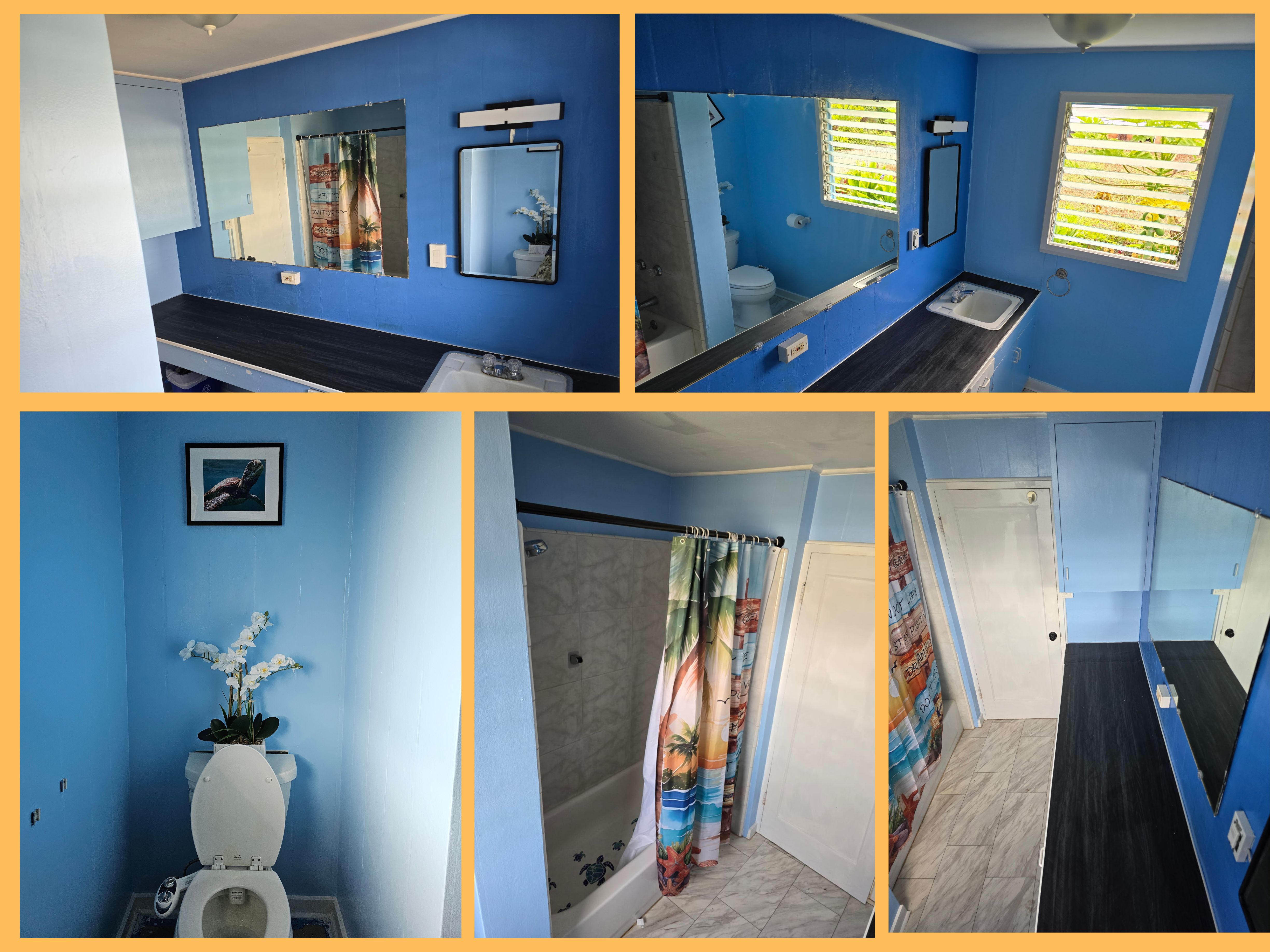
Newly Remodeled Bathroom

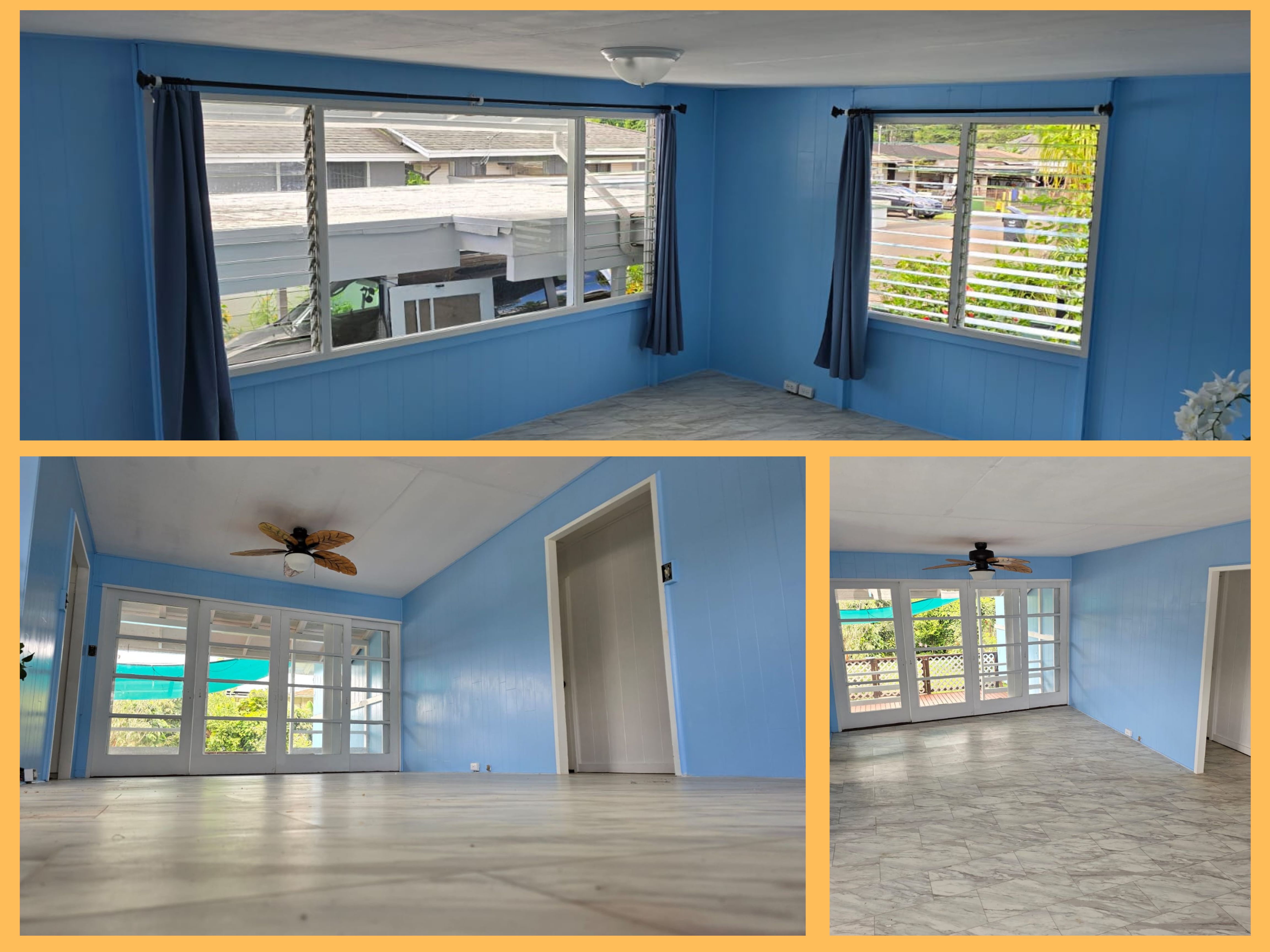
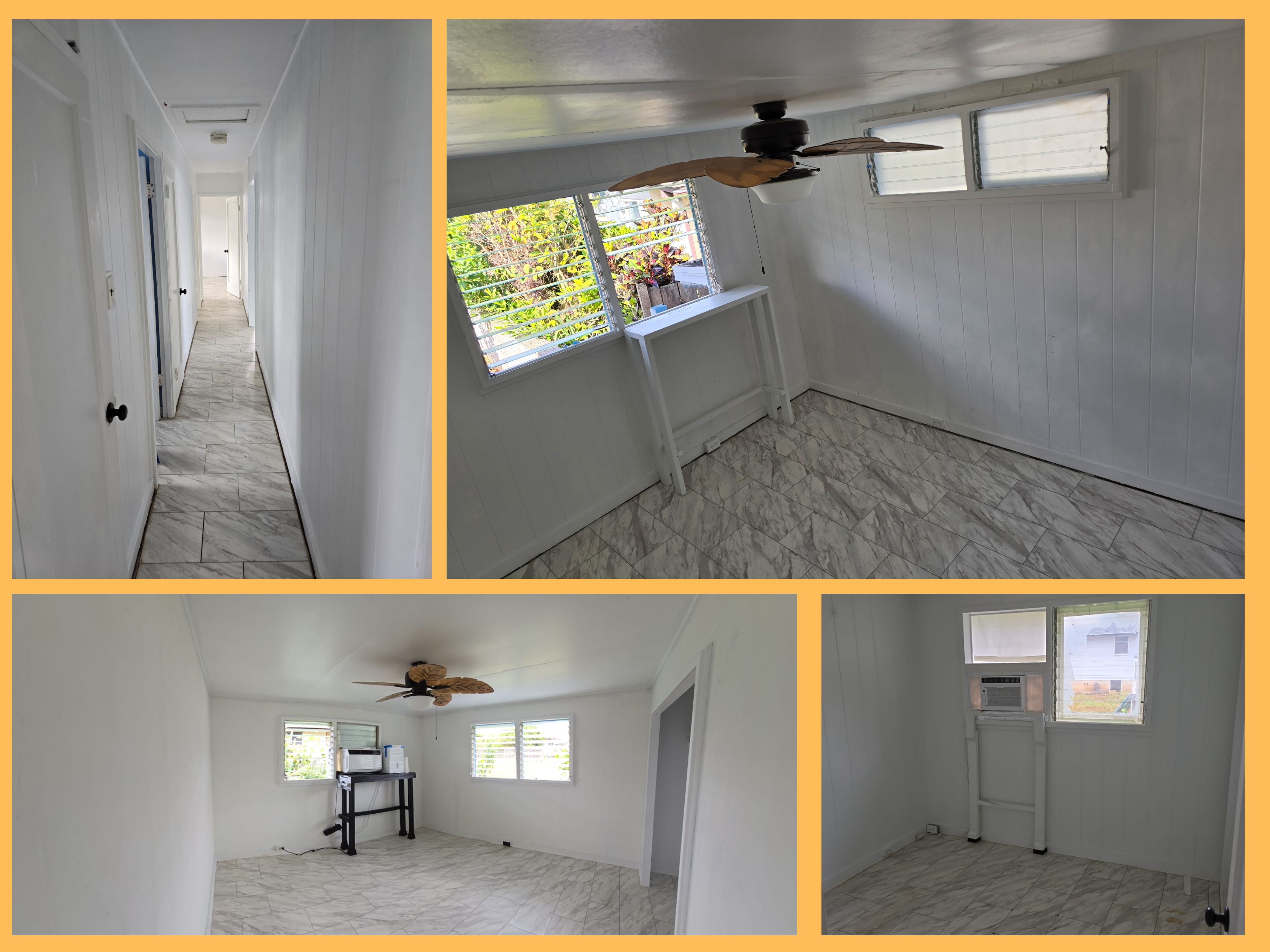
Living Room and Dining Room

Three Spacious Bedrooms

Kitchen

Laundry Room

Ohana Dwelling

Outdoor Shower

Some of the Back Yard

Some of the food from the yard

New roof being put on in January of 2025.

The new roof comes with a 7-year warranty from True Home, and I added siloxone sealant to it after it was installed to ensure that it would last a long time.

We also have the last surveyor’s report, and the stakes are still in place at the property boarders.

If Interested call Ray: (808) 495-1571

Wahiawa: Paradise on Earth. Just don’t tell anyone. It’s a secret.

Ka’ena Point

I first did this hike in the winter when it was slippery and muddy. It’s not as beautiful in the summer, but it certainly is easier and drier.

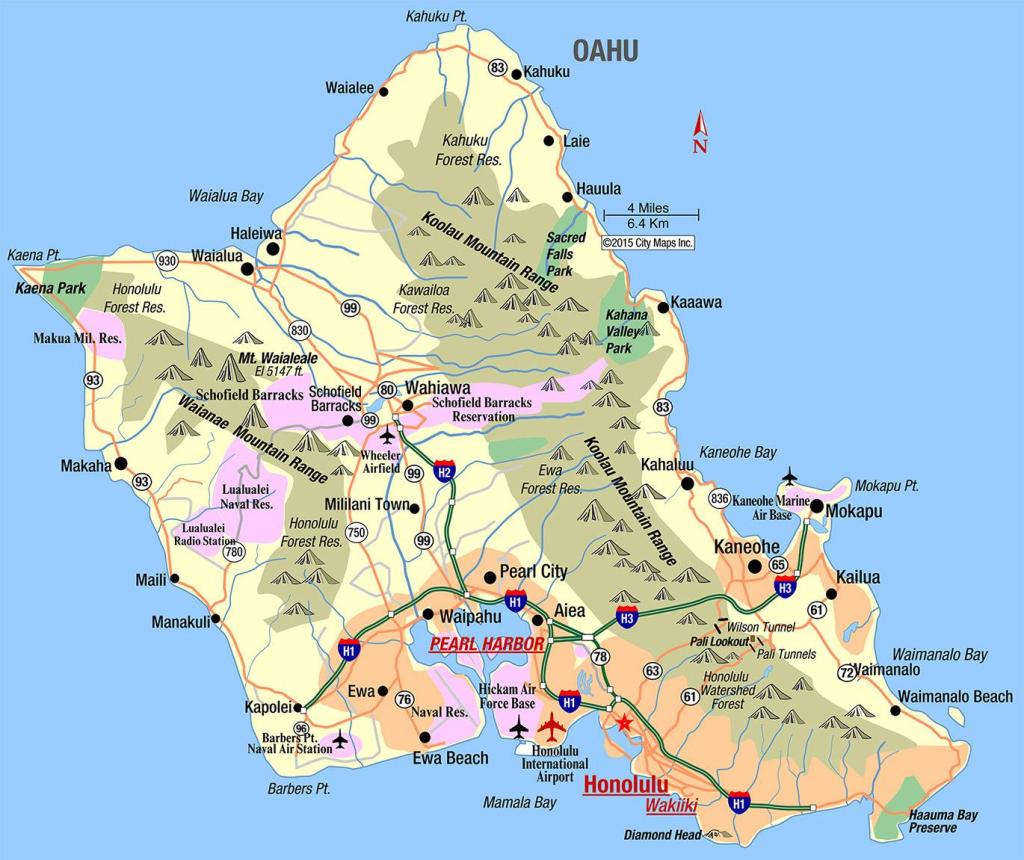
There is no way to drive to Ka’ena Point. You can access the point from the North Shore side, or from the Waianae Side. To get there from the North Shore, take the H2 over the mountains and then follow the Farrington Highway to the end. To get there from the other side, just take the H1 until it becomes the 93 as it goes through Waianae, and follow it all the way to the end.

large_oahu

From the North Shore side, you can follow a road or a path along the coast. The coastal path is more beautiful, but it zigzags up to meet the road several times, so you end up walking a lot more than the three miles it is point-to-point.

From the Waianae Side, you follow a path that is raised up on a cliff. I like this side better because it has the little blowhole and striking views. However, it’s a splash zone in the winter and the spring, and it’s definitely more dangerous.

Once you reach the point, you open a gate and go into the wildlife preserve. Please remember not to let any animals in here, including dogs and cats. The birds that nest at Ka’ena Point build their nests in the sand, so they could be threatened by any animal that gets in, including a mongoose (who would eat their eggs.) Also please remember not to feed anything or touch anything, because we need to respect nature if we want it to continue to exist. Also, bring your biggest zoom lens, because you shouldn’t get close to wildlife.

Inside the preserve, there are several trails that you can follow. The state of Hawaii has provided lots of helpful signs to tell you about the plants and animals that live in the sanctuary, so stop and read about the many things you might see.

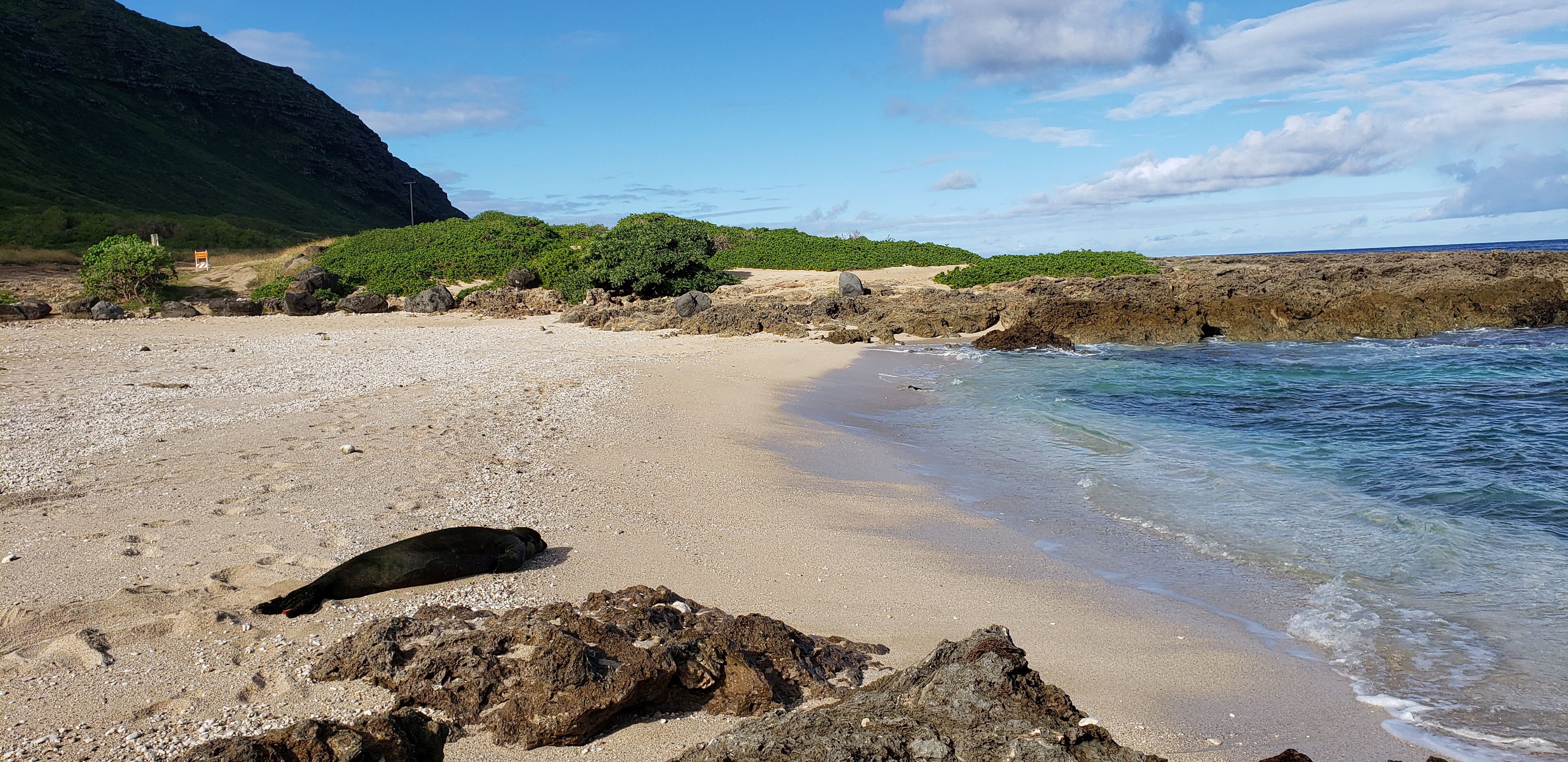
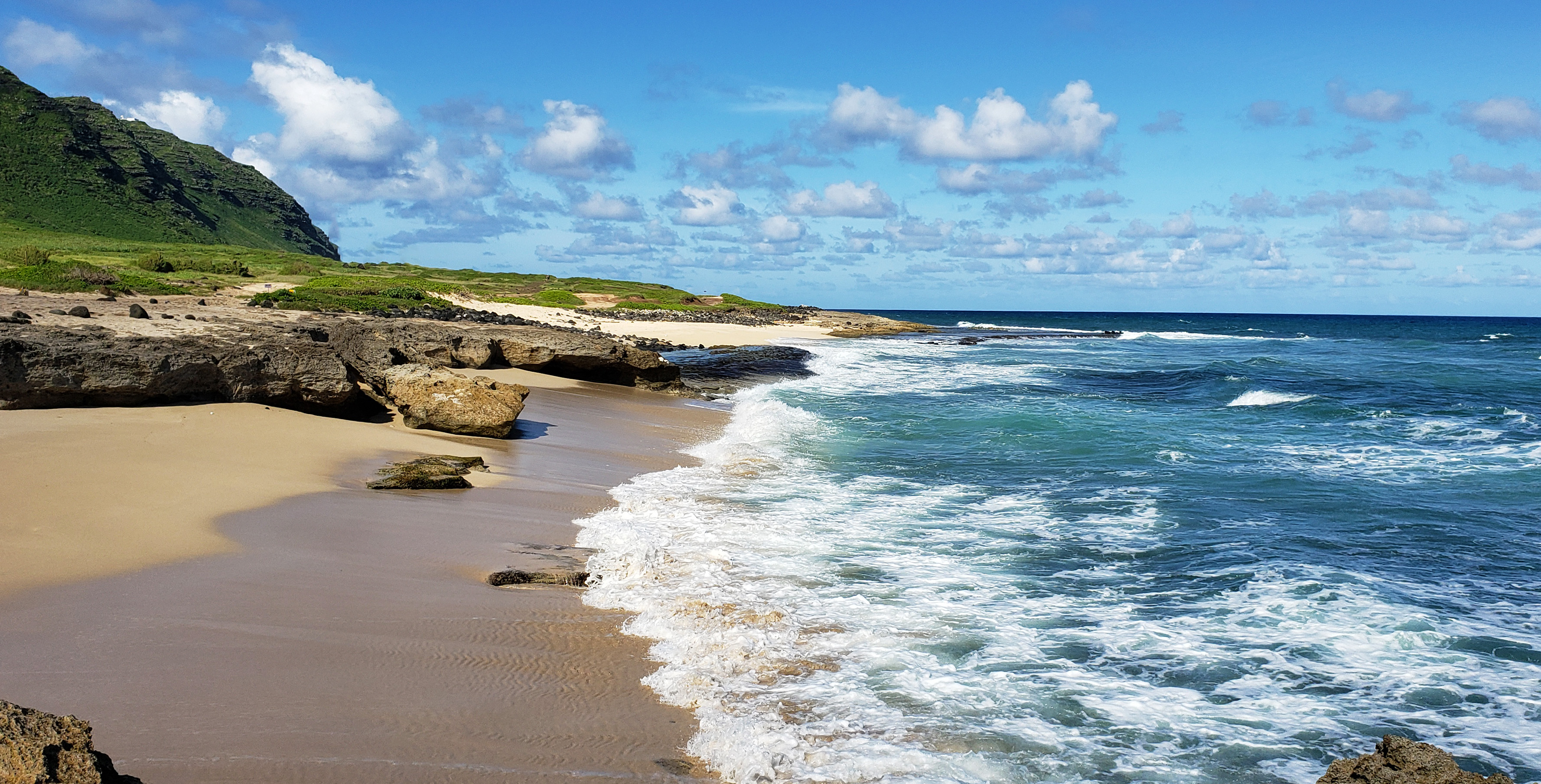
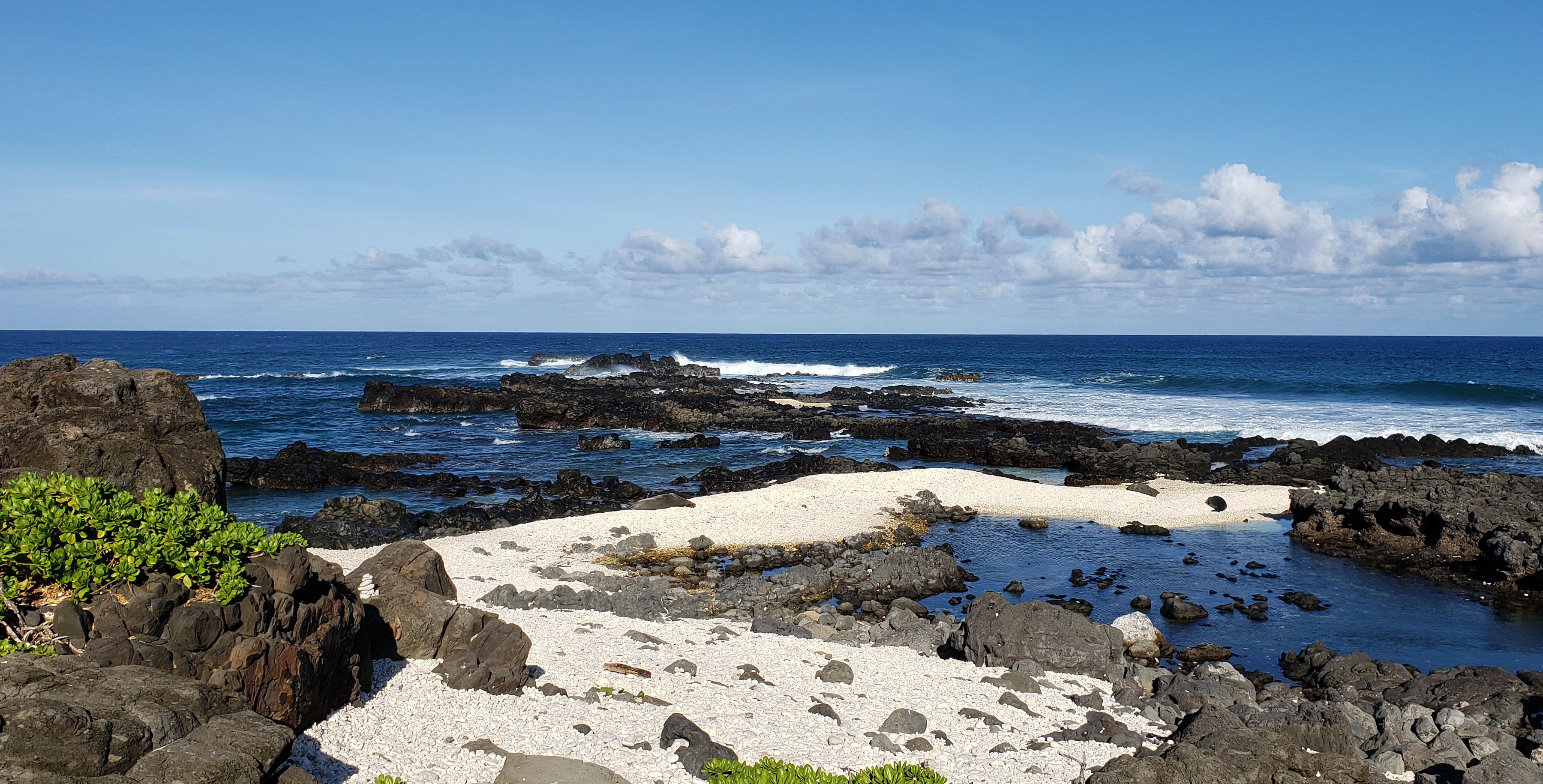
At the very tip of the sanctuary you can walk down a sandy hill and get to the point. It’s comprised of a combination of lava rock and coral chunks that have washed up, so the land is a striking contrast of black and white. Hawaiian monk seals love to come up on the rocks to rest and catch from sun. Please remember that they are an endangered species, and they are best viewed through binoculars or through the telephoto lens of your DSLR. Don’t get close to the seals, because you may startle them and force them back into the water before they have rested. This could lead to them getting eaten by a shark, and no one wants that!

This is one of my favorite places on Oahu because it’s typically very peaceful, and it offers so much beauty. However, even in the winter this hike can be hot and dry. You want to bring at least a gallon of water per person, and I’d recommend some snacks as well. Suncreen is a must, and long-sleeves and a hat would be smart. Also, it’s very windy at the point. Be prepared to hold on tight to everything that you have with you! I’ve absolutely had to chase my hat when it blew off, because the wind didn’t care about the strap that is supposed to keep it on my head.

Although the internet says that it’s three miles from either side to the point, I’d argue that the North Shore side is longer and offers a wider variety of terrain to navigate. Either way, it’s a six mile round trip at least. We started at 7am and finished at 11am last time, with lots of stops to admire wildlife and enjoy the views. You could probably do it in two hours if you were in a hurry, but you wouldn’t see nearly as much.

This is my favorite. Two albatrosses dance with each other to celebrate their chick (which is in the picture too, but well hidden.)

Remember: Last time I was there I saw tourists collecting rocks and shells. I know the urge to collect souvenirs can be strong, but if everyone did this then our island would be destroyed. Please take only photos and memories, and leave nothing behind. Also, I took these pictures with a point-and-shoot that has a 10x optical zoom. Stay 100 feet away from the animals. They need their space. 

Diamond Head State Monument

sunrise

Most of the hikes on Oahu are a bit off the beaten path, but Diamond Head hike is not. It’s located in Honolulu, and it looks out over the resorts and the downtown area.

You drive up and pay $5 per car to park. You’ll get a ticket to put on your dashboard and a map of the park.

pineapple shop

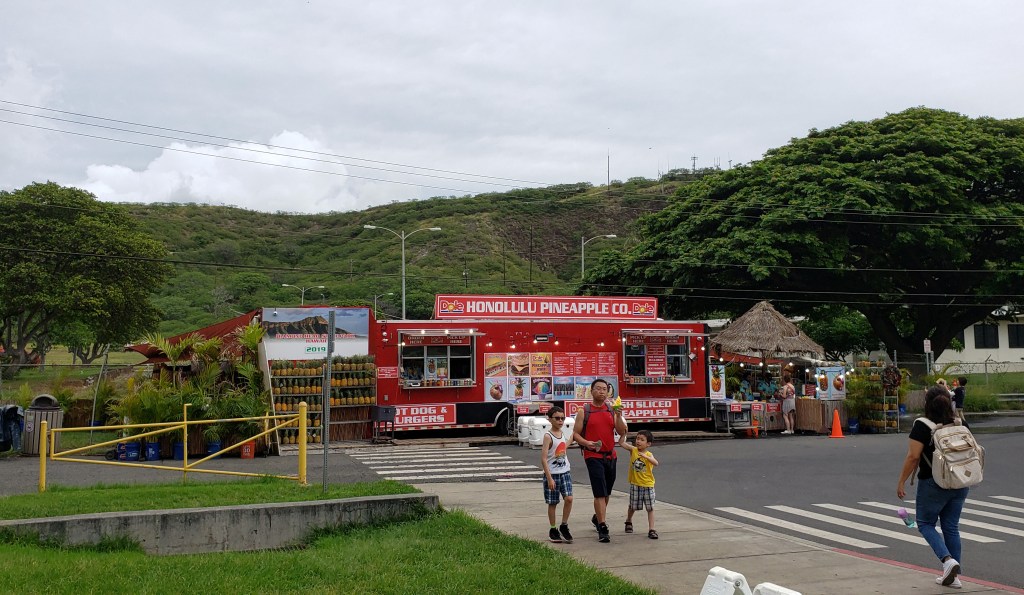
At the entrance, there are bathrooms, a gift shop, and a pineapple stand (where you can get those fancy drinks in pineapples that everyone always has pictures of.)

Then, you start up the trail. It’s a brutal hike in the summer because it’s very steep and crowded. However, it’s not as difficult in the winter. I still recommend bringing water and sunscreen, though.

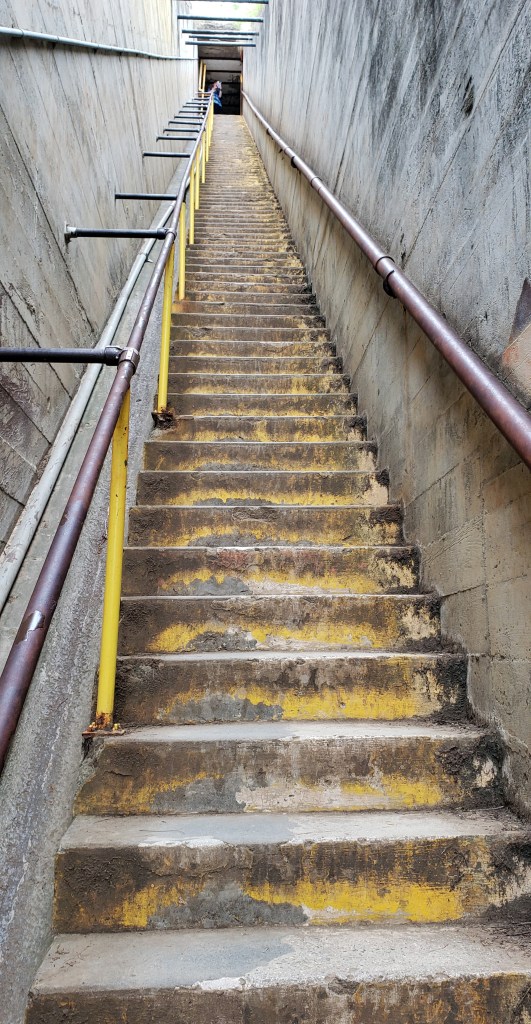
stairs

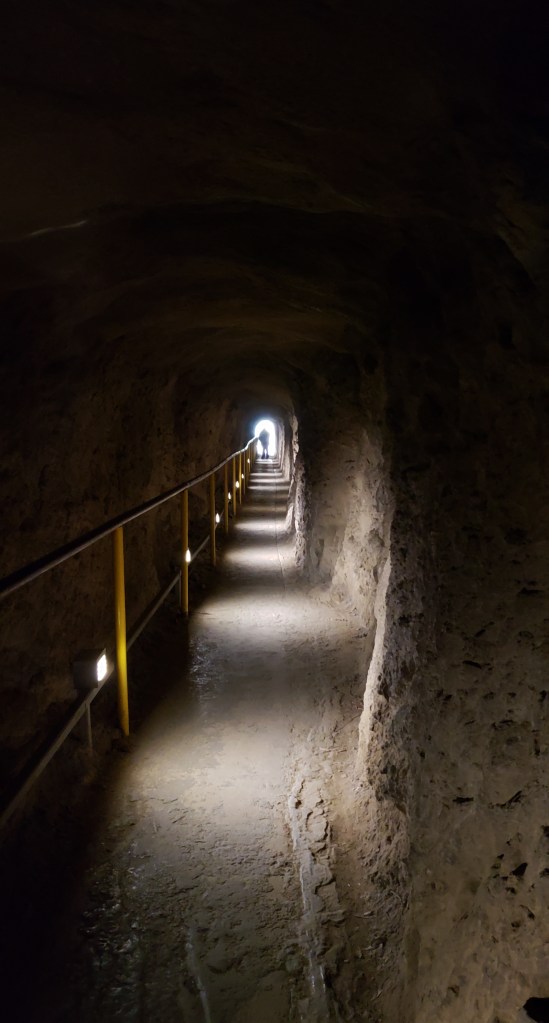
The trail wraps up along the wall of the crater, and takes you through a very narrow tunnel.

At a lookout halfway up, you can choose to continue back into the tunnel and do a spiral staircase to the top, or take metal stairs that are outside.

I recommend the metal stairs because being crammed into dark and narrow tunnels with lots of people isn’t my idea of a good time.

better tunnel shot

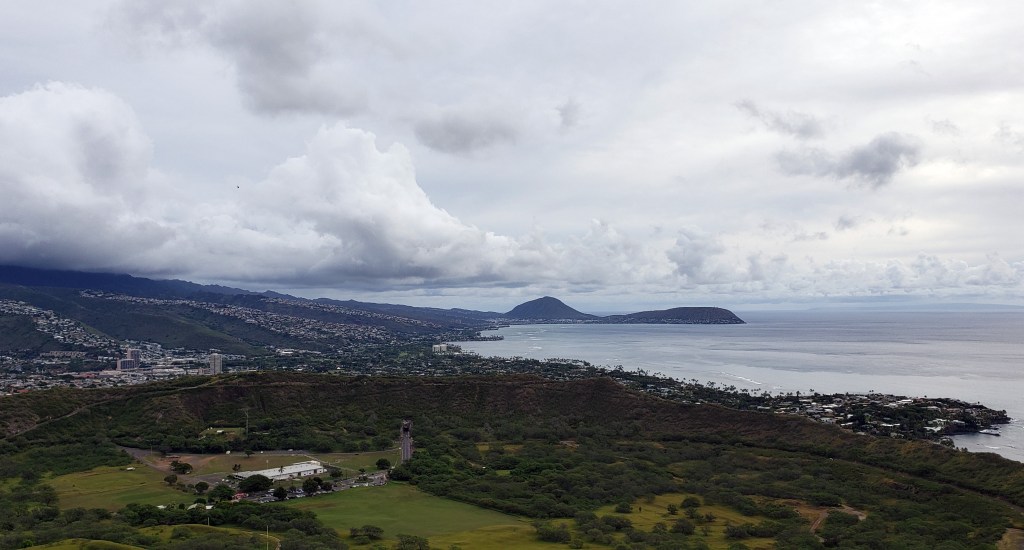
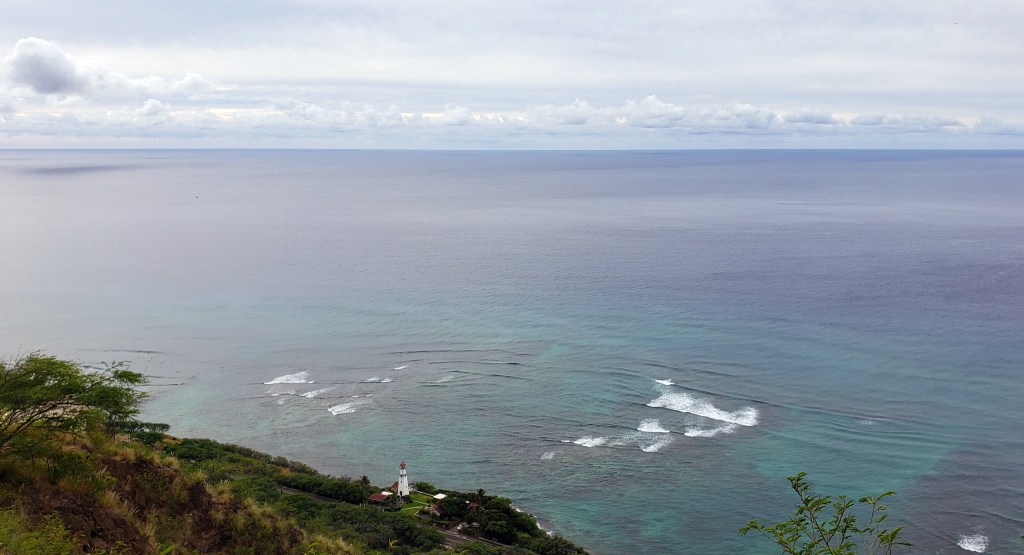
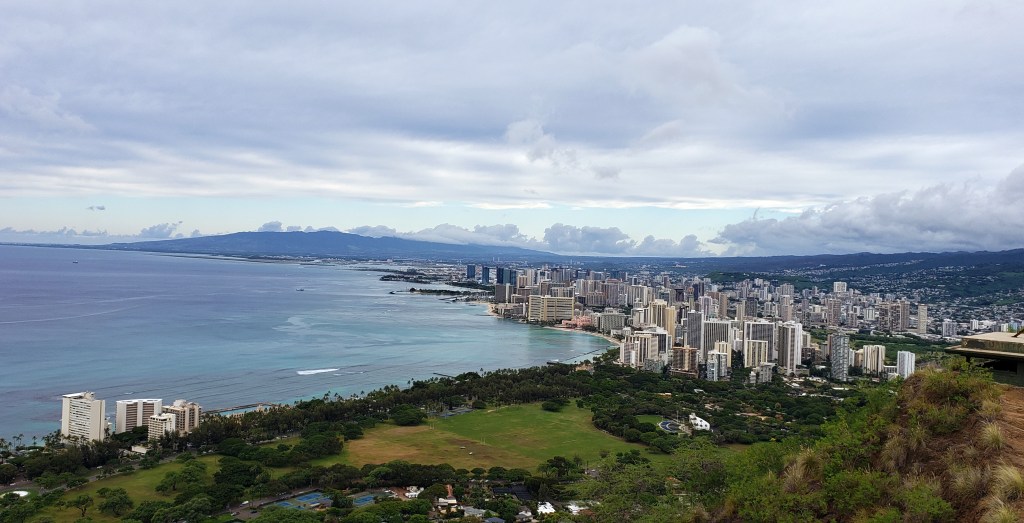
From the top, you can see Diamond head lighthouse directly below, as well as Honolulu on one side and Koko head on the other side.

view of city

The sweeping views are pretty amazing for what is a fairly short hike. I did it at sunrise, and it only took me about half an hour.

looking towards kokohead

In spite of the crowds, it’s a nice little hike. I recommend everyone do it once.

lighthouse

The Esmeralda of Chile

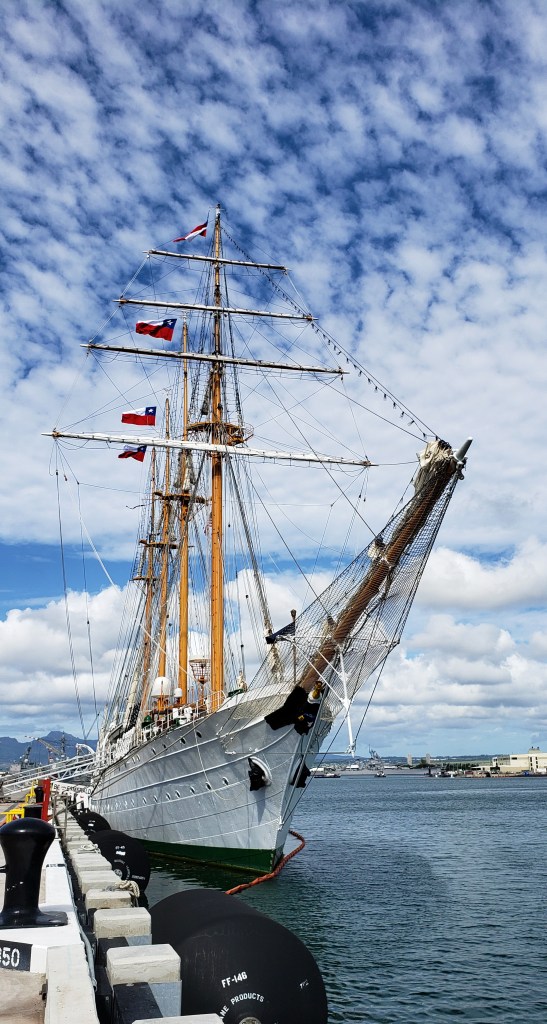
better whole ship

One morning not long ago, a sailing ship called The Esmeralda made it’s way into Pearl Harbor.

Most of the ships that come here are on very serious military missions, and as such, they’re not meant to be photographed or toured.

In general, you’re never meant to take photos in Pearl Harbor.

chilean sailors

However, The Esmeralda was visiting from Chile.

Their mission was to improve diplomatic relations with the people of the United States. And as such, several very patient sailors did their absolute best to give tours.

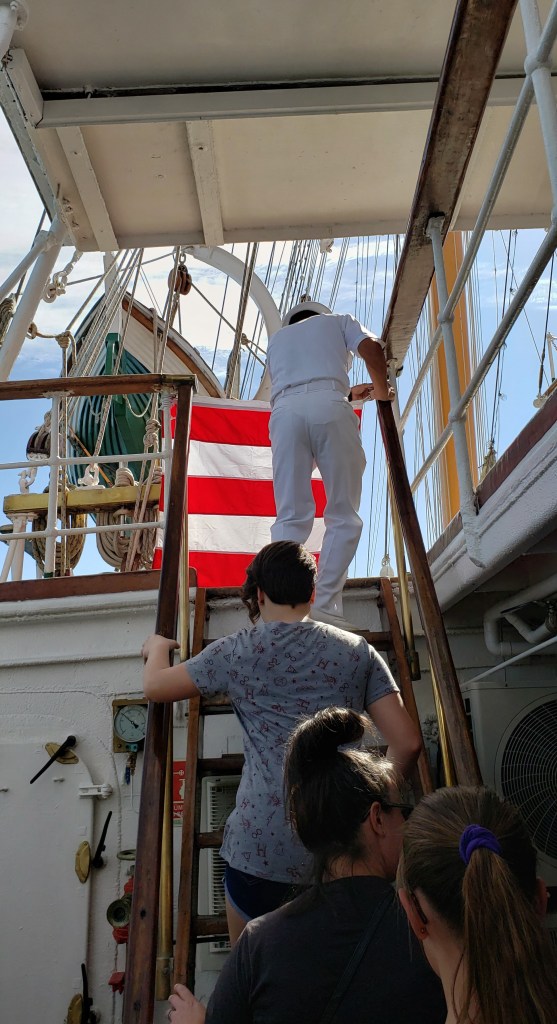
We met on the dock, and were given a walk through of all the unclassified parts of this tiny ship.

ladders

Most sailing ships are fairly old. However, The Esmeralda was actually not commissioned into the official Armada of Chile until 1954.

It is a more modern ship in that regard, and so it possesses engines that can be used when they are becalmed.

It also has more undated features for the crew, such as modern cooking equipment in the mess.

little boats

My tour guide did his very best to converse only in English (as he had been ordered to,) which meant that I wasn’t able to ask a lot of questions.

Thankfully, I was given a helpful brochure on the tour that told me everything I wanted to know.

The ship’s maximum speed with sails is 21 knots. It’s engines are much slower, and can only move it at 13 knots. That means that it takes a long time to get places.

guns

On the specific tour they were on, they’d gone from Chile to New Zealand, then to Australia, then to Bali and Indonesia, then to Singapore, China, South Korea, and Tokyo.

We were their second to last stop here in Hawaii, on their way to French Polynesia and then home.

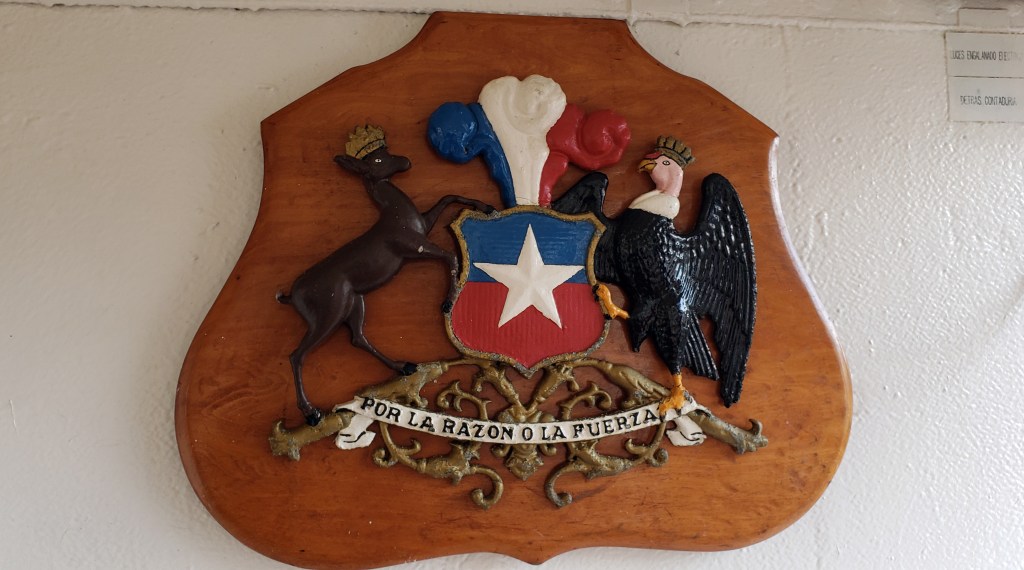
wooden seal

Unfortunately, boats can only come into the harbor being pulled by tugboats. Therefore no one here was lucky enough to see The Esmeralda under full sail.

My tour guide assures me that it’s just like flying to be up on one of the masts when the sails are down. He actually got pretty sentimental about it when I asked.

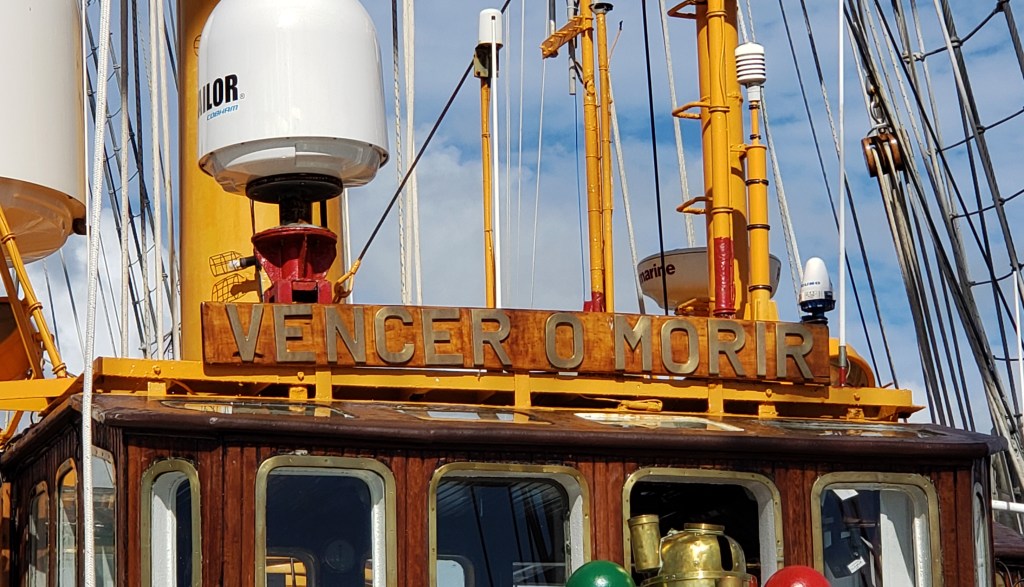
victory or death

A few facts that I found truly charming:

The National Bird of Chile is a chicken, and The Esmeralda has one on the bow of the ship.

The motto of the Chilean Armada is “victory or death.”

Also, it’s a training ship, as as part of their training the left the new sailors in the middle of the ocean in life boats for a day and just sailed away.

And finally, the guns work, but they are antiquated and my tour guide assured me “they’ve never been used on anything living.”

Very classy, Chile. Very classy.

Jenifer DeLemont

Aloun Farm

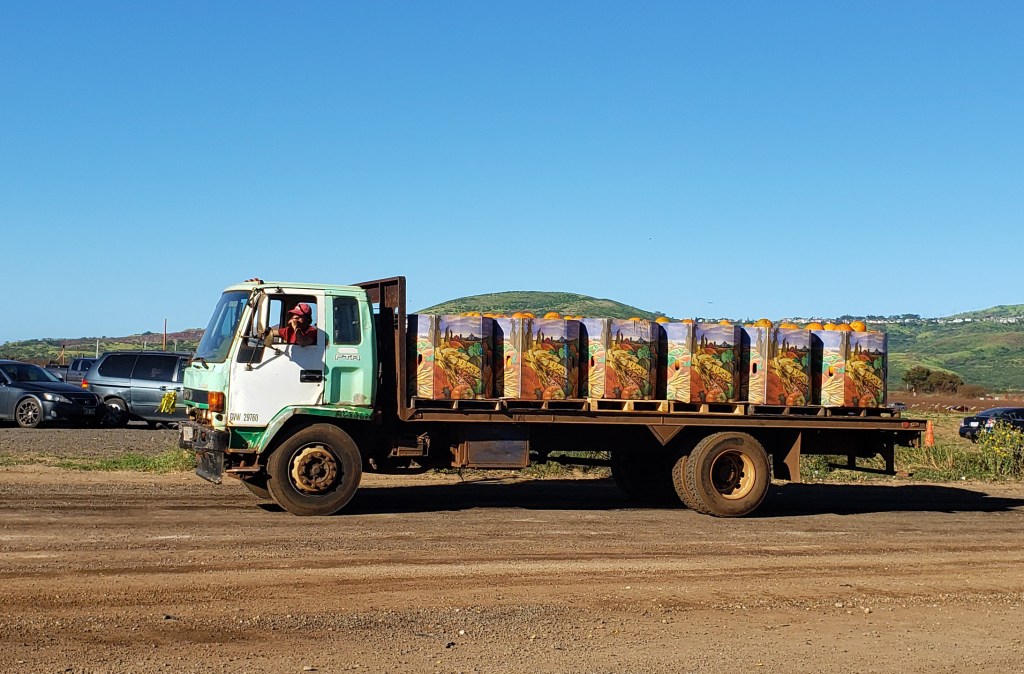
pumpkins on truck

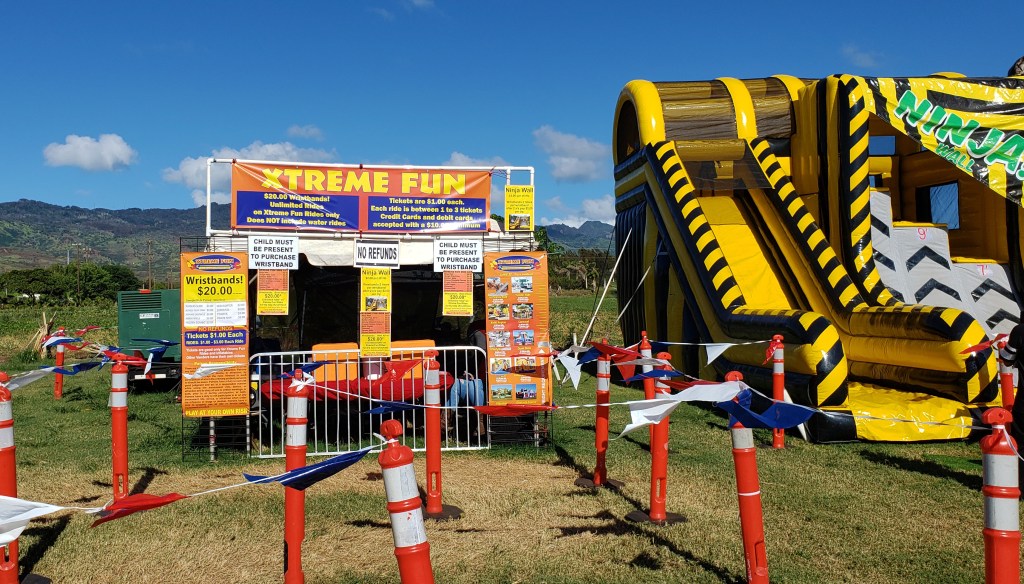
I should disclose that my husband and I do not have kids. This is releveant because I think Aloun Farms is probably a great way to spend a day if you do have kids. They had so many games and rides set up that it was like being at a State Fair. I imagine children would find Aloun Farms to be a paradise.
However, for myself personally, I did not enjoy it as much as Waimanalo Country Farm.

extreme fun

First, it’s on the leeward side of the island where it’s always a few degrees hotter. That made it less pleasant than Waimanalo Farm. Also, the unpaved road is longer and rougher, and the parking lot is muddier.

Second, it was loud. They had a stage where a DJ was blasting seemingly random music out of enormous speaker stacks, and it was actually hard to hear my husband talking to me.

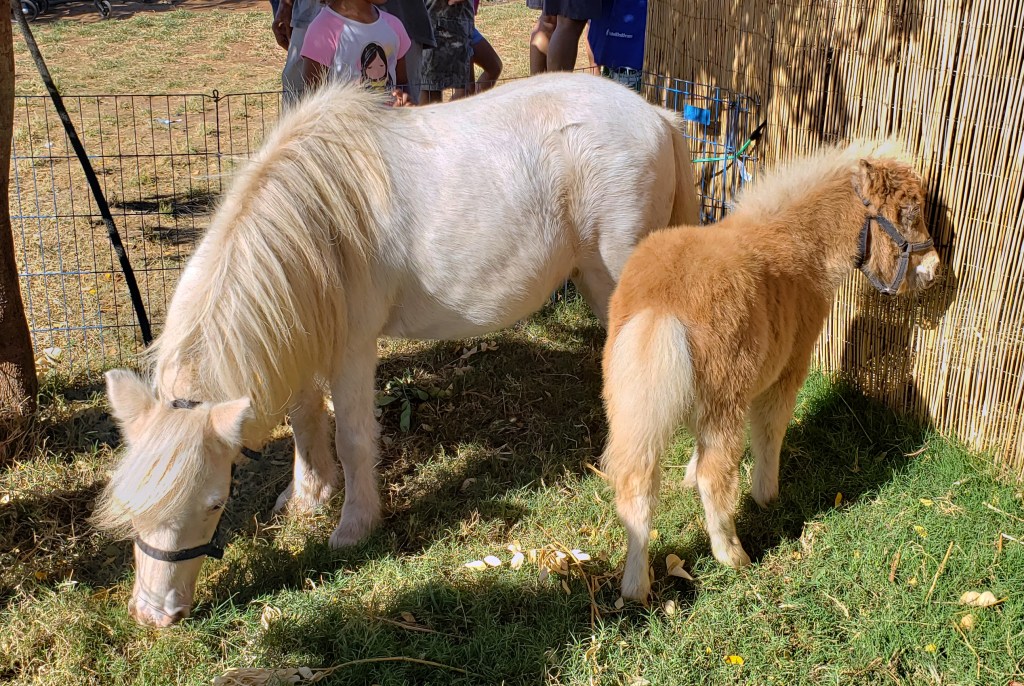
ponies

And third, the petting zoo and pony rides are really sad. Like, the animals didn’t look happy or well taken-care-of. I grew up on a farm, so I’m perhaps a little oversensitive about unhappy animals, since I bonded to so many chickens and horses and cows and a youngster. Someone else might not have noticed, but for me, I found it sad.

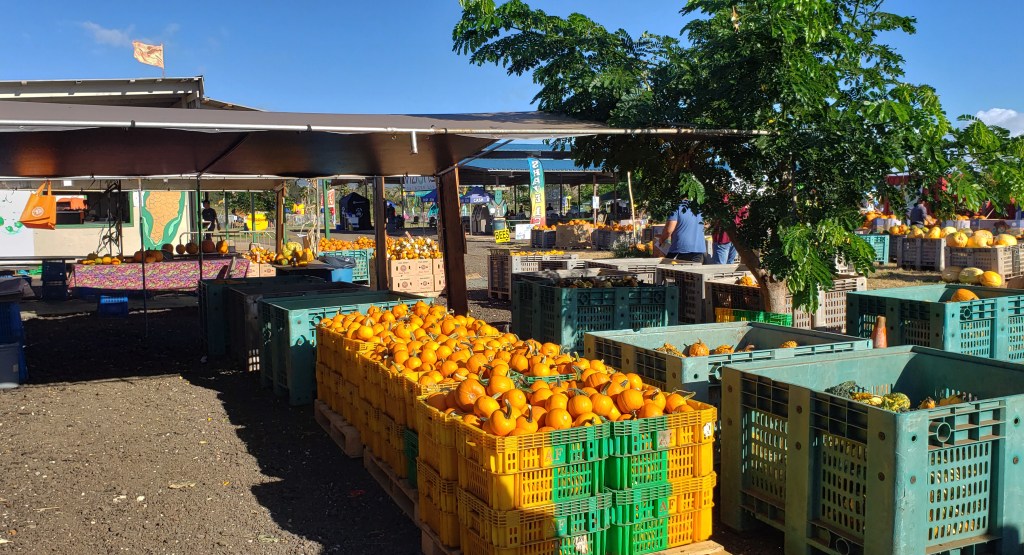
The pumpkins come in on pallets. I think they’re from off island. So, there’s no wandering around a patch looking for the perfect one. I guess you could consider that to be an advantage if you’re in a hurry, but the prices were pretty high.

stunning views

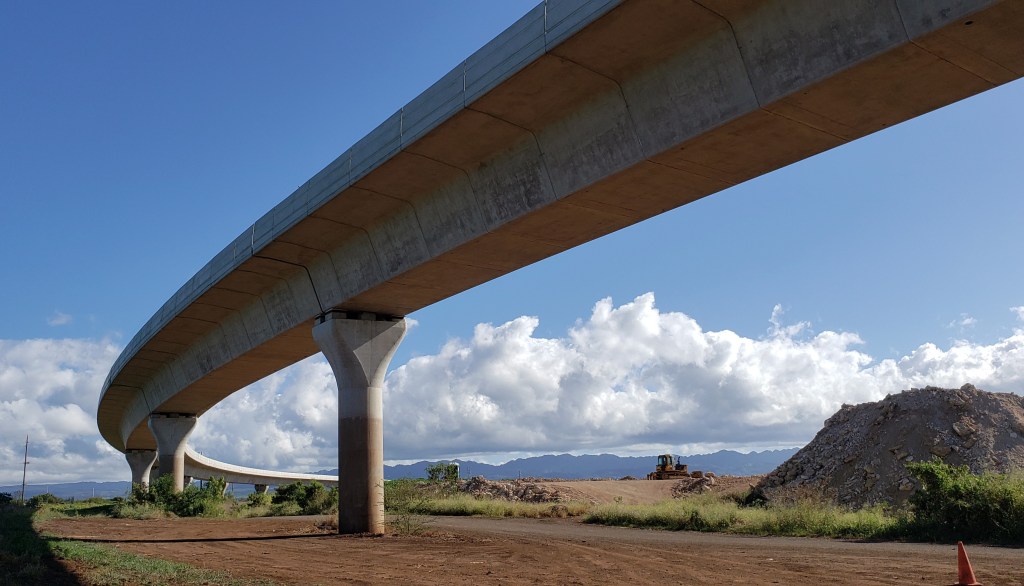
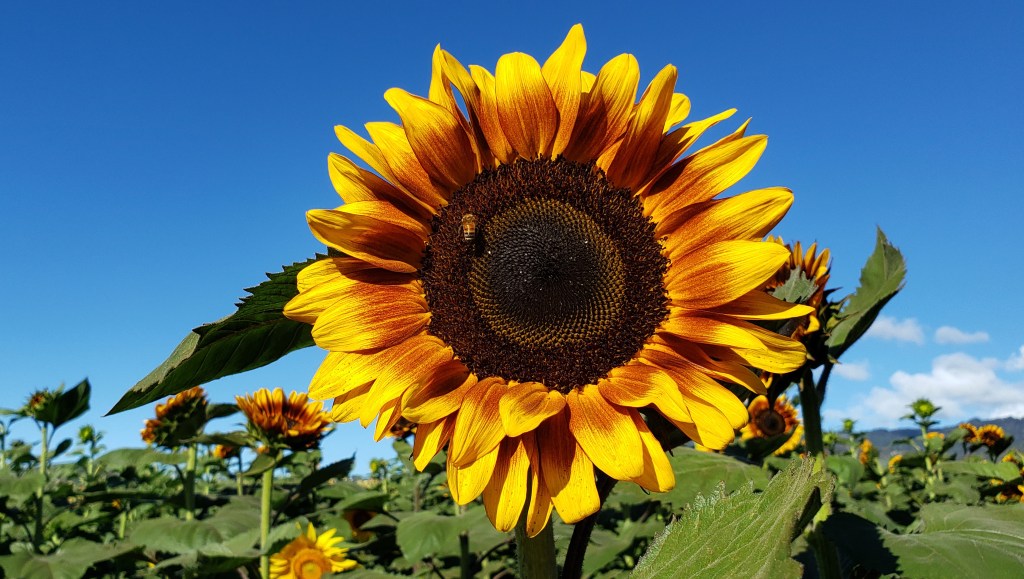
The sunflower field does have more variety. There were some very striking reds and jeweled mixes. However, it’s less impressive because the mountains behind it are not as stunning, and it’s under the light rail tracks.

red sunflowers

All that said, this is the farm you want to go to in October if you have children. It’s loud and full of shiny things, which is everything kids love. And, you can easily grab your pumpkins on the way out from the giant cartons that they’re shipped in. There are bathrooms and food options available, as well.

jeweled mix

Again, bring sunscreen and a hat. Admission was $5 per person, but if you have kids, you’ll need to bring cash for the rides and games.

pumkins by exit

Waimanalo Country Farm

scare crows and pumpkins

Near Makapu’u, there is a little farm named Waimanalo Country Farm.

It’s only open to the public on specific dates in the summer and the fall. However, it’s worth it to go out there when you can.

turkey

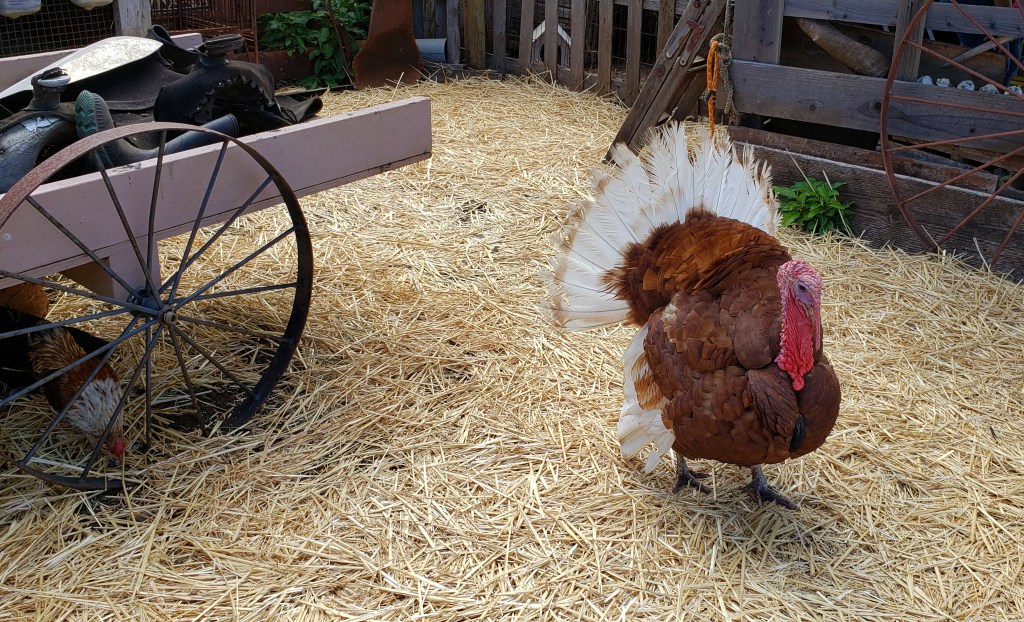
The parking area is dirt, and it’s pretty rough. I recommend taking a car or truck that won’t mind a less improved road.

After you park, you walk in and see a ticket booth. I paid $17 for access to all parts of the farm, which is the best deal.

sunflower feild is awesome

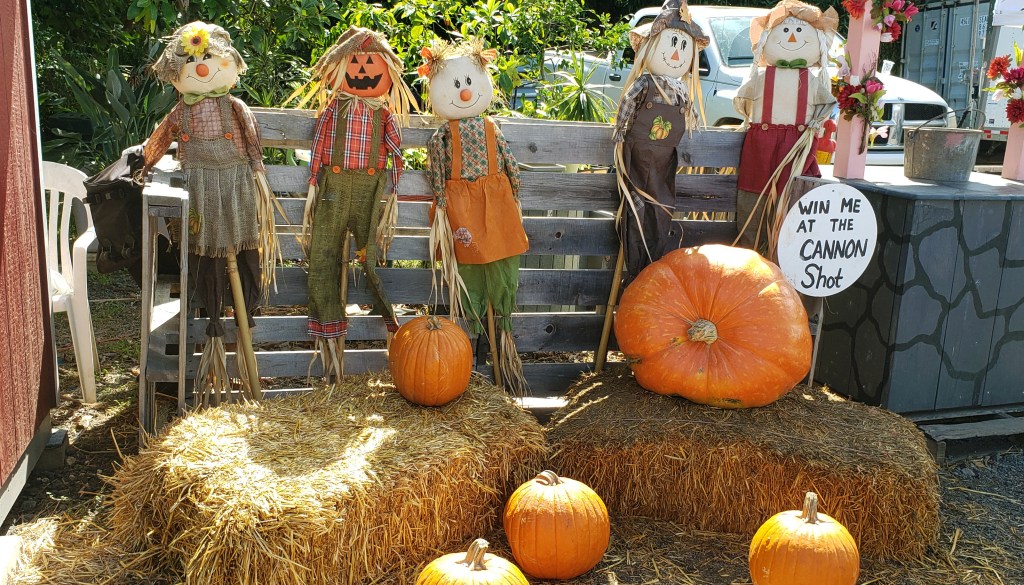
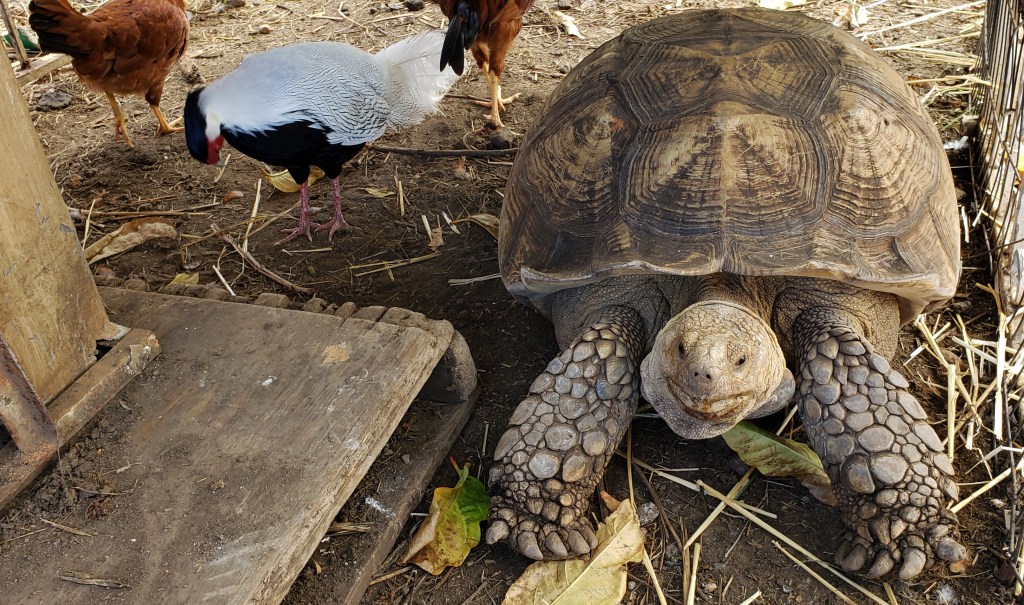
There is a hayride around the perimeter of the farm, a sunflower field, a pumpkin canon, a pumpkin patch, and a petting zoo. The petting zoo is actually quite good, and has a lot of animals. We saw ducklings, turtles, a cow, several types of goats, an alpaca, and a llama. You can buy food for a few dollars extra so all the animals will be very excited to see you.

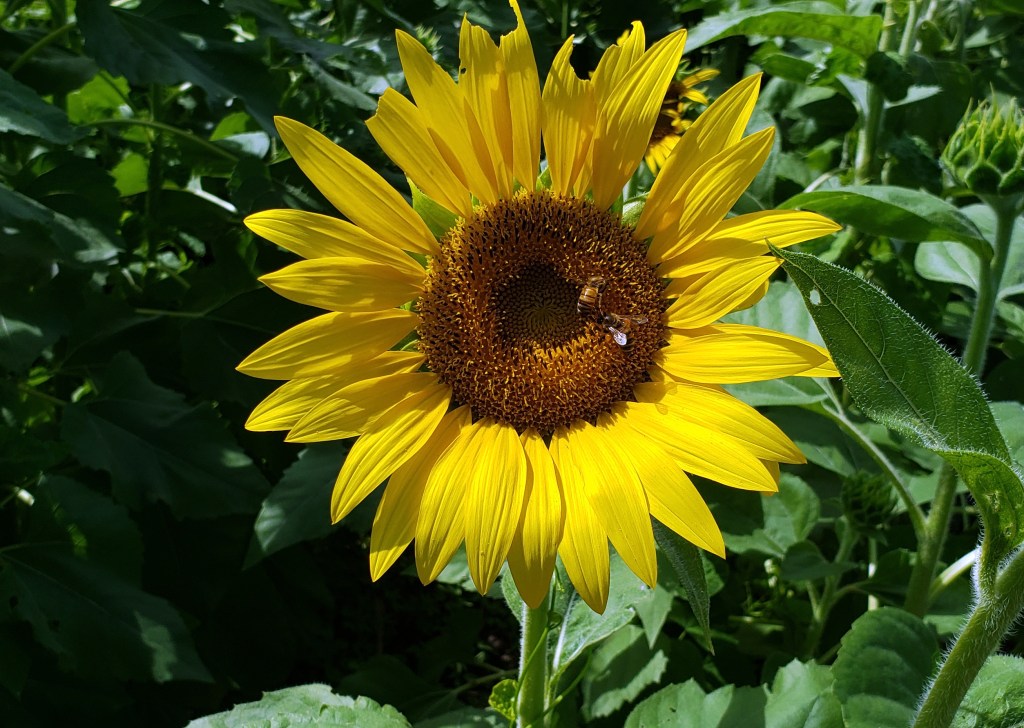
If you’re allergic to bees, bring your epinephrine, because they are everywhere.

bring your epie pin

As for the rest of the farm, it’s definitely a photo opportunity. A lot of people do their wedding photos, Christmas cards, and other pictures there.

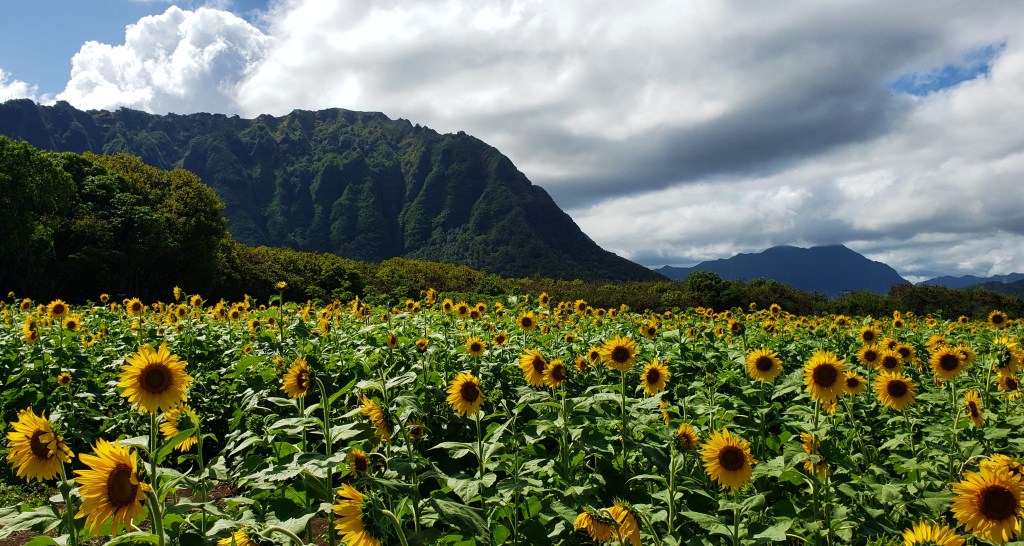
This is because the sunflower field is positively magical, and it’s set in front of some of the most striking mountains on Oahu; making for truly spectacular photos.

Jenifer DeLemont

There isn’t much in the way of things to do other than take photos and pet animals. I would allow for one hour, or two at most if you have kids.
There is food and drinks available, but nothing spectacular.

goats

The important thing to remember is that it’s hot in the Hawaiian sun, so wear a hat and put on plenty of sunscreen.

As we were walking up, I observed several people leaving with glowing red sunburns, and you don’t want that to be you.

turtle

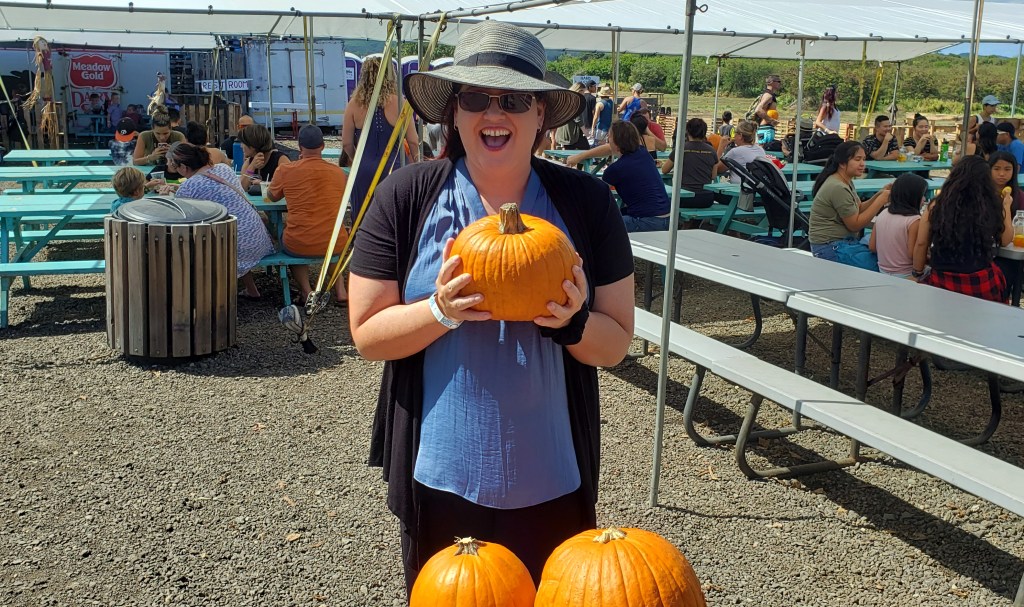
They do sell pumpkins there, and they’re a little more expensive than what you’d get at Costco or Lowe’s.
However, I think it’s good to buy from local vendors, so I encourage you to pick out your pumpkins for Halloween here.
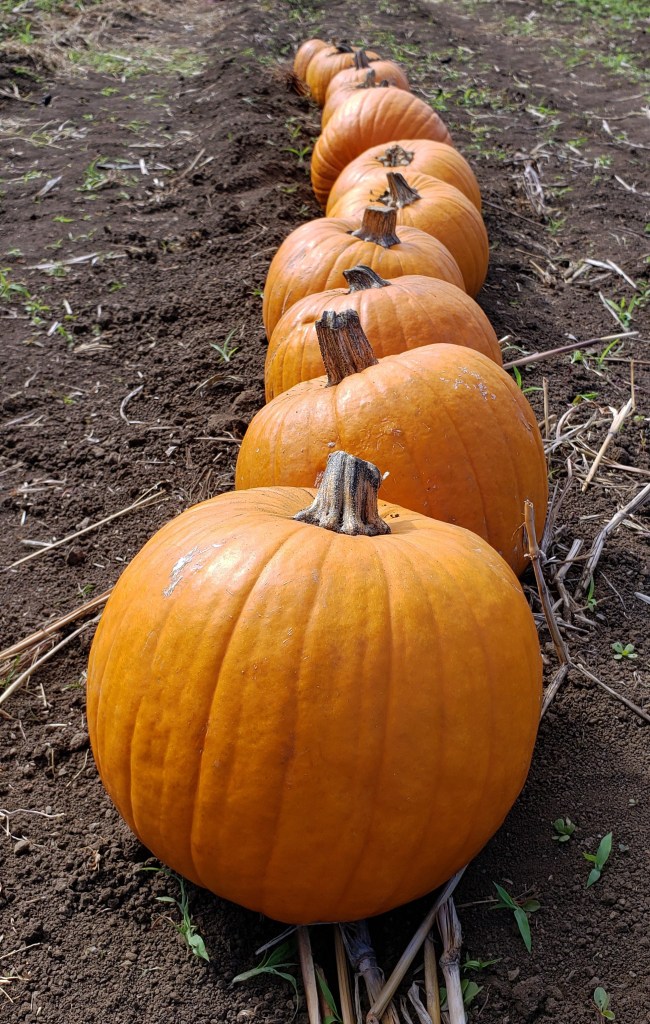
pumpkin line

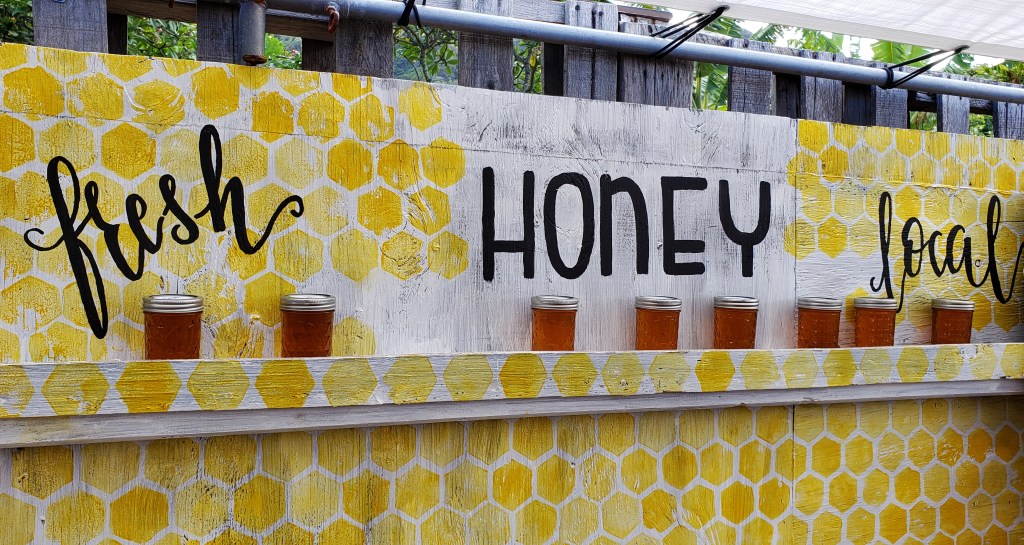
Also, they make and sell local honey products, and you’ll want to get some of those too.

For a family of hour, I’d plan to spend about $150 between admission, pumpkins, and local honey. It’s well worth the trip!

local honey