The Hawaii Vanilla Company

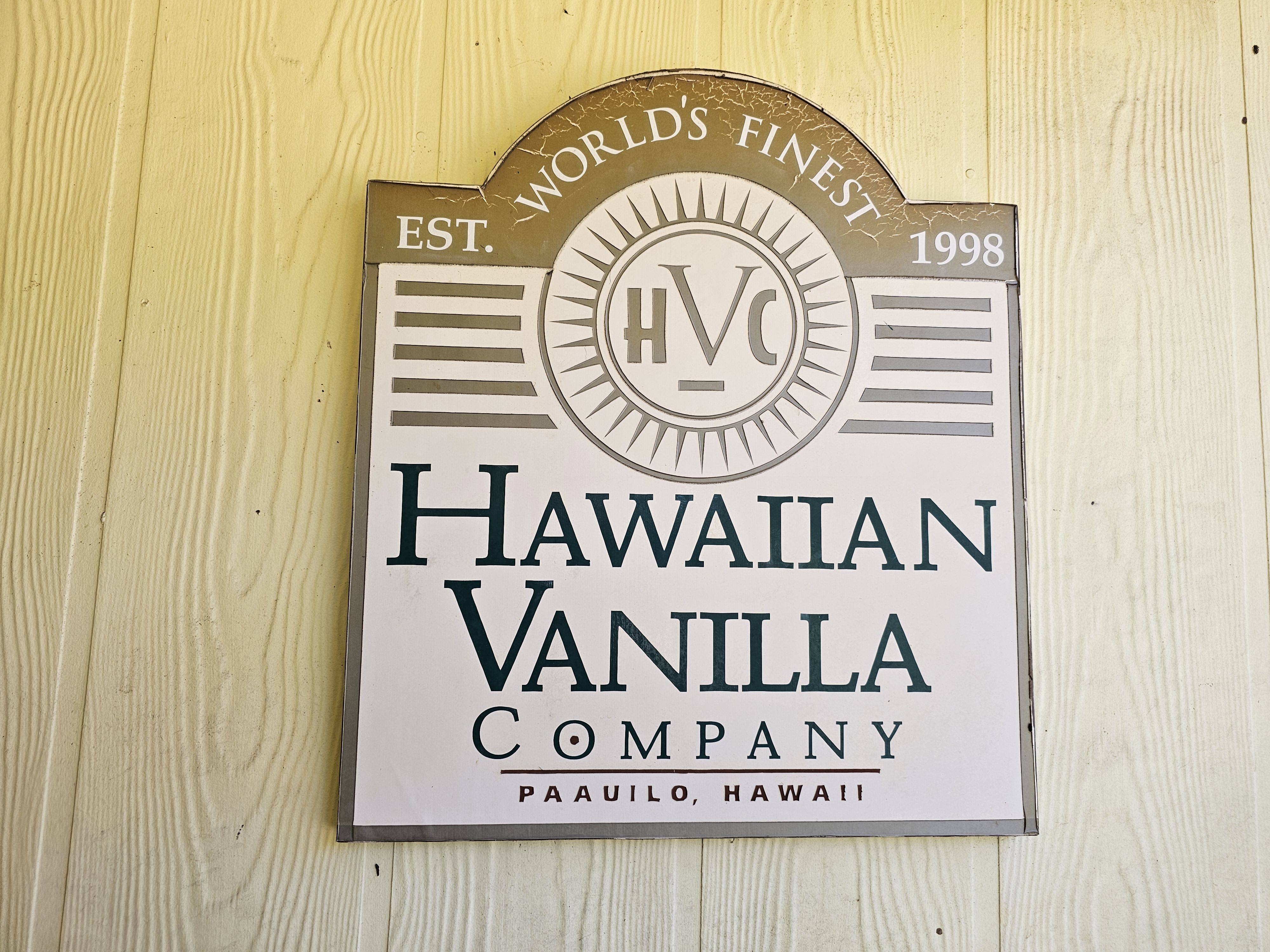
The sign for the Hawaii Vanilla Company.

Watch a video of my farm tour here.

I recently toured the Hawaii Vanilla Company; the first Vanilla farm in the United States. You can read more about them or book a tour on their website.

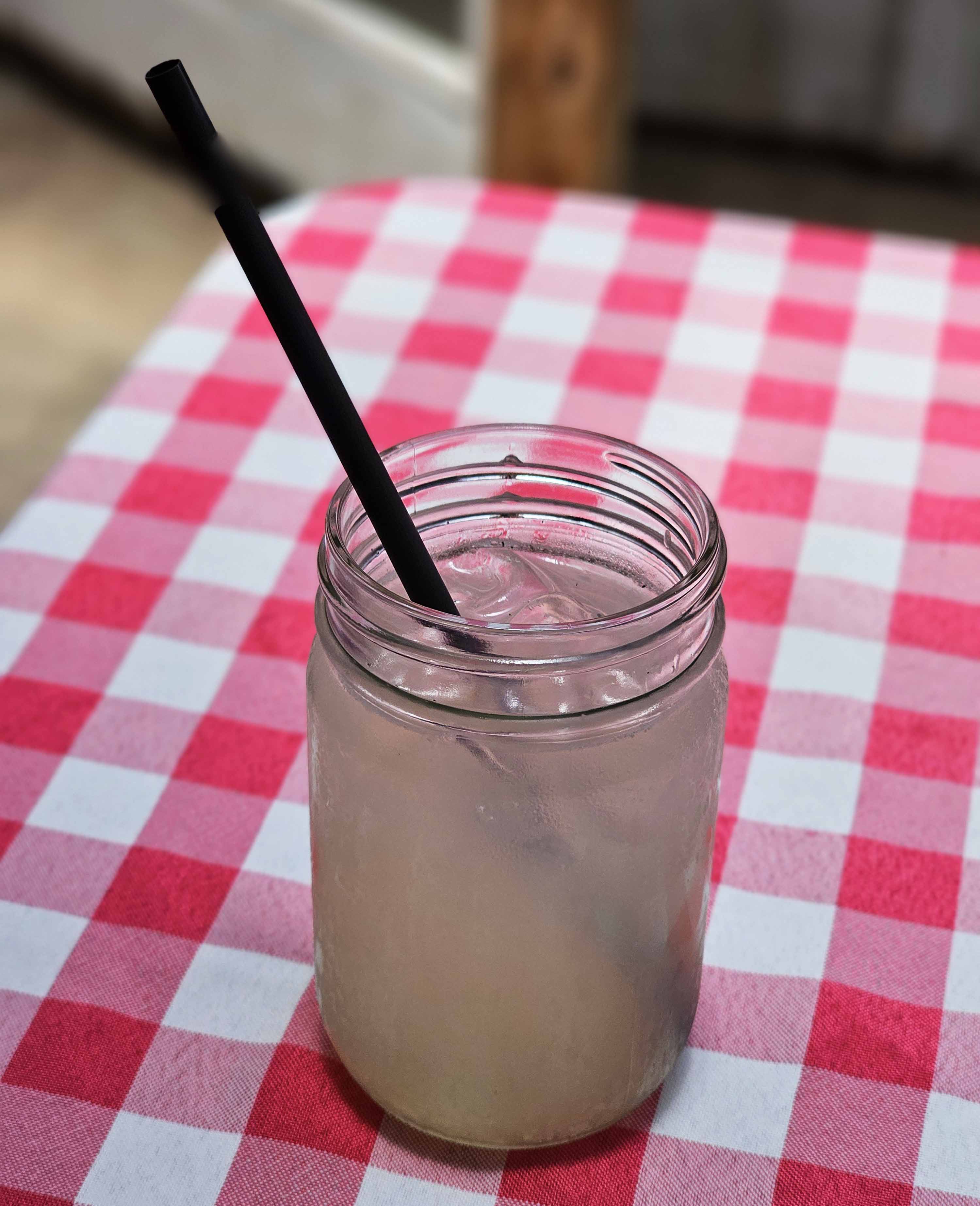
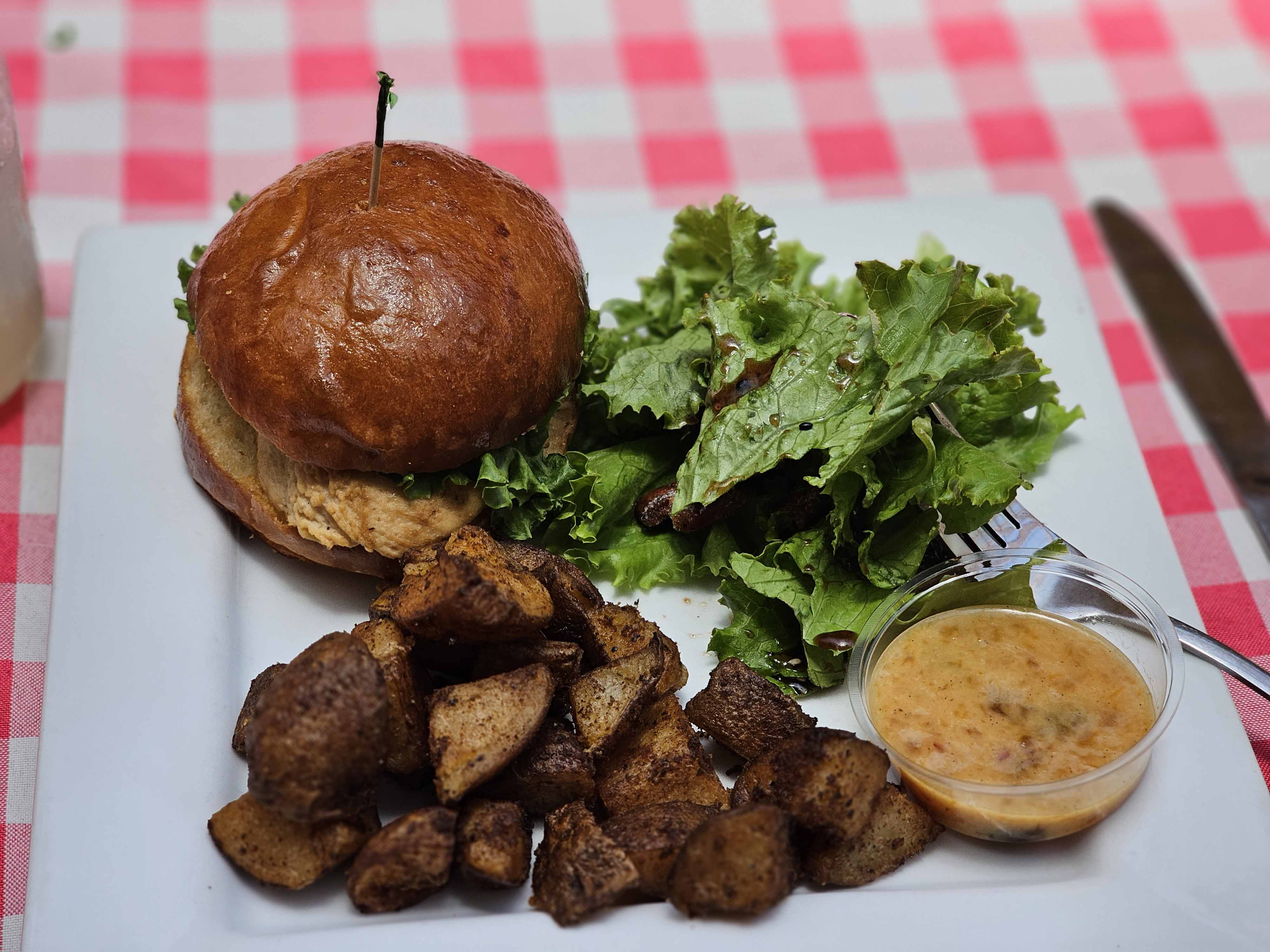
I booked the farm tour with lunch. When I arrived, we all sat down to eat. While we ate, our tour guide described each course and how vanilla had been added to it as a way to enhance the flavors of the foods. With many locally sources ingredients and vanilla grown on the property, it was a delicious meal.
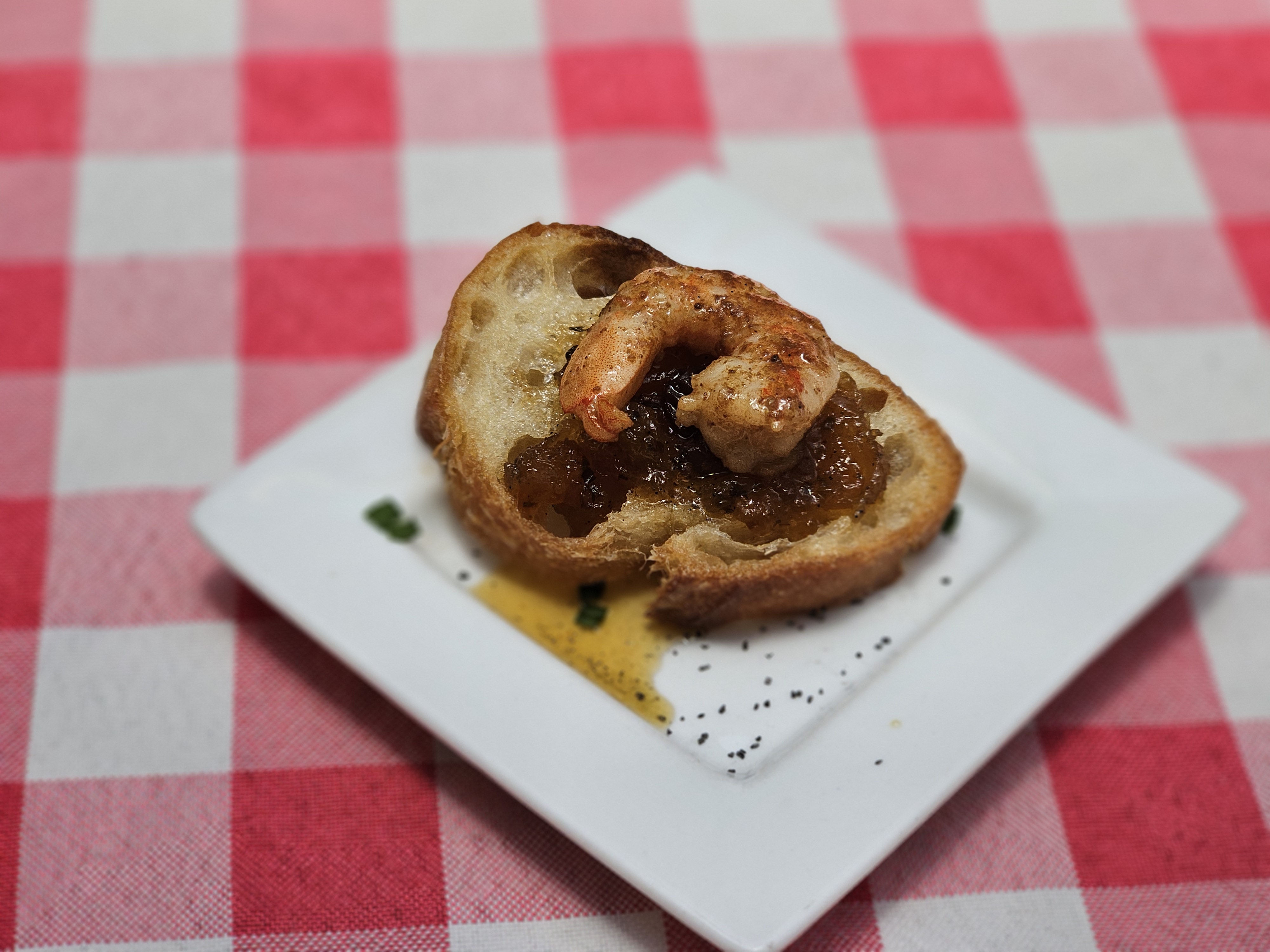
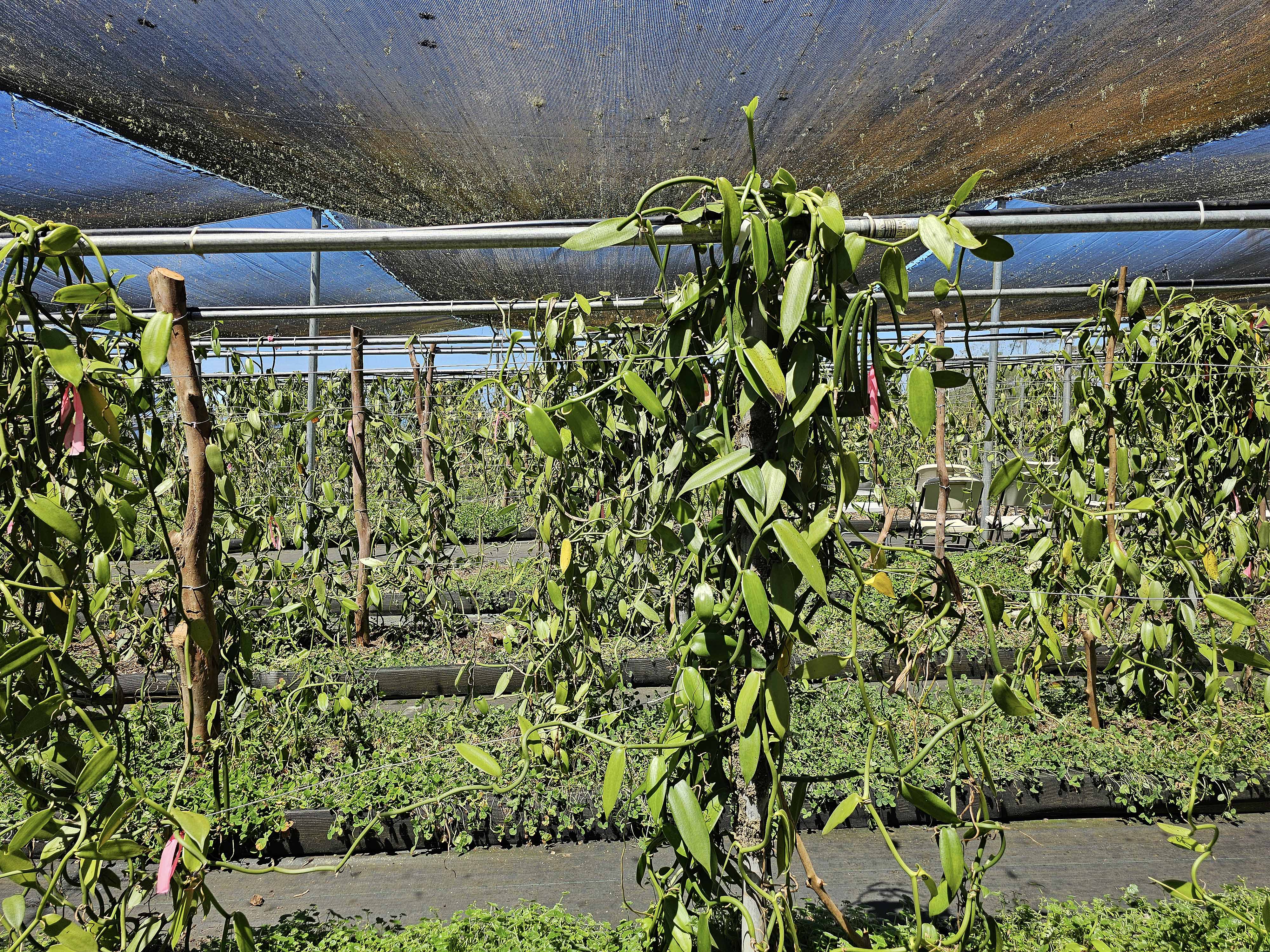
After lunch, we walked down to one of the grow houses where the vanilla vines are located. For those who didn’t feel up to the walk, a shuttle was provided. One of the women on the tour with me was there for her 80th birthday, and she had an easy time getting in and out of the shuttle. I would say that the tour is very accessible.

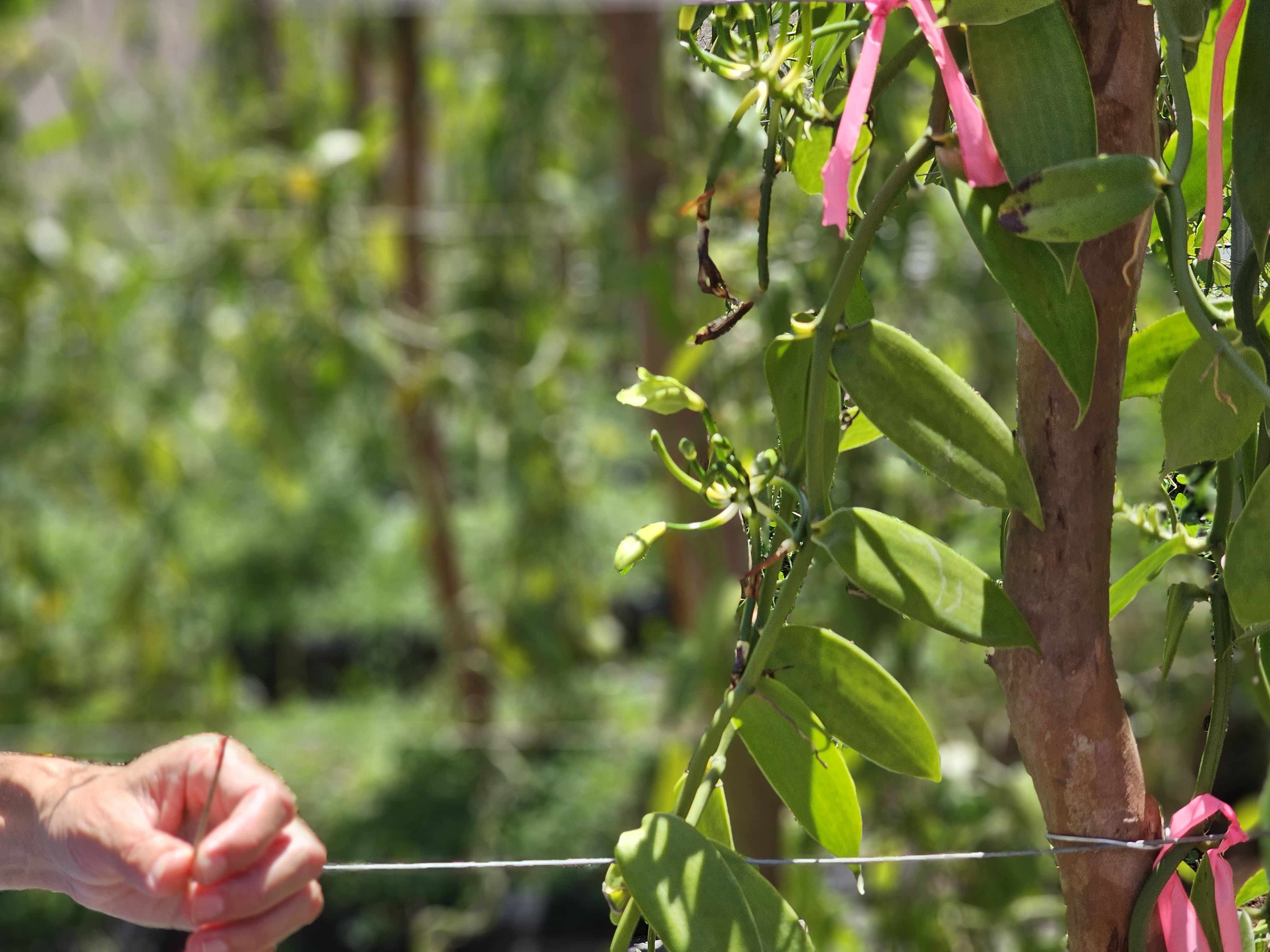
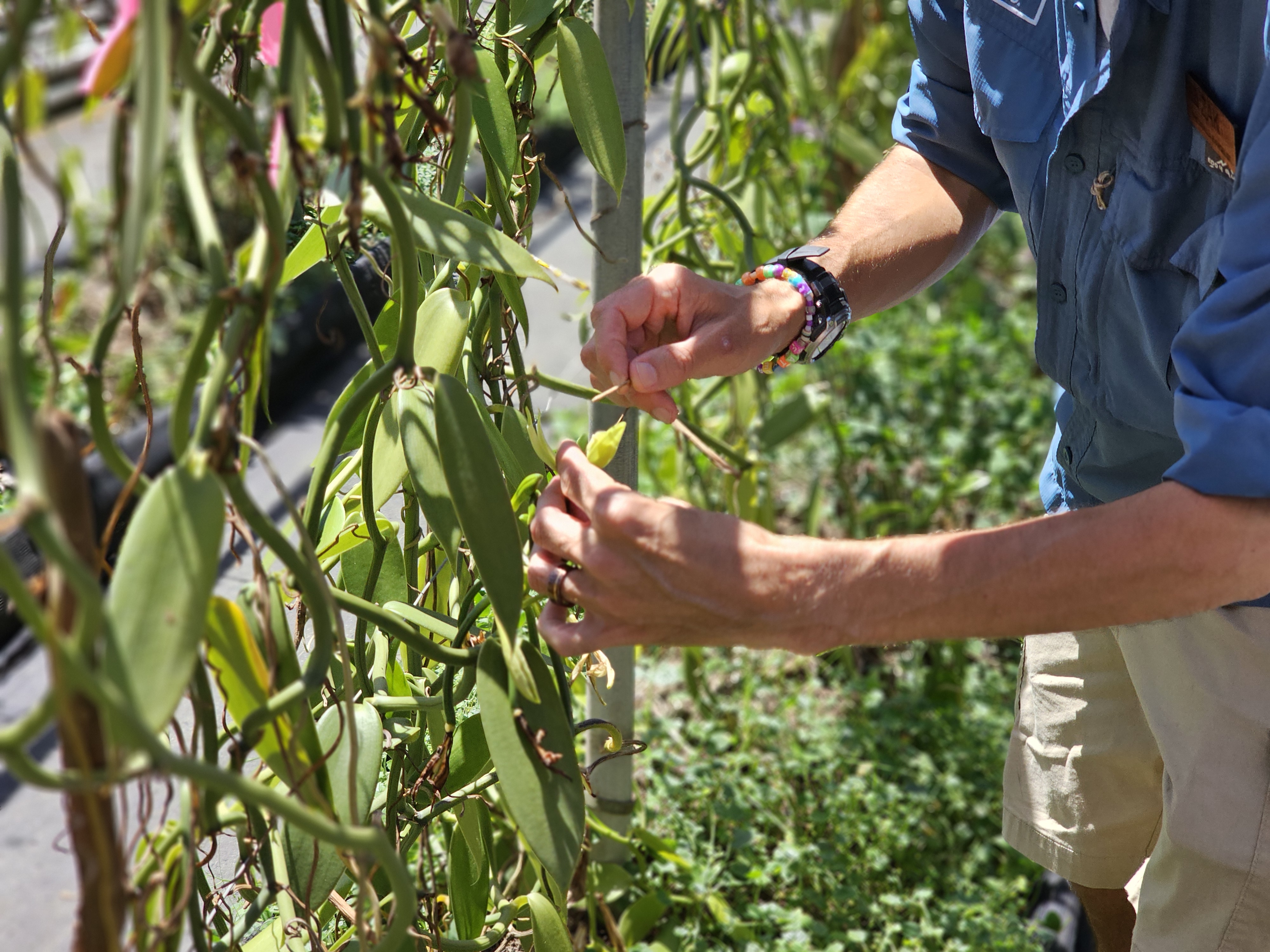
Once inside the vanilla grow house, we were treated to a very detailed history of the vanilla vine, the story of the farm, and then a live demonstration of how the vanilla flowers are pollinated.

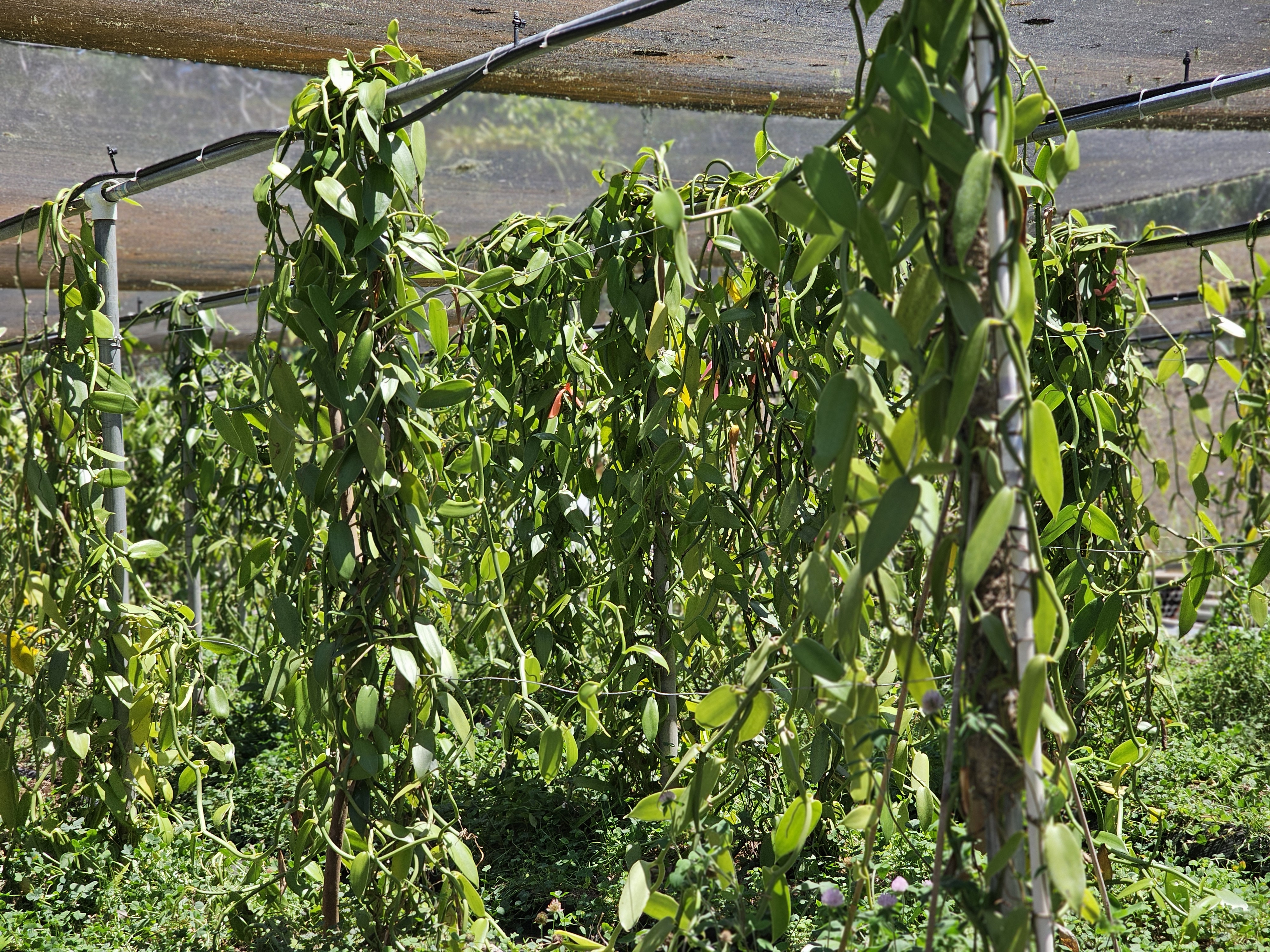
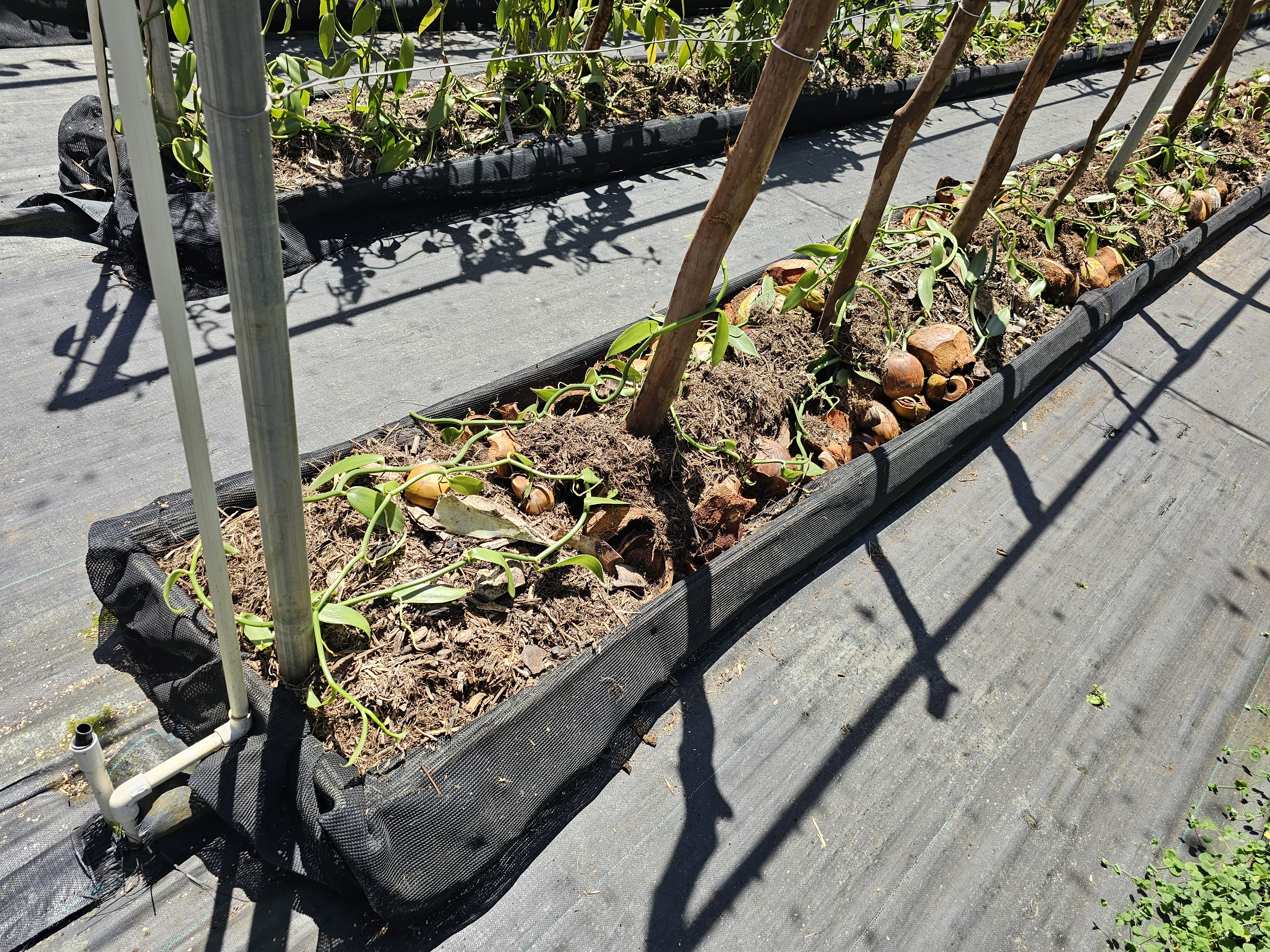
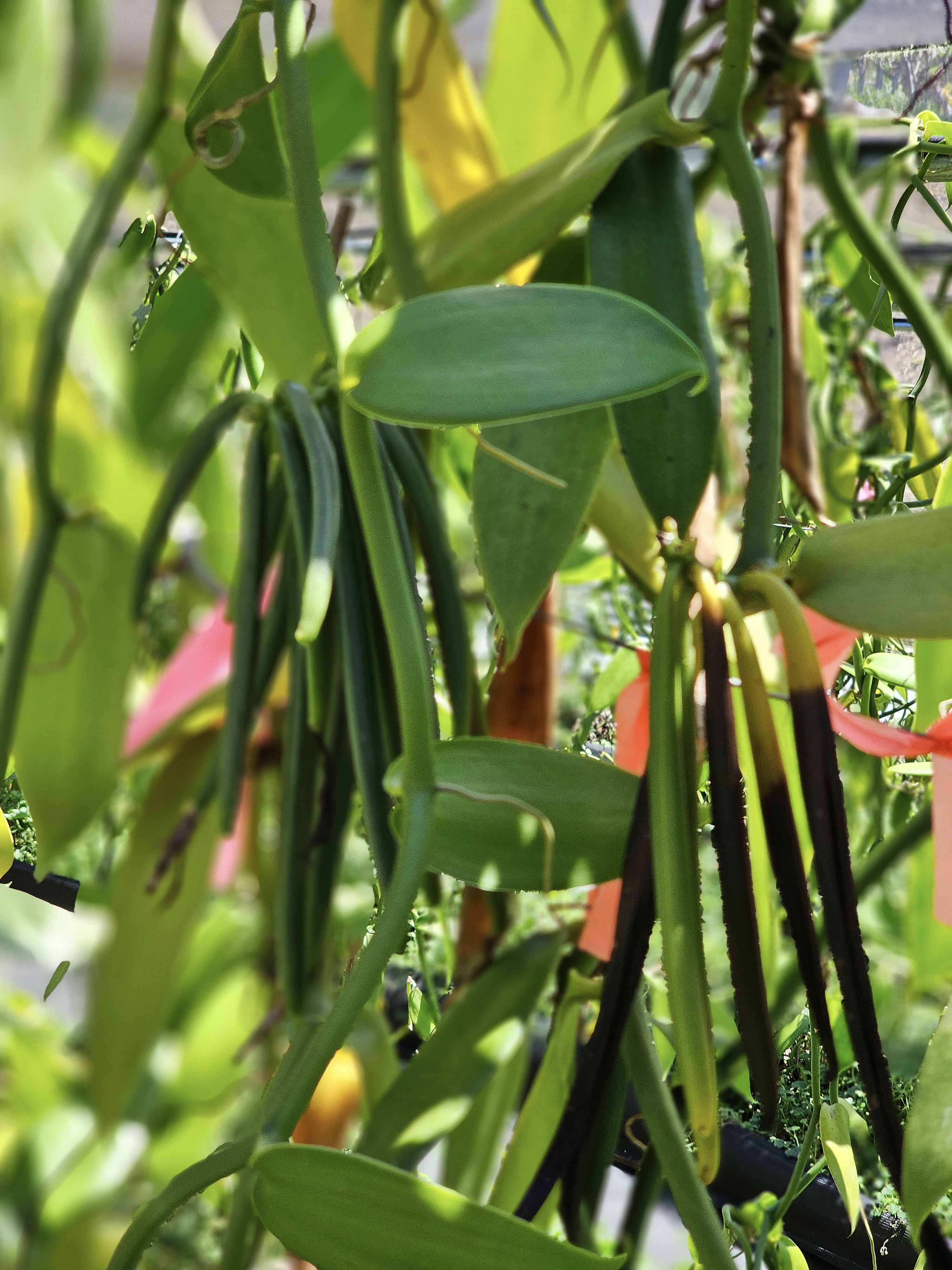
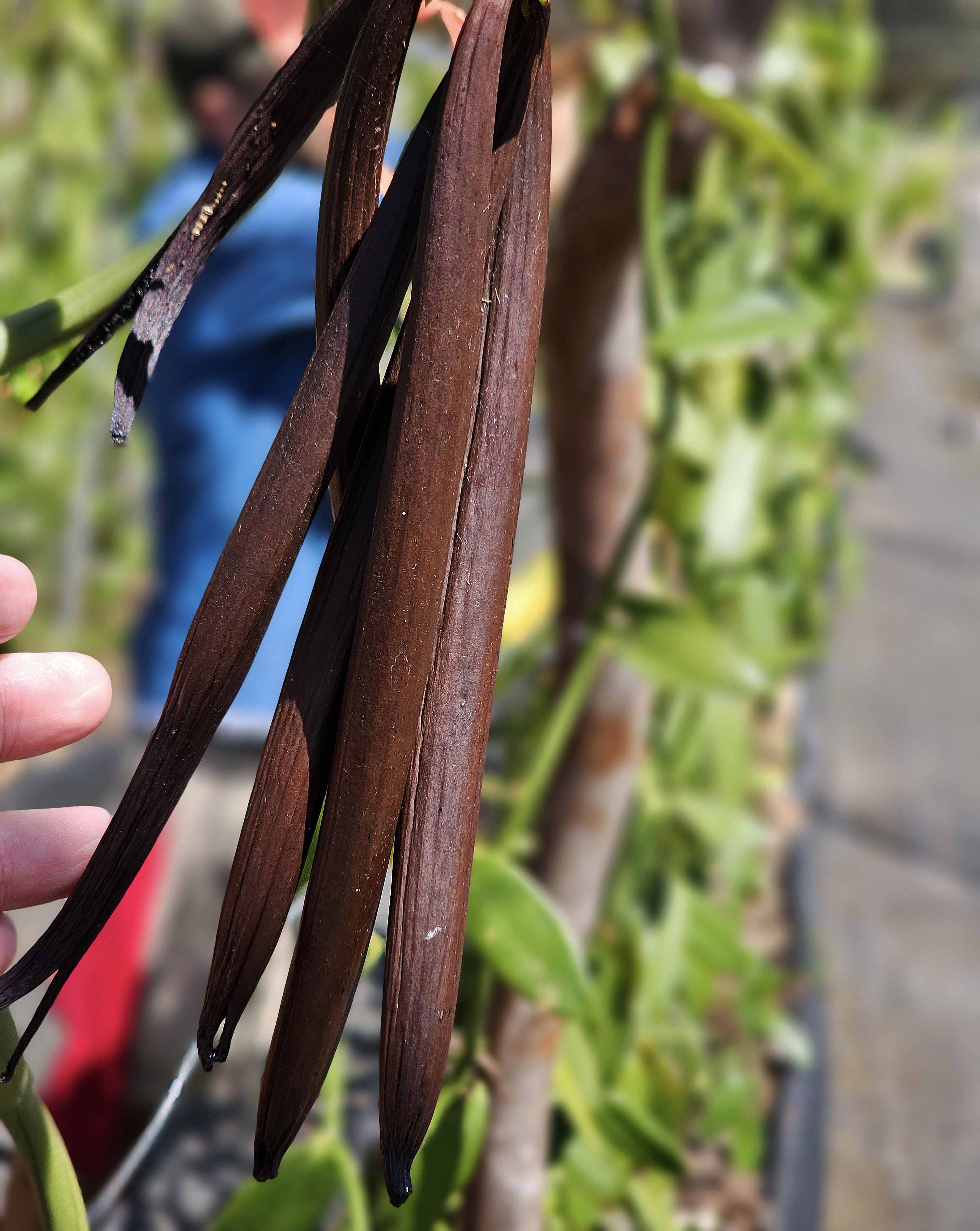
I felt very lucky to be visiting in August, when the vines had flowers and beans on them. Check out these pictures of the grow house full of vanilla vines!
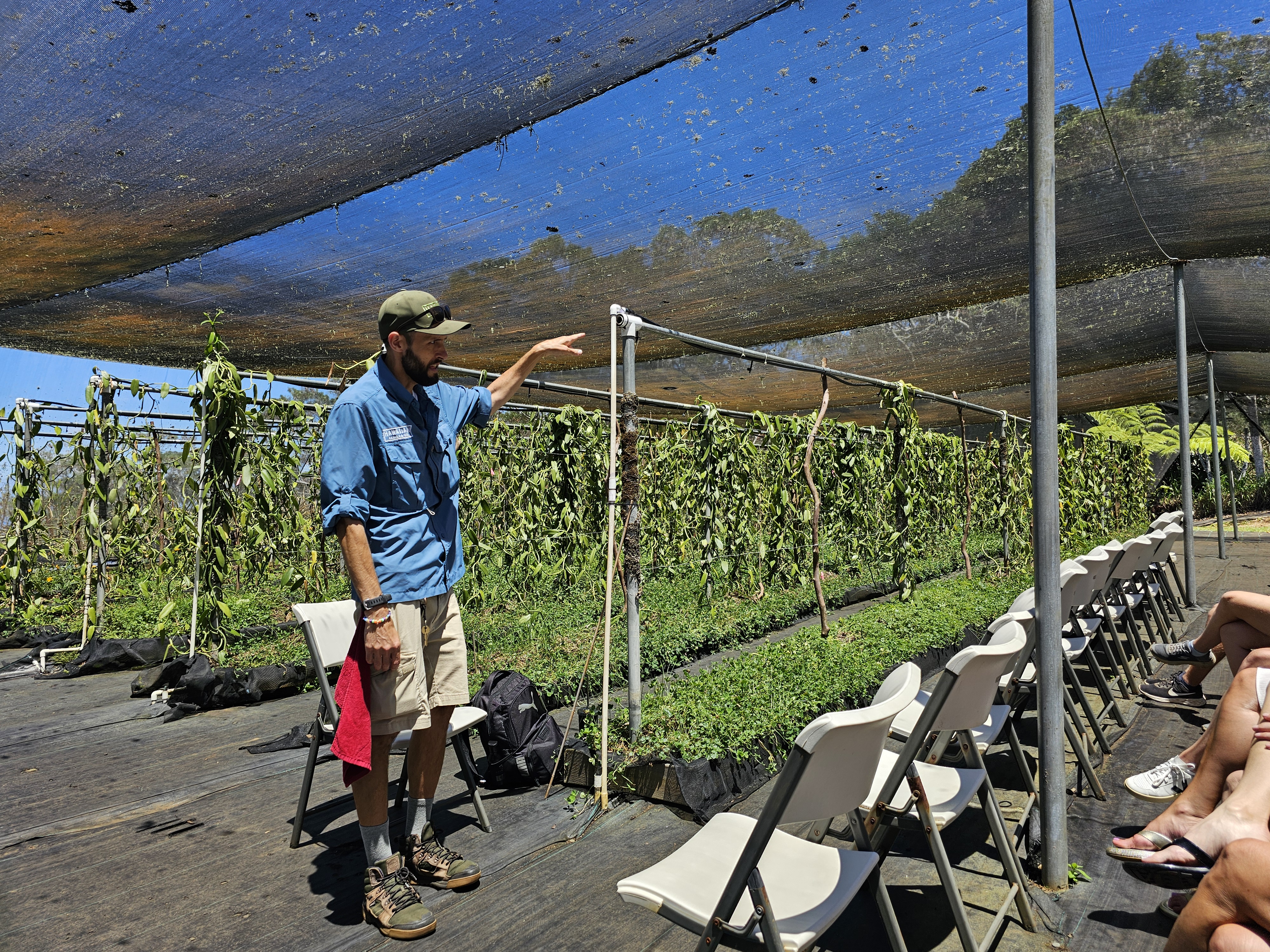
My tour guide, Zak, was extremely knowledgeable and took time to answer everyone’s questions. This brings me to a thing I remember every time I do some of the tourist activities here in Hawaii: Please tip your tour guides.

I know it can feel like you shouldn’t have to spend more money after you have already paid for a tour. Some of you will want to spend any leftover money in the gift shop, and I understand that. I know local businesses appreciate you paying for tours and spending money in gift shops.

Many tourists from cultures that don’t have tipping find the concept offensive. Honestly, I wish Americans were paid well enough that the custom was no longer necessary. However, it is customary here to tip your tour guides, waiters and waitresses, bellhops, and other service industry workers. Please factor this in when you are budgeting for how much you will spend on activities during your vacation.

The standard gratuity for a tour guide is between $10 and $20, depending on how much information they shared and how much fun they made your experience. I just want to share this for folks from places like South Korea and France who don’t know about this custom, since tipping is not standard in their countries.
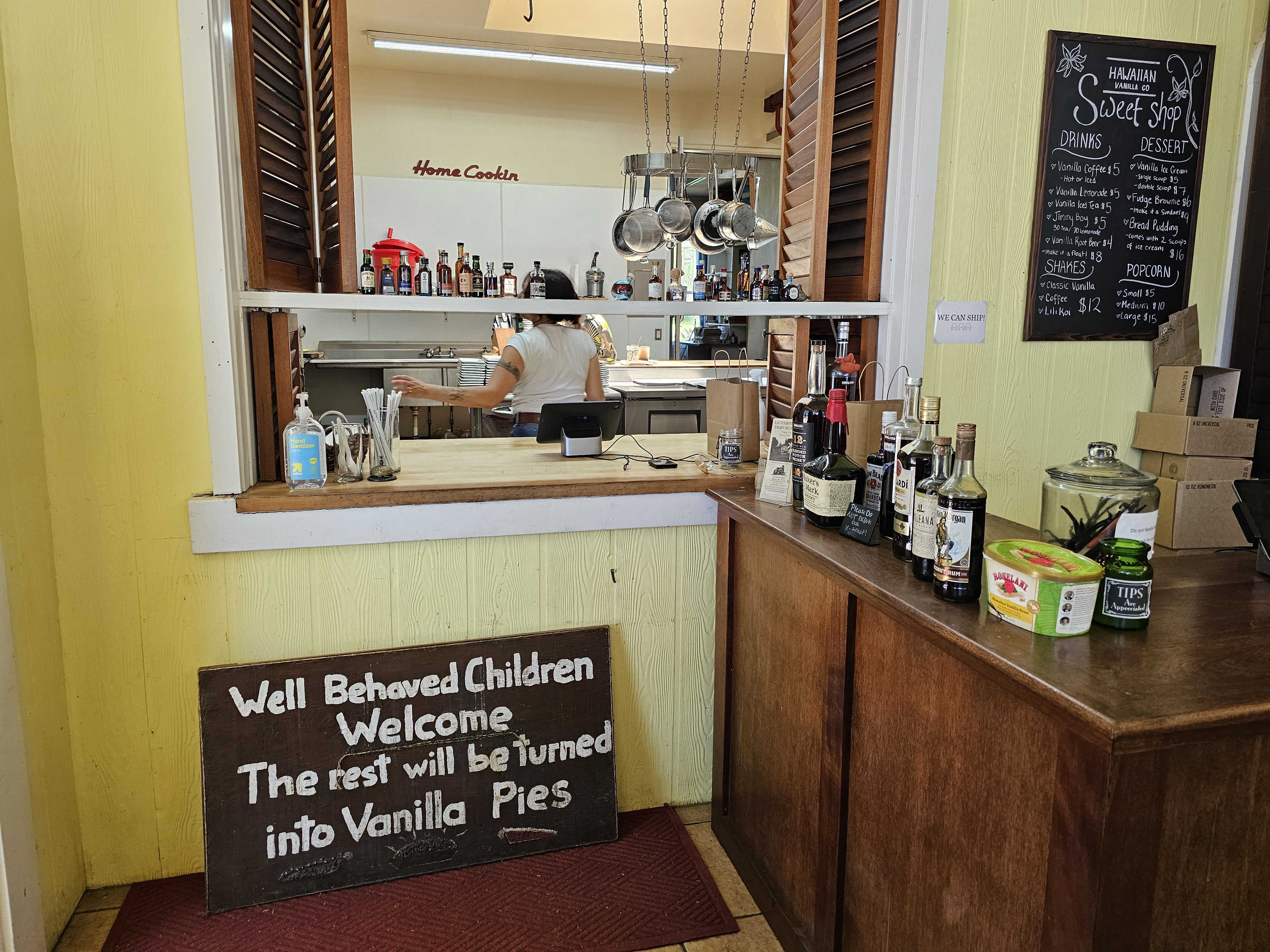
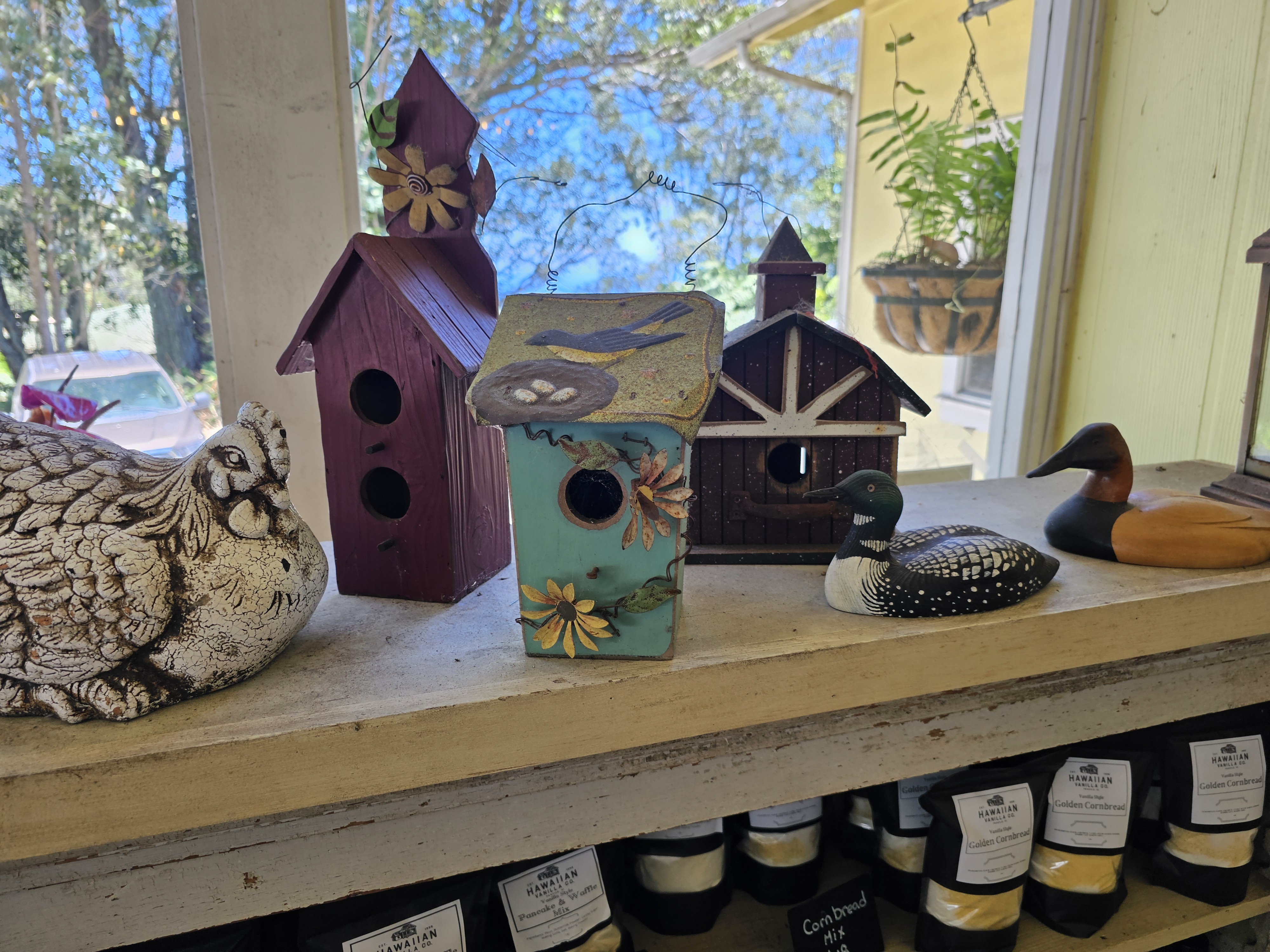
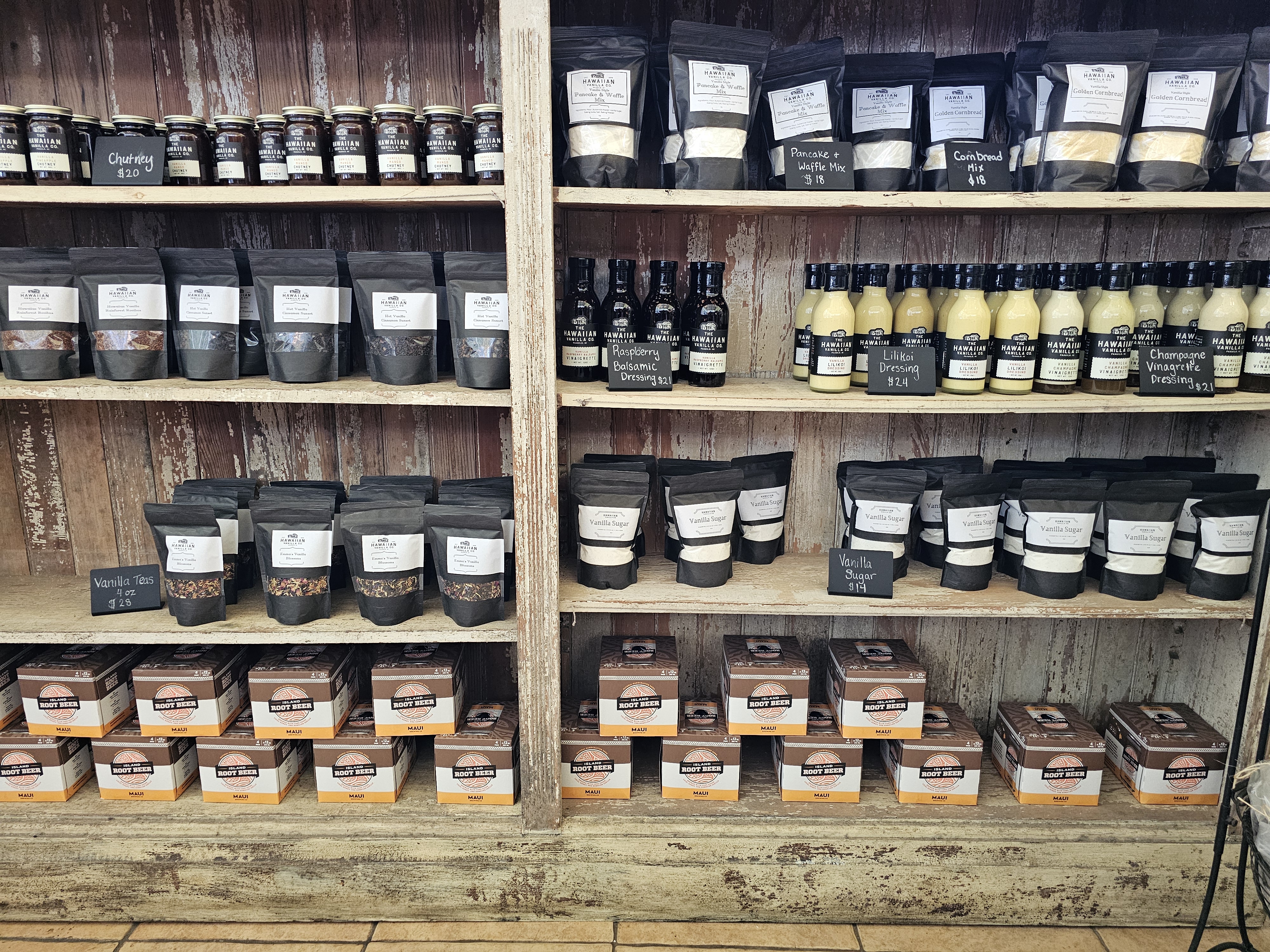
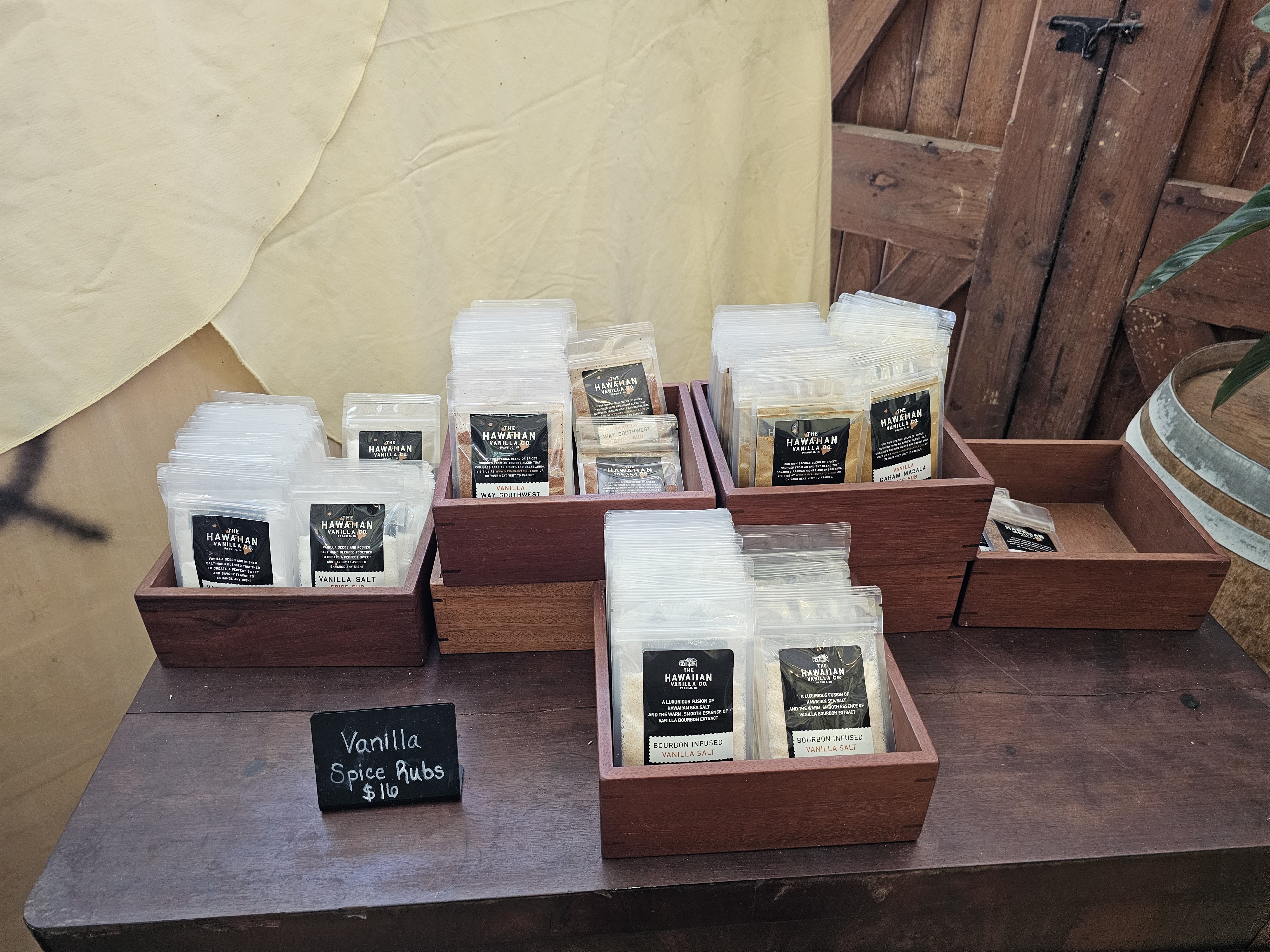
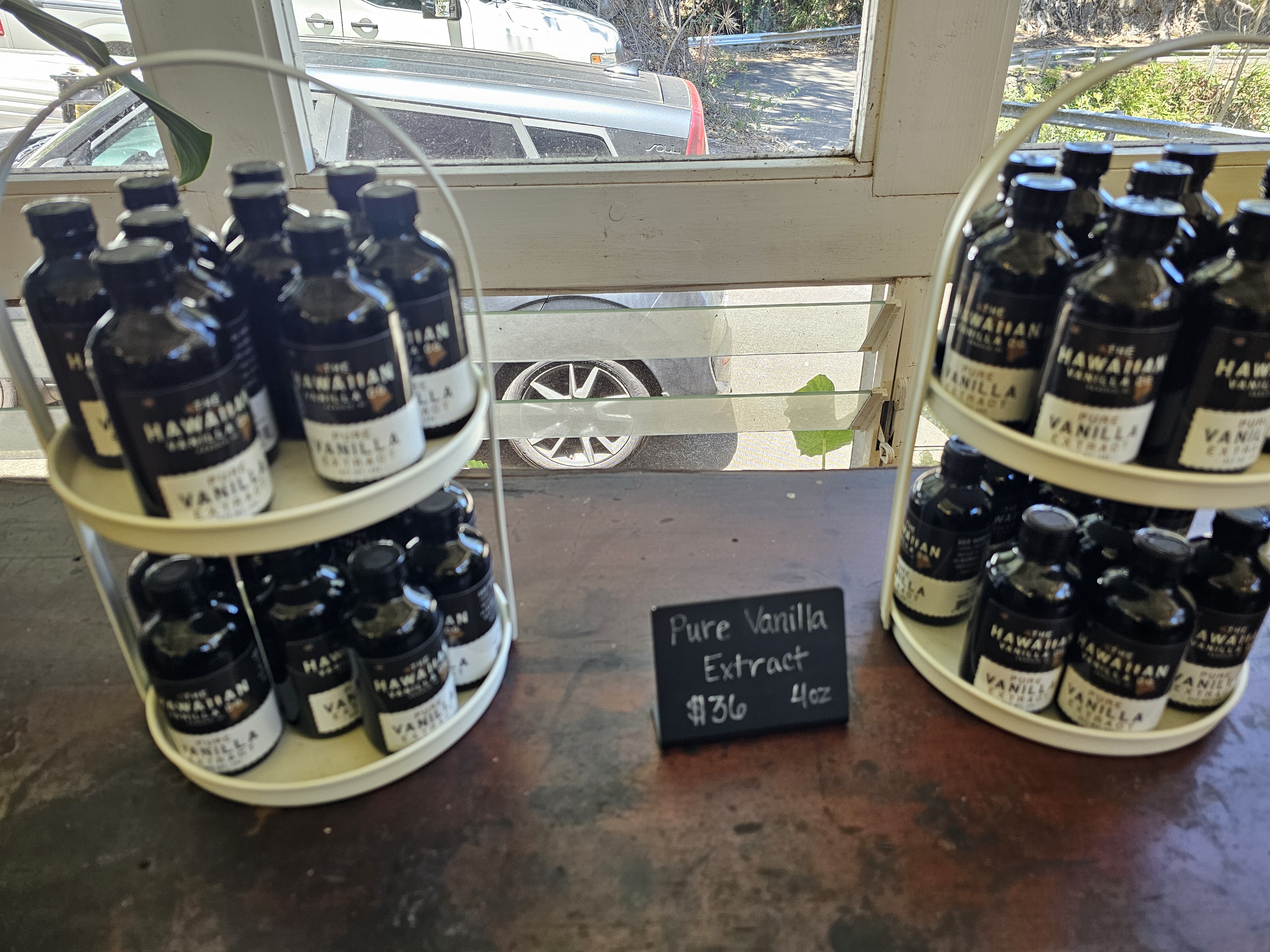
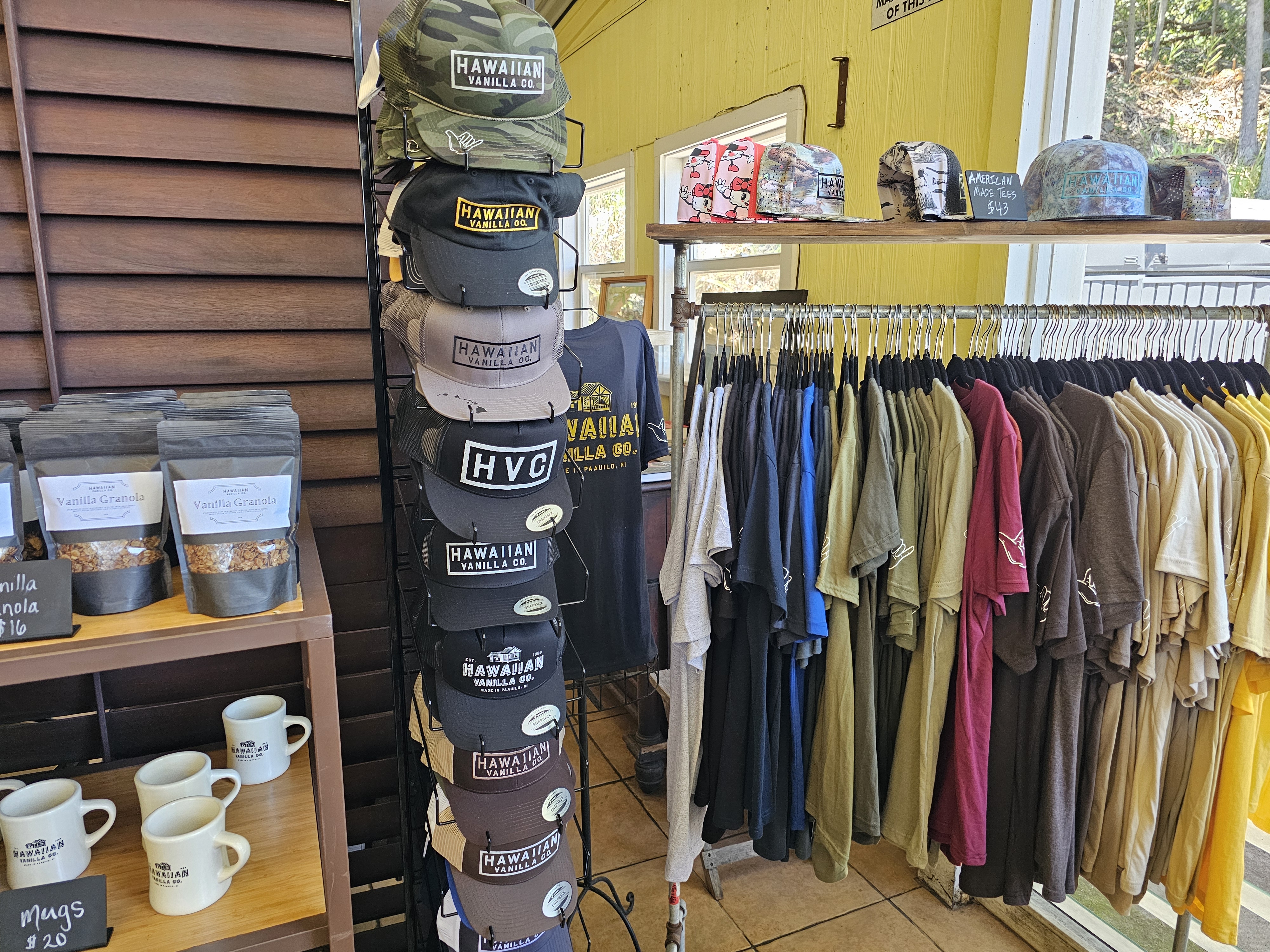
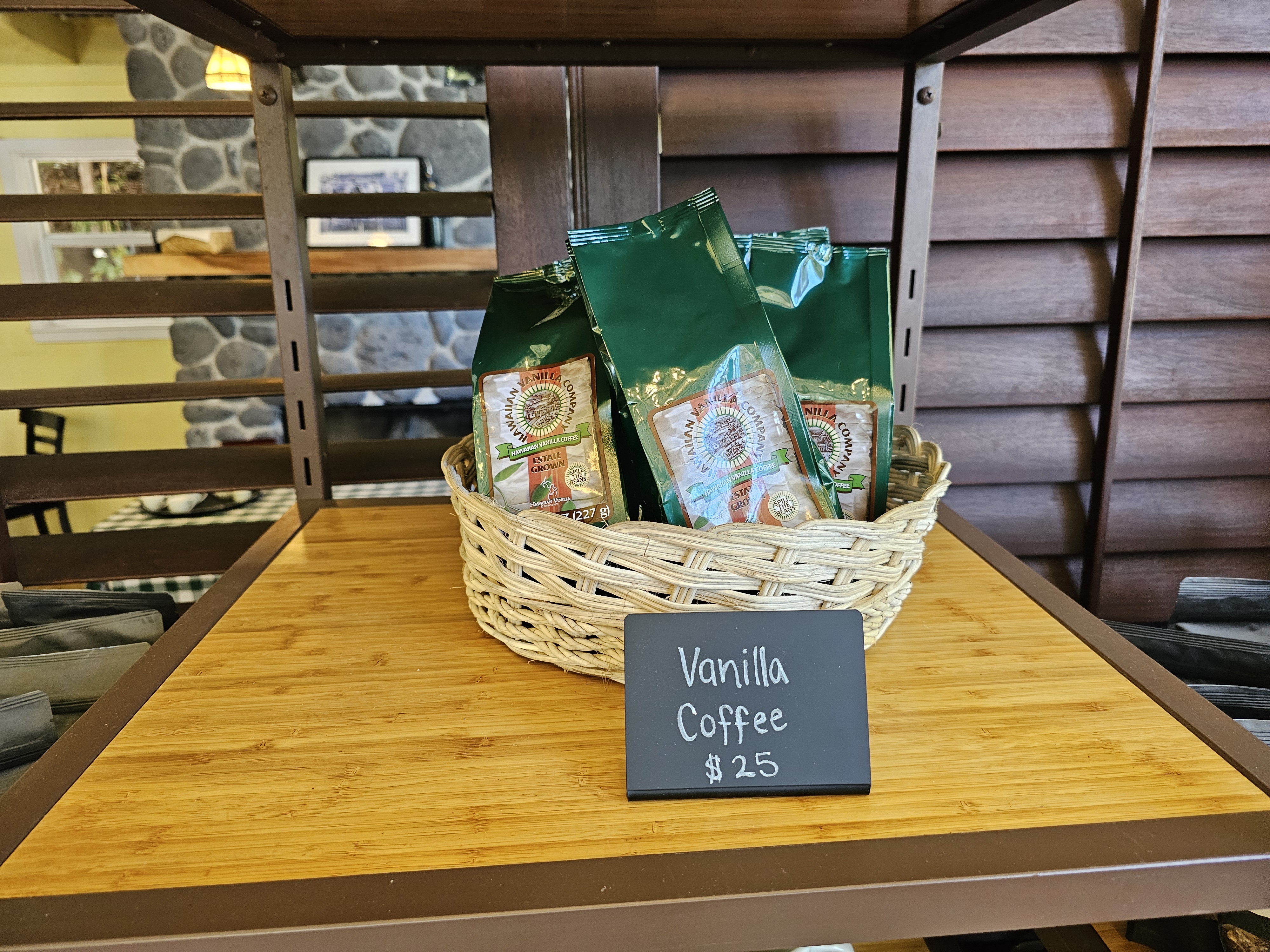
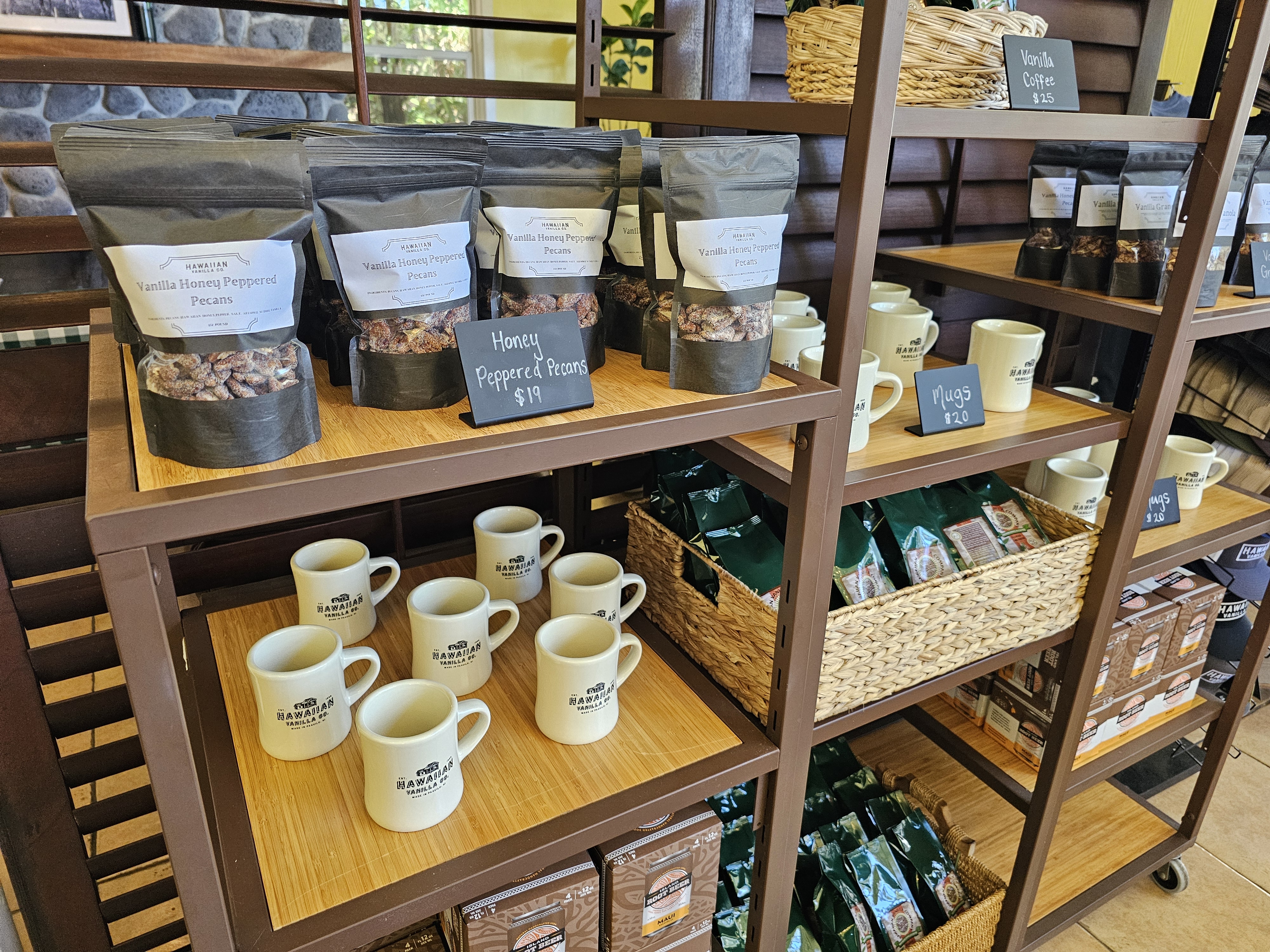
The tour ends at the gift shop, which has a wide range of products. For those who are planning to buy gifts for family and friends back home, plan on spending some money for the variety of products from vanilla extract to vanilla sugar. It’s a delightful array of foods, as well as other products like clothing and coffee mugs.

The Hawaii Vanilla Company is in a beautiful historic building surrounded by eucalyptus forests. The bathrooms are clean, the eating areas are beautiful, and the food is amazing.

I would definitely recommend this tour to anyone visiting Hawaii Island.

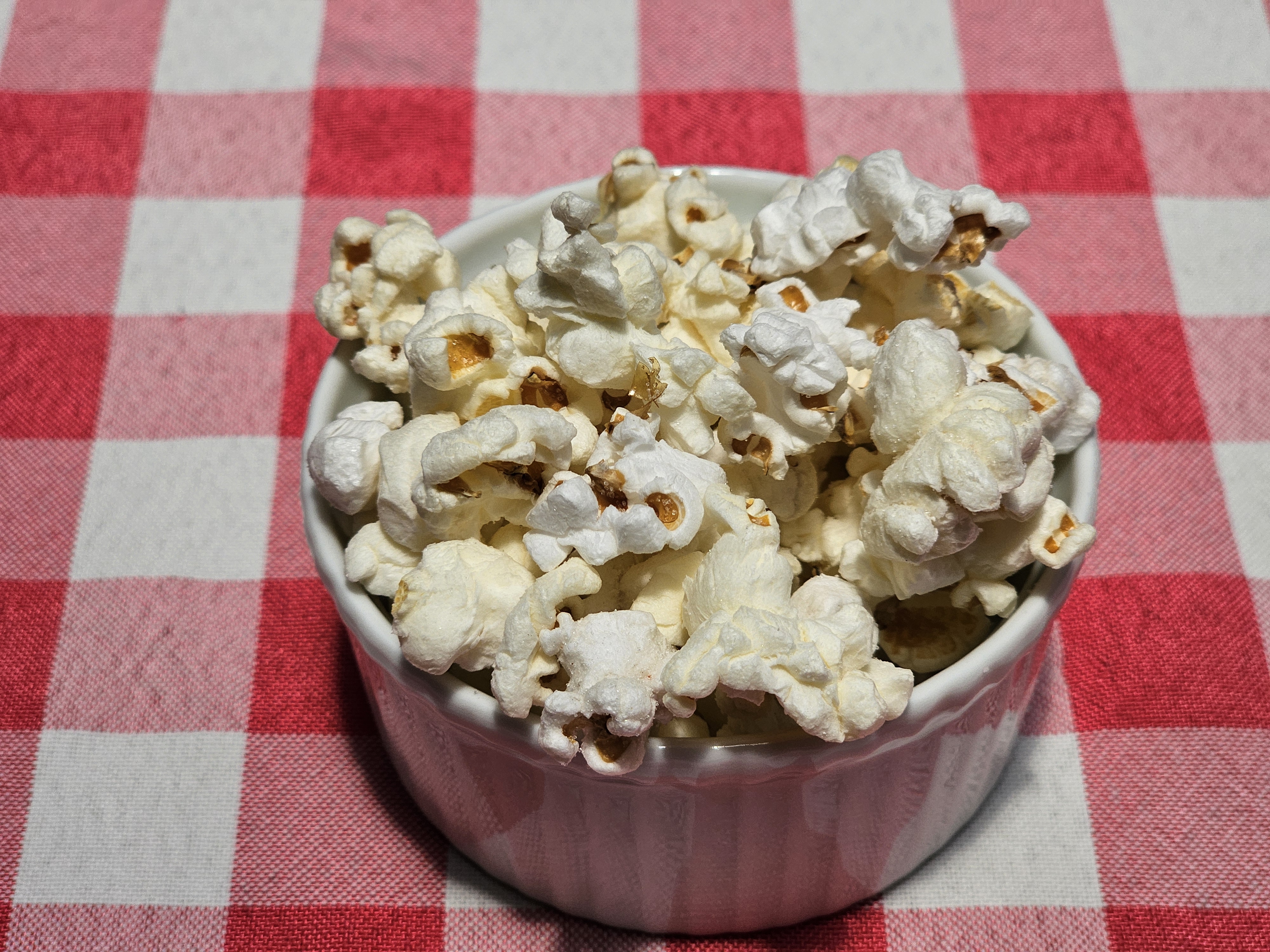
Note: I am lactose intolerant, so I opted out of the coffee and ice cream at the end of the tour. The other guests seemed to really enjoy this finishing touch, so you’ll have more to look forward to than what you see pictured in my post.
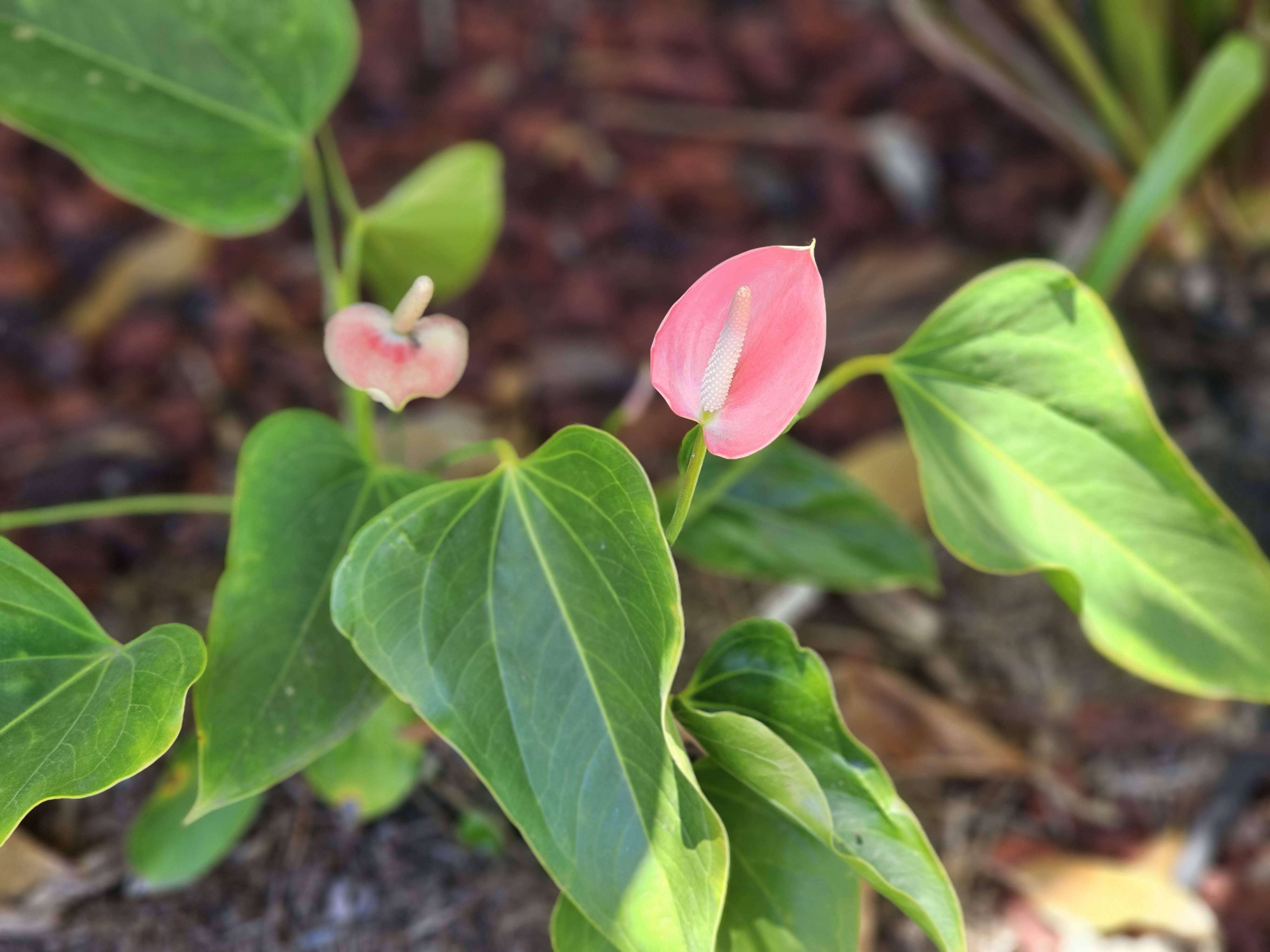
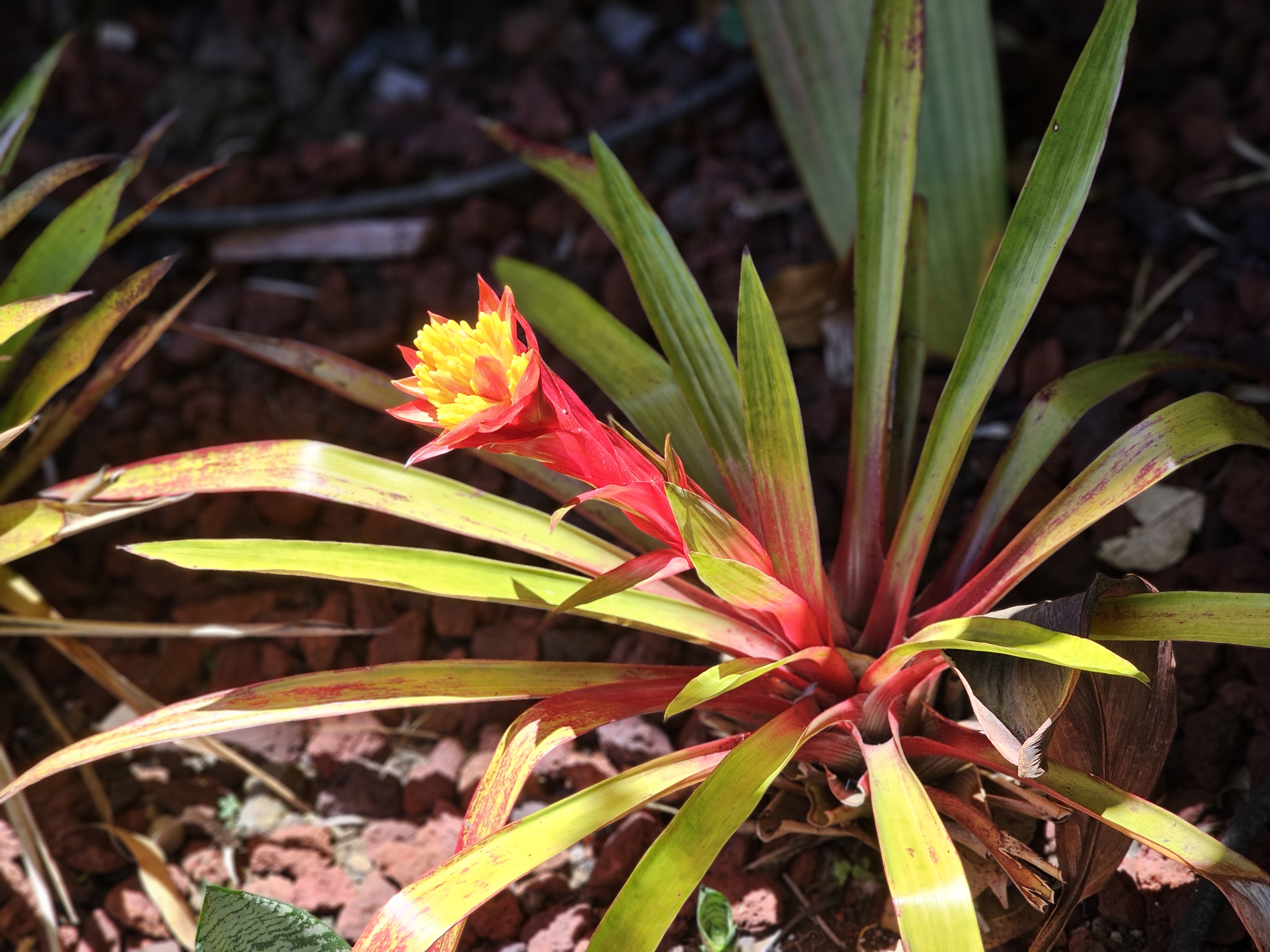
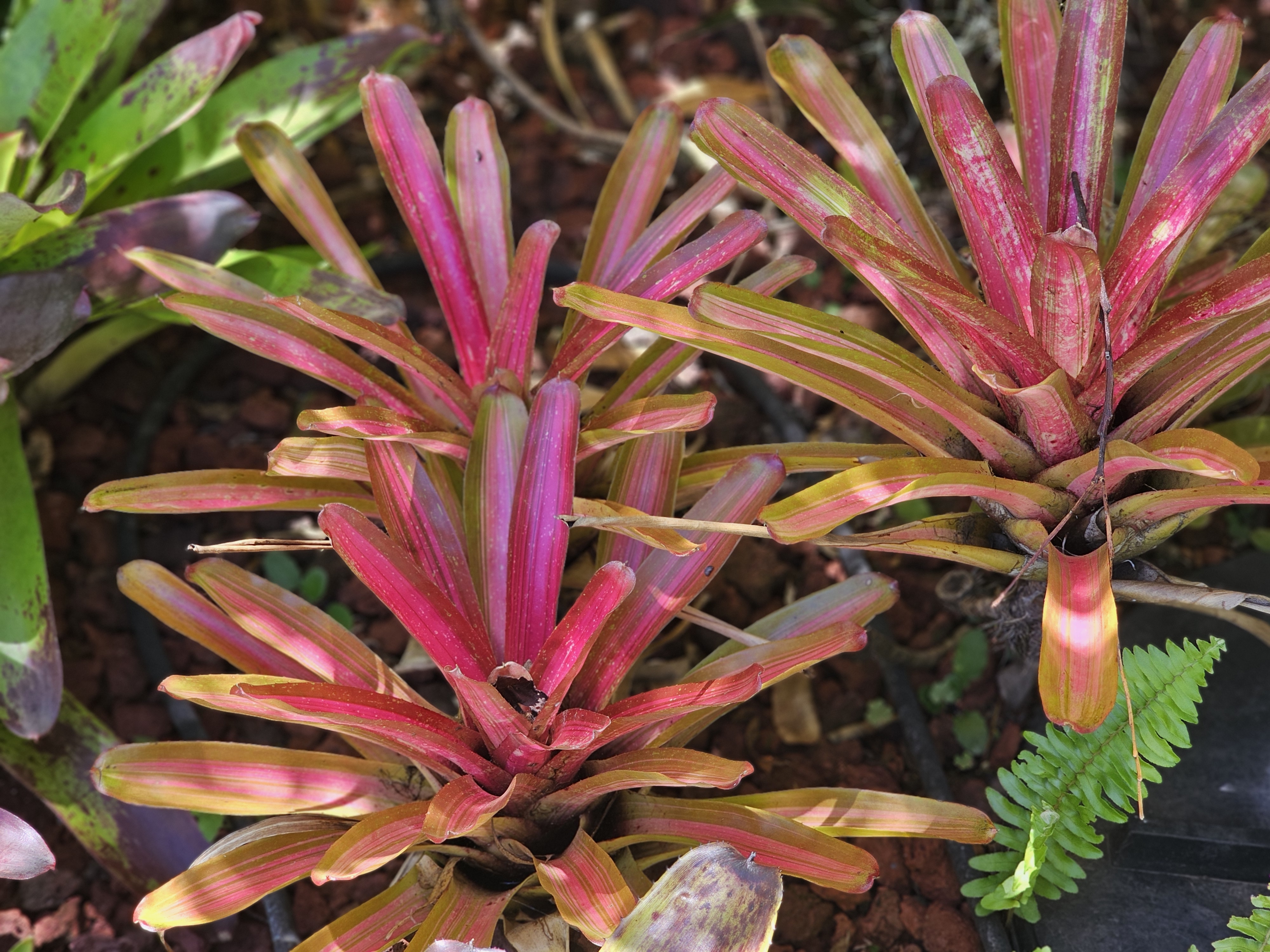
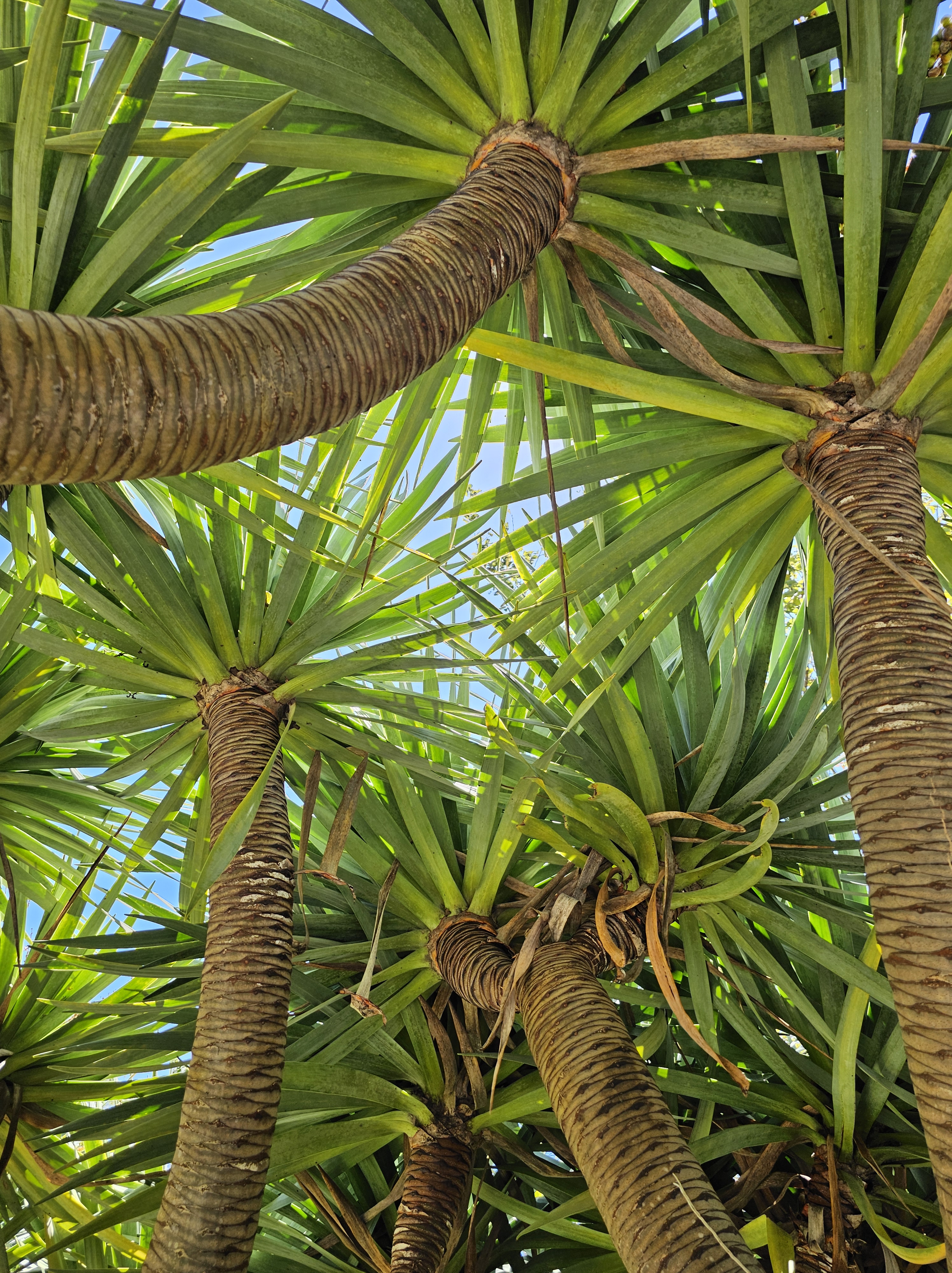
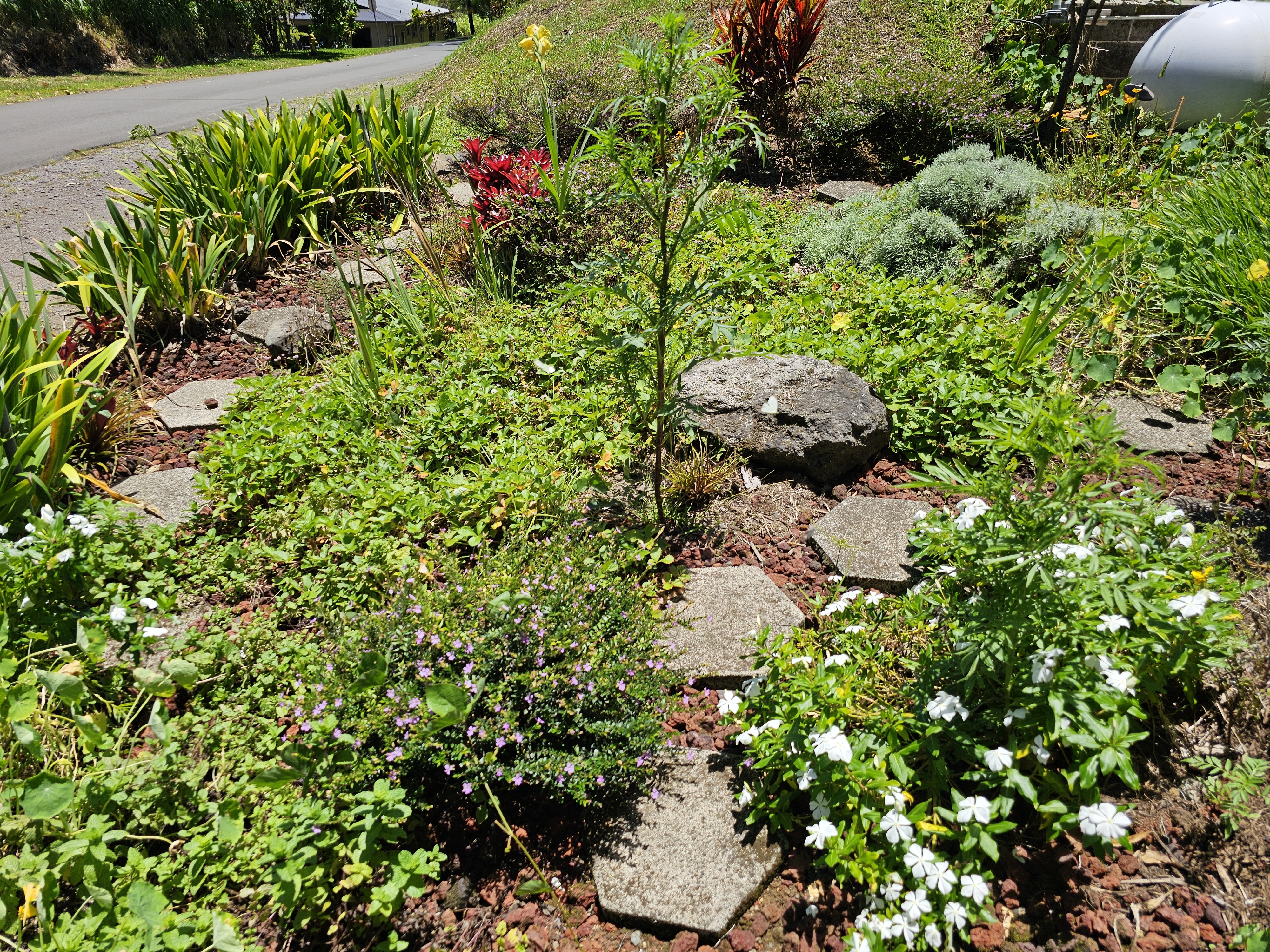
Before I left the farm, I walked all around the building to appreciate the garden. If you are there when the weather is nice, I highly recommend taking the time to do this. From the food plants to the flowers, it’s a very impressive array of plants.

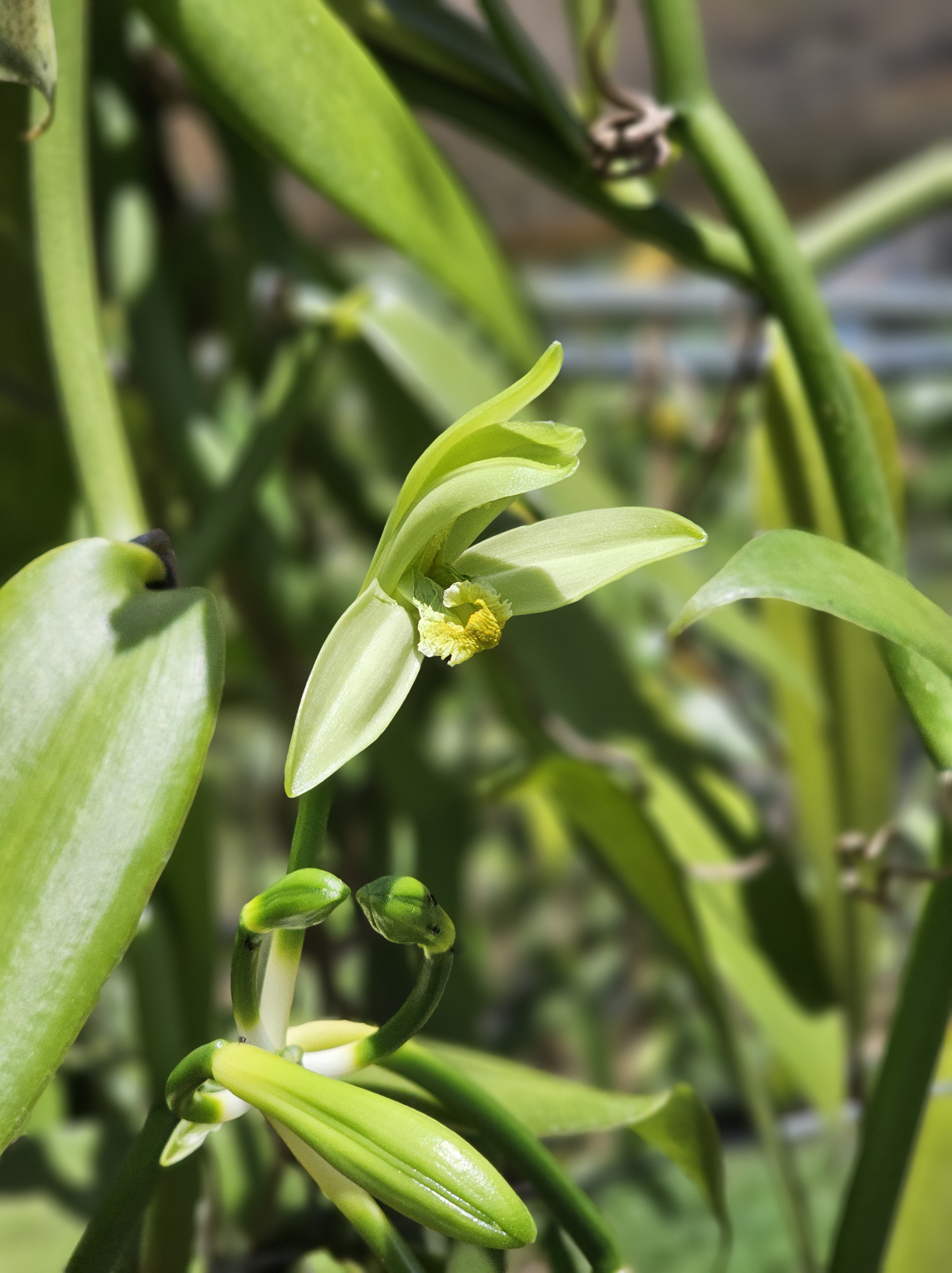
Of course, nothing there is as fabulous as the vanilla orchids. They really are marvelous plants.
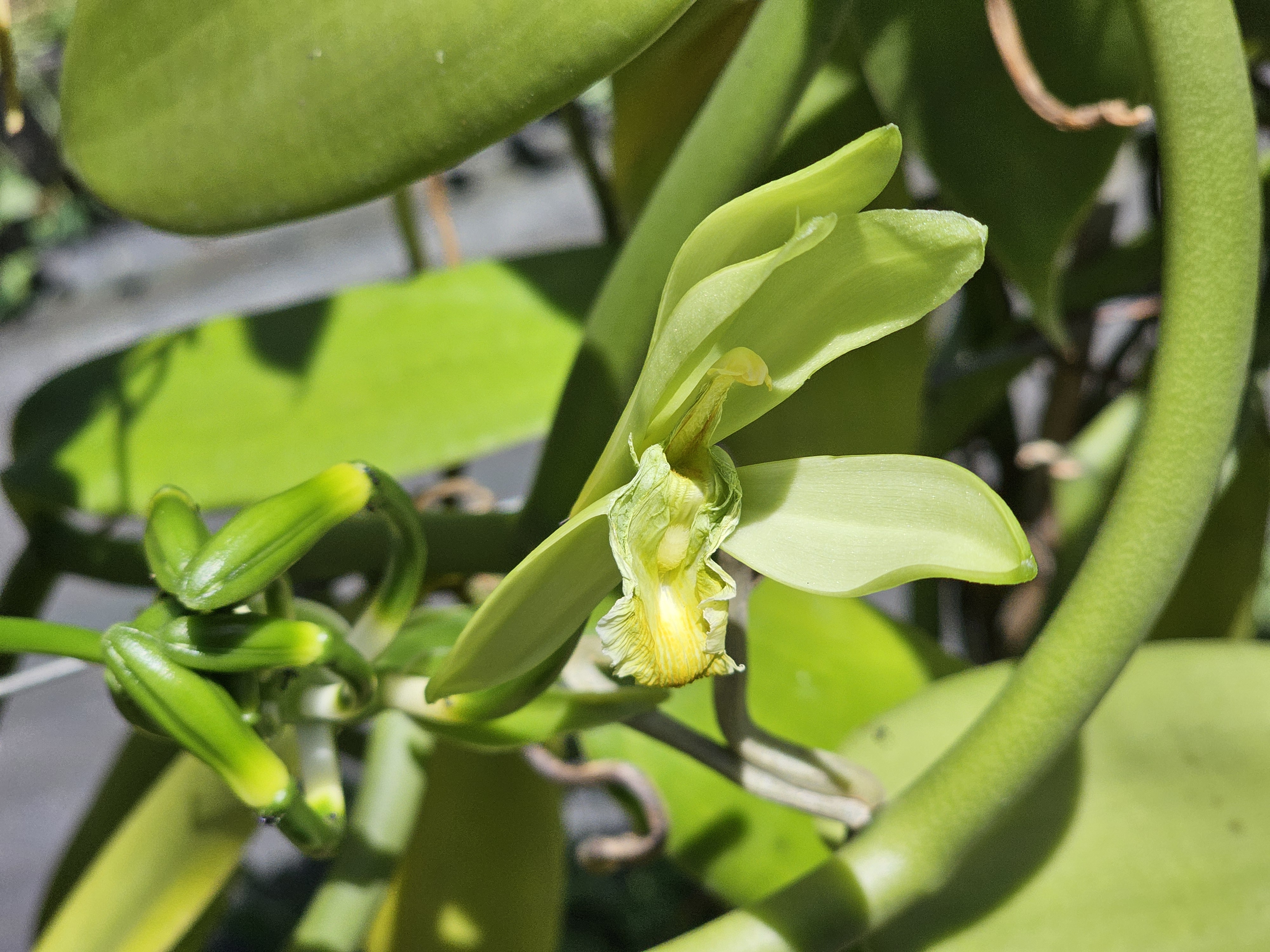
Vanilla flower on the vine.

Lavaloha Chocolate Farm

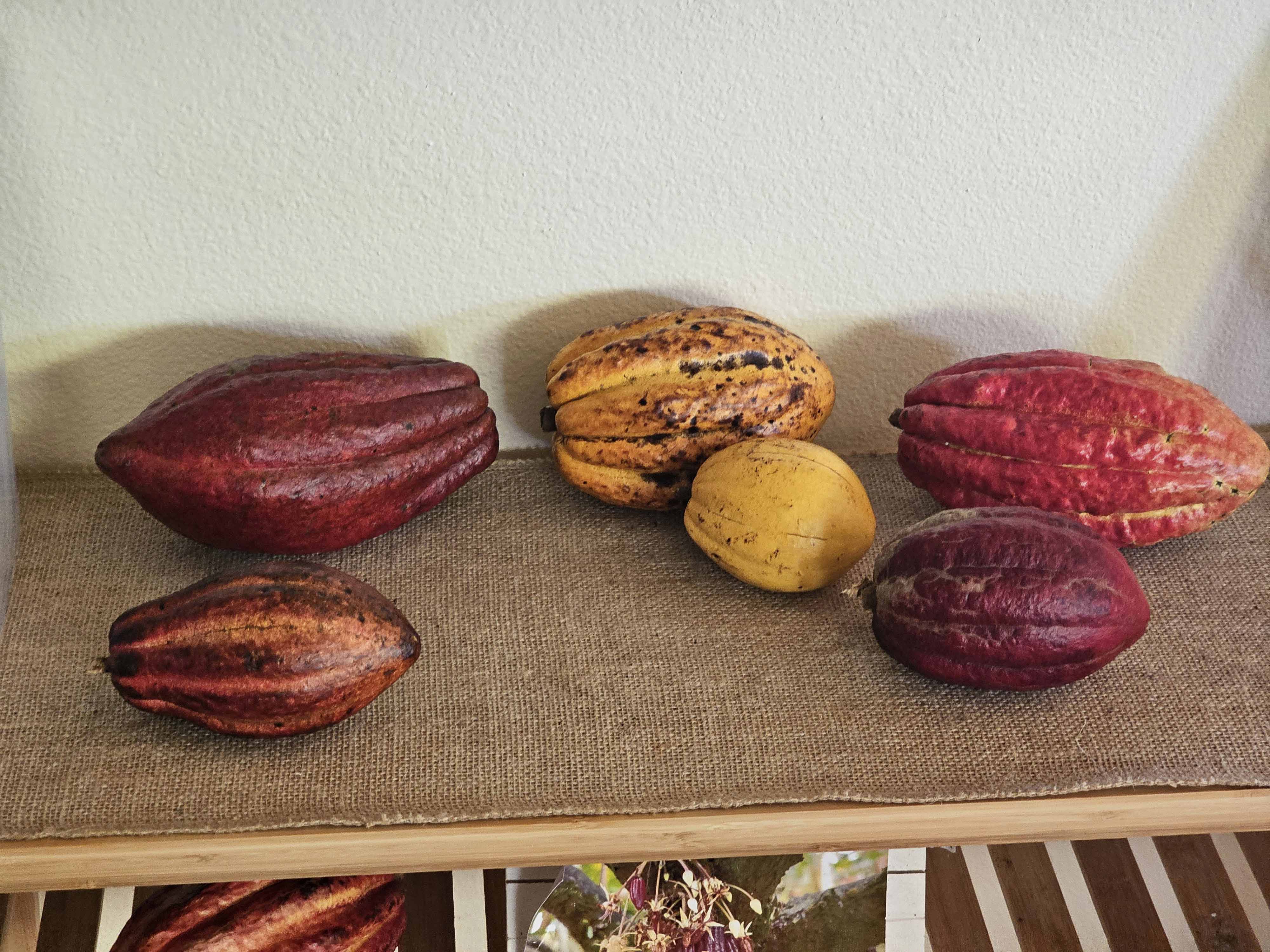
Cacao pods on display at Lavaloha Farm.

Click here to watch a video of the tour I took.

Lavaloha Chocolate Farm is nestled up the mountain from Hilo on the slopes of Mauna Kea volcano. Visit there website here for a full history of the farm or to book a tour. I recently took a tour of the farm, and I was very impressed.

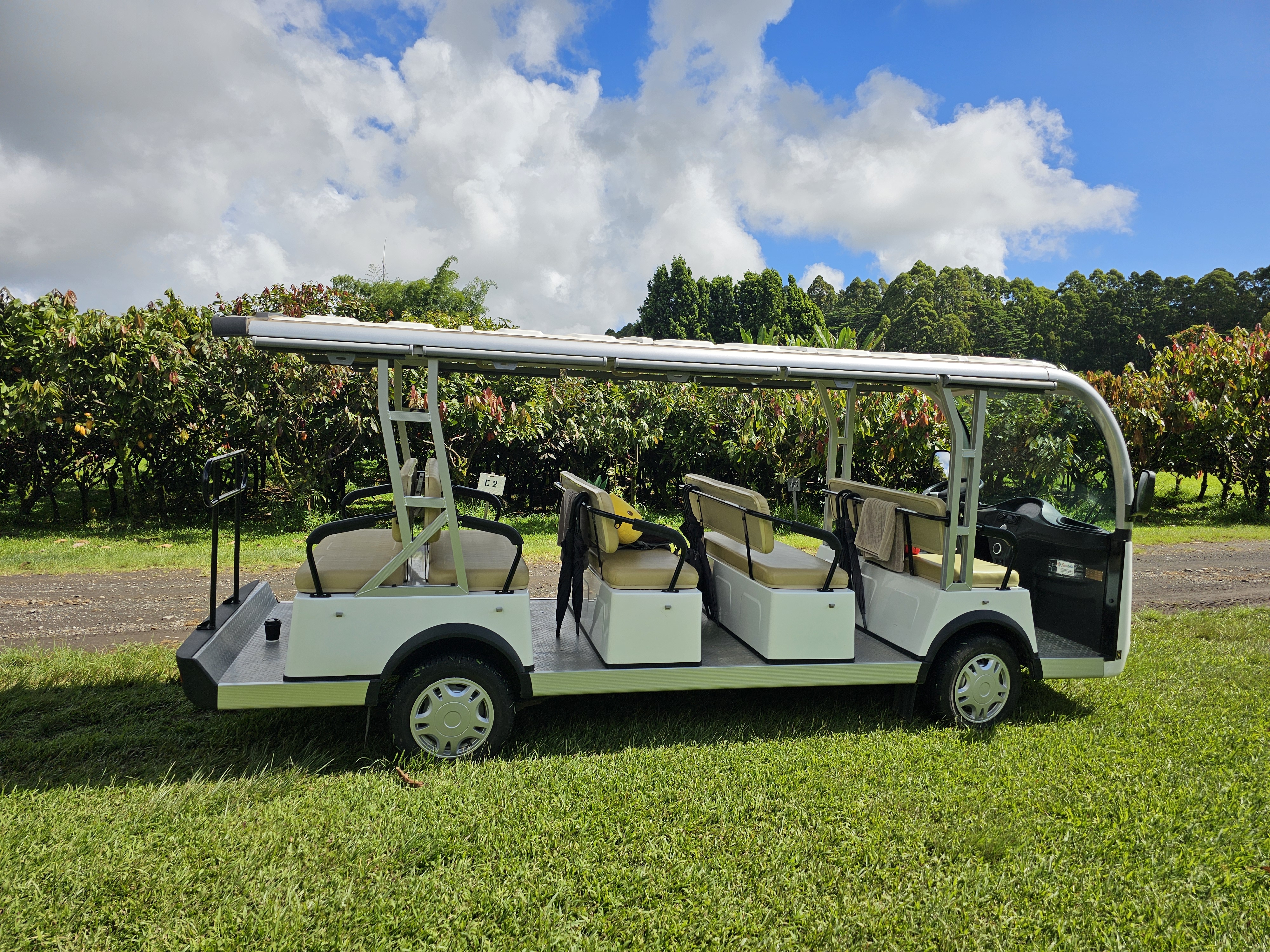
The shuttles that you tour the farm in are easy to board and dismount, so those who are elderly or need mobility aids should have no trouble. The tour is not wheelchair accessible, but the shop is.


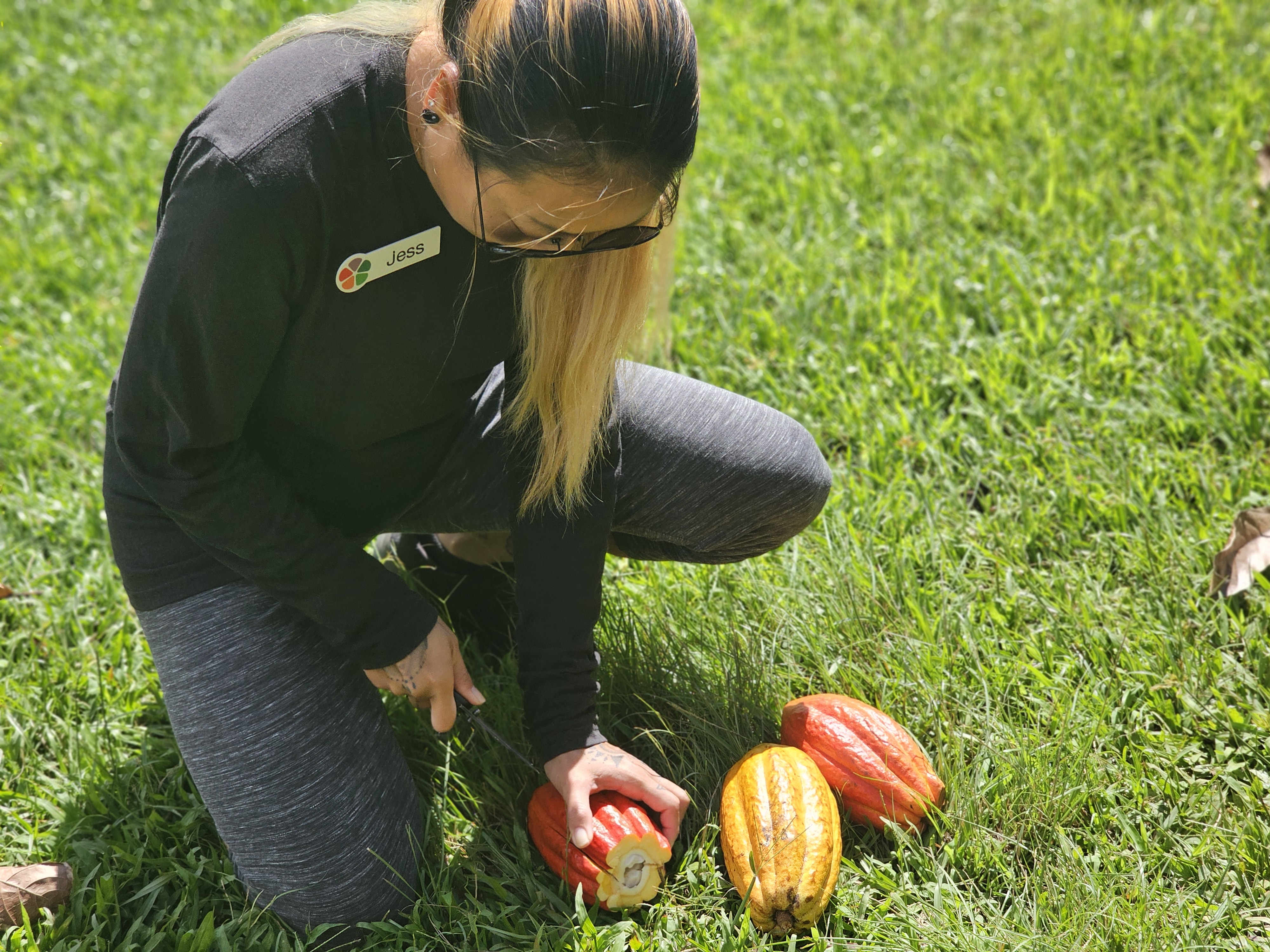
My tour guide -Jessica- was extreme knowledgeable about cacao and the chocolate-making process. She shared a variety of farm history, information about chocolate, and fun facts about the Hawaiian Islands. I was impressed with her, and I appreciated her speaking in a loud, clear voice since I have hearing loss. She was a wonderful guide.

The tour consists of going to see the orchard, trying unprocessed cacao fruit, seeing how beans are dried, and enjoying samples of different types of chocolate in the tasting lounge. There was also a video detailing exactly how they process the beans once they are dried, as the process of turning cacao into chocolate is laborious.

The tour then finishes at the gift shop, which has a variety of Hawaiian products in addition to chocolate.


For me, the most impressive aspect was learning about the off-grid sustainable farm itself, and about how they contribute to the community at large. In my travels to some places -like Cancun for example- I have been disappointed to find that the companies running tours pollute the environment, or that they are owned by a foreign investor who doesn’t give back to the community. Lavaloha Farms is a sustainable project with mindful intentions towards giving back tot he community and the environment. From their pollinator garden to their land-share program with local farmers, you can spend money there without feeling any guilt.

I would recommend this tour to anyone visiting Hawaii Island.

The Big Move to the Big Island


The State of Hawaii (or the Kingdom of Hawaii, depending on who you ask) is made up of 137 islands, islets, and shoals. However, there are seven islands which are generally recognized as the main islands:

Hawaii (also called the Big Island), Oahu, Maui, Niihau, Molokai, Kauai, and Lanai.

Though I have family on Maui, I have been living on the most populated island for the last seven years. Oahu was our home, and the town of Wahiawa was such a charming, wonderful community that we hated to leave.

However, Oahu is an expensive island. Not as expensive as Maui, perhaps. But, more than I can afford right now.

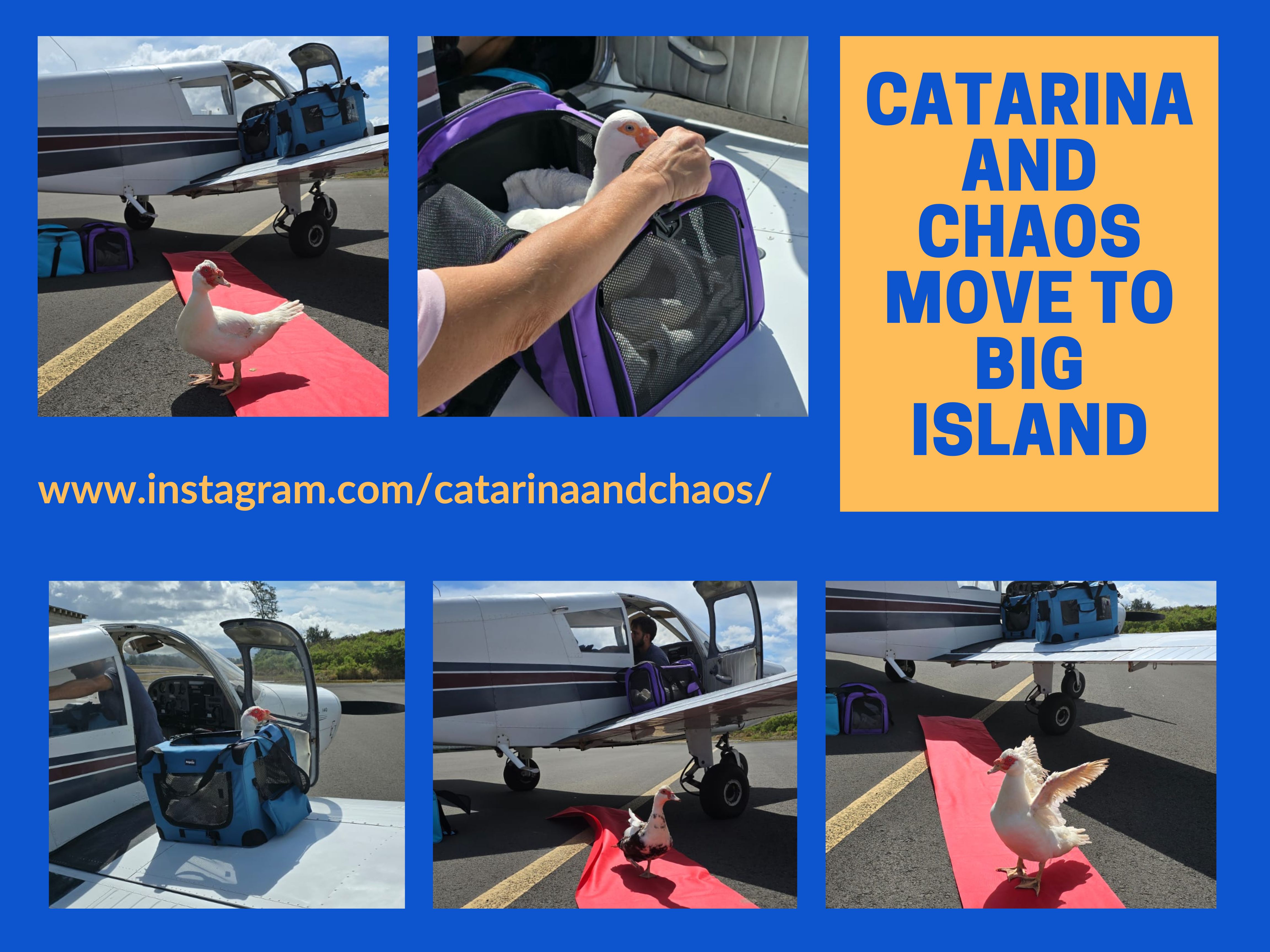
In search of a more affordable place for the flock and myself, we made the move to Hawaii Island, nicknamed “The Big Island.”


Hawaii Island is very large, which means land is more affordable. This isn’t without risk. After all, this is the island with the volcano on it. However, there should also be many rewards.

For the ducks, I am excited to spend time at less crowded beaches and rivers. It’s been very scary to have dogs sicced on us, have people attack us, and generally be subject to the lack of Aloha on Oahu. It’s the city island. You can’t go anywhere on the island and be alone. It’s expensive and crowded, and though many people there are kind, many aren’t.

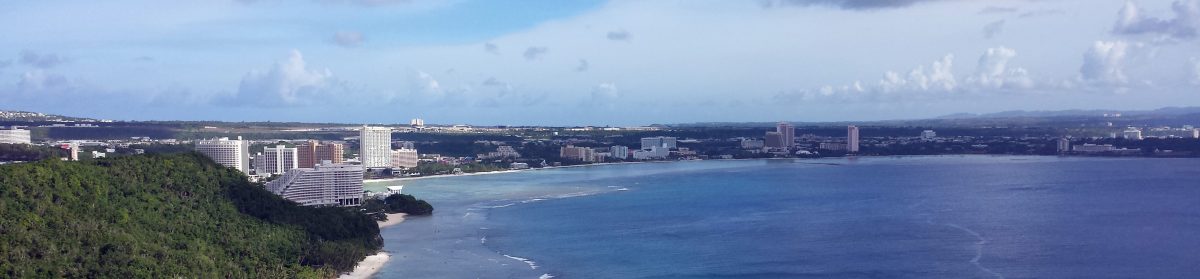
For me, I am excited to have more job opportunities, more affordable housing, and a slower lifestyle like I lived in Guam.

I loved my garden in Wahiawa. I loved the weather and my bedroom and my job at the VA Pacific Islands Health Care System. But, change is a normal part of life, and you have to admit, it was unusual for me to stay in one place for seven years…

Here’s to the next adventure!


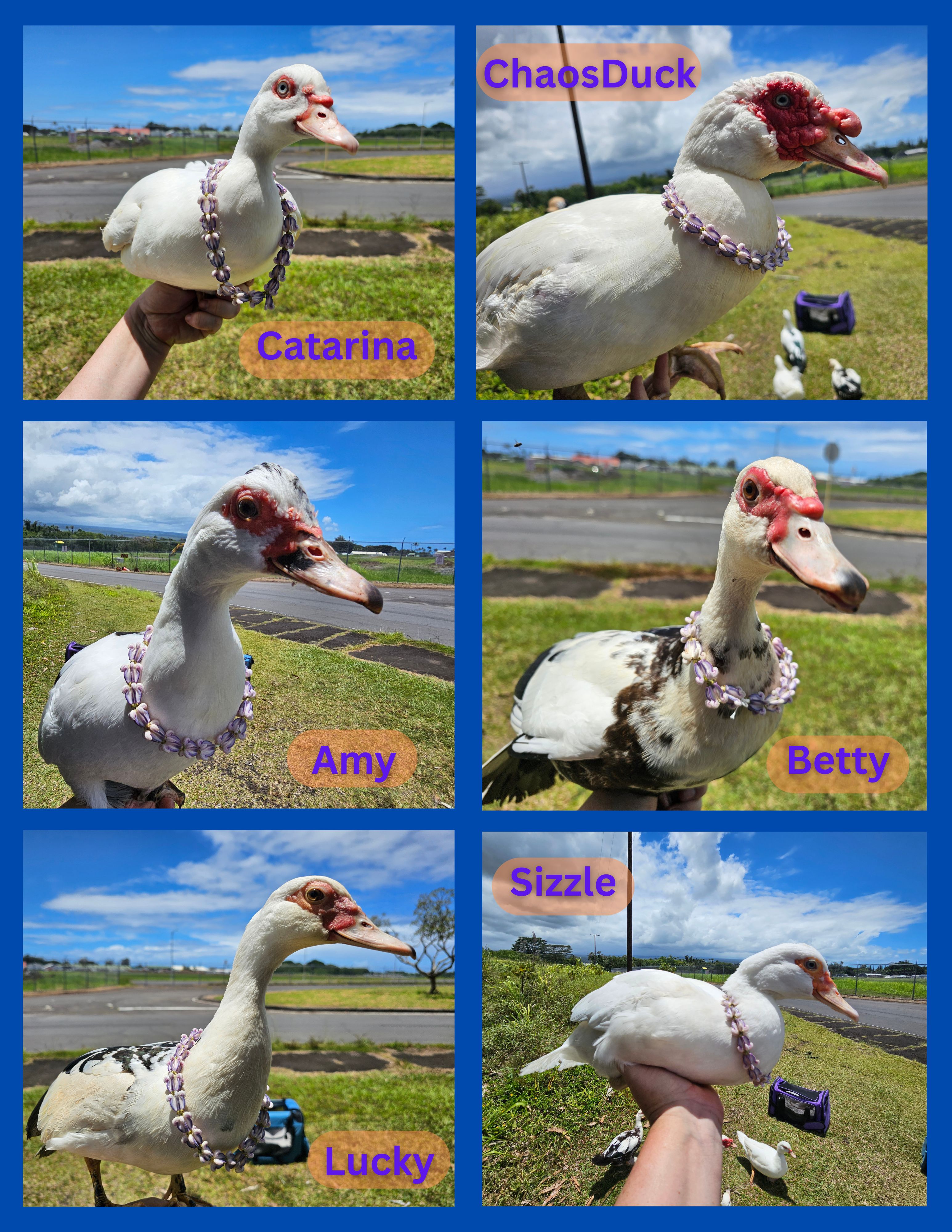
All the foster peeps were adopted, and it’s just Catarina La Pata Mascota, Chaos Duck, Amelia DuckPond, Betty DuckPage, Lucky Ducky, and Sizzle with me now.

Separating from the VA

I have loved working for the VA Pacific Islands Health Care System (VAPIHCS). It’s been a good job, and I was proud to do it.

Unfortunately, my time at VA has come to an end.

To say I will miss it is an understatement. I worked very hard, always got good performance reviews, and wrote many wonderful stories.

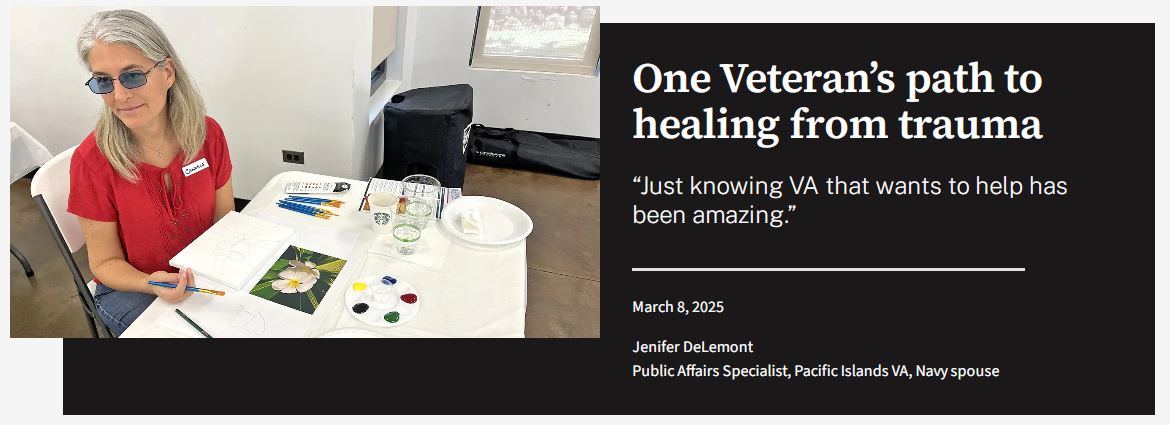
Here is one I wrote about our Center for Development and Civic Engagement.

While I worked at VAPIHCS, I had the opportunity to interview Veterans and write their stories, write station communications, and write for Dr. Adam Robinson, former Director of the VA Pacific Islands Health Care System, Retired Admiral, and 36th Surgeon General of the US Navy. It was an honor.

I also did social media management, wrote a weekly newsletter, and handled a variety of reports. It was all important, but my favorite part was the stories.

Some of my favorites were the stories I wrote about the Akana Family, the story about Ret. Col. Edna Higa, the story about Army Veteran Eugene Gold, and the story I wrote about Ret. Air Force Veteran Garrett Kuwada. Being trusted with those stories meant a lot to me.

As I leave, I will also miss many of my co-workers. I’d grown really fond of them over the years. I had hoped to have my job for a long time. Interviewing folks like Navy Veteran Roger Tandlsey was fun, and I have no idea what I’ll write about next.

There are a lot of big changes happening in my life, and I’m not sure what the future holds. But, I’ll let you know.


Meeting Vera Stone


Living in Oahu means meeting a lot of brilliant, varied, and entrepreneurial people. Recently, I met Vera Stone-Williams, co-owner of Military Stock Photography. Vera lives on Oahu’s famous North Shore. The community is tight-knit and friendly; mixed with business owners, surfers, environmentalists, and much more. The North Shore offers a plethora of interesting businesses, such as Fly Skyland Air and the Polynesian Cultural Center. Vera’s business is certainly niche, but it fills a need that not everyone might know about.

“Many companies want to advertise to the military,” Vera said. “When they use some stock photography businesses, they search for pictures of the military not realizing that it could be Russian pilots or Chinese soldiers that they’re looking at. With Military Stock Photography, they get American military photos, and with everything accurate.”

Being married to a Navy Chief, I can relate all too well with the experience of a service member sitting beside me watching a movie, TV show, or commercial and complaining about every small detail that is out of place. This patch is on the wrong arm, that ribbon rack isn’t organized right, or a hat is wrong for the uniform. He’s always annoyed by small inconsistencies that a civilian would never notice. Vera’s business produces content that my picky husband wouldn’t see any issue with, because great pains are taken to ensure that every uniform is correct, every haircut is in regulation, and every shoe and that matches the outfit it is worn with.

“Incorrect uniforms in ads targeting the military can actually have the opposite effect,” Vera explained. “If a business targets service members with ads where the uniforms are incorrect, it can make service members less likely to do business with them because they feel the company doesn’t care enough about them to get it right.”

Vera grew up in the Monterey Bay Area in California and got a bachelor’s degree in the Philosophy of Ethnic Arts from UCLA. After graduation, she moved to the San Francisco Bay Area, where she got into audio/visual work for TV. It was in the bay area that she met Hans Halberstadt, a writer and the founder of Military Stock Photography. He could tell that Vera showed promise, so he asked her to work for him. Vera loved the work, and so she stuck with Hans until her husband’s job took her to Oahu.

“At that point, Hans got me into writing books,” Vera said. “His publisher asked me if I would be interested, and I was. That started me digging into military history, to learn about things that most people don’t know. It was all fascinating.”

That digging led to two books: “WACs; Women’s Army Corps 1942-1978” and “WASPs; Women’s Airforce Service Pilots of WWII.” Many associate Oahu with the military because there are so many military bases on the island. It’s as good a place as any to go hunting for military history. However, it’s also a good place to raise children, which Vera also did.

“I admit, I did not have the easiest time making friends at first when we moved to the North Shore,” Vera said. “When I had my children and joined some parenting groups, that’s when I really started to meet people and become part of the community.”

Her children are grown now, and her son stayed and became a business owner himself, Hawaii Shark Encounters takes tourists on tours to see sharks. Vera continues to work with Hans at Military Stock Photography, and she hopes that the rise in AI images rife with inaccuracies will help highlight how important what she does still is. So many businesses like financial and educational services hope to get the business of active duty and retired service members. Having high-quality images with accurate military grooming, posture, and uniforms might make the difference between a service member choosing to buy their product, or to shun them for getting it wrong.

The Wahiawa Pineapple Festival


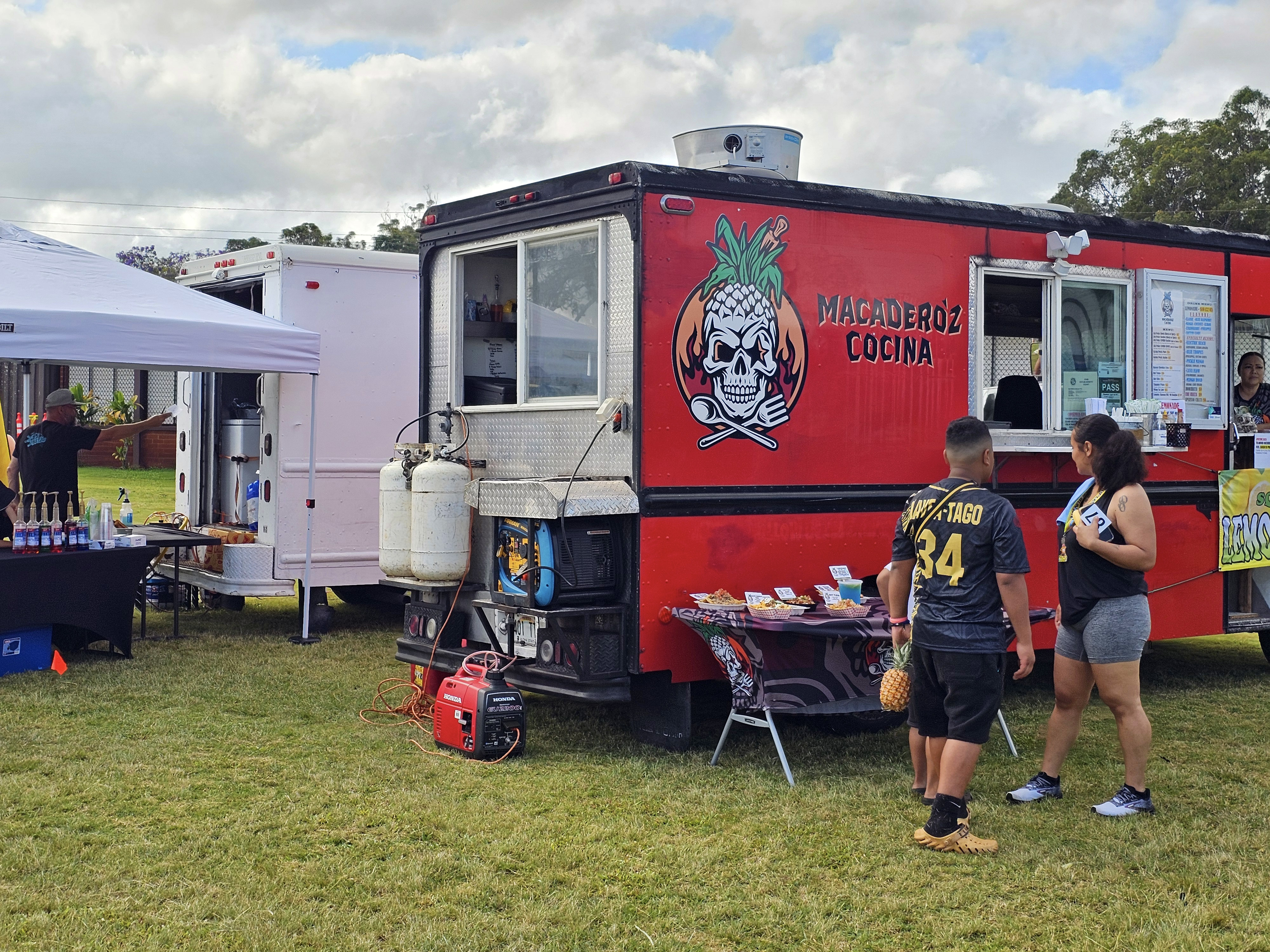
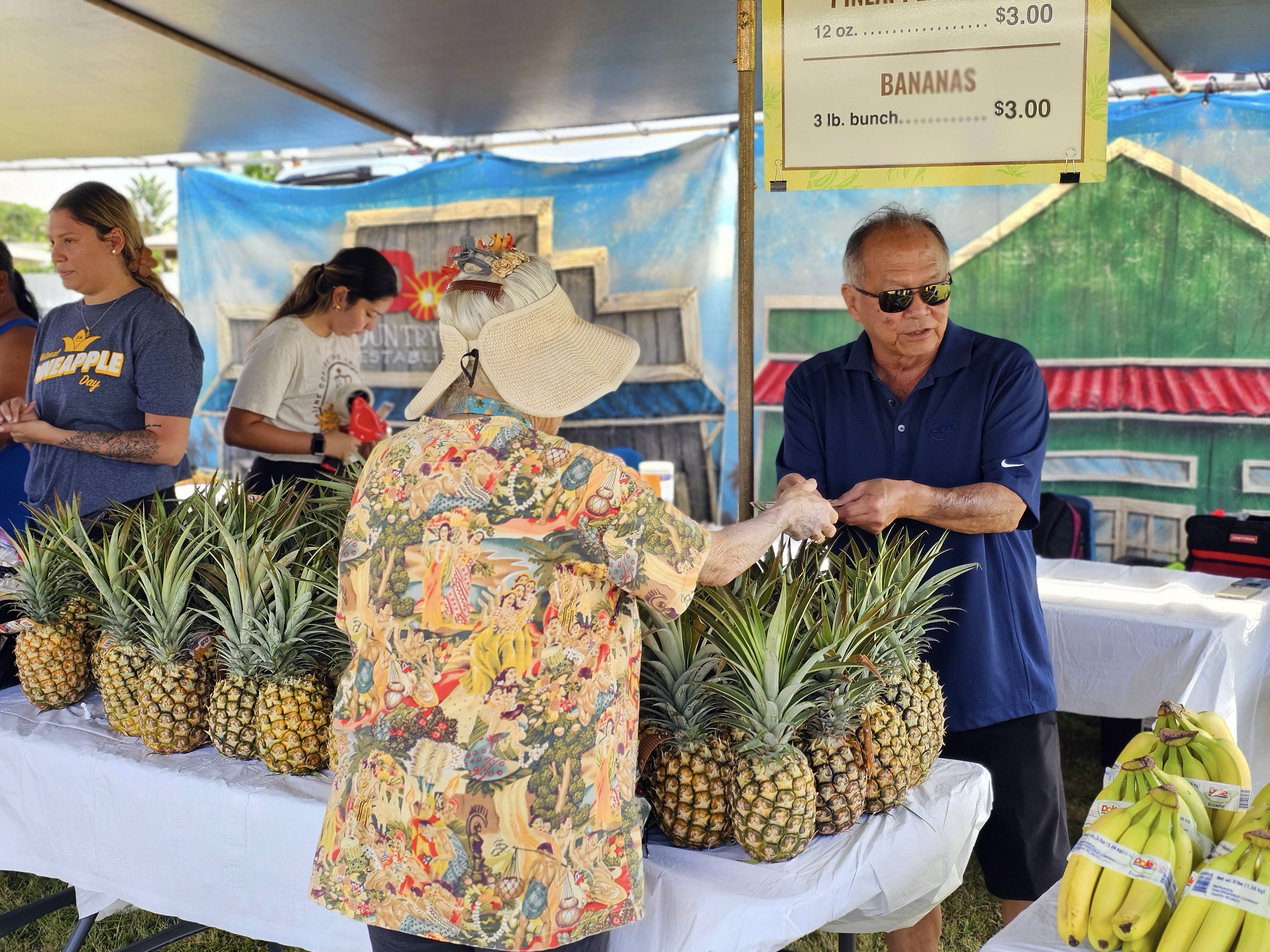
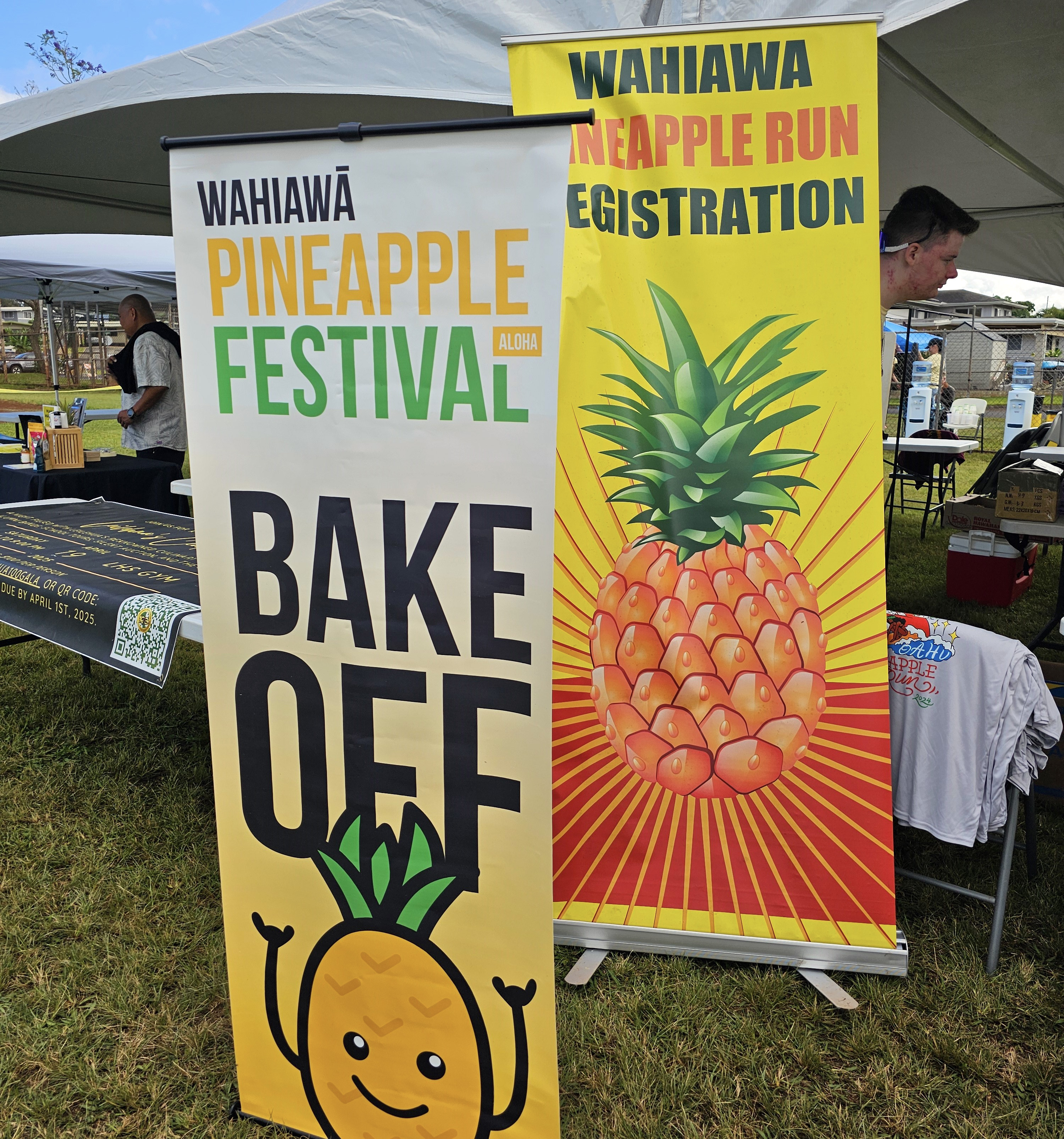
Pineapples are not from Hawaii, but don’t tell that to the residents of Wahiawa. In our town, this transplant is royalty. Every year, people gather to celebrate this South American fruit, and it’s close relationship with Wahiawa for more than 100 years.

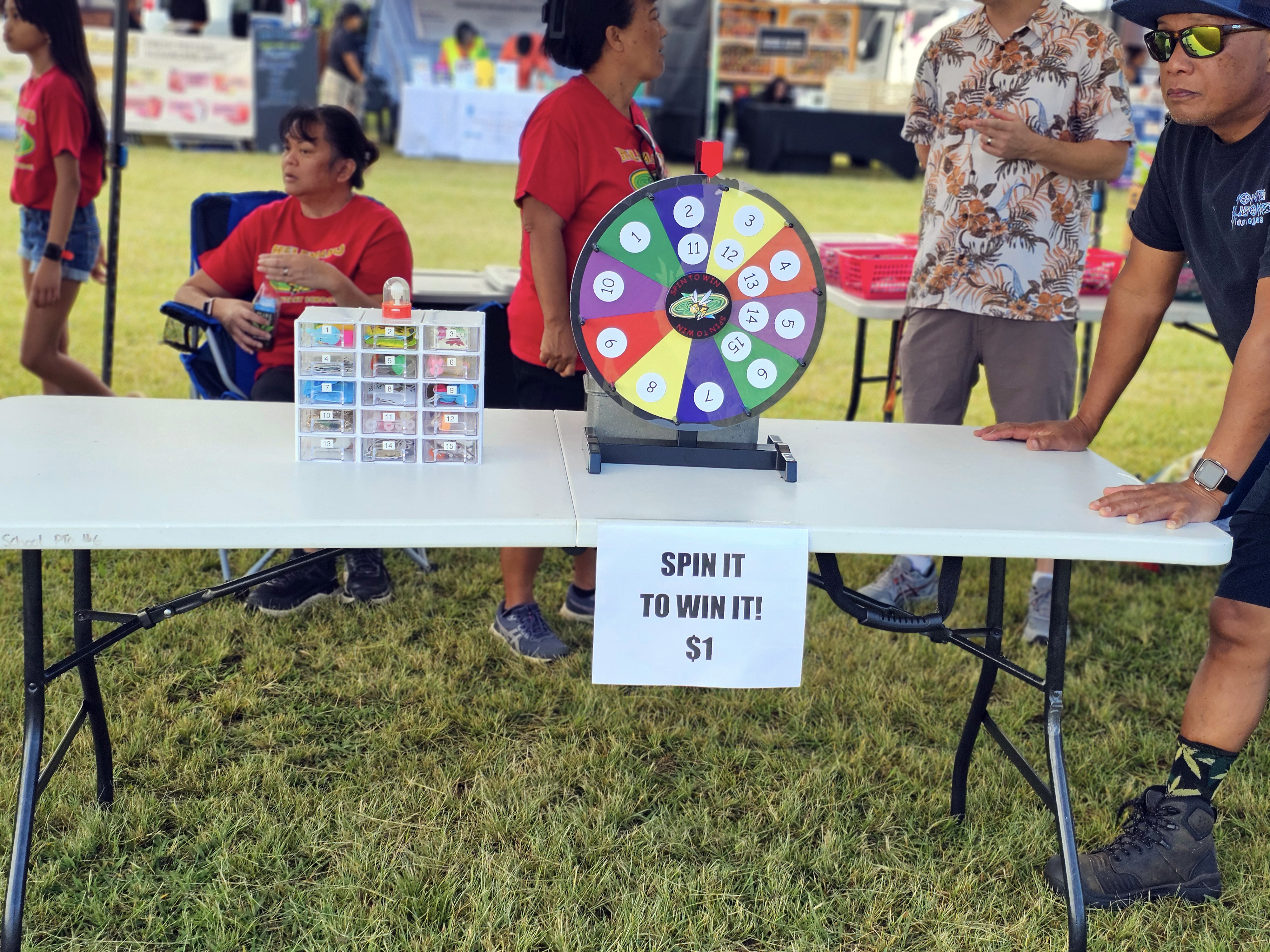
The name Wahiawa means “place of noise” in Hawaiian, and people certainly made some noise for the “Chee Hoo” competition, paper airplane throw, and other events. The Wahiawa Pineapple Festival has a very different feel than a Waikiki festival marketed to tourists. This is a goofy, small town event that shows off our town spirit.
Some say Wahiawa is nothing but tattoo shops, pawn shops, and smoke shops. They think of our town as a place of chain link fences and big dogs. Yet, when I look out at my street, I see the neighborhood kids playing. My mailman knows me as the weird duck lady. I’ve never had a package stolen off my porch. To me, Wahiawa is a safe place full of good people, and that is what you see on parade at the Pineapple Festival. Good -if mischievous and silly- people having fun.
The Pineapple Festival organizers hope to raise money so that our town can build it’s own museum. This land has been grazed by cattle, settled by strangers, used by royalty for battle training, and been appropriated by the United States federal government for military bases. We’re known for the Dole Pineapple plantation, but this place of noise has a long history that should be preserved.

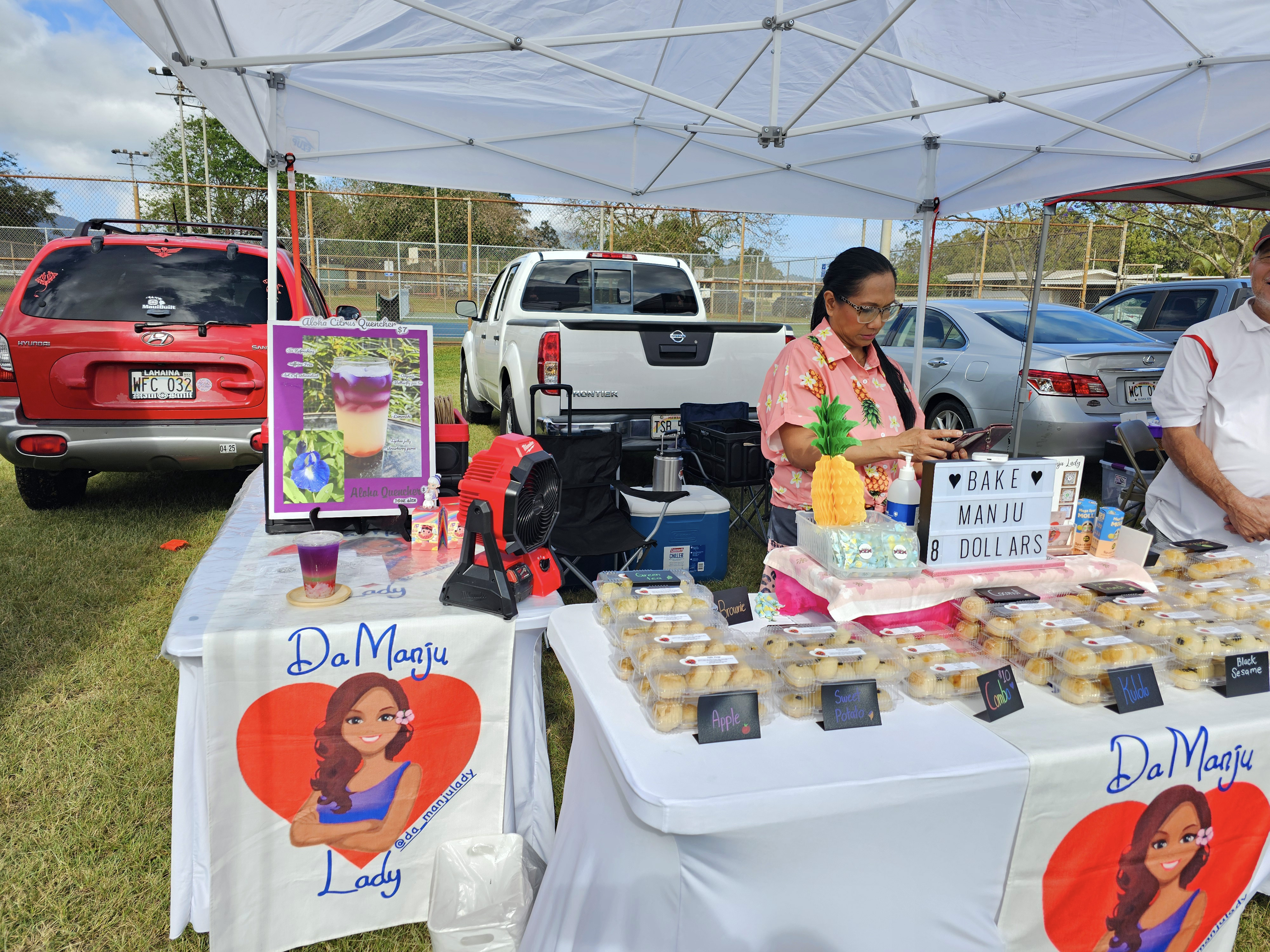
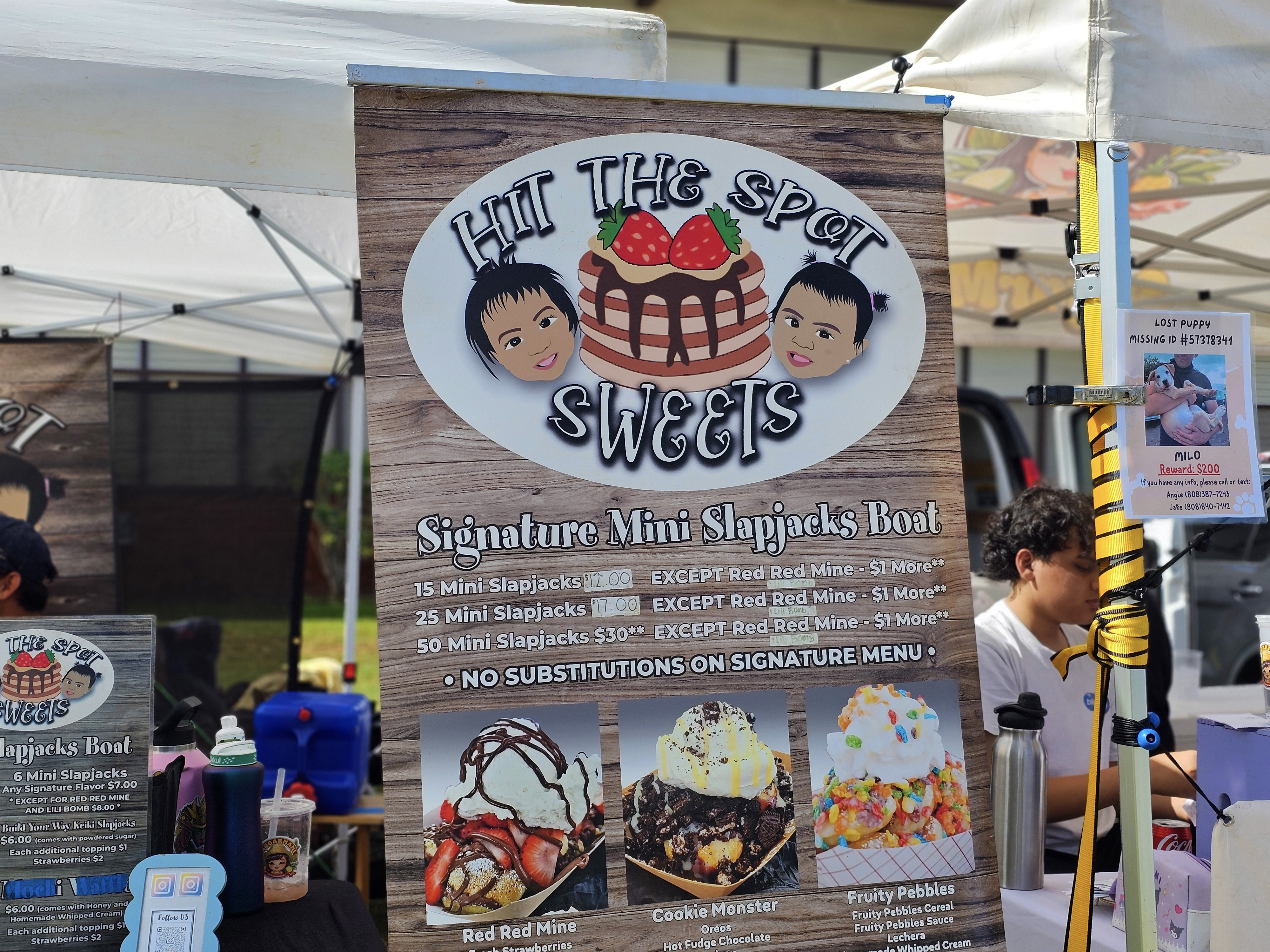
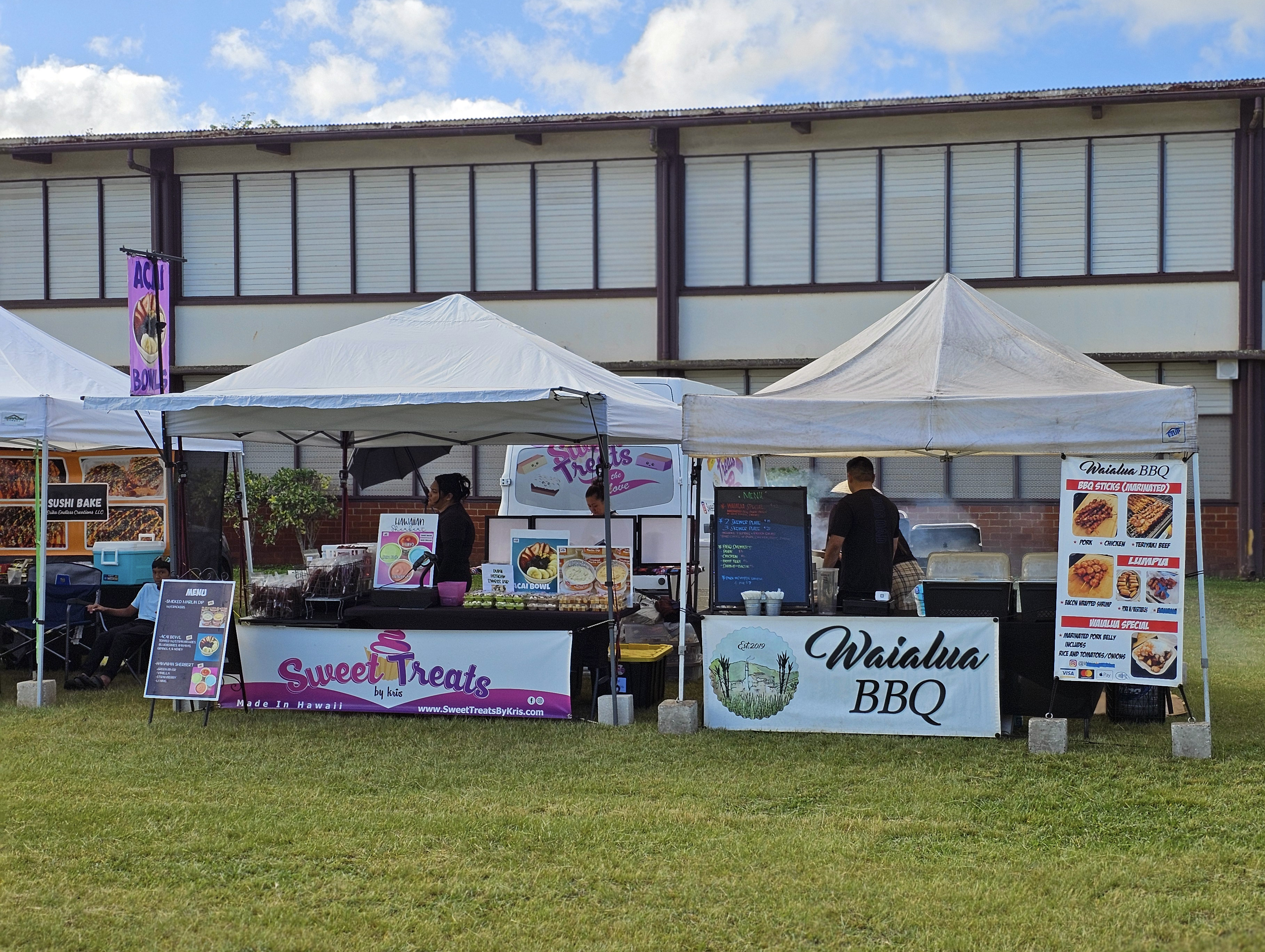
If you ask me, the main reason to go to the pineapple festival is for the food. I’ll be honest: I don’t like pineapples. (Sacrilege, I know.) However, Wahiawa has some of the best lunch wagons and restaurants on island. Our population is very diverse, and that means our food is the best of everywhere rolled up together from Japanese cakes to tacos.

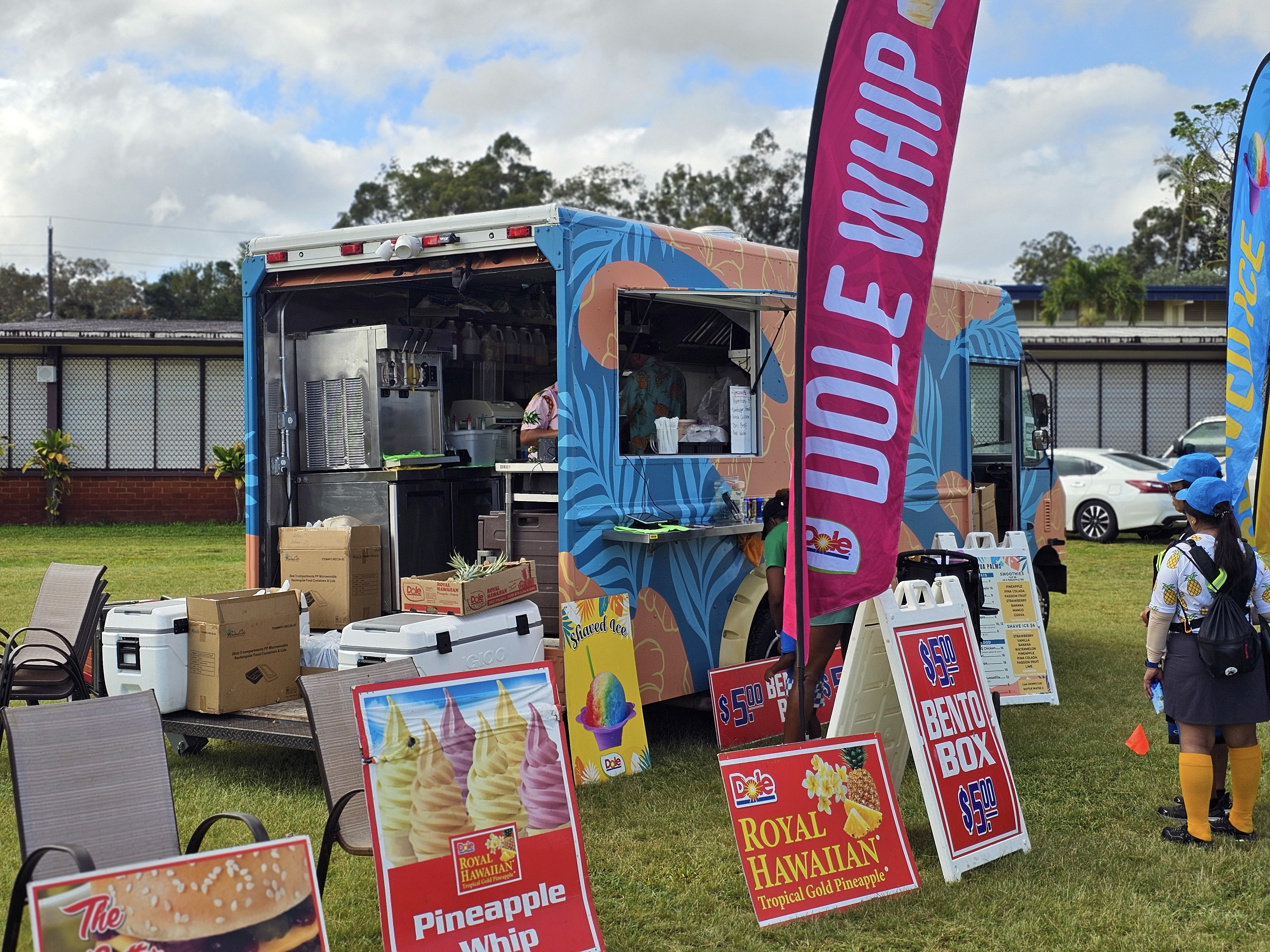
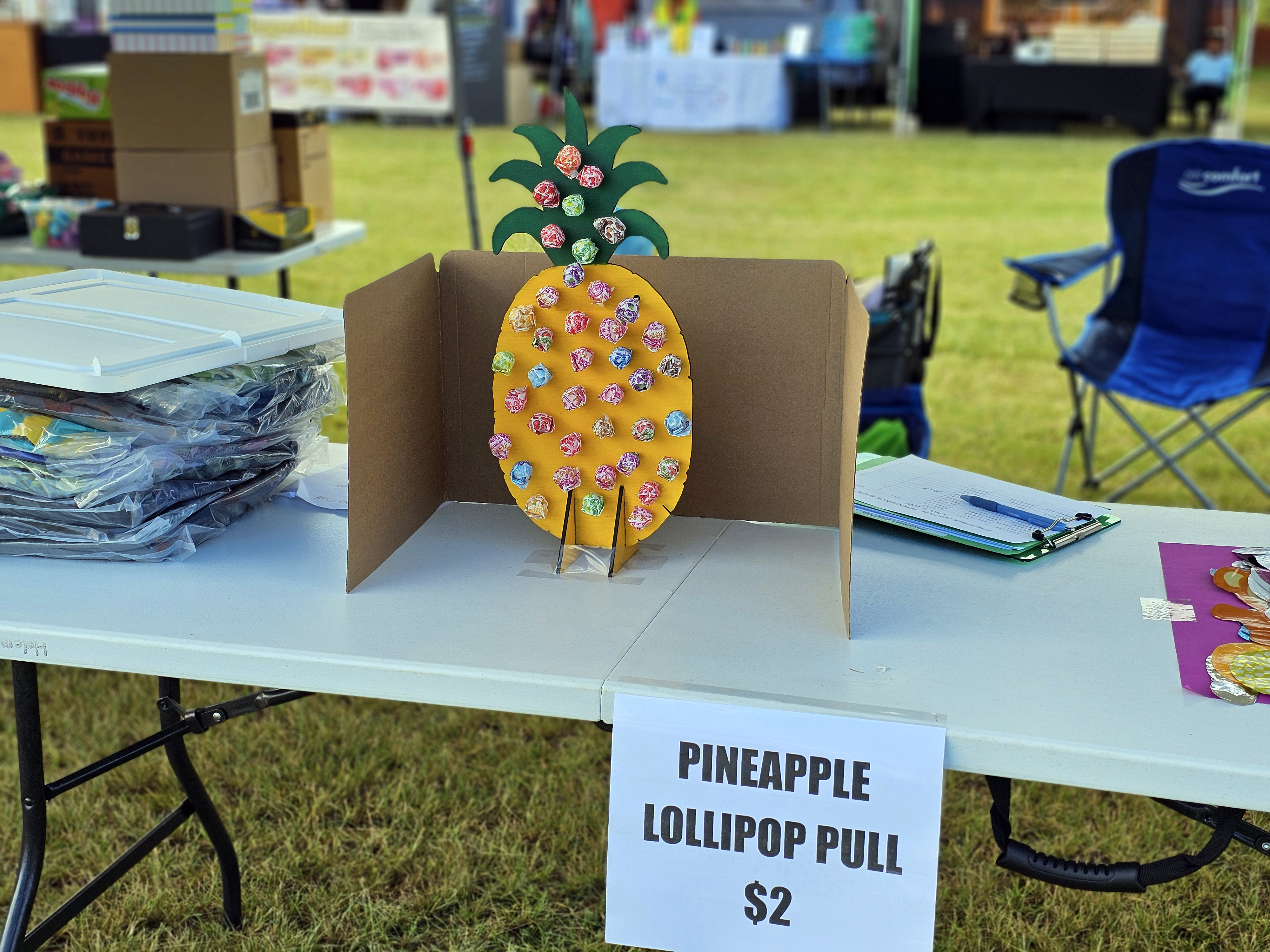
Of course, we also have everything pineapple.


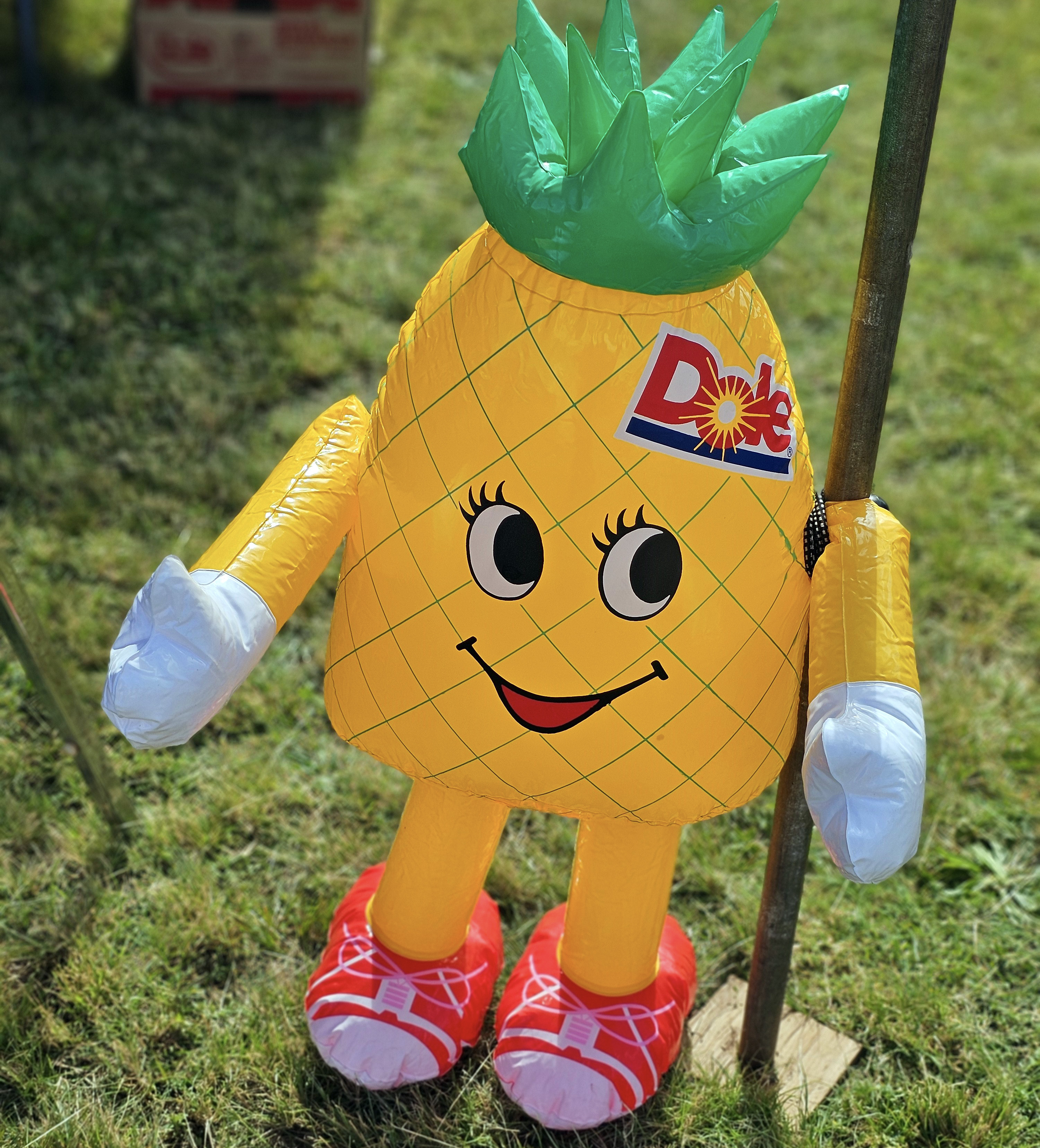
The Dole Whip is the star of the show. The popular confection is sold all year at the Dole tourist attraction.

Dole used to farm huge tracts of land so that pineapple fields stretched from the mountains almost all the way to the sea. Dole sold most of this land to farm pineapples in more cost-effective places. These days, they only farm enough land to support the tourist attraction, which is very popular with visitors.

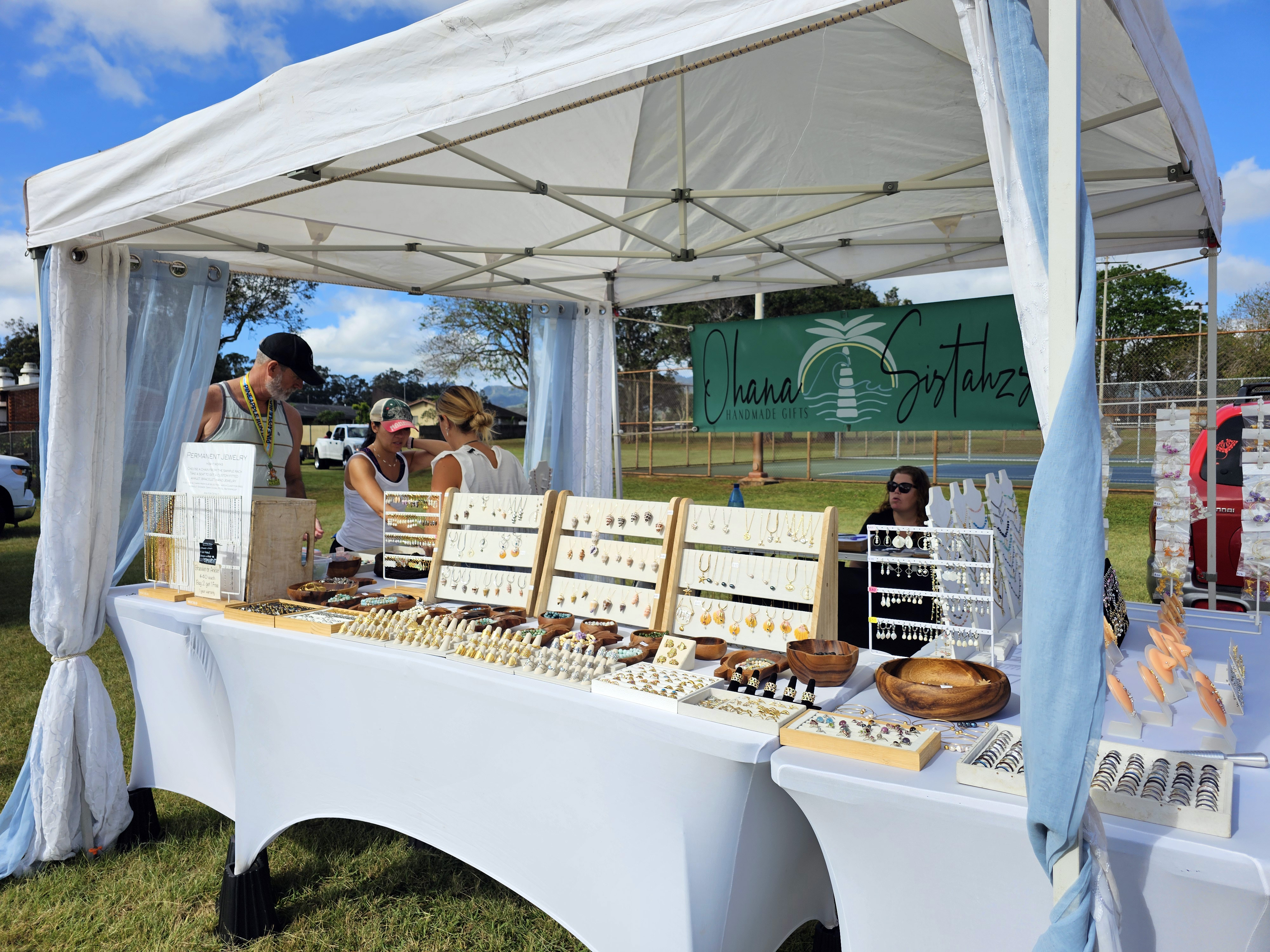
It may be a small festival in a small town, but the Wahiawa Pineapple Festival really is a good time every year. I’d recommend it to anyone -islanders and tourists alike. The small-town feel is reminiscent of old Hawaii and echoes back to a simpler time when people got together to eat, laugh, and have a nice day with their families. There are things to buy, but that’s not what it’s all about. It’s about the games, the baking competition, and the local high school drama club doing interpretive dances (in full Goth regalia in spite of the heat). My family actually comes from Maui, in the Makawao area. But, I love living in Wahiawa and -if you ask me- it’s the hidden gem of Hawaii.


What I Do For Work


Many of you know that I work as a Public Affairs Specialist. During my time at my current job, I have been privileged to work for someone I respect, and to do work that I consider meaningful.

It’s likely that I won’t have my current position much longer due to an impending Reduction in Force. It’s a shame, because my job is important to me.

Please send me kind wishes and good ju-ju to help me find my next adventure! And, take a look at some of the work I’ve done. It’s been fun to get the chance to tell these stories.

Pearl Harbor Tour

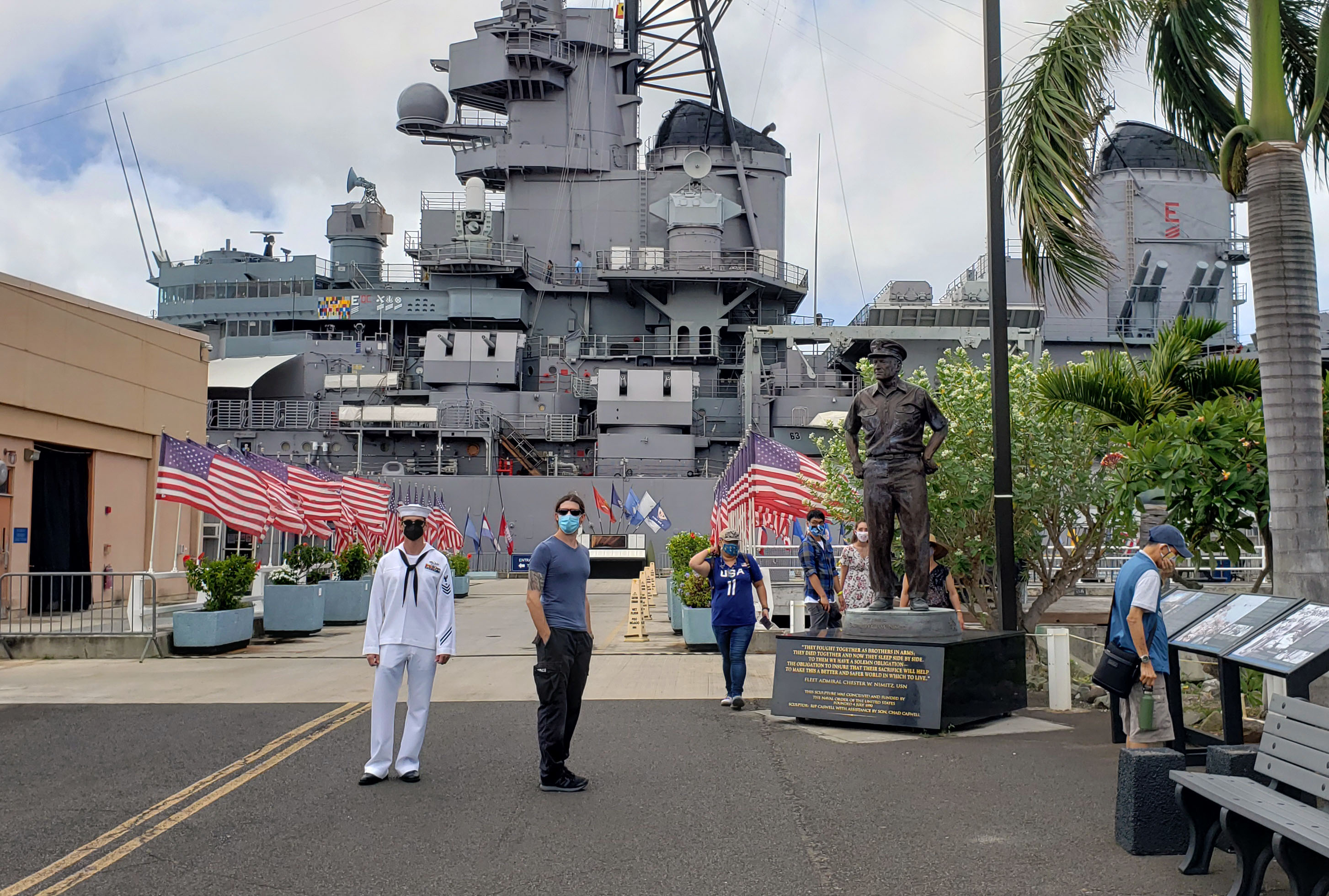
Rob and Rich in front of the USS Missouri with the memorial to the USS Arizona in the background.

There are actually three different sites to go to see parts of Pearl Harbor’s WWII history. On Ford Island you can see “The Mighty Mo,” otherwise known as the USS Missouri. It;s not a museum dedicated to the life of the ship, including its time in Pearl Harbor during the Japanese attack.

The tour of The Mighty Mo is long. I recommend comfortable shoes and eating beforehand. It’s a big ship, and even though they don’t let you look at all of it, there are many things to see.

A map in the officer’s dining room. Everything on a ship is very small and cramped, so the officer’s dining room is the biggest open area. If your claustrophobic, it’s a nice spot to rest.

The Mighty Mo wasn’t just at Pearl Harbor in December 7th, 1941. The ship went all over the world until it was decommissioned in March of 1992. In fact, the ship participated in WWII, The Korean War, and The Gulf War. It features some of the biggest guns every put on a ship, and after it’s upgrade in 1986, it had some of the most modern equipment in the fleet for a while.

Of course, looking at the ship now, that “modern” equipment is laughable. What was modern in 1986 belongs in a museum in 2021. So, I guess it’s very appropriate that after The Mighty Mo was decommissioned, it became a museum.

The tickets were $29.99 each for adults, which feels a little steep. You can buy a package Pearl Harbor deal for $79.99, but we didn’t because we got tickets to the Arizona for free, and only two of us wanted to go on the USS Bowfin and see the aviation museum.

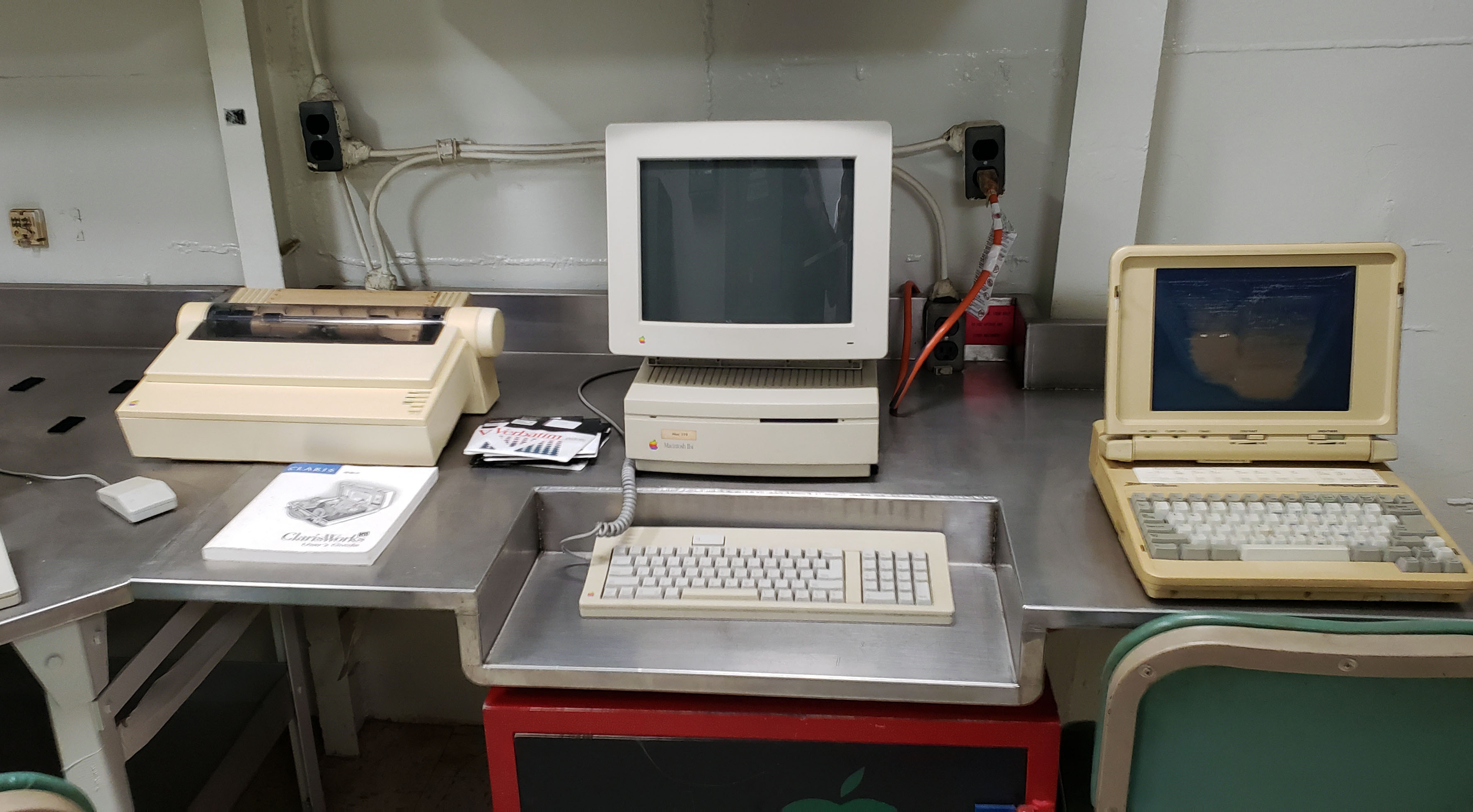
In 1986, this was state-of-the-art technology. You may laugh, but plenty of ships in service today have equipment that isn’t much more modern than this. (I’m looking at YOU, USS Frank Cable.)

After touring the USS Missouri on Ford Island, you can go over to the main Pearl Harbor Memorial park, which is right across the bridge and to the right off the Kamehameha.

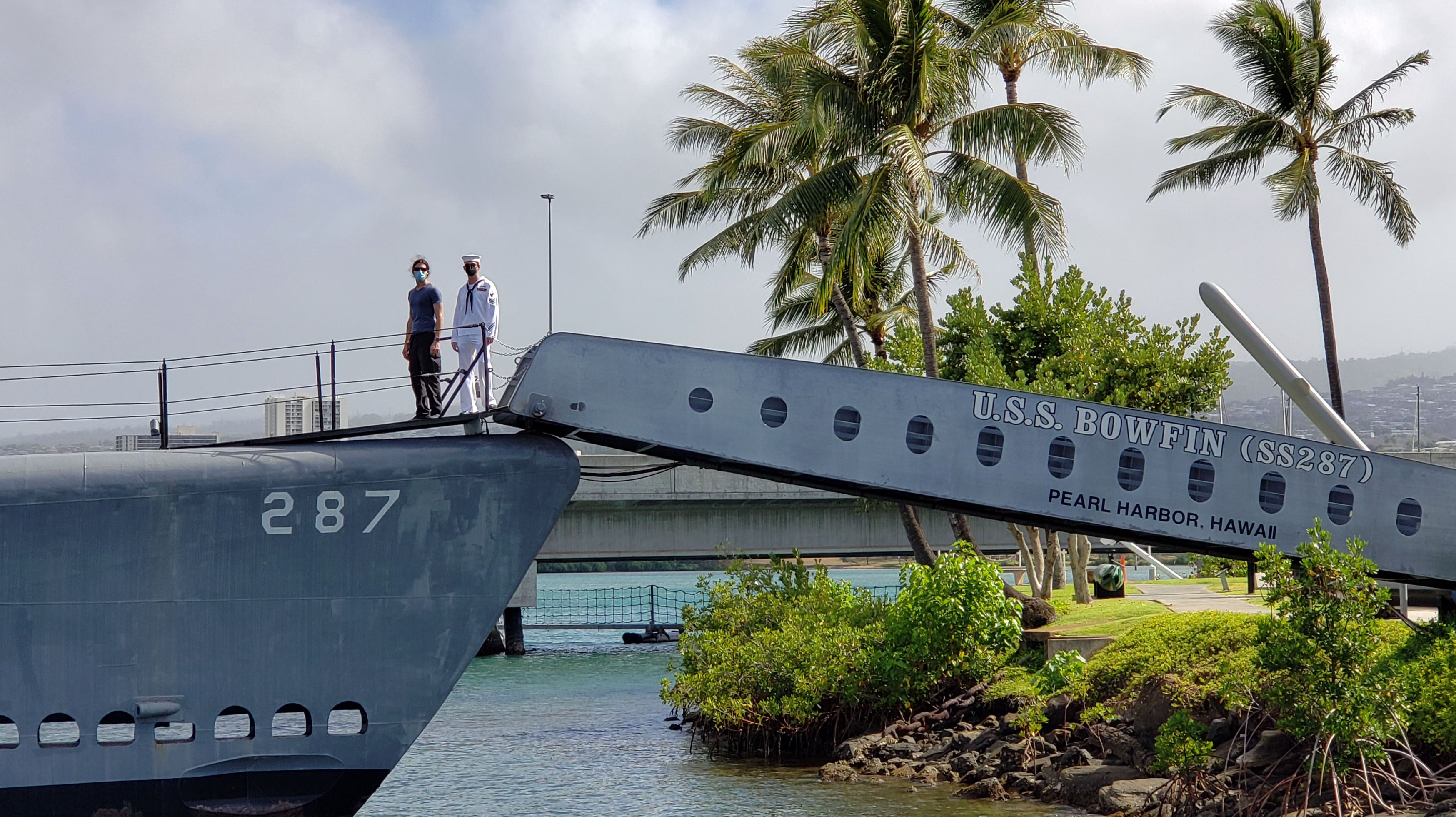
Once you enter the park, there are statues and memorials throughout to look at. On the far right is the USS Bowfin (a decommissioned submarine) and on the far left is the waiting area to take a ferry to the USS Arizona. It’s best if you reserve tickets for the ferry in advance, but the tour operators buy them up so fast that we couldn’t get any. We would have had to wait in a very long line, but thankfully, someone had extra tickets and gave them to us.

When you go to the memorial, all active duty soldiers should remember that you are required to wear your dress uniform. This is to show respect for the men who died in Pearl Harbor.

Rich and Rob on the USS Bowfin. I saw the sub they have at OMSI in Portland, so I chose to skip this part. Ships are okay, but submarines are just too crowded for me.

Although the Pearl Harbor Memorial Park is operated by the National Park Service, the ferry to the USS Arizona is operated by the US Navy. Therefore, when you get on the ferry, you’ll see actual sailors manning the ship.

On the ferry over and in the memorial itself, it is asked that you maintain silence or whisper quietly. The folks who operate these memorials take their jobs very seriously, and they don’t like anyone to disturb the quiet and somber atmosphere. Therefore, you may not want to go with children unless they are very well-behaved.

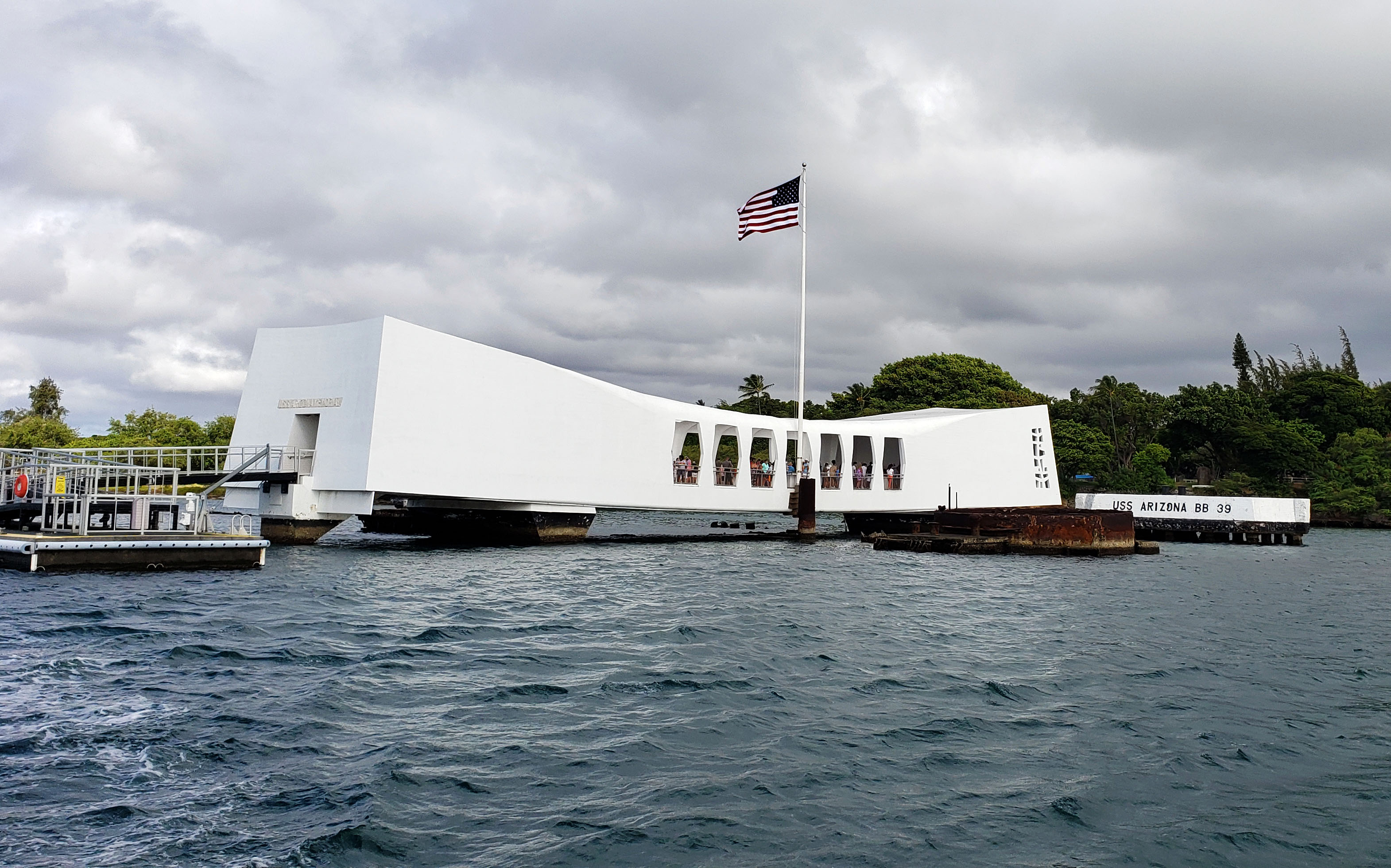
Coming up to the USS Arizona by boat.

The USS Arizona is still underwater where is sank in the attack on Pearl Harbor. The memorial is on top of the ship, so that when you stand at the windows you can look down and see the wreckage.

The memorial is beautiful, with arched ceilings and decorative windows. But, it’s a sad place. Unlike The Mighty Mo who survived the attack, the USS Arizona was lost with nearly all hands.

This is the inside of the USS Arizona Memorial, which sits on top of the wreckage of the ship.


The memorial is small. There’s the main area with windows that look out of the sunken ship, and then a small alcove in the back with a wall of the names of those who died. It’s a big wall, and there are a lot of names on it.

I do recommend doing a Pearl Harbor tour. But, there’s a reason it took us two years in Hawaii to get around to it. Rich is a sailor, and that doesn’t make it easy for either of us to walk around these memorials devoted to dead sailors.

I mean, you know when you enlist that there is a chance. It’s just that facing that so directly is heart-wrenching.

The wall of names. These are the sailors who died when the USS Arizona was lost in the Japanese attack on Pearl Harbor.

The main things to see are the USS Missouri on Ford Island, the USS Arizona memorial, and the USS Bowfin and Aviation Museum.

However, there’s a bonus that not a lot of people know about.

I’m mentioning it last because the tour buses don’t go there. You can take a shuttle from the Pearl Harbor Memorial Park to the USS Missouri, but it will only bring you back to the park after. However, if you have a military ID, you can drive yourself over to see The Mighty Mo, and then pop over to the airplane graveyard. It’s right behind the cafe, and if you ask the guard they can direct you.

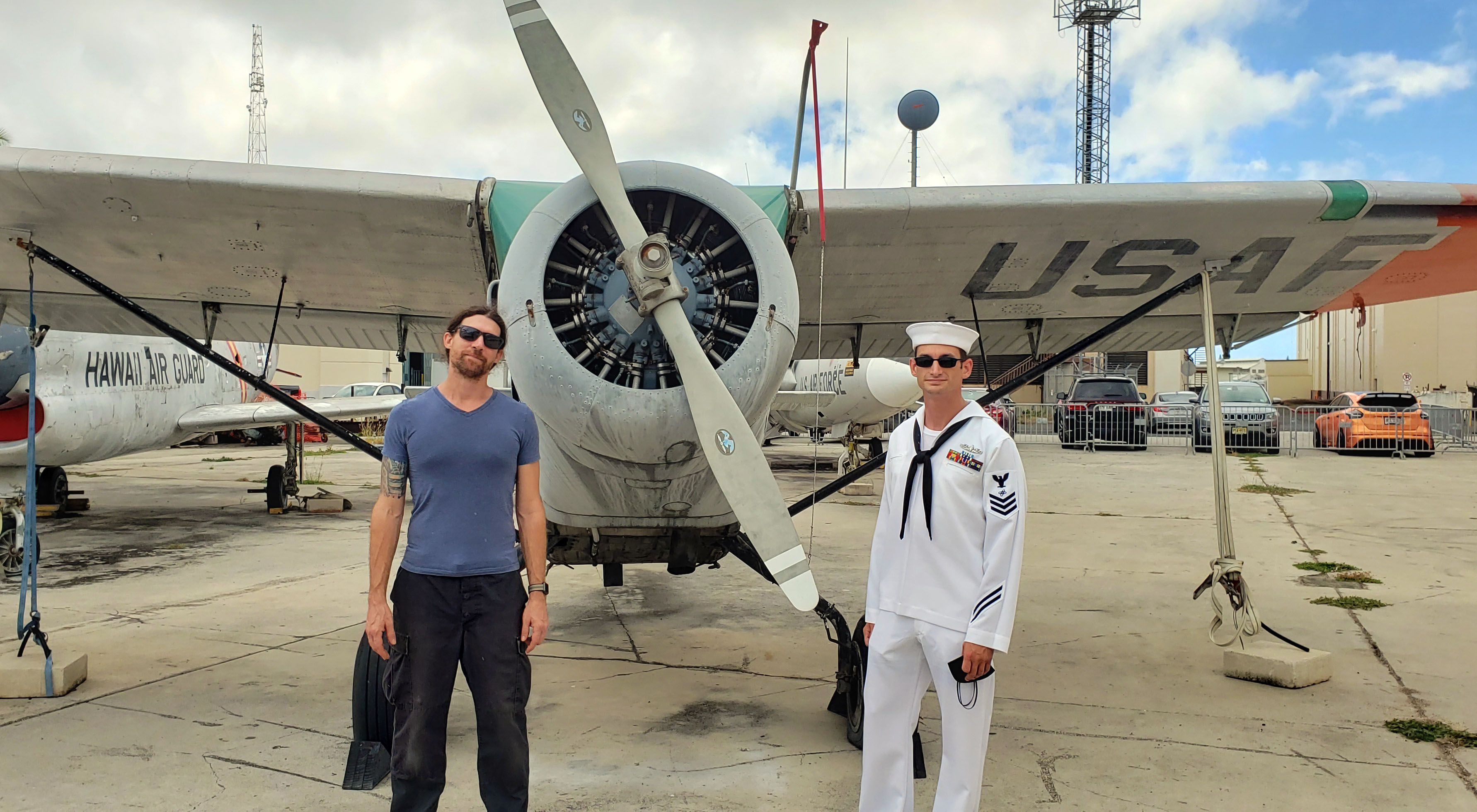
Rob and Rich with one of the old prop planes.

There’s a small tent with a little museum inside that talks about these old planes and what they were like. Flight technology advanced very quickly through the 20th century. These early examples are so scary up close. They feel like they’re made out of little more than a few sheets of tin foil!

When you think about the people who flew in them, you really have to marvel at their courage. I’ve been in a few small planes and in two helicopters, so I know that not all aircraft even in modern times feel very safe. But, these planes look like death traps.

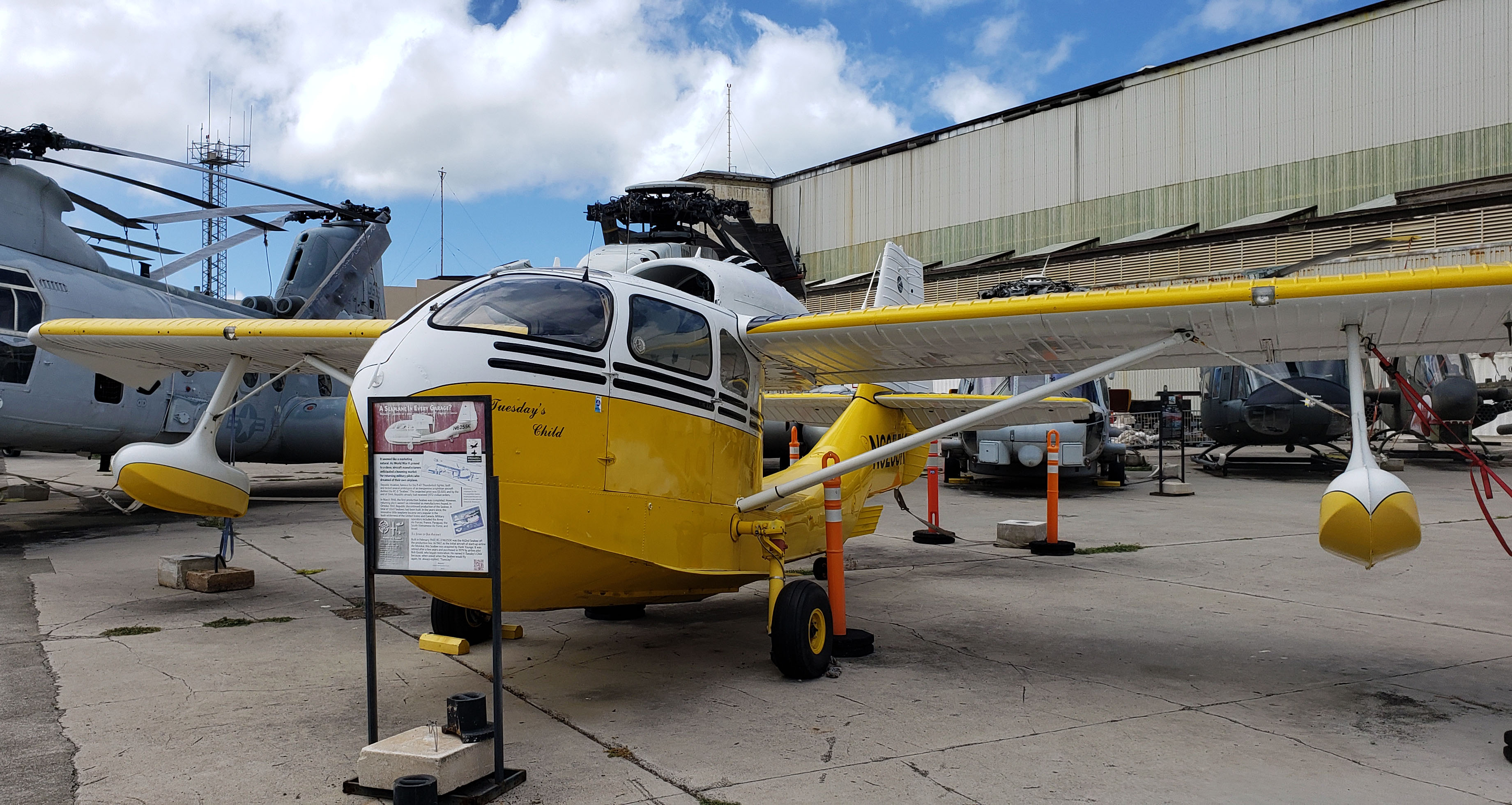
Tuesday’s Child, a plane so small that it only fits two adults.

Everyone should see Pearl Harbor once. It might not be a cheerful place to visit like the rest of Hawaii, but it is an important part of our history.

I don’t want to make any claims about the bombing of Pearl Harbor justifying what the US did to Japan. My grandfather Sigurd Johnson was in the Navy in WWII. When I was a small child, he used to take me to the Japanese Friendship Gardens in San Jose. He’d tell me about what Japan was like after the nuclear bombs, and how there would never be a justification for it. I believed him. He was a good man and he saw it for himself, so I think he would know.

However, the attack on Pearl Harbor was horrible, and seeing the memorial to the people who died there felt important.

SeaLife Marine Park

There is a separate fee for parking and entrance, but if you buy the membership then parking is free.


On the Southeast Tip of Oahu in the shadow of Makapu’u Lighthouse, you will find SeaLife Marine Park. It’s nothing like SeaWorld or an aquarium in the mainland. It’s a very small park, but it’s very important to Hawaii!

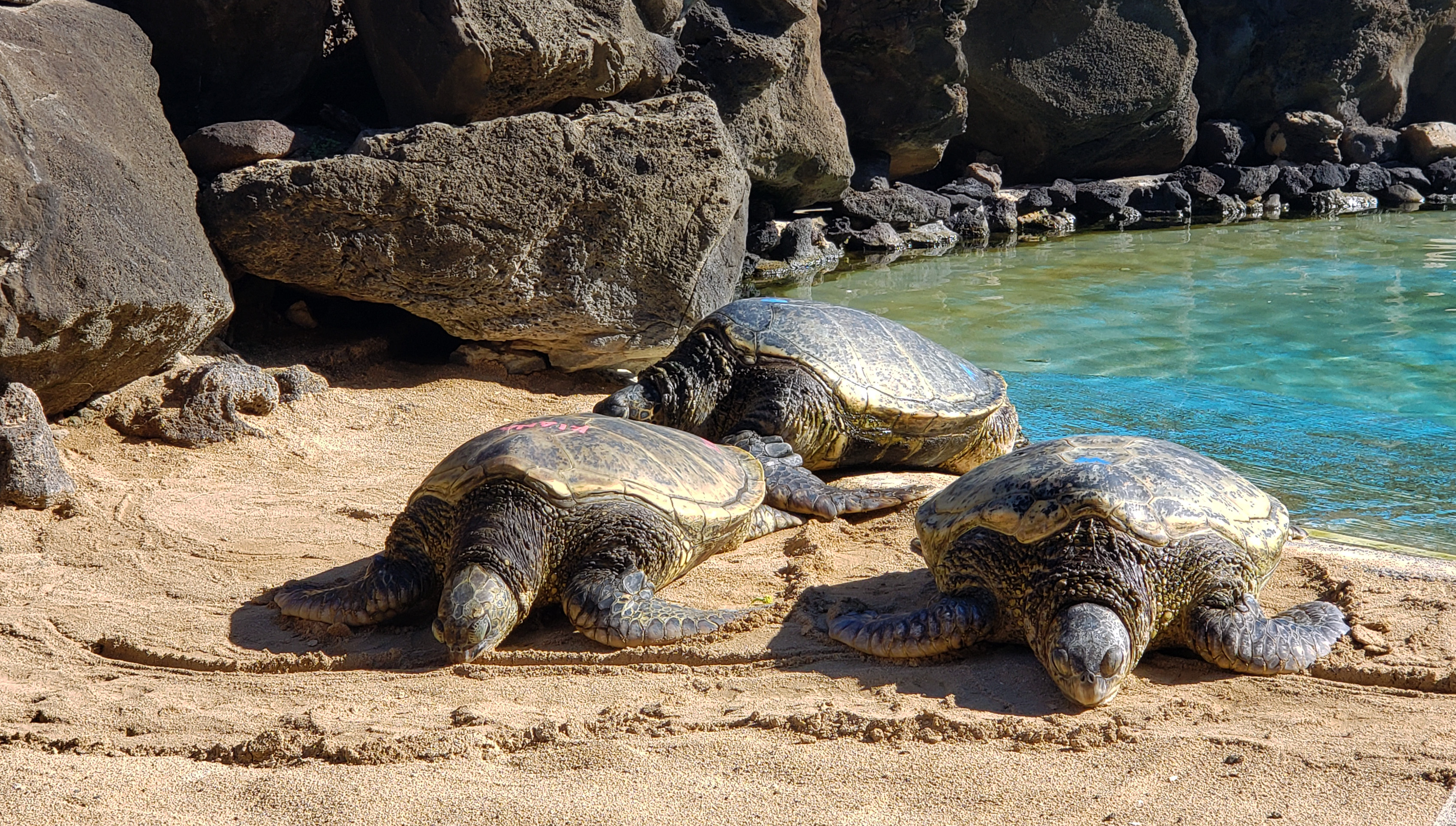
SeaLife Marine Park is the only place in the United States with a Sea Turtle breeding program. They breed endangered Hawaiian Green Sea Turtles, which are distinctly different than Green Sea Turtles in other parts of the world. Here in Hawaii, our turtles enjoy basking in the sand and coming out of the water to eat algae on land. This behavior has never been observed before in any other sea turtle. (Usually they only come on land to lay eggs.)

Turtles basking in the sand at SeaLife Marine Park. These are the adults that comprise the breeding program. All are rescues that have been at the park since the 1970’s.

In addition, the turtles here have been observed hunting fish, and eating different kinds of foods than Green Sea Turtles in other areas. That’s why right now, the folks at NOAA are fighting to get the Hawaiian Green Sea Turtle classified as its own subspecies.

The SeaLife Marine Park turtle breeding program is therefore very important, because without them, the population here in the islands would be in great danger. SeaLife hatches, grows, and releases hundreds of turtles every year. This supspecies was nearly extinct until the breeding program began. Now, there are an estimated 2,000 Hawaiian Green Sea Turtles! This isn’t as much as we would like to see, but it’s a lot.

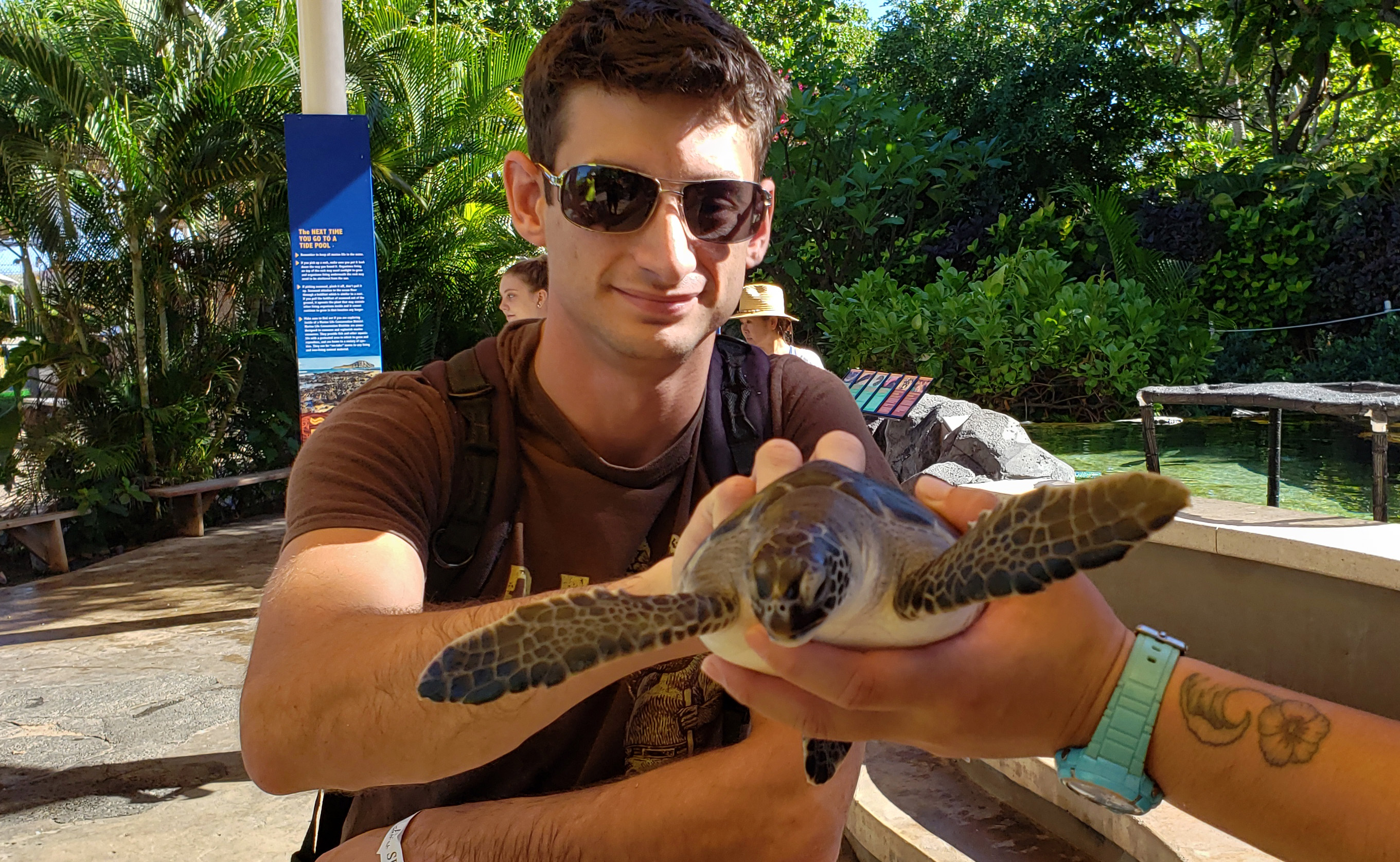
My husband Rich pets one of the baby sea turtles who is almost big enough to be released. Once they are released, they will be at the mercy of sharks and other animals who would eat them, but SeaLife gives them a good start so that they have a fighting chance.

I recommend that you visit the park or donate to them simple because of the importance of the turtle breeding program, but it’s not all that they do! They also rescue and rehab endangered sea birds. If you go, you might get to see a brown-footed boobie or a Hawaiian albatross! You never know what birds they’ll be tending to in their seabird rehab area.

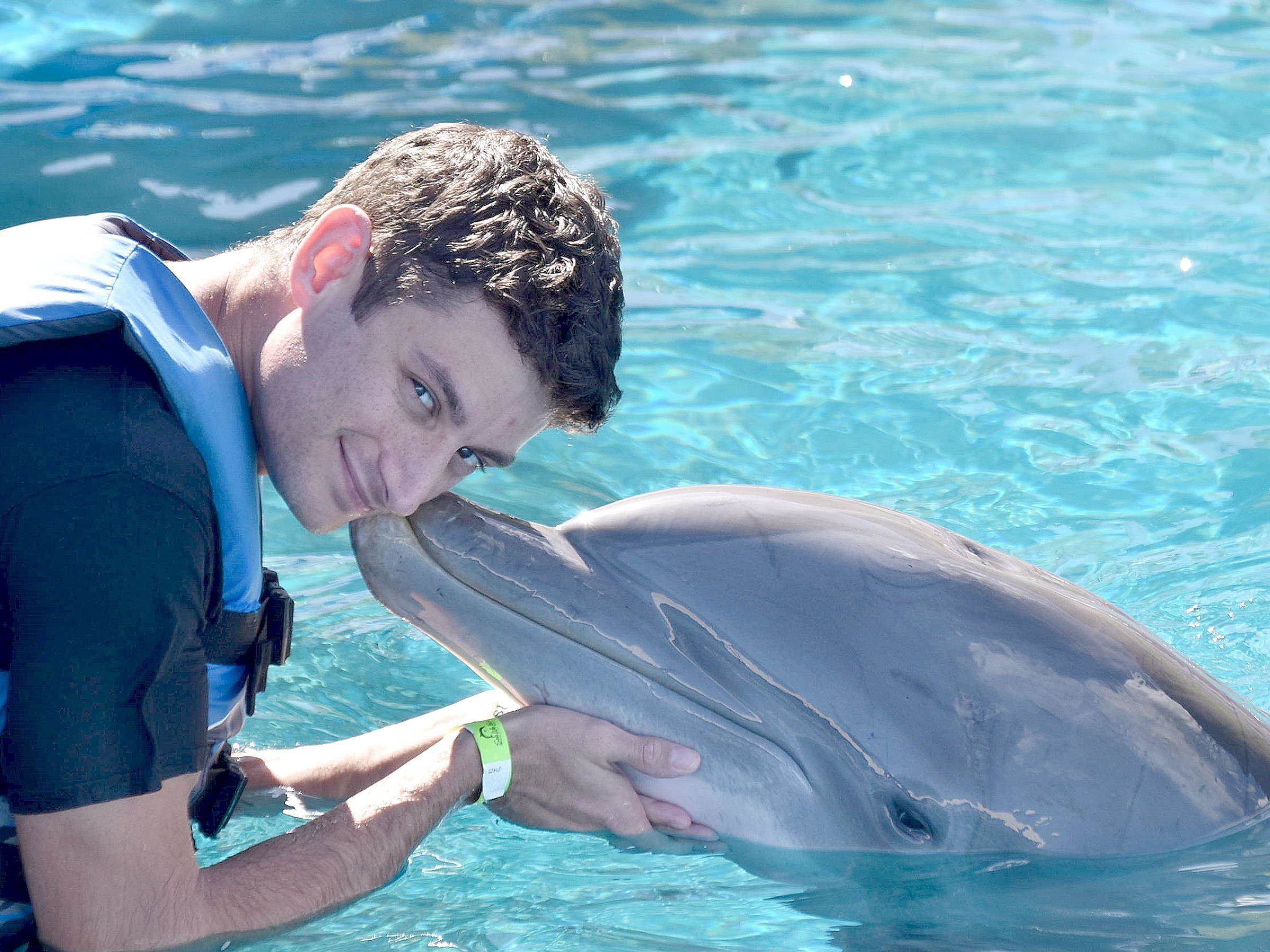
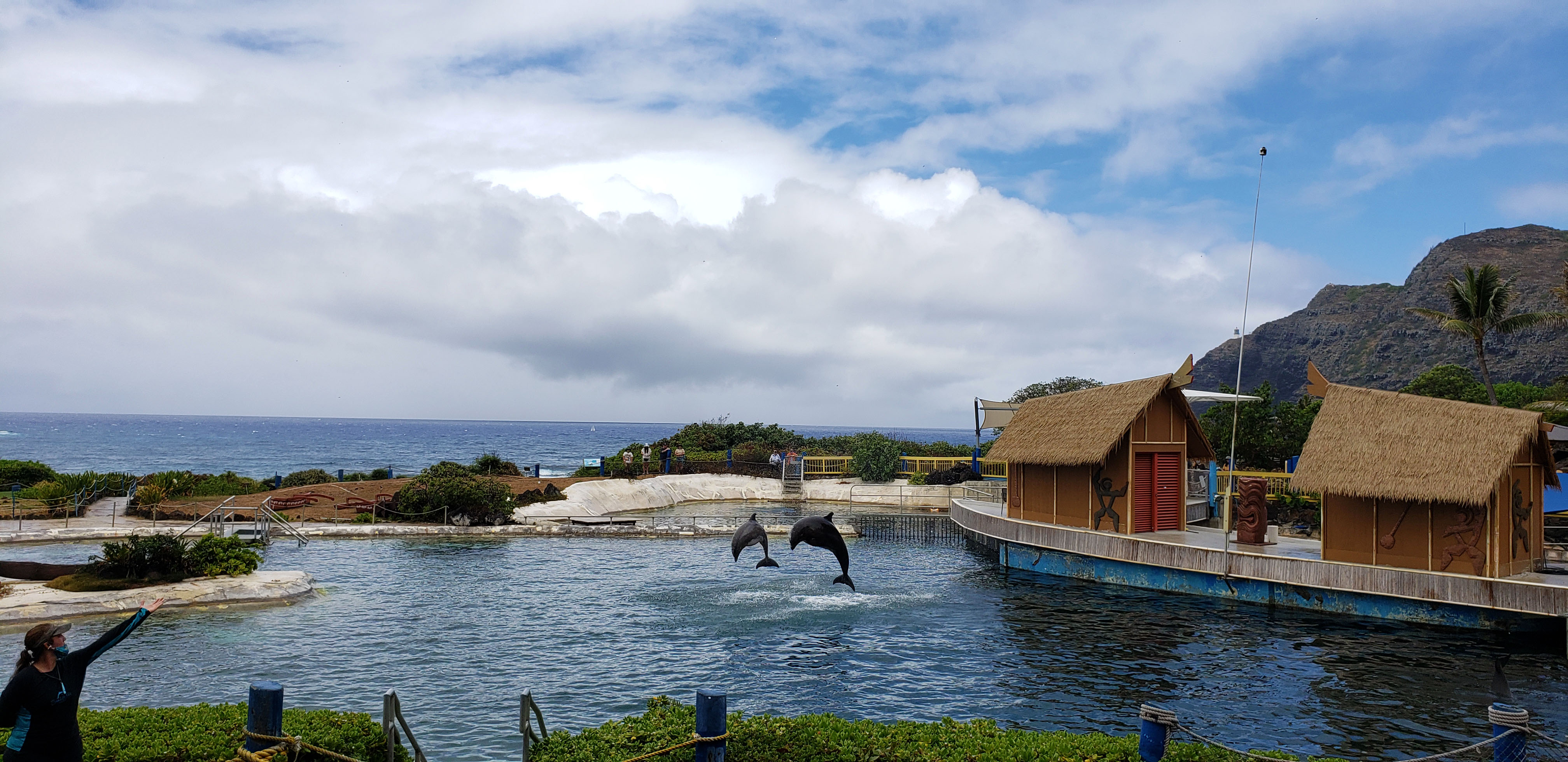
SeaLife also takes on dolphins who have retired from service with the United States Navy. What they did for the Navy is sometimes classified, but dolphins are used for all kinds of things like testing the affects of sonar on sea life and finding mines underwater. These dolphins now perform in the Aloha Dolphins show twice a day, and are available to swim with if you make a reservation and pay extra. My husband did the Royal Dolphin Swim Package and absolutely loved it.

My husband getting a kiss from a dolphin when he did the Royal Dolphin Swim. I highly recommend that you purchase the pictures when you buy the swim package. It’s very worth it.


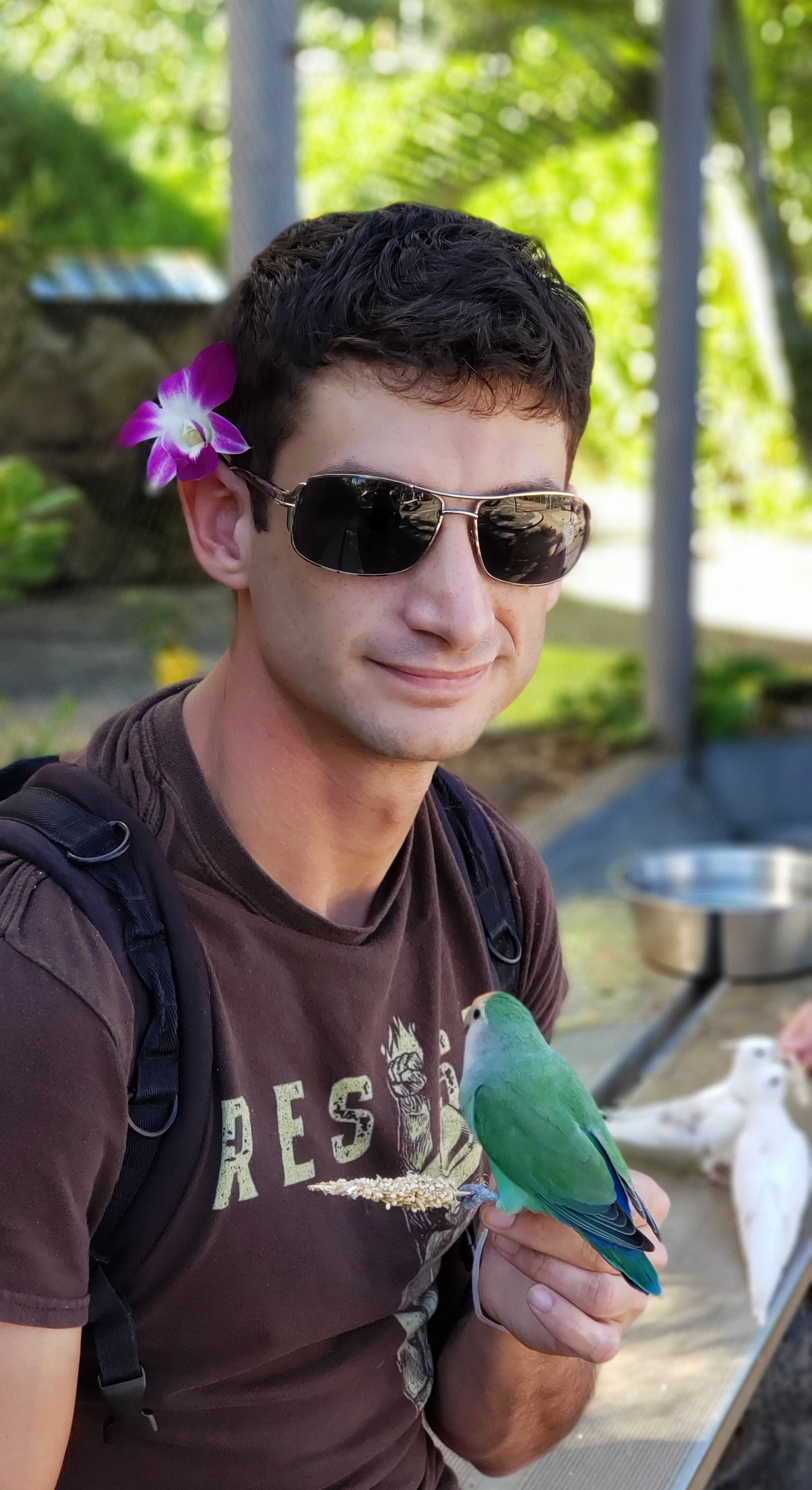
Another fun thing to do is go feed the love birds. I don’t know how this exhibit got started, but it’s fun to take pictures in the lovebirds enclosure because they are so colorful.

If you live in Hawaii, I recommend buying the yearly membership. It comes with perks like private parties for holidays, and discounts on all the merchandise, dolphin encounters, etc. It’s well worth the fee, and remember: You’re supporting a good cause.

My husband Rich in the bird enclosure. This is mostly lovebirds and a few others, and is different from the area with the rescued seabirds.


If you’re just visiting us here on Oahu, I still recommend you go. I know locals here in Hawaii appreciate when tourists take an interest in supporting our local land and animal conservation, and supporting SeaLife is a great way to do that.

It may not be a big, fancy park; but they do a lot of good and that’s what really matters!


The Aloha Dolphin Show, which is free when you pay to enter the park. Definitely don’t miss it!

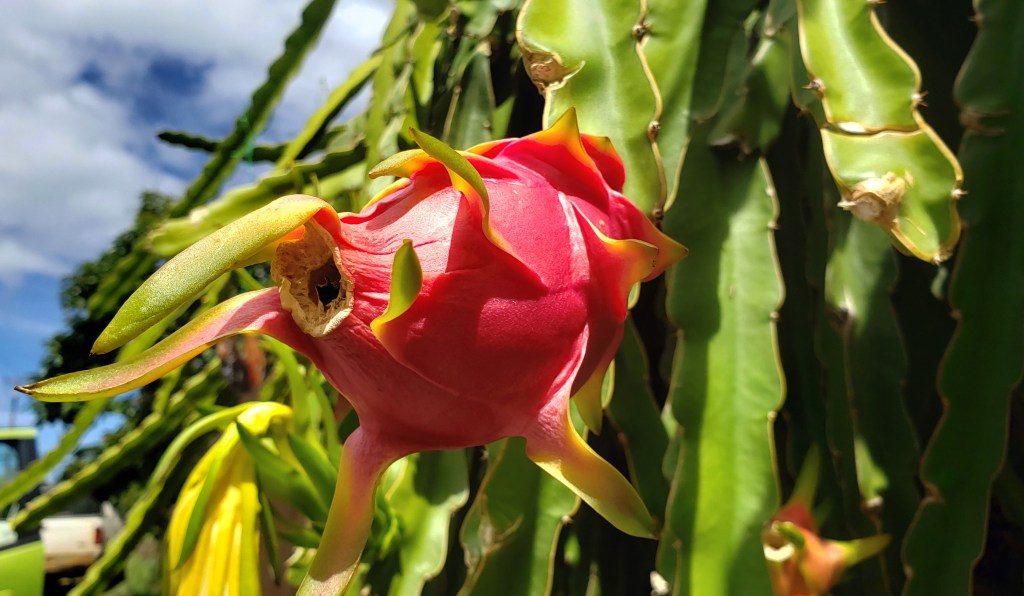
Dragon Fruit

flower

Dragon Fruit, or Pitaya, is a unique cactus that grows in tropical areas. It’s actually Native to the Americas, but they can be found all over the world, from Florida to the Philippines.

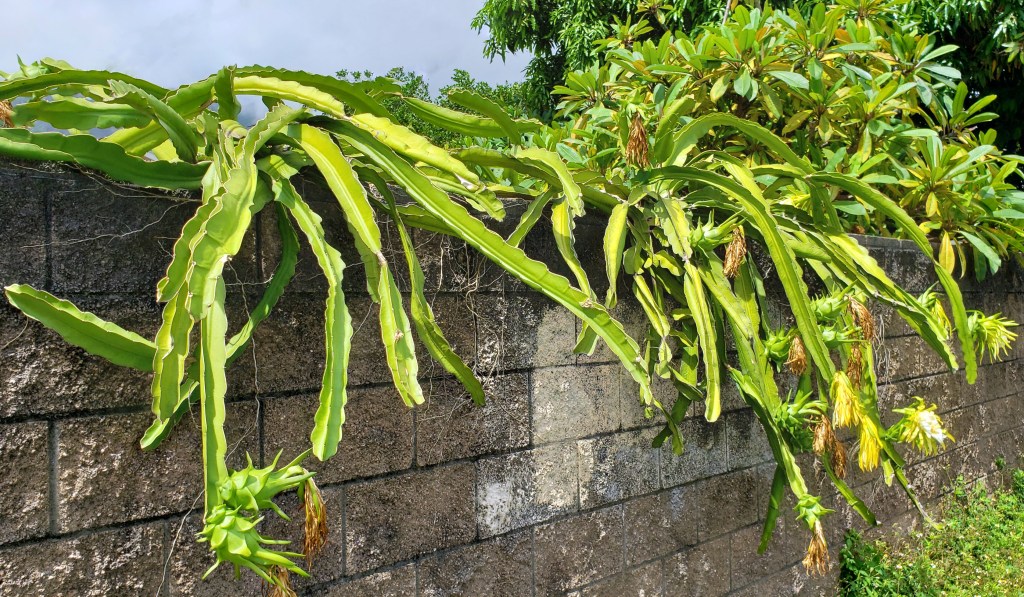
Here on Oahu, dragon fruit cactus grow all over the island. They like to climb on walls and up trees, and they can be seen in many yards and wild spaces.

cuctus on a wall

In Arizona we have cactus all over the place. We’re famous for our saguaro cactus, which have become a symbol of the southwest. But, we also have prickly pear, cholla, and a wide variety of other species.

Dragon fruits remind me a little of prickly pears because the fruit looks similar. However, prickly pear fruit is drier, and it’s better in syrup than when eaten raw.

It’s weird to see a cactus in places that seem otherwise tropical, but dragon fruit are adapted to all sorts of environments, and can handle both a little or a lot of water.

dragon on the vine

I’m hoping to grow some while I’m here. You guys know that I love plants! I’ve tried to grow something different everywhere I’ve lived.

In Guam, I kept a variety of orchids. I’d never lived in a tropical place before, and so I enjoyed having happy orchids for once that would bloom and bloom. As you can imagine, they don’t bloom a lot when kept in Arizona.

Here, I’m hoping to grow dragon fruit, avocados, and maybe some pineapples just for fun.

fruit on the end