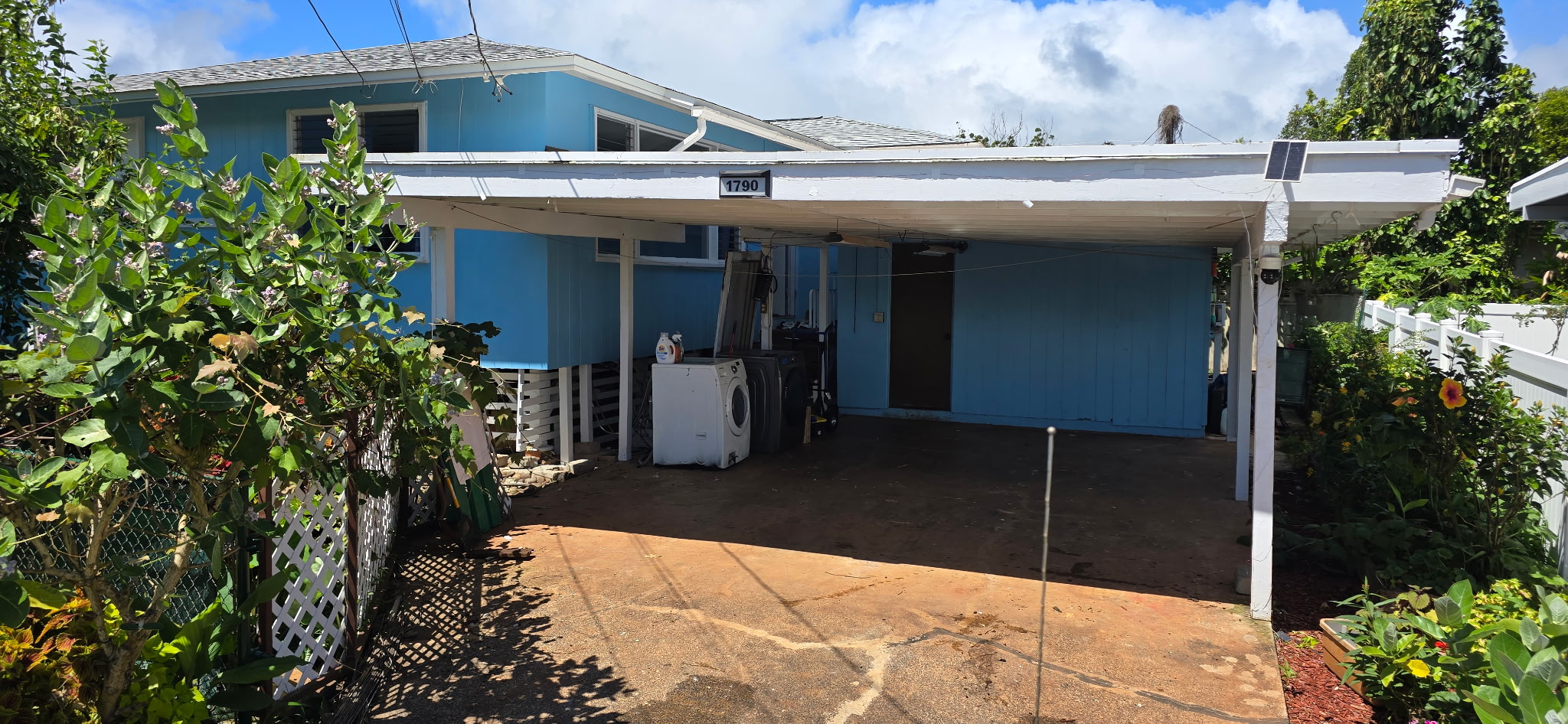
• 3 bed 1 bath main home • 1 bed 1 bath ohana dwelling • 5,000 sq ft yard planted with a mature food forest • Spacious deck • Cement pad for shed or BBQ area • Long driveway easement with parking for 4 vehicles
Description:
A charming 3 bed 1 bath house with a neighboring one-bedroom Ohana dwelling sit at the end of a peaceful cul-de-sec in Wahiawa Heights. This property will keep your grocery bills low with mature fruits trees and great soil for planting vegetables.
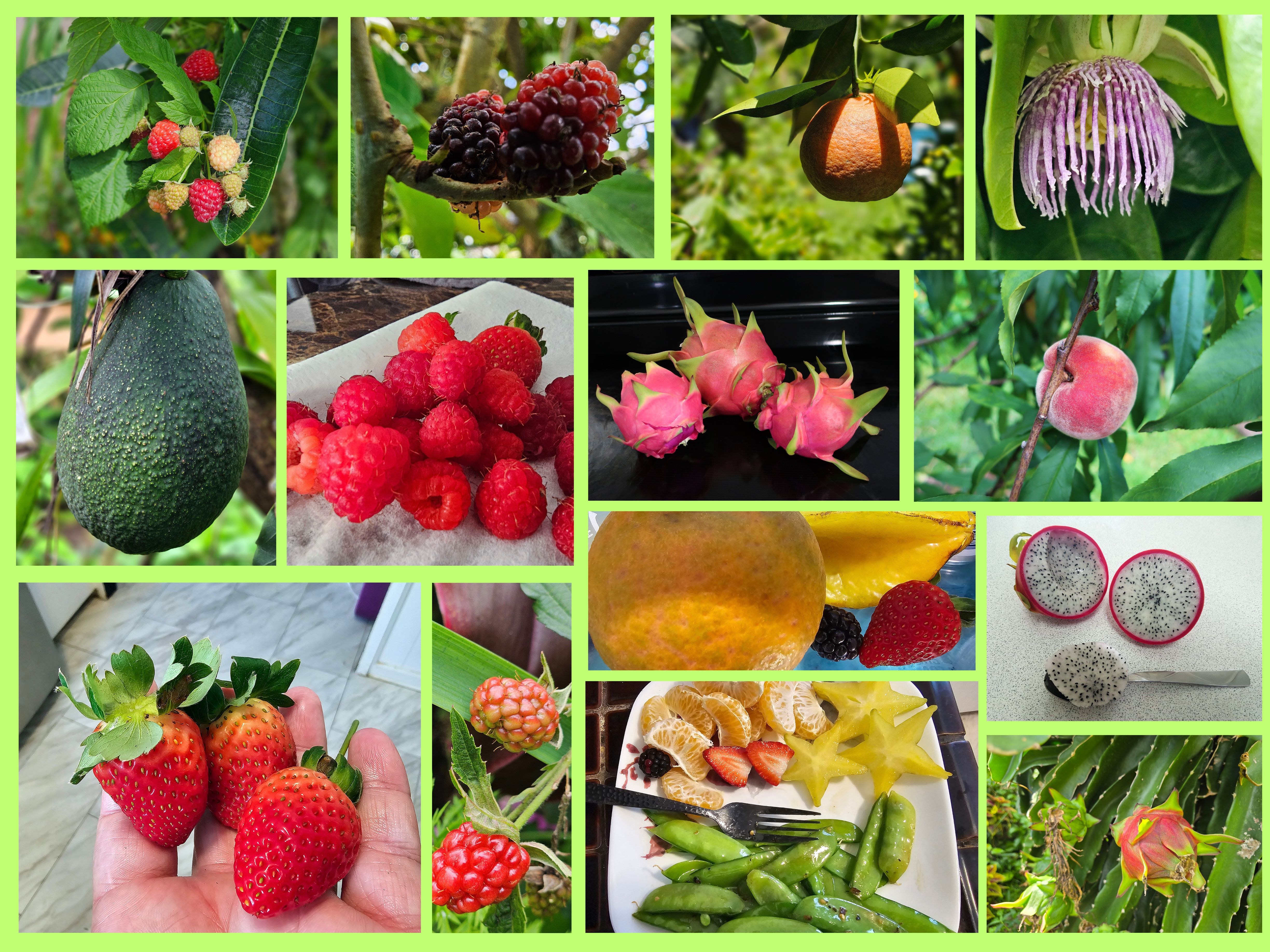
No Home Owners Association (HOA) ensures that you can have any plants or pets you want, including backyard ducks or chickens for eggs. Some of the mature fruiting plants include: Dragon fruit (5 varieties), papaya, peach, plum, avocado (two varieties), apricot, nectarine, and mulberry. Front yard beds are also full of everbearing strawberries and everbearing heritage raspberries, and a green grape vine which yielded six pounds of grapes this summer. The previous property owner had a green thumb, so some rare plants are nestled in this yard, including a blue jade vine.
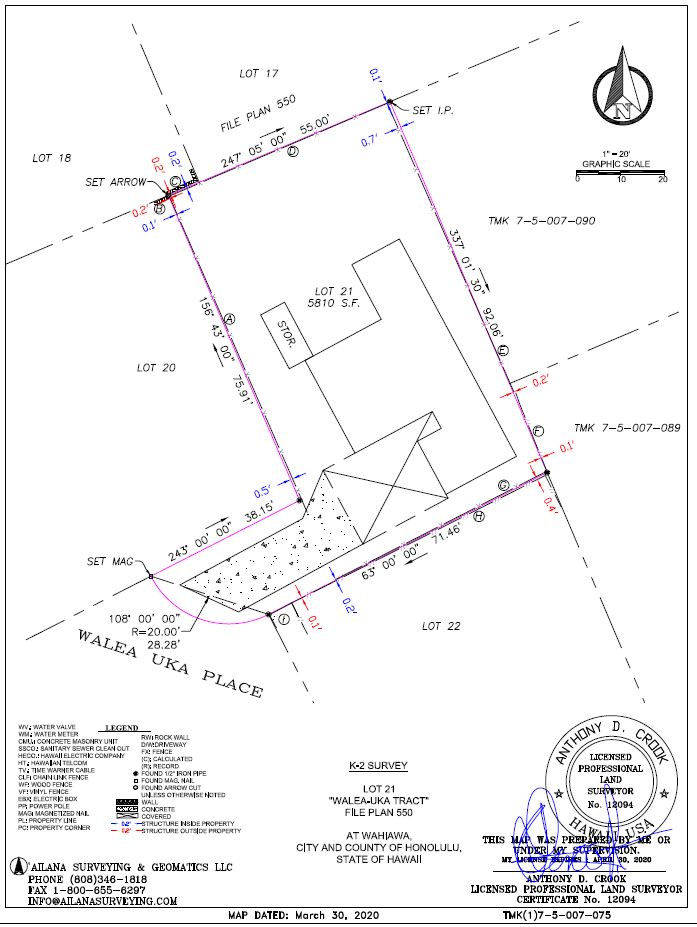
With a large outdoor deck, there is ample room for socializing. A cement pad in the yard could be used for a shed, gazebo, or additional patio for BBQs and entertaining. All chain link fencing belongs to the property, and only the small section of wooden fence and plastic fence in the front yard and around the Ohana dwelling are owned by neighboring properties.
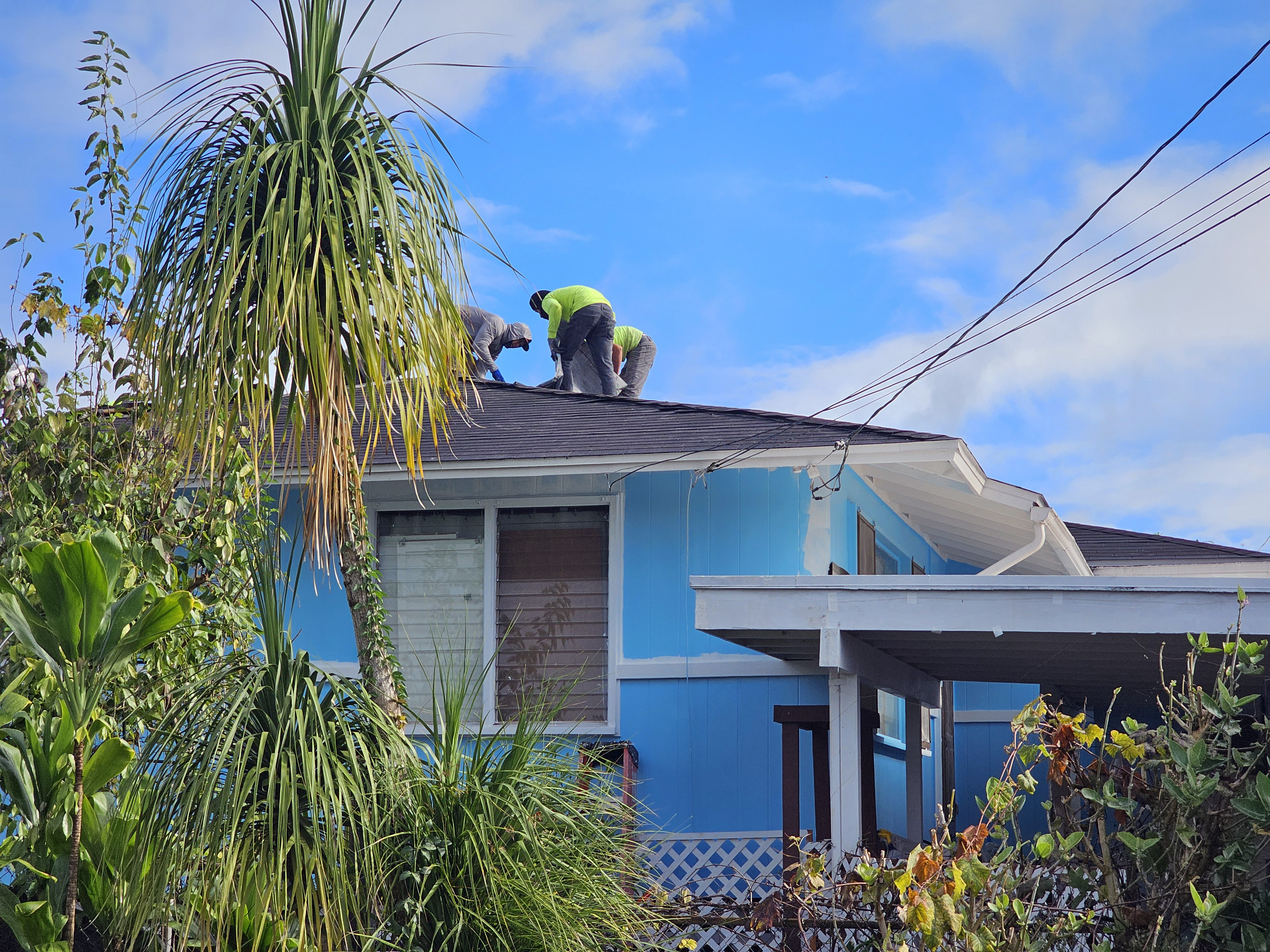
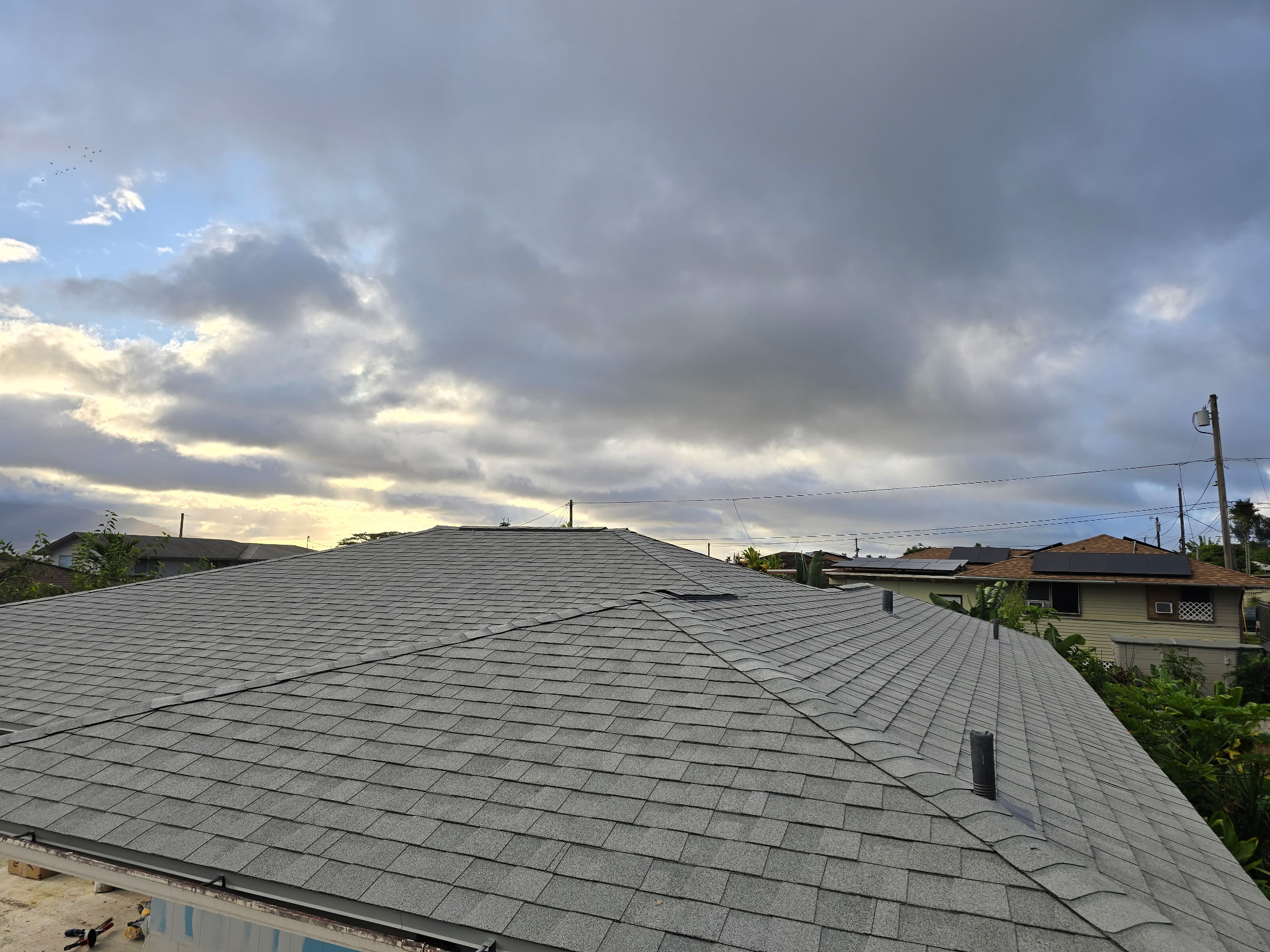
The home has been lovingly cared for with regular maintenance. Appliances have all been upgraded in the last two years. The roof was updated this year, and the home has fresh paint inside and out.
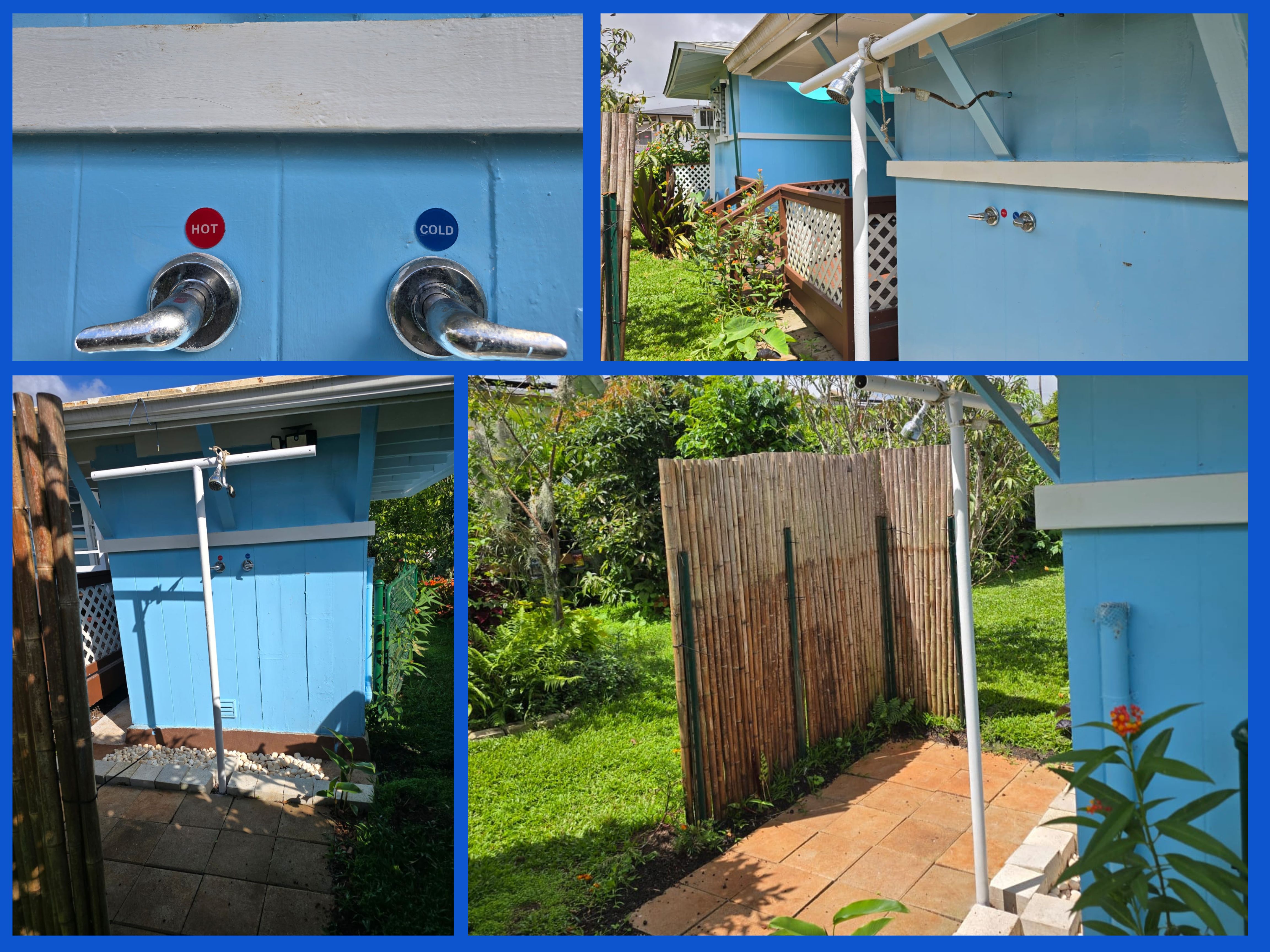
Some special features include an outdoor shower with both hot and cold water, a cement soaking tub for laundry, a carport for up to two cars, and a long driveway easement for added guest parking. A second set of washer/dryer hookups in the carport provides a 220 electrical outlet that could be used to charge an electric car. This cul-de-sac is quiet and peaceful, in a close-knit neighborhood where the children play together in the street. It is a rare oasis from the hustle and bustle of Oahu life.
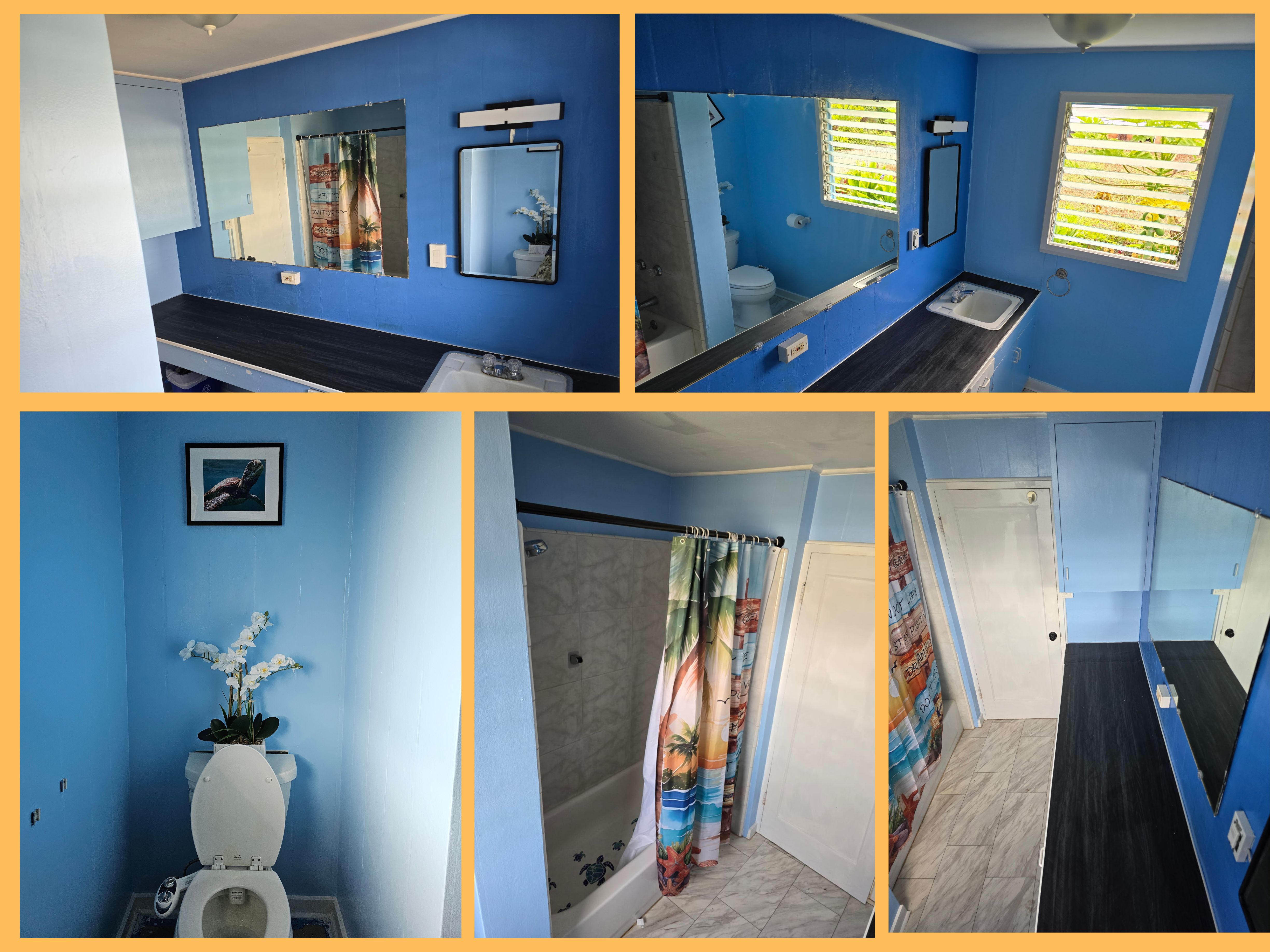
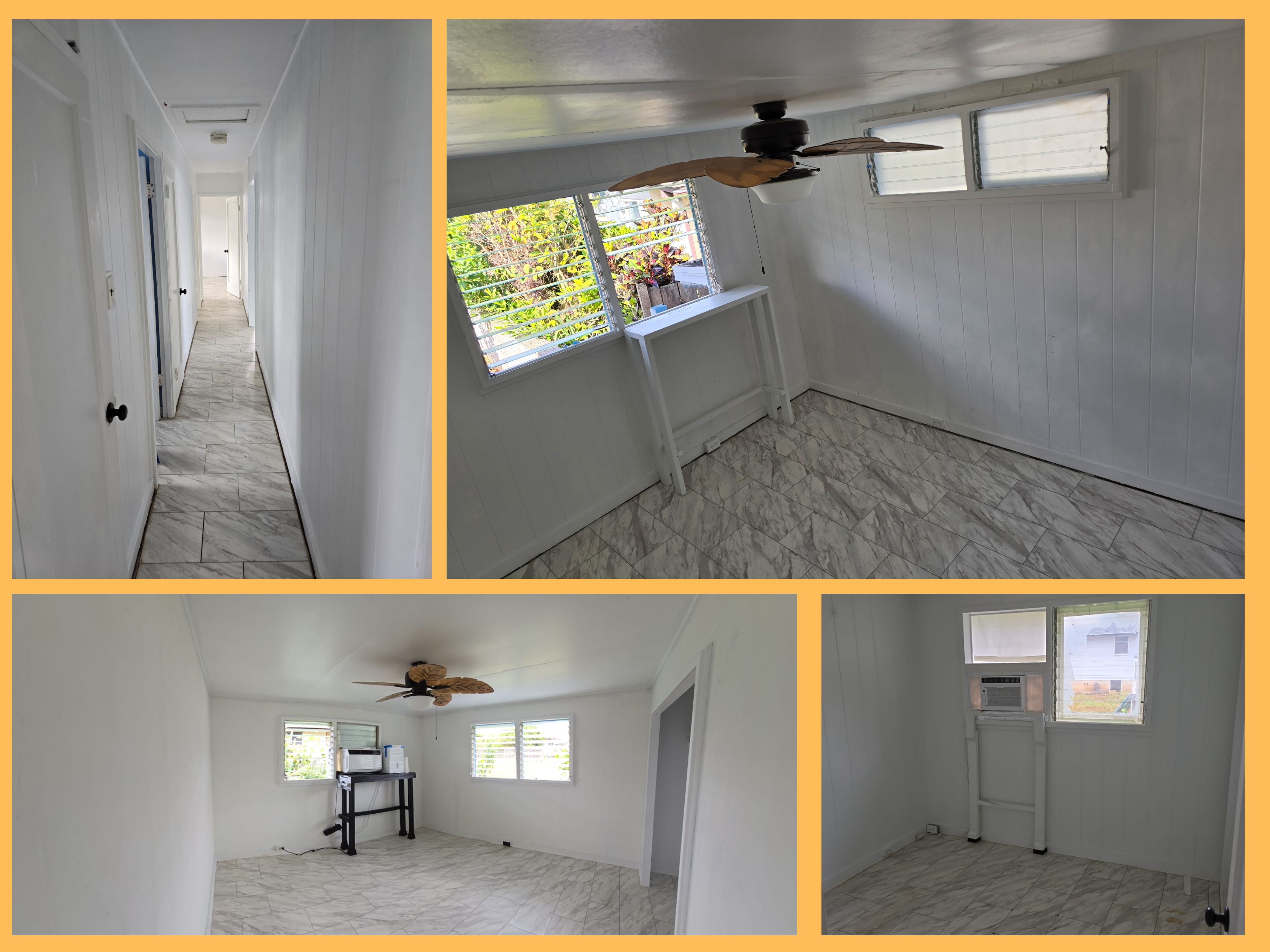
Newly Remodeled Bathroom
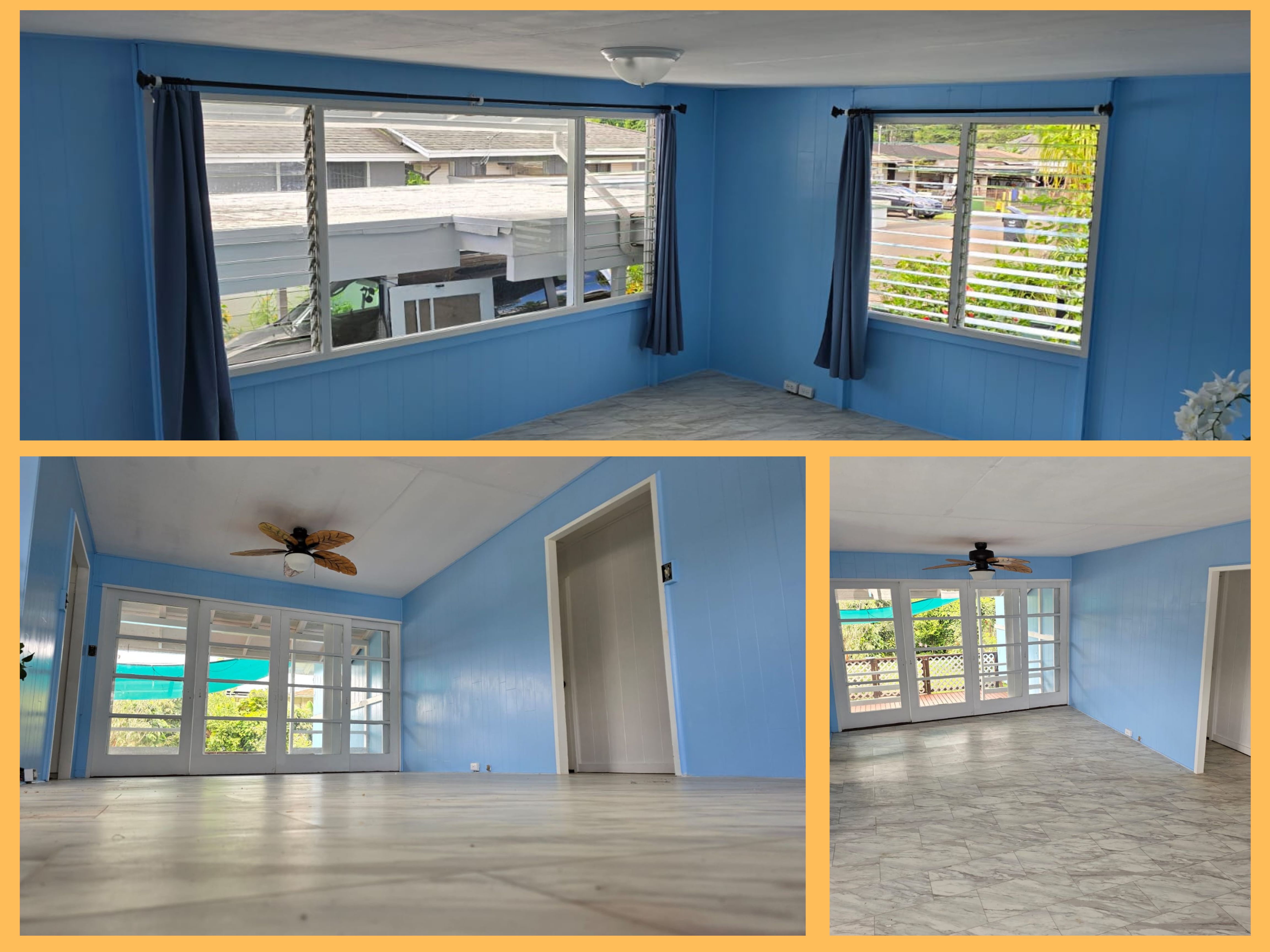
Living Room and Dining Room
Three Spacious Bedrooms
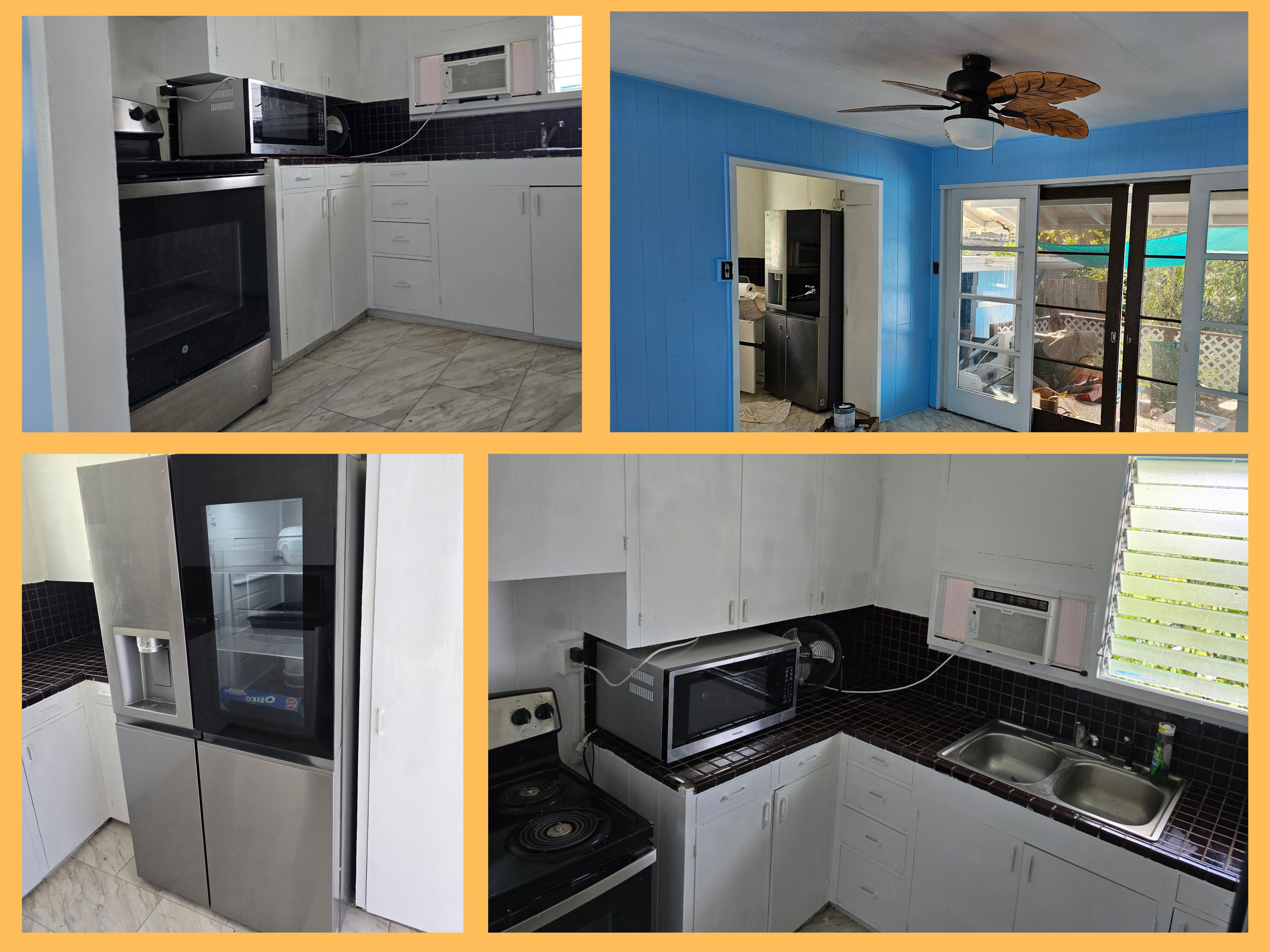
Kitchen
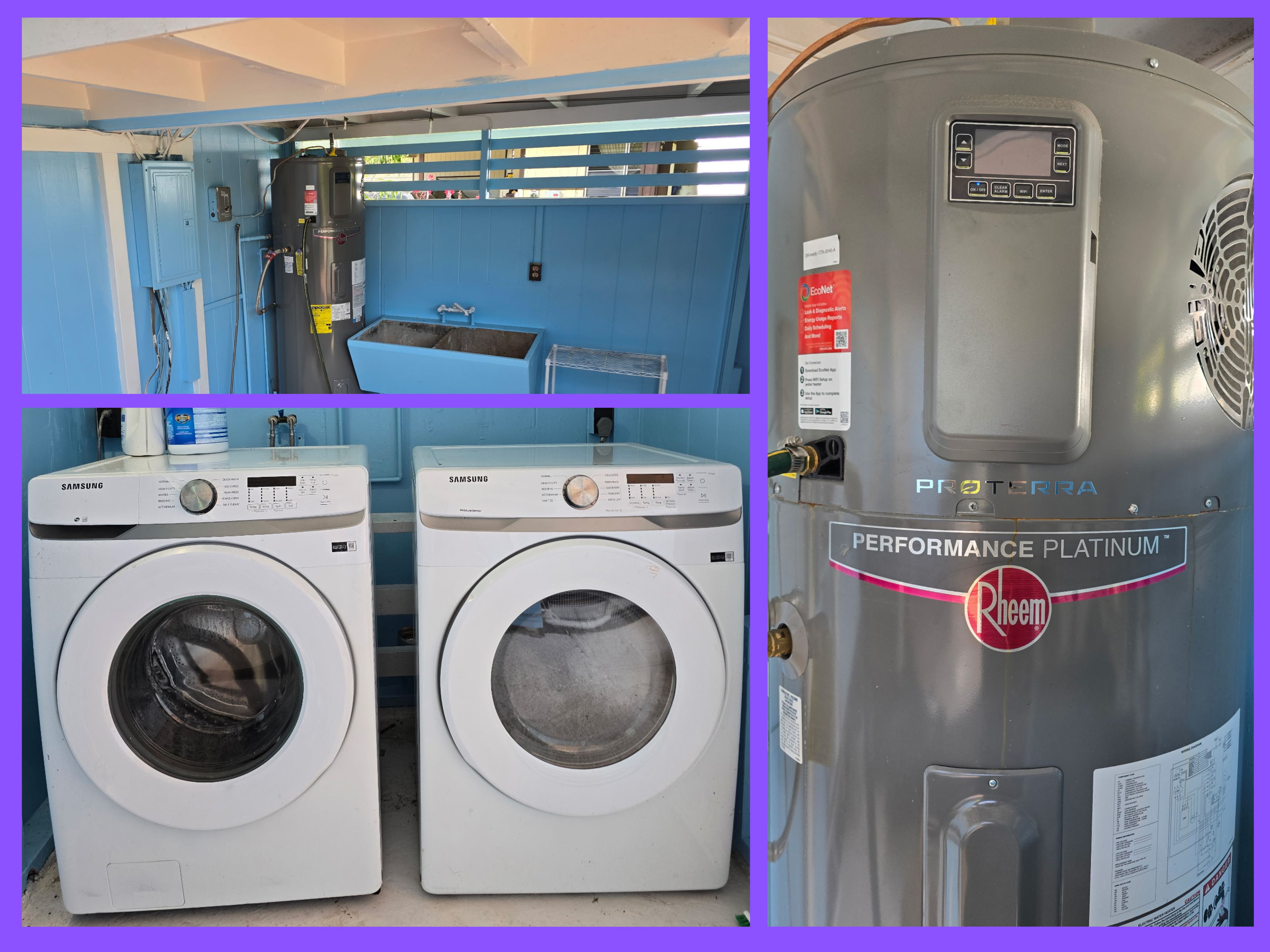
Laundry Room
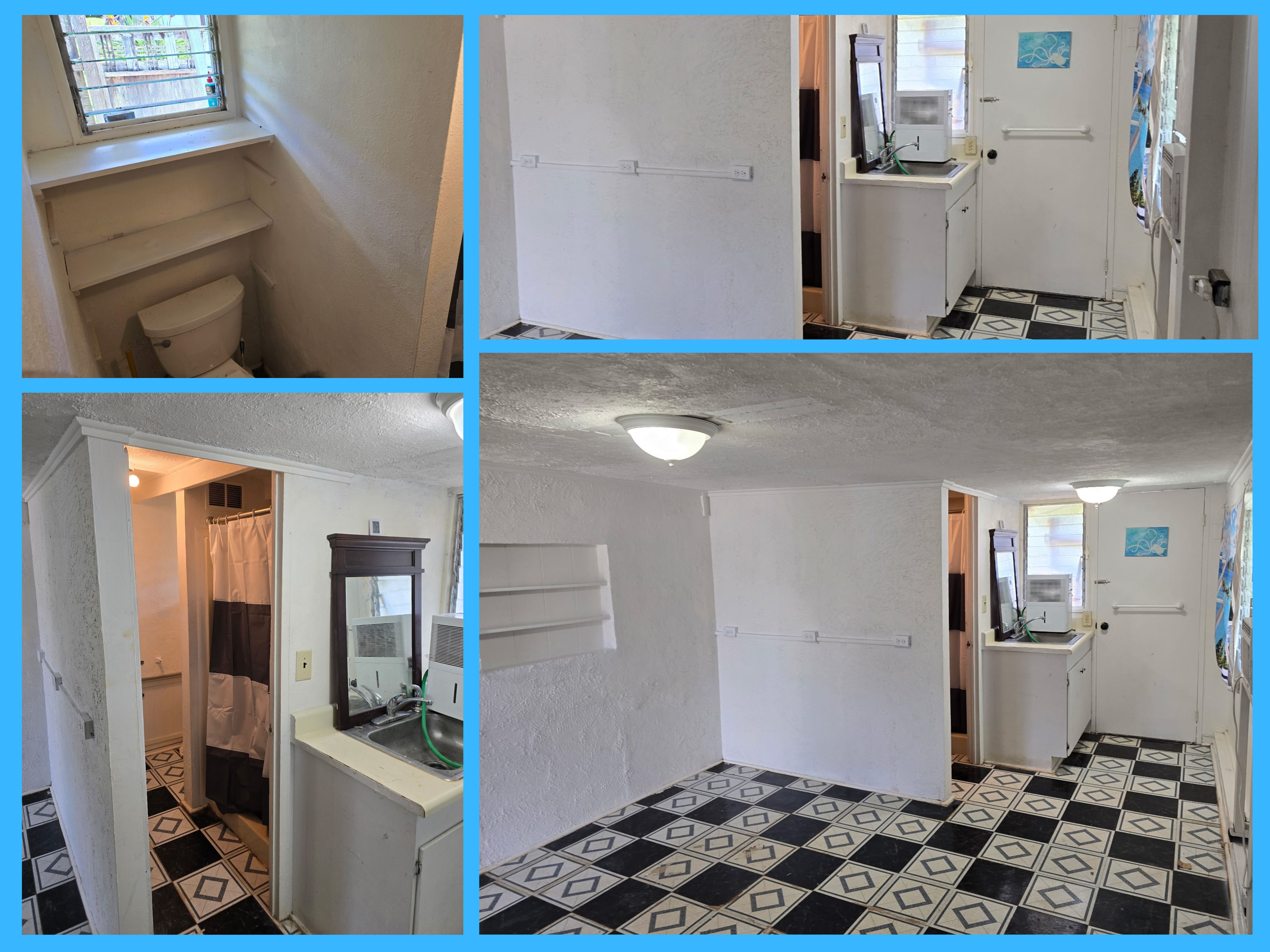
Ohana Dwelling
Outdoor Shower
Some of the Back Yard
Some of the food from the yard
New roof being put on in January of 2025.
The new roof comes with a 7-year warranty from True Home, and I added siloxone sealant to it after it was installed to ensure that it would last a long time.
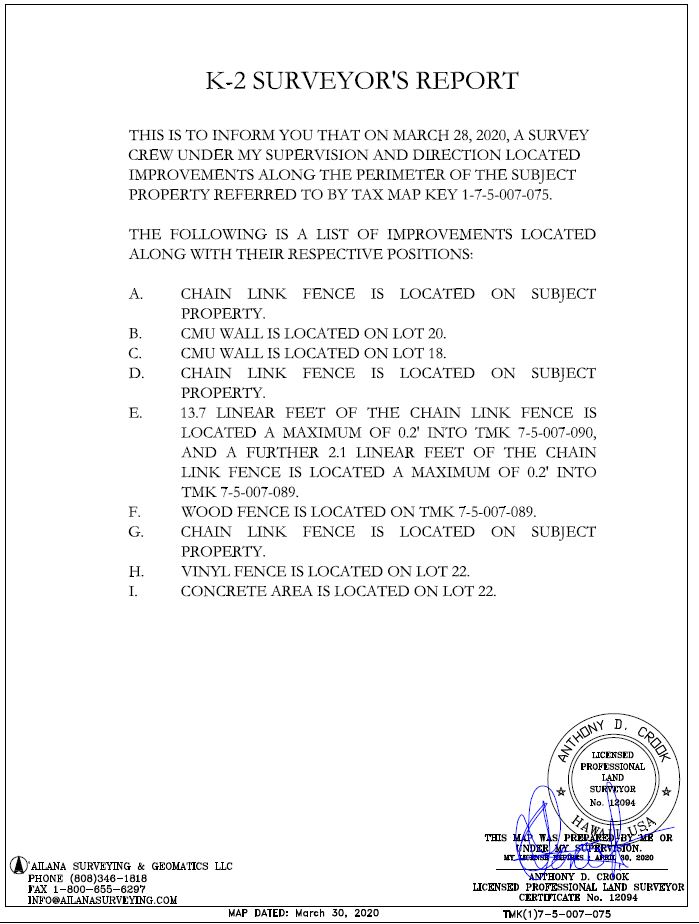
We also have the last surveyor’s report, and the stakes are still in place at the property boarders.
If Interested call Ray: (808) 495-1571
Wahiawa: Paradise on Earth. Just don’t tell anyone. It’s a secret.
The State of Hawaii (or the Kingdom of Hawaii, depending on who you ask) is made up of 137 islands, islets, and shoals. However, there are seven islands which are generally recognized as the main islands:
Hawaii (also called the Big Island), Oahu, Maui, Niihau, Molokai, Kauai, and Lanai.
Though I have family on Maui, I have been living on the most populated island for the last seven years. Oahu was our home, and the town of Wahiawa was such a charming, wonderful community that we hated to leave.
However, Oahu is an expensive island. Not as expensive as Maui, perhaps. But, more than I can afford right now.
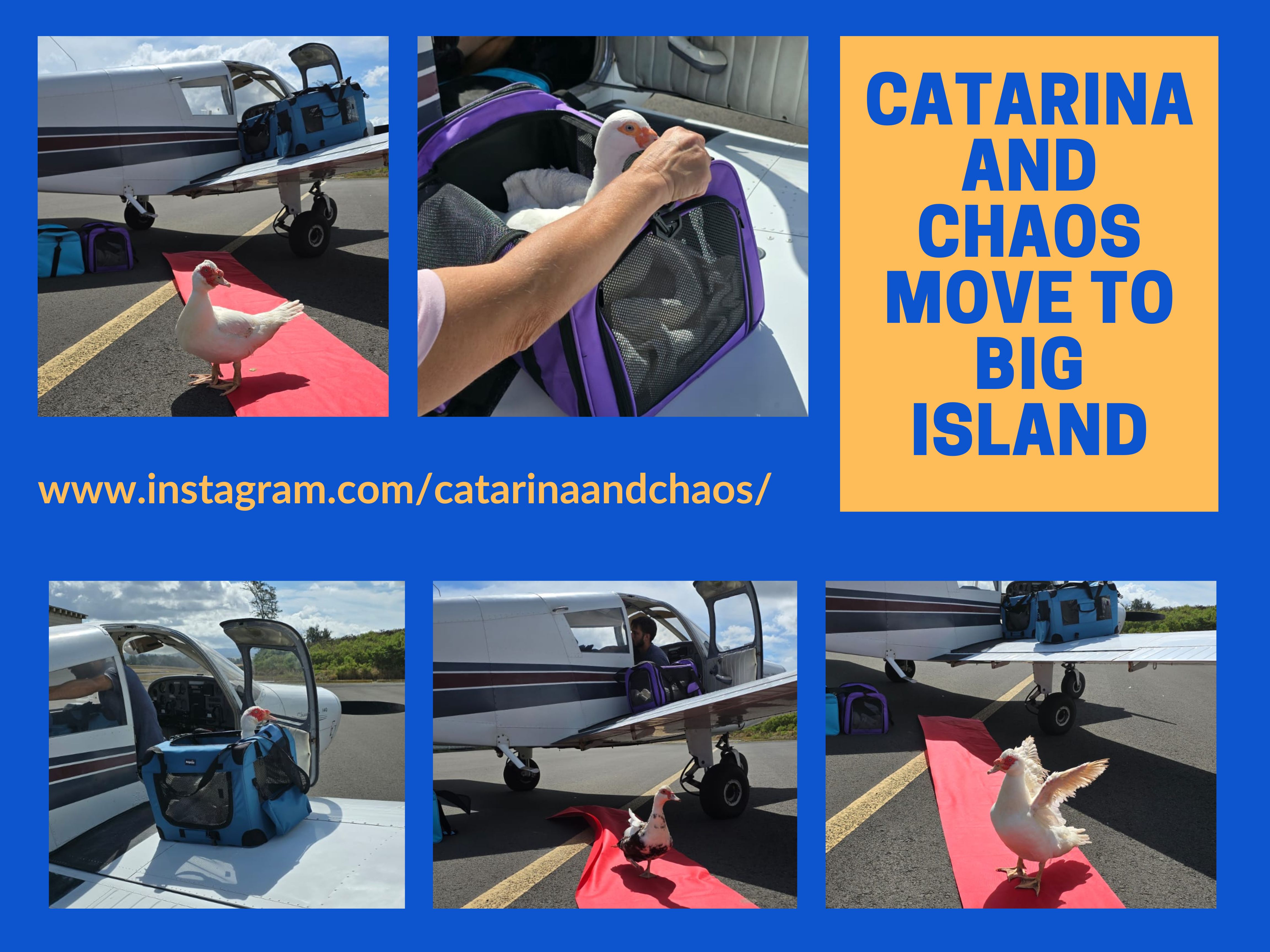
In search of a more affordable place for the flock and myself, we made the move to Hawaii Island, nicknamed “The Big Island.”
Hawaii Island is very large, which means land is more affordable. This isn’t without risk. After all, this is the island with the volcano on it. However, there should also be many rewards.
For the ducks, I am excited to spend time at less crowded beaches and rivers. It’s been very scary to have dogs sicced on us, have people attack us, and generally be subject to the lack of Aloha on Oahu. It’s the city island. You can’t go anywhere on the island and be alone. It’s expensive and crowded, and though many people there are kind, many aren’t.
For me, I am excited to have more job opportunities, more affordable housing, and a slower lifestyle like I lived in Guam.
I loved my garden in Wahiawa. I loved the weather and my bedroom and my job at the VA Pacific Islands Health Care System. But, change is a normal part of life, and you have to admit, it was unusual for me to stay in one place for seven years…
Here’s to the next adventure!
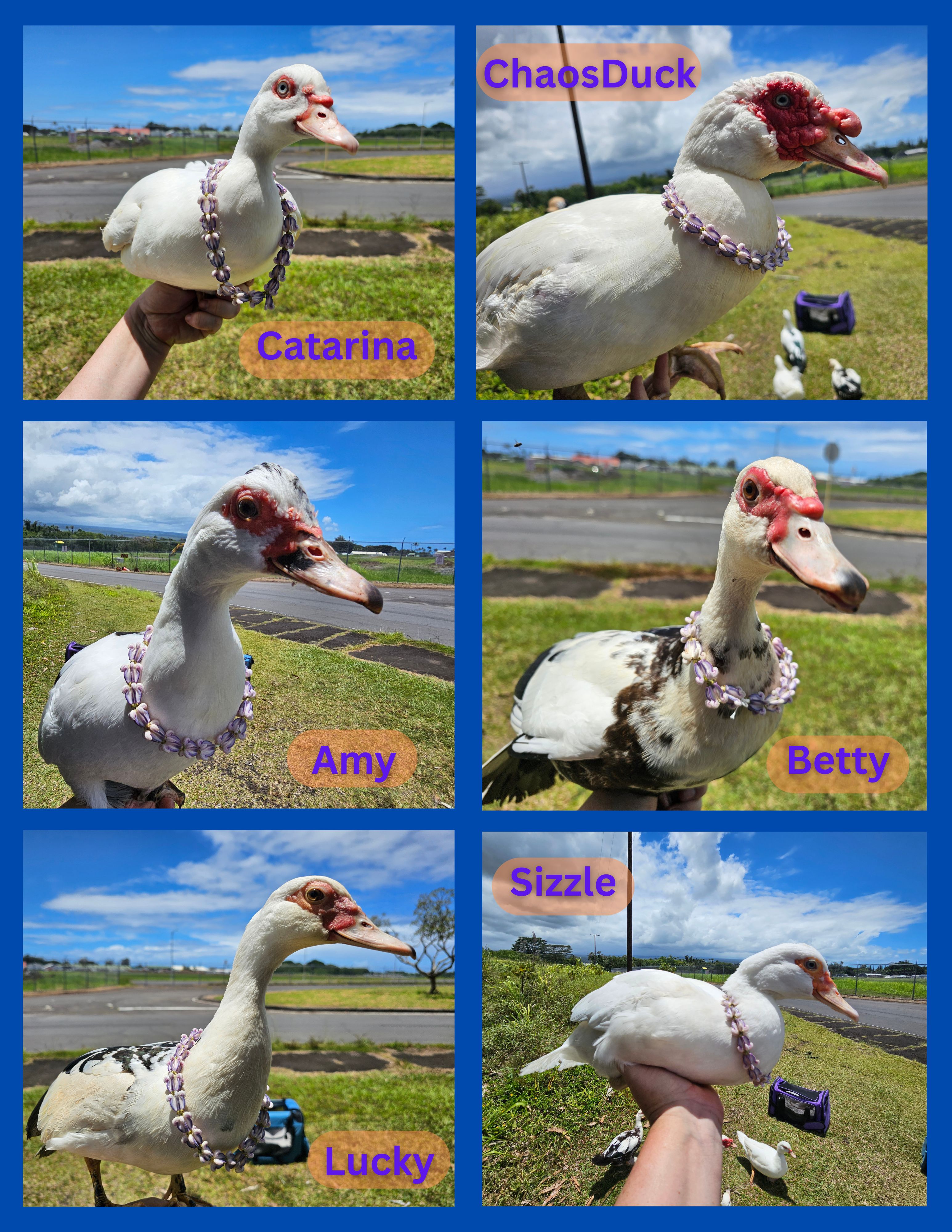
All the foster peeps were adopted, and it’s just Catarina La Pata Mascota, Chaos Duck, Amelia DuckPond, Betty DuckPage, Lucky Ducky, and Sizzle with me now.
Pineapples are not from Hawaii, but don’t tell that to the residents of Wahiawa. In our town, this transplant is royalty. Every year, people gather to celebrate this South American fruit, and it’s close relationship with Wahiawa for more than 100 years.
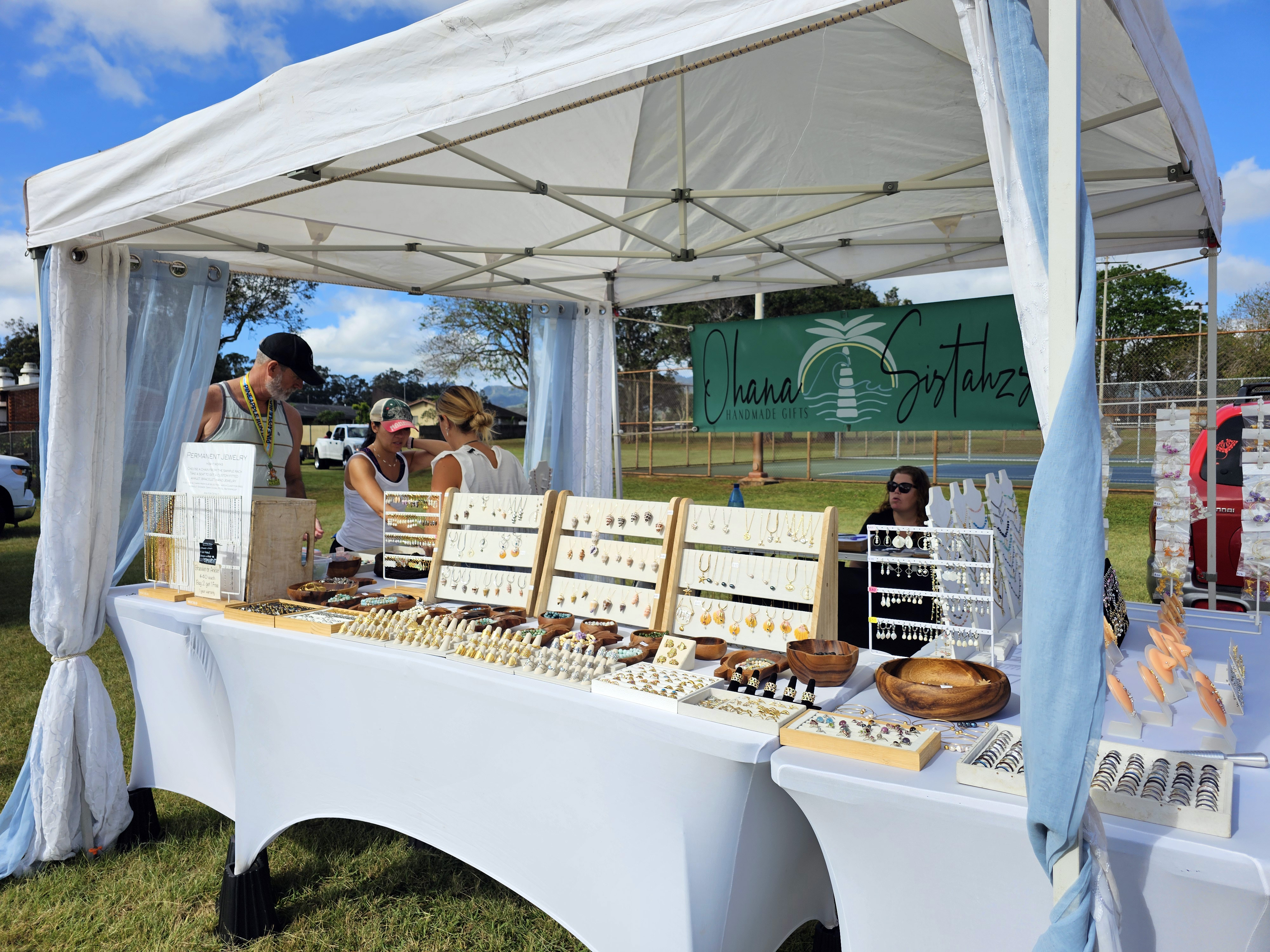
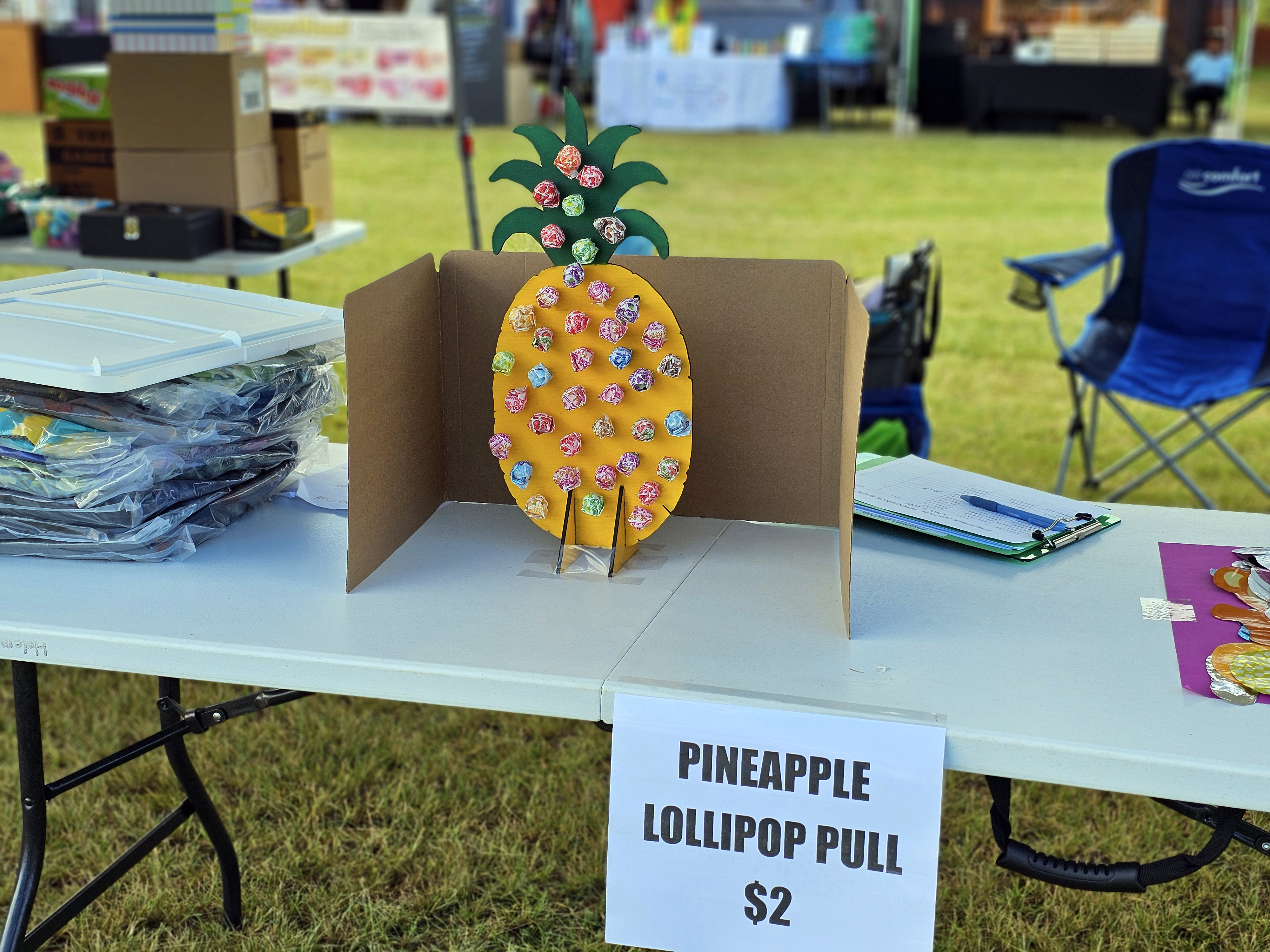
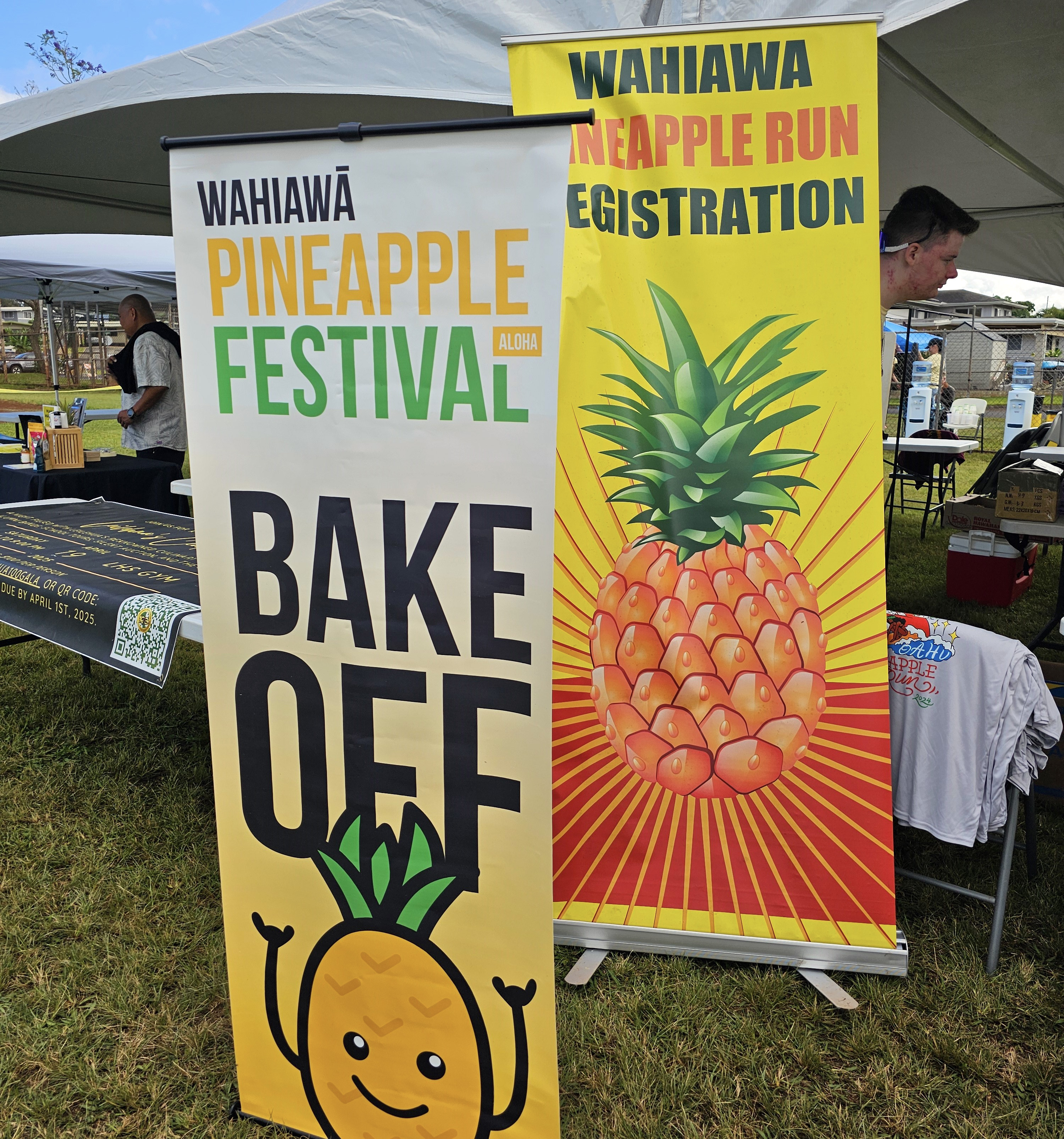
The name Wahiawa means “place of noise” in Hawaiian, and people certainly made some noise for the “Chee Hoo” competition, paper airplane throw, and other events. The Wahiawa Pineapple Festival has a very different feel than a Waikiki festival marketed to tourists. This is a goofy, small town event that shows off our town spirit.
Some say Wahiawa is nothing but tattoo shops, pawn shops, and smoke shops. They think of our town as a place of chain link fences and big dogs. Yet, when I look out at my street, I see the neighborhood kids playing. My mailman knows me as the weird duck lady. I’ve never had a package stolen off my porch. To me, Wahiawa is a safe place full of good people, and that is what you see on parade at the Pineapple Festival. Good -if mischievous and silly- people having fun.
The Pineapple Festival organizers hope to raise money so that our town can build it’s own museum. This land has been grazed by cattle, settled by strangers, used by royalty for battle training, and been appropriated by the United States federal government for military bases. We’re known for the Dole Pineapple plantation, but this place of noise has a long history that should be preserved.
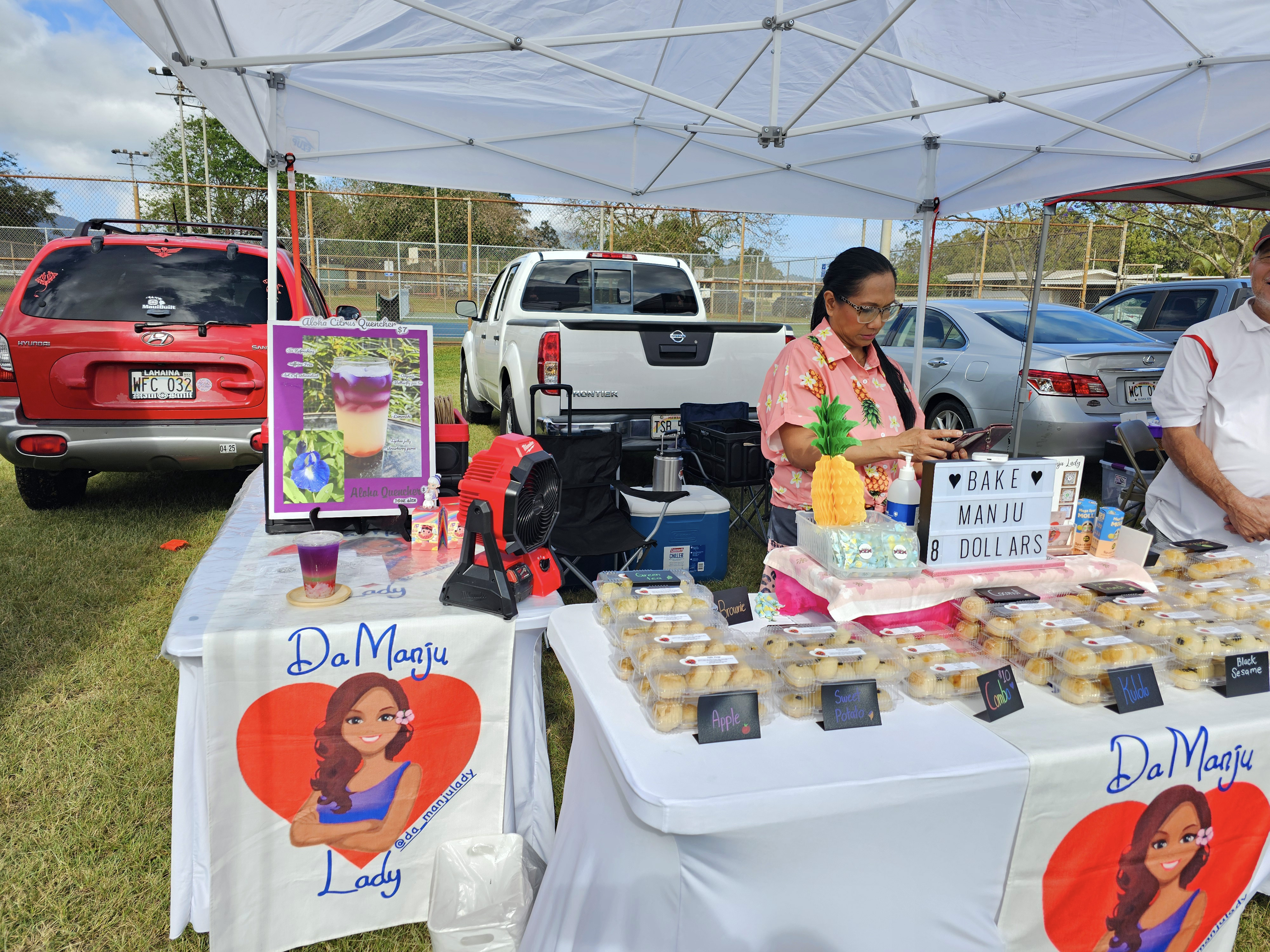
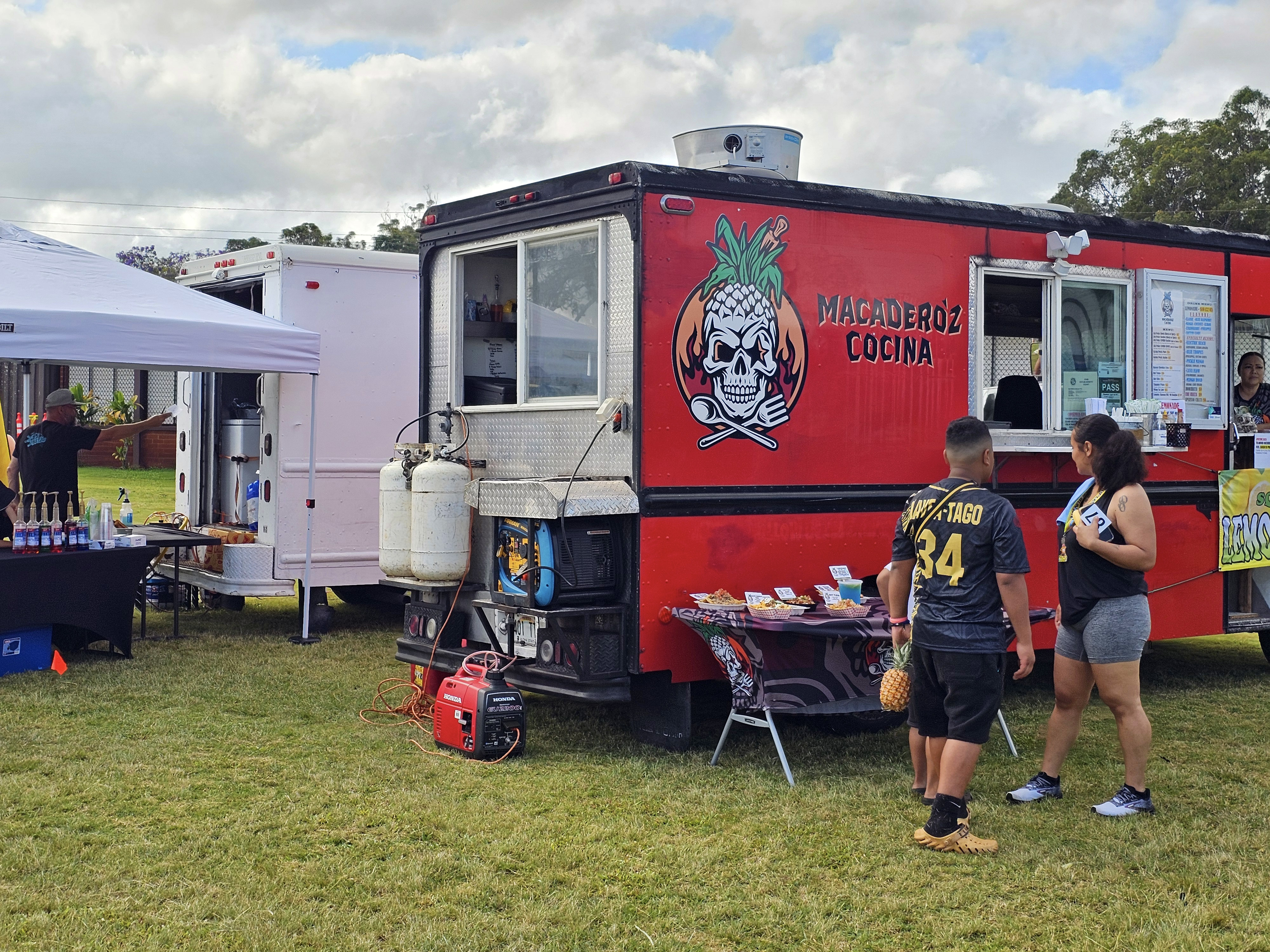
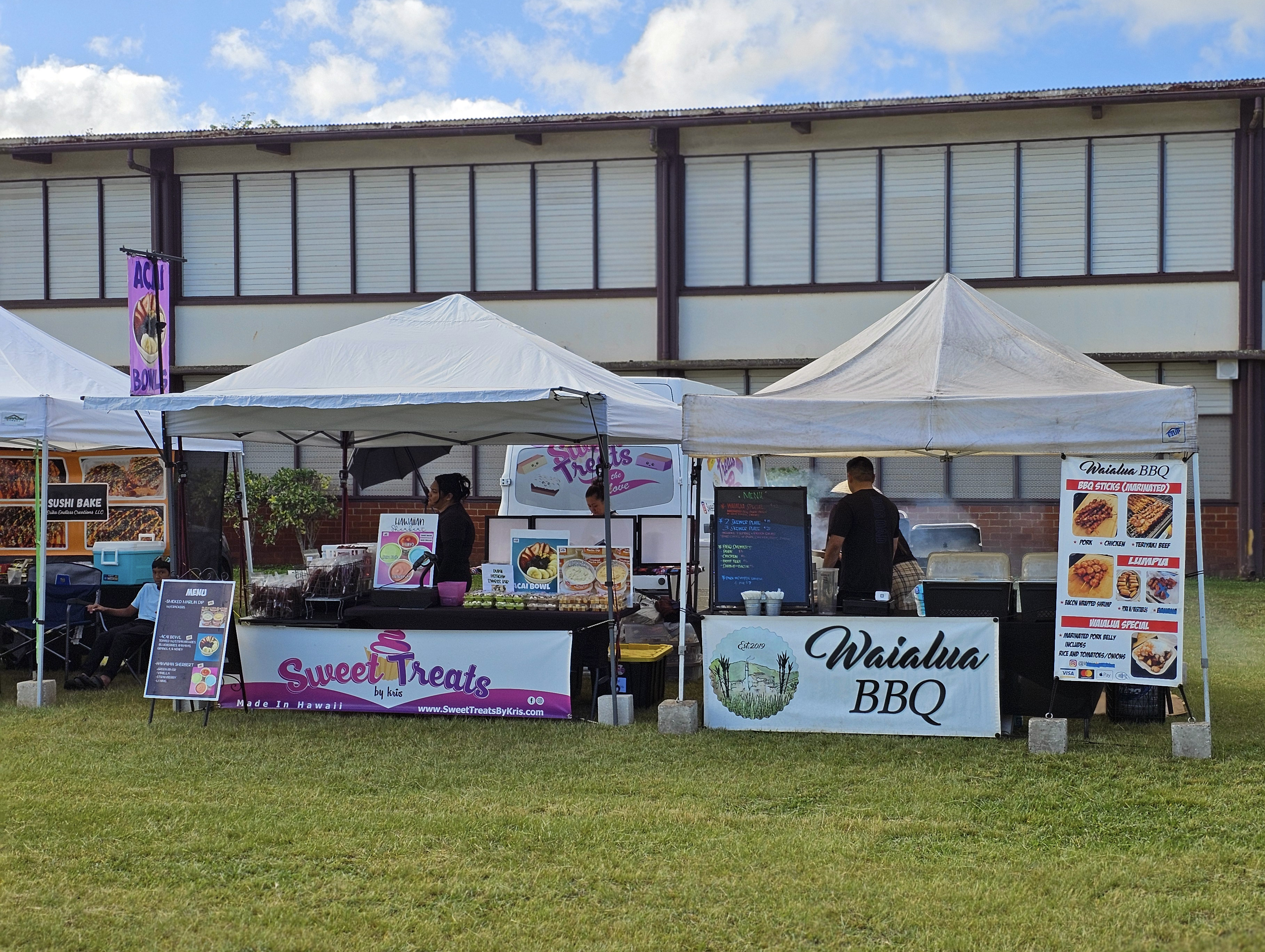
If you ask me, the main reason to go to the pineapple festival is for the food. I’ll be honest: I don’t like pineapples. (Sacrilege, I know.) However, Wahiawa has some of the best lunch wagons and restaurants on island. Our population is very diverse, and that means our food is the best of everywhere rolled up together from Japanese cakes to tacos.
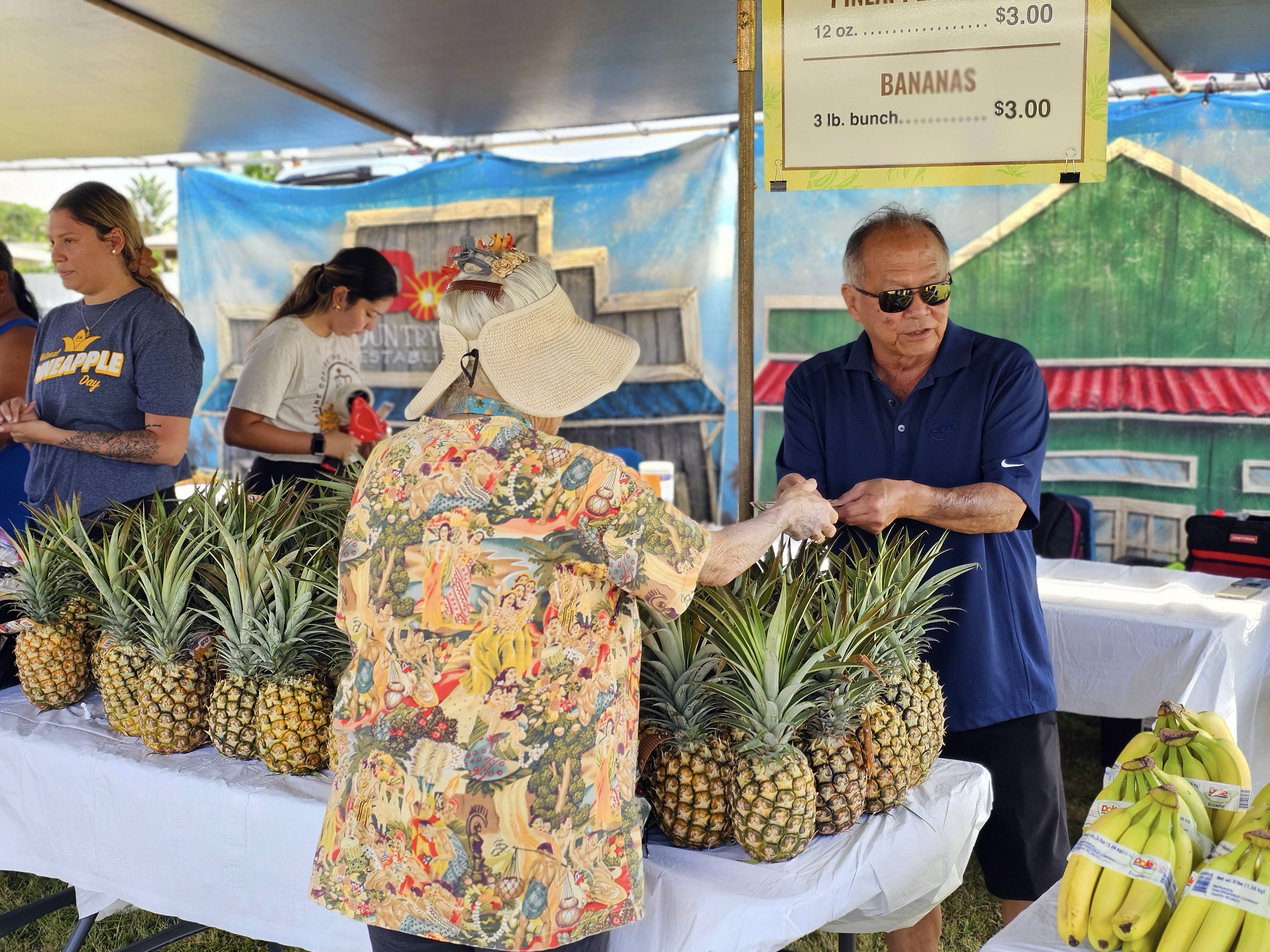
Of course, we also have everything pineapple.
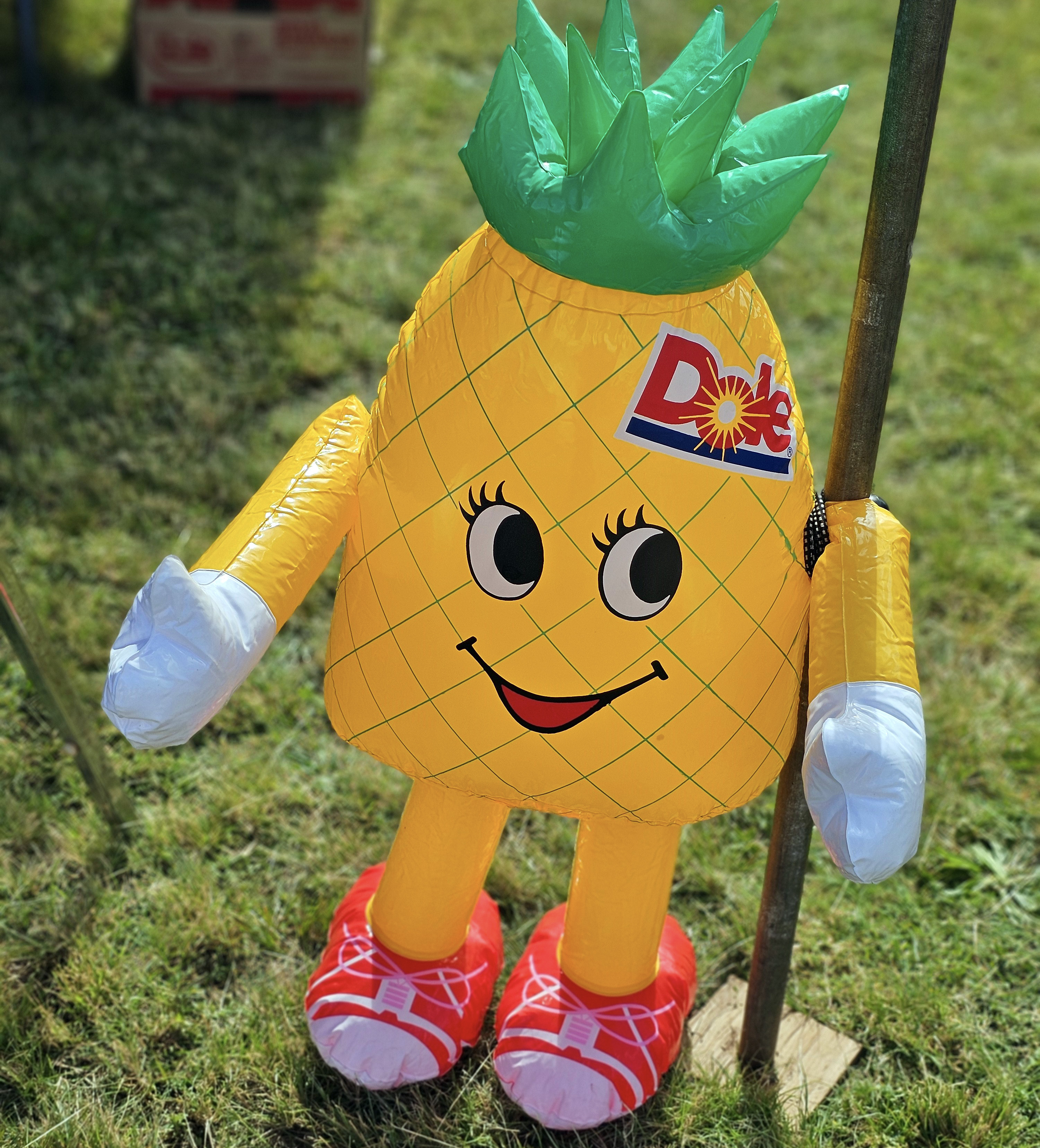
The Dole Whip is the star of the show. The popular confection is sold all year at the Dole tourist attraction.
Dole used to farm huge tracts of land so that pineapple fields stretched from the mountains almost all the way to the sea. Dole sold most of this land to farm pineapples in more cost-effective places. These days, they only farm enough land to support the tourist attraction, which is very popular with visitors.
It may be a small festival in a small town, but the Wahiawa Pineapple Festival really is a good time every year. I’d recommend it to anyone -islanders and tourists alike. The small-town feel is reminiscent of old Hawaii and echoes back to a simpler time when people got together to eat, laugh, and have a nice day with their families. There are things to buy, but that’s not what it’s all about. It’s about the games, the baking competition, and the local high school drama club doing interpretive dances (in full Goth regalia in spite of the heat). My family actually comes from Maui, in the Makawao area. But, I love living in Wahiawa and -if you ask me- it’s the hidden gem of Hawaii.
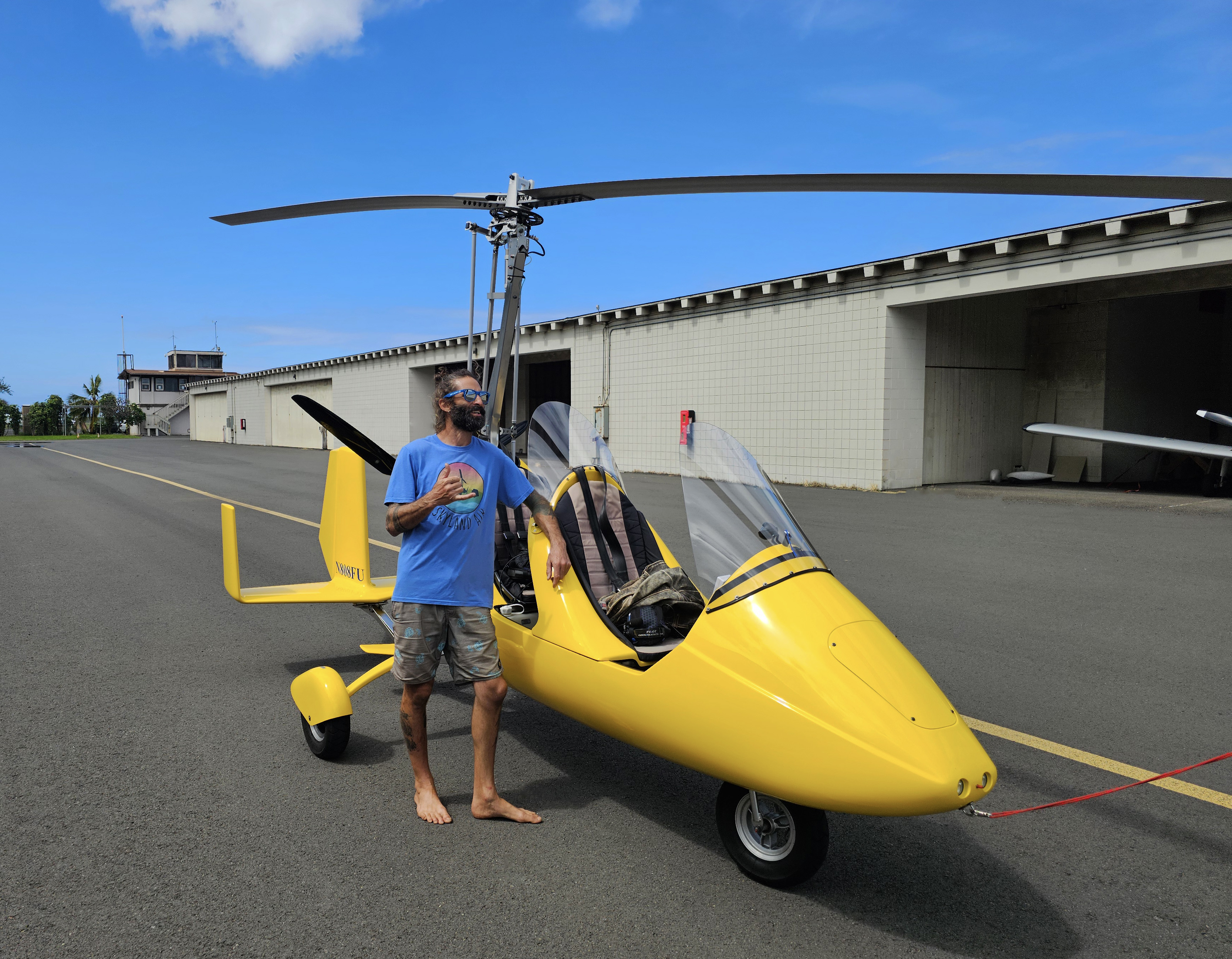
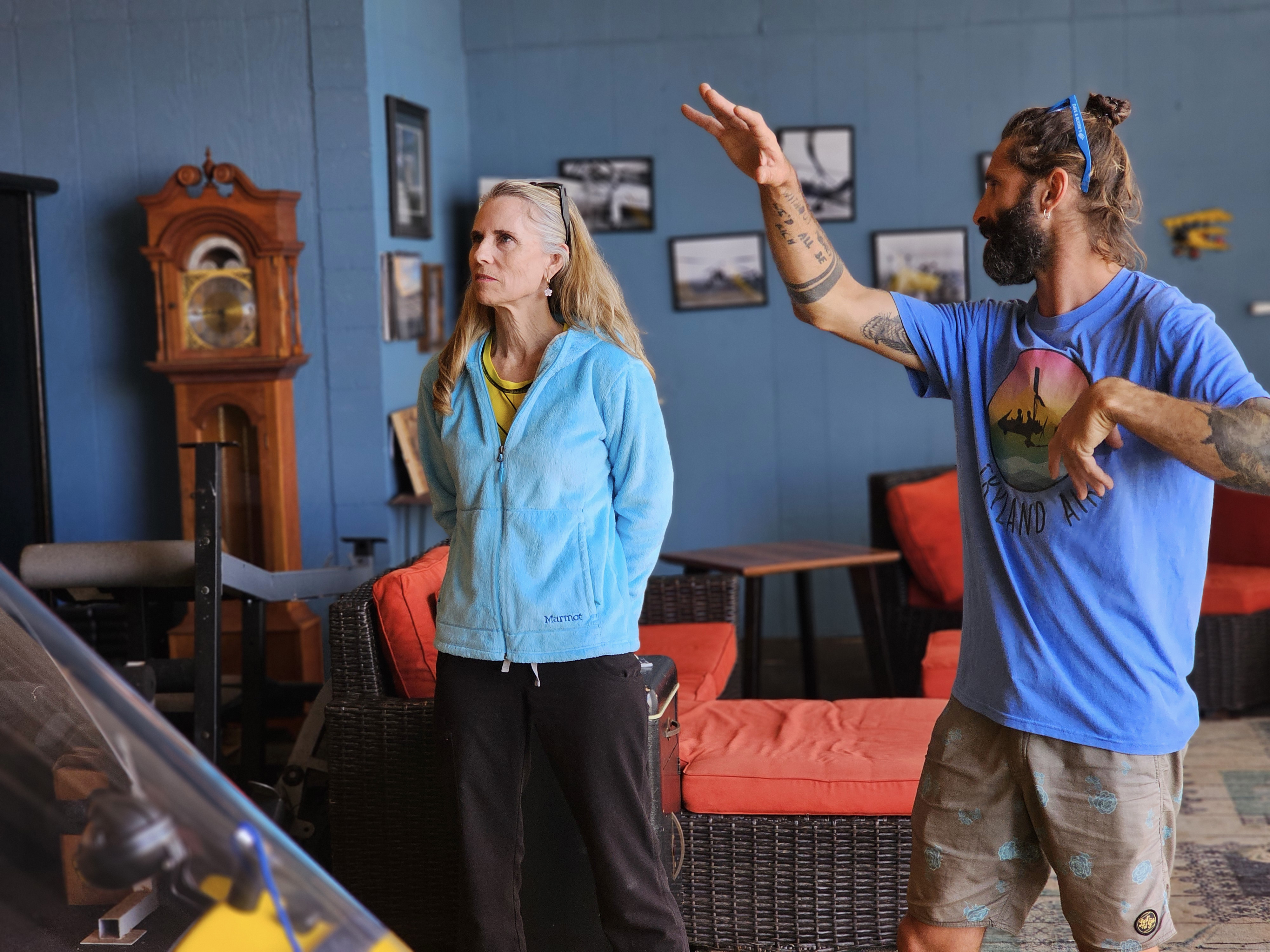
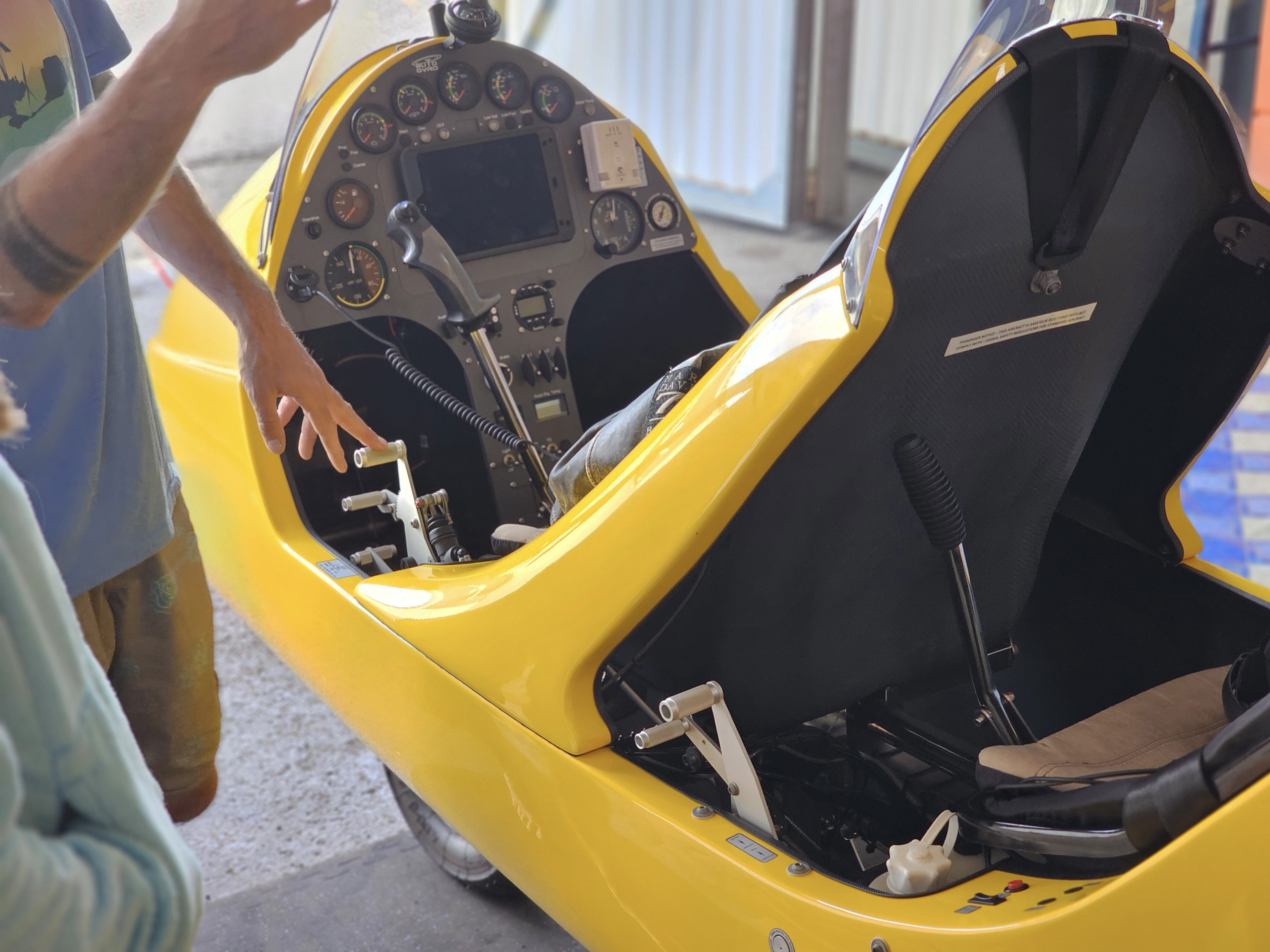
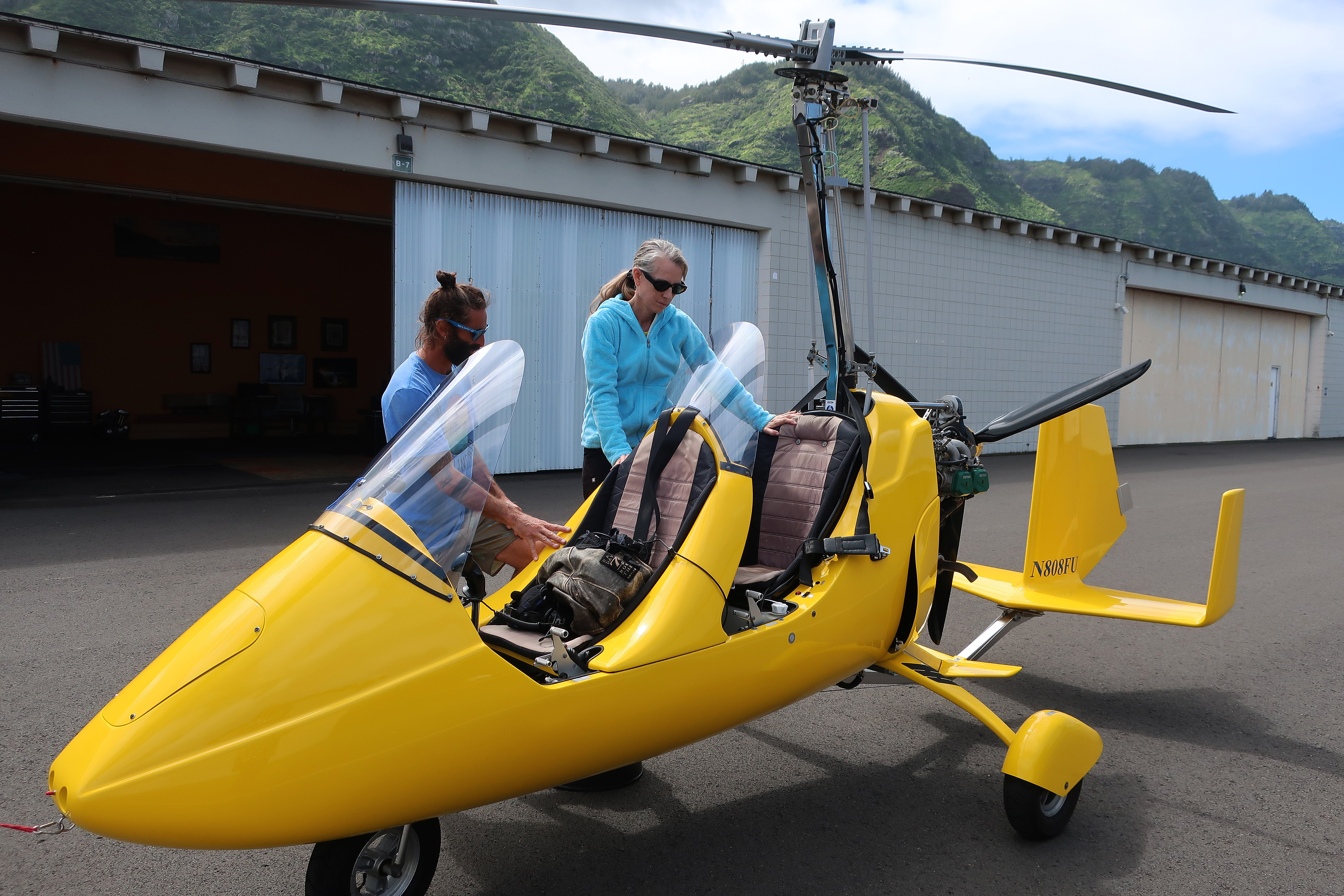
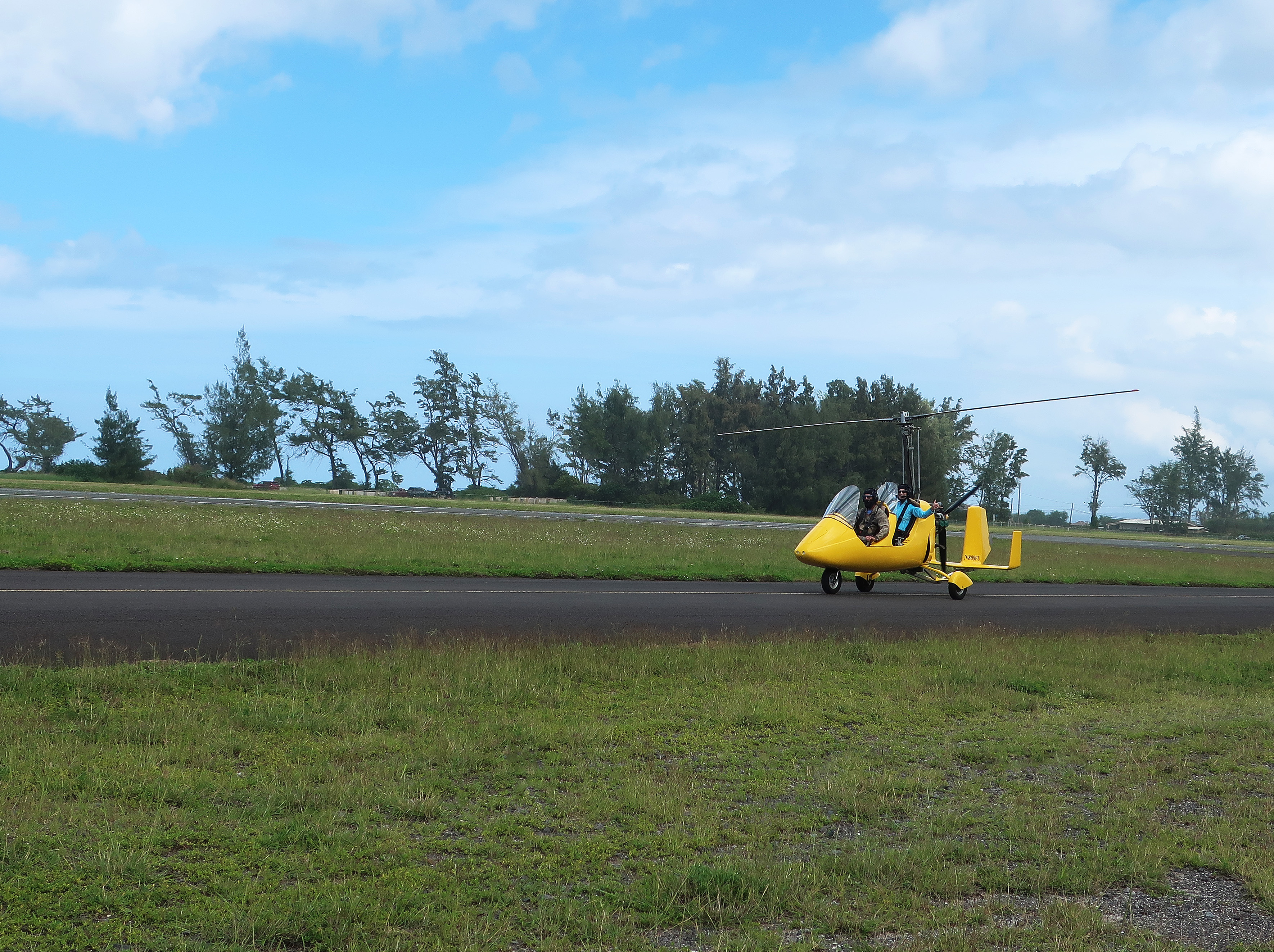
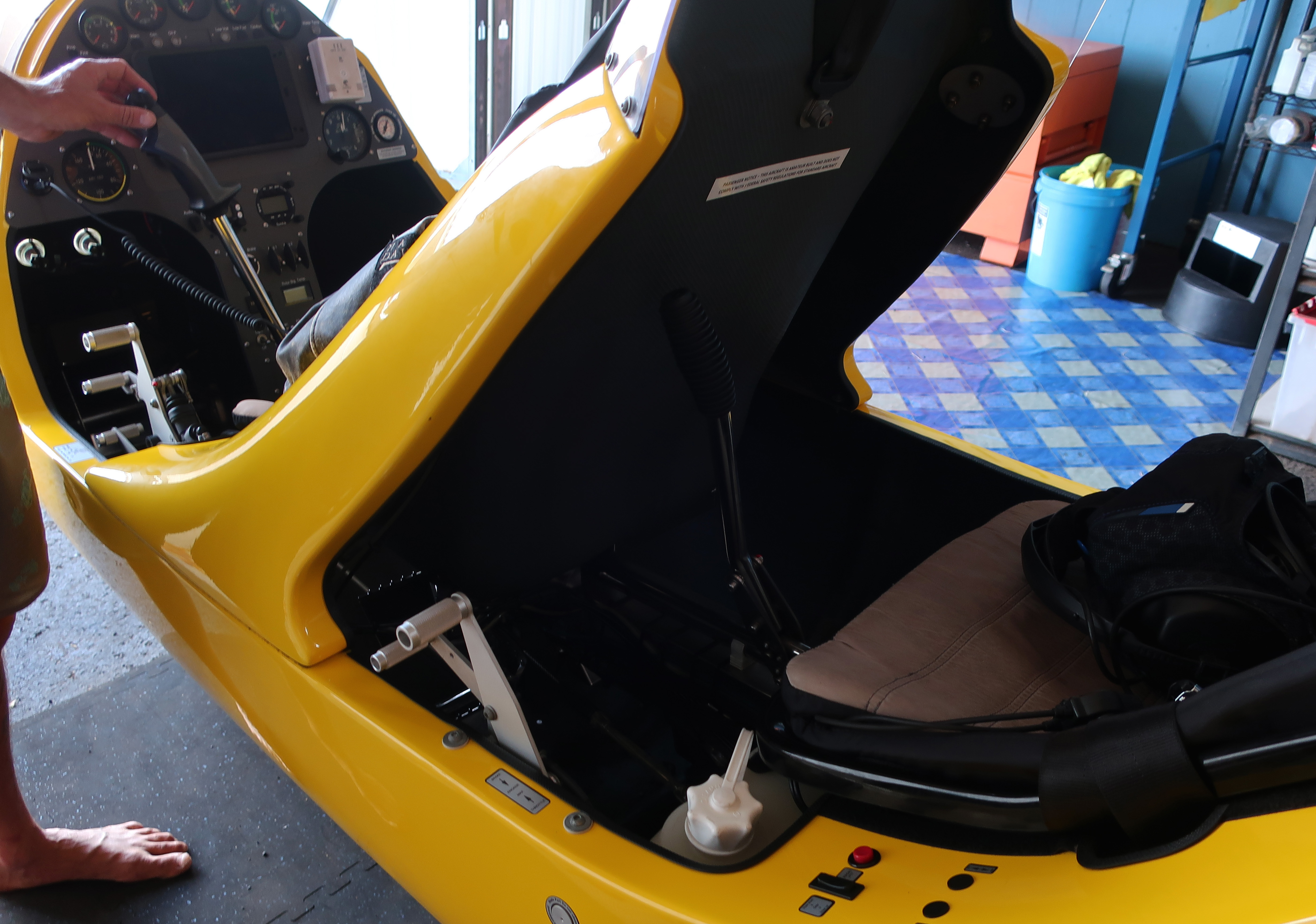
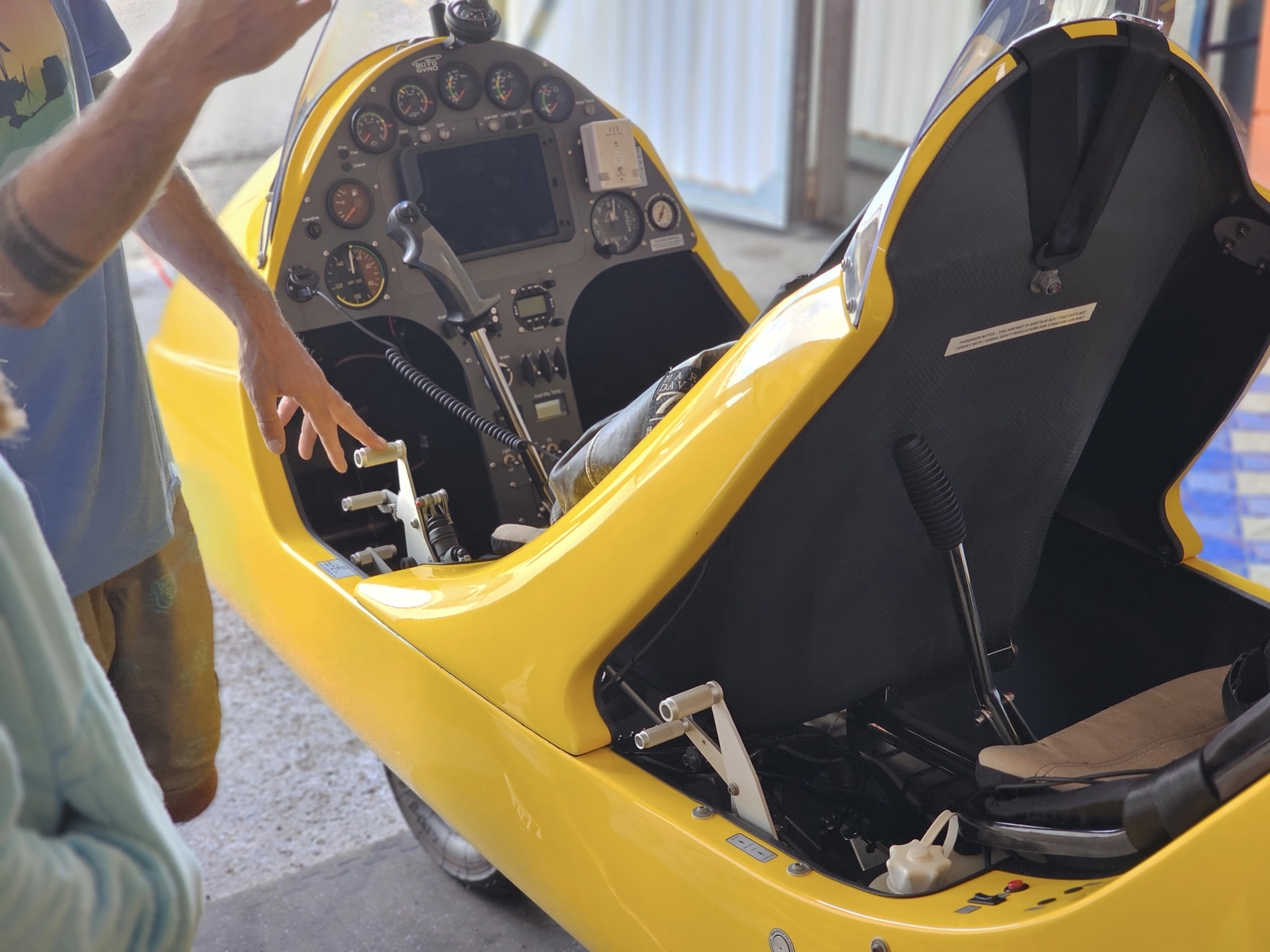
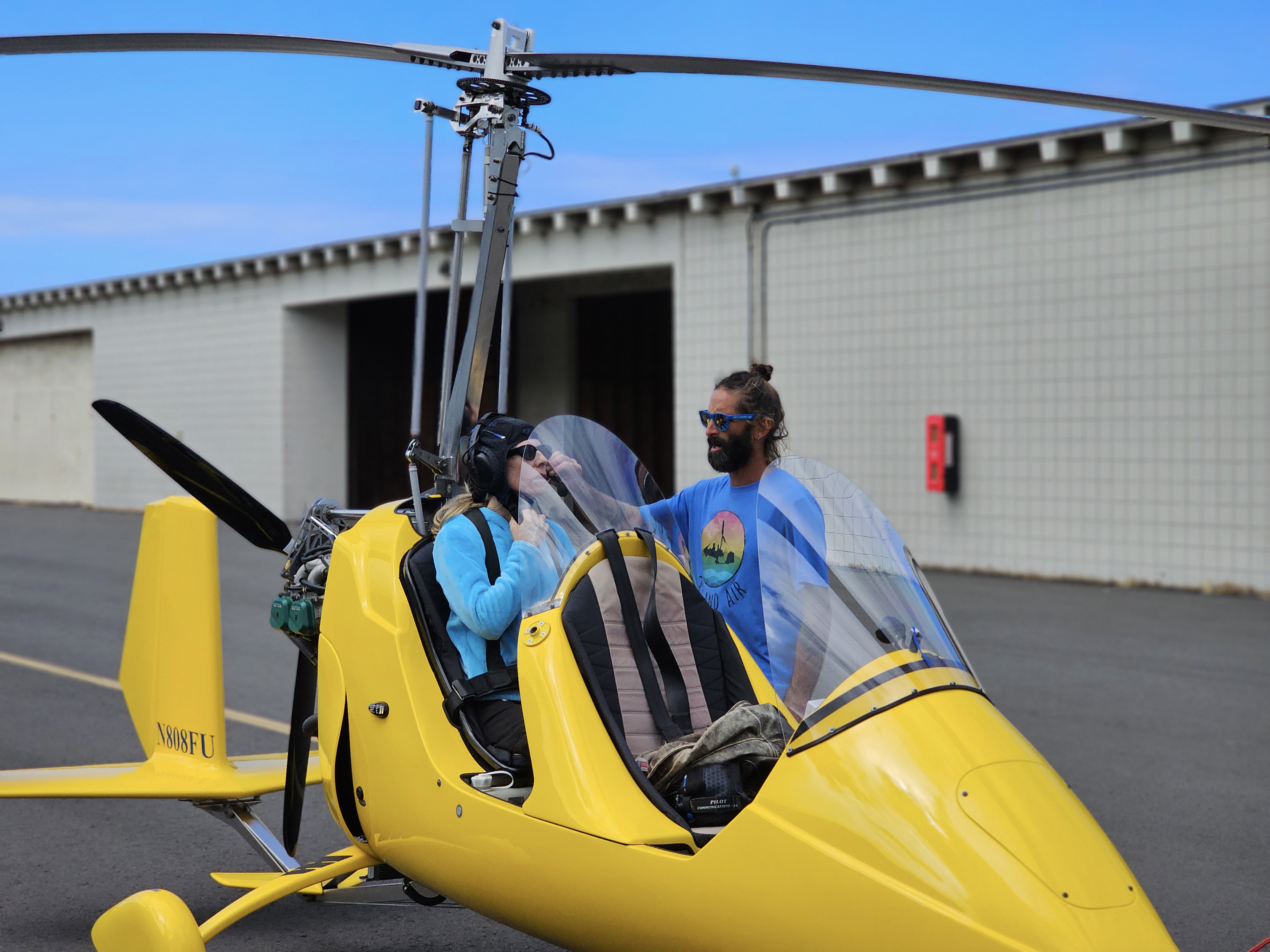
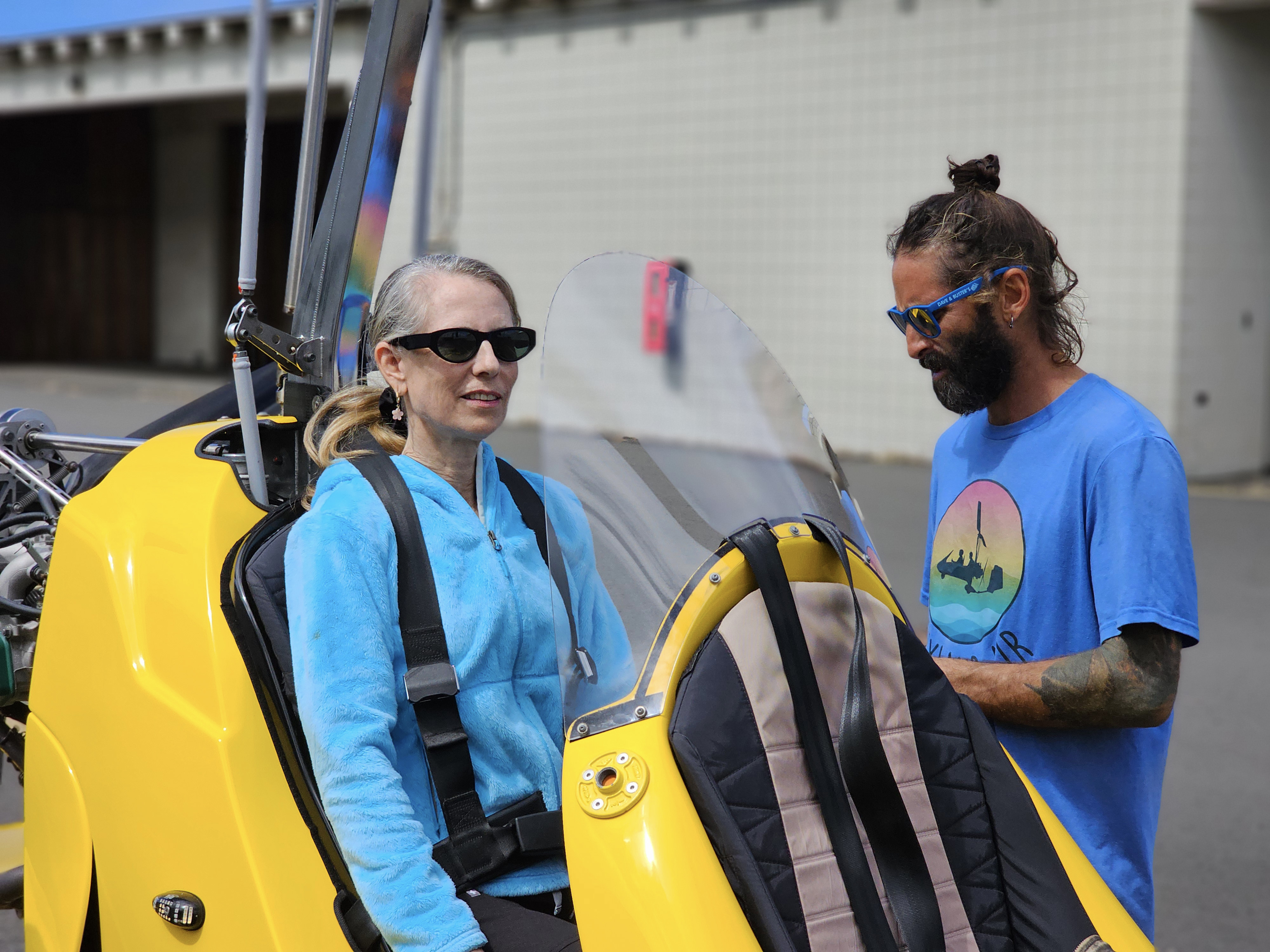
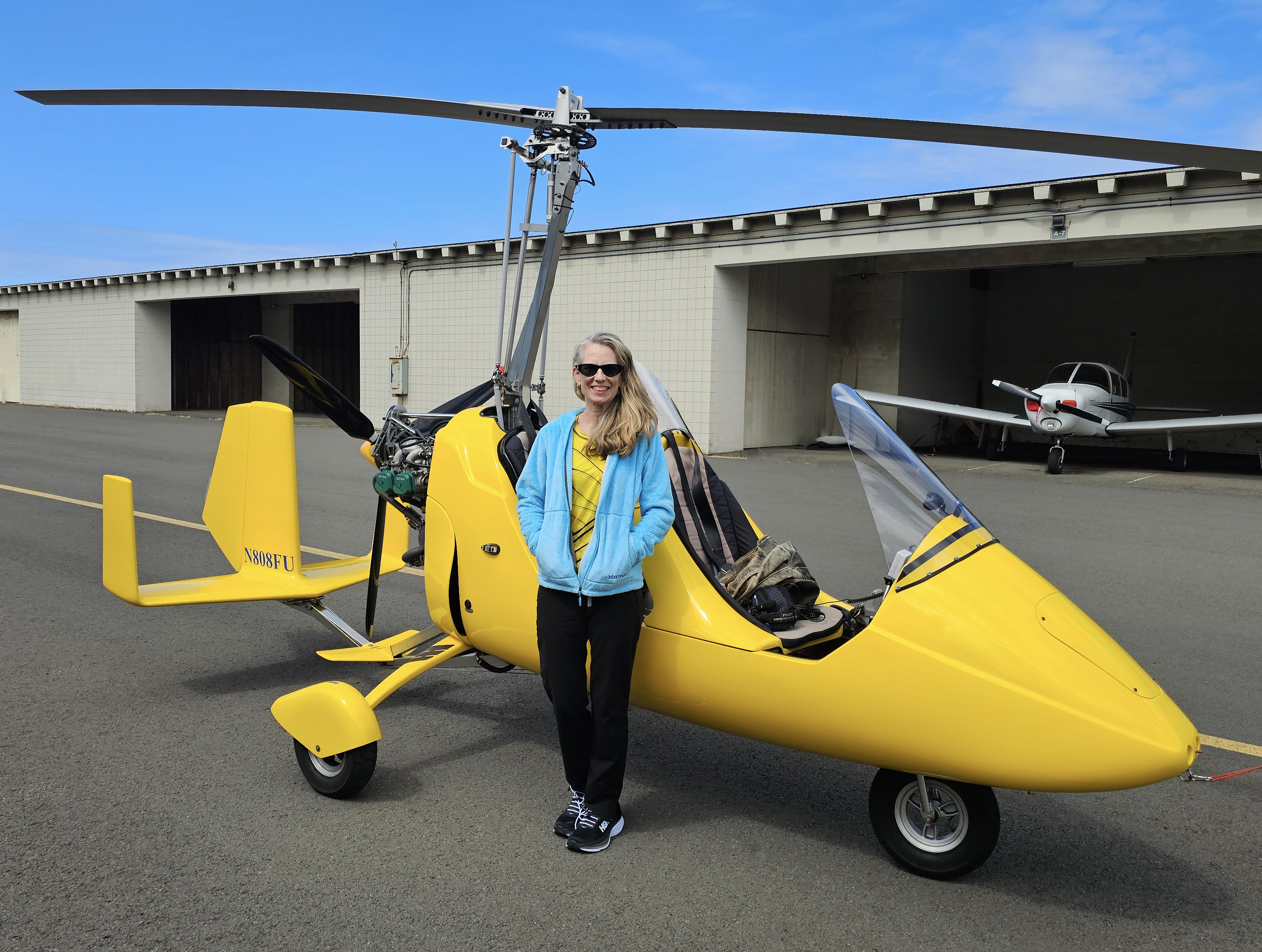
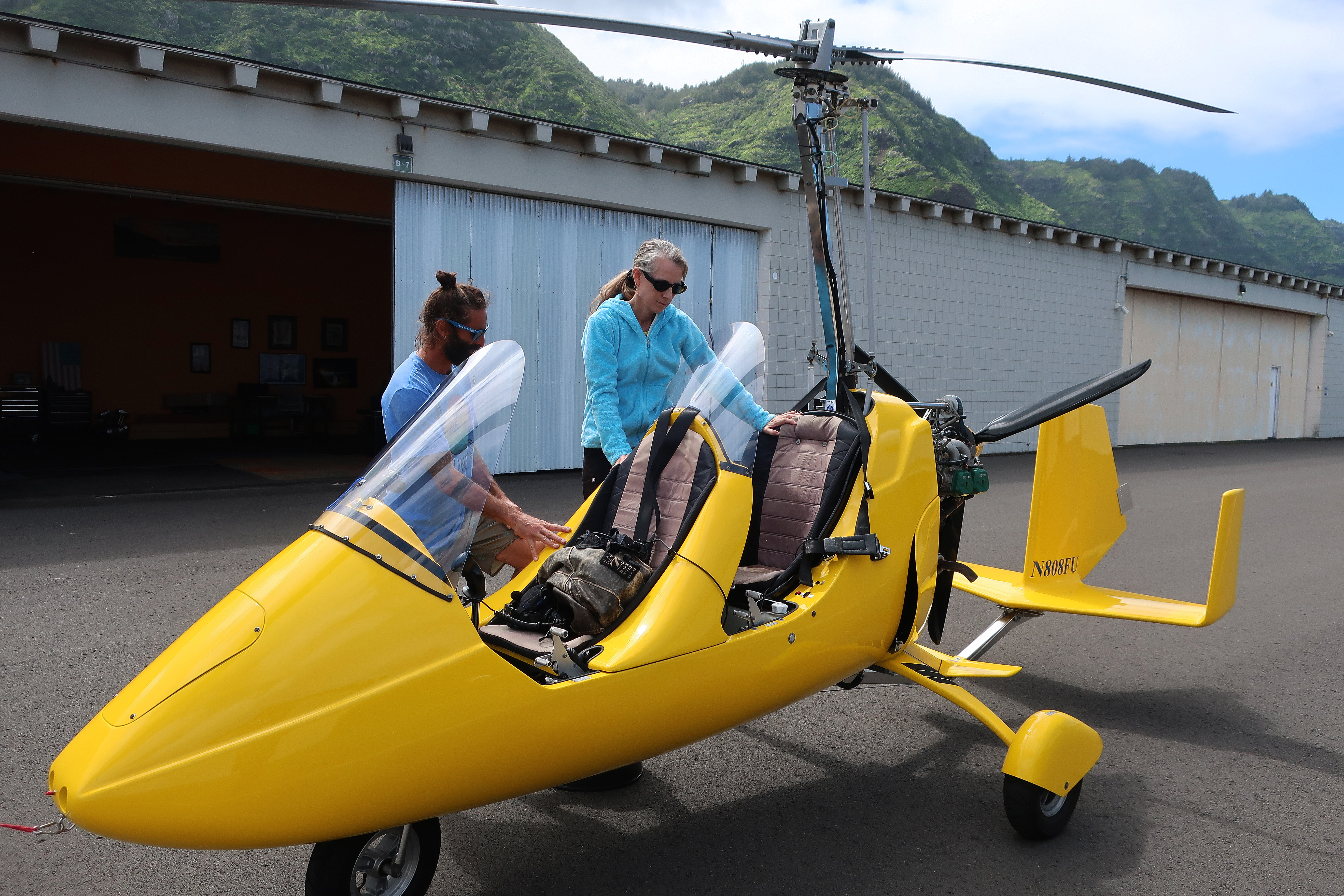
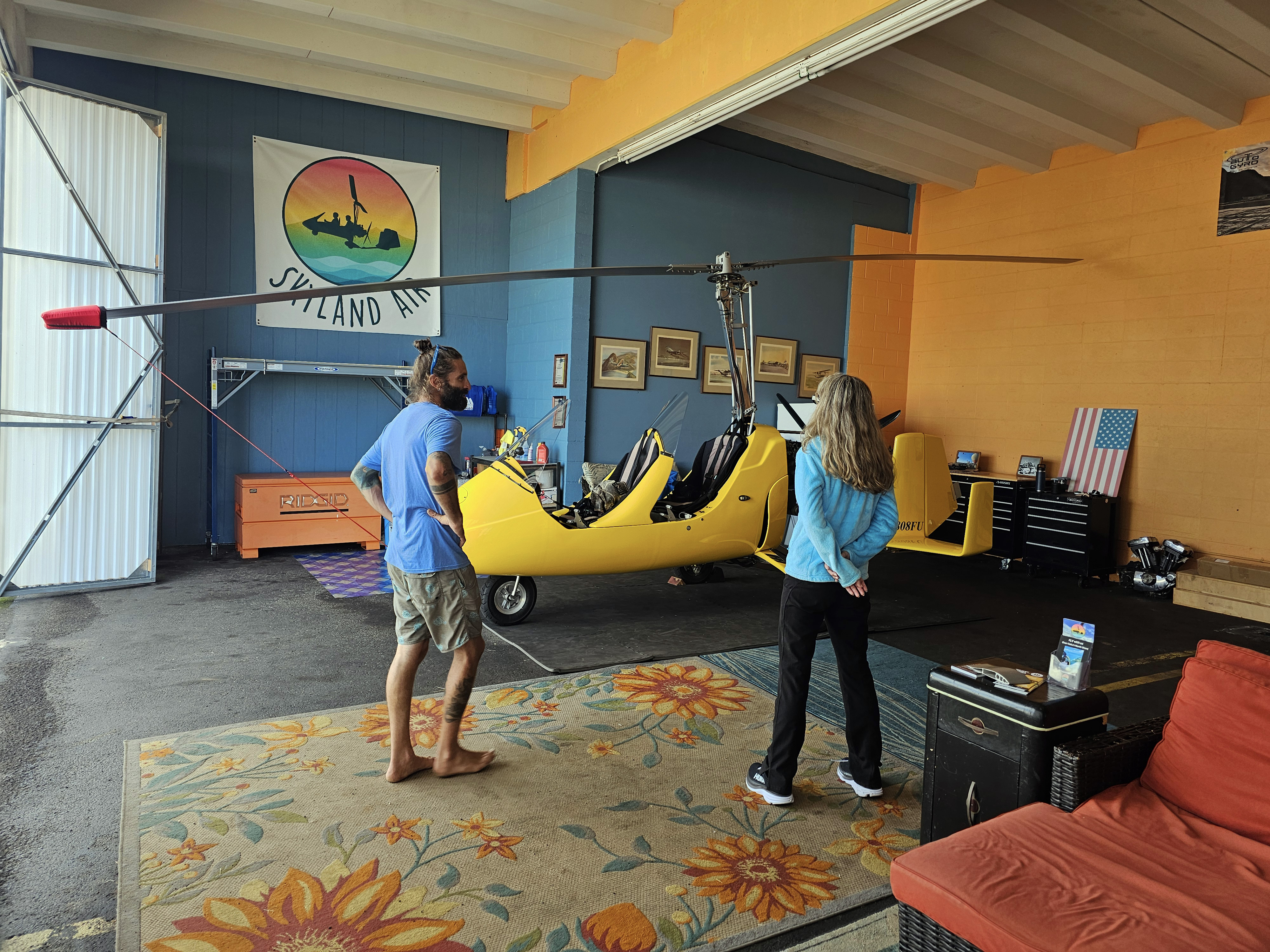
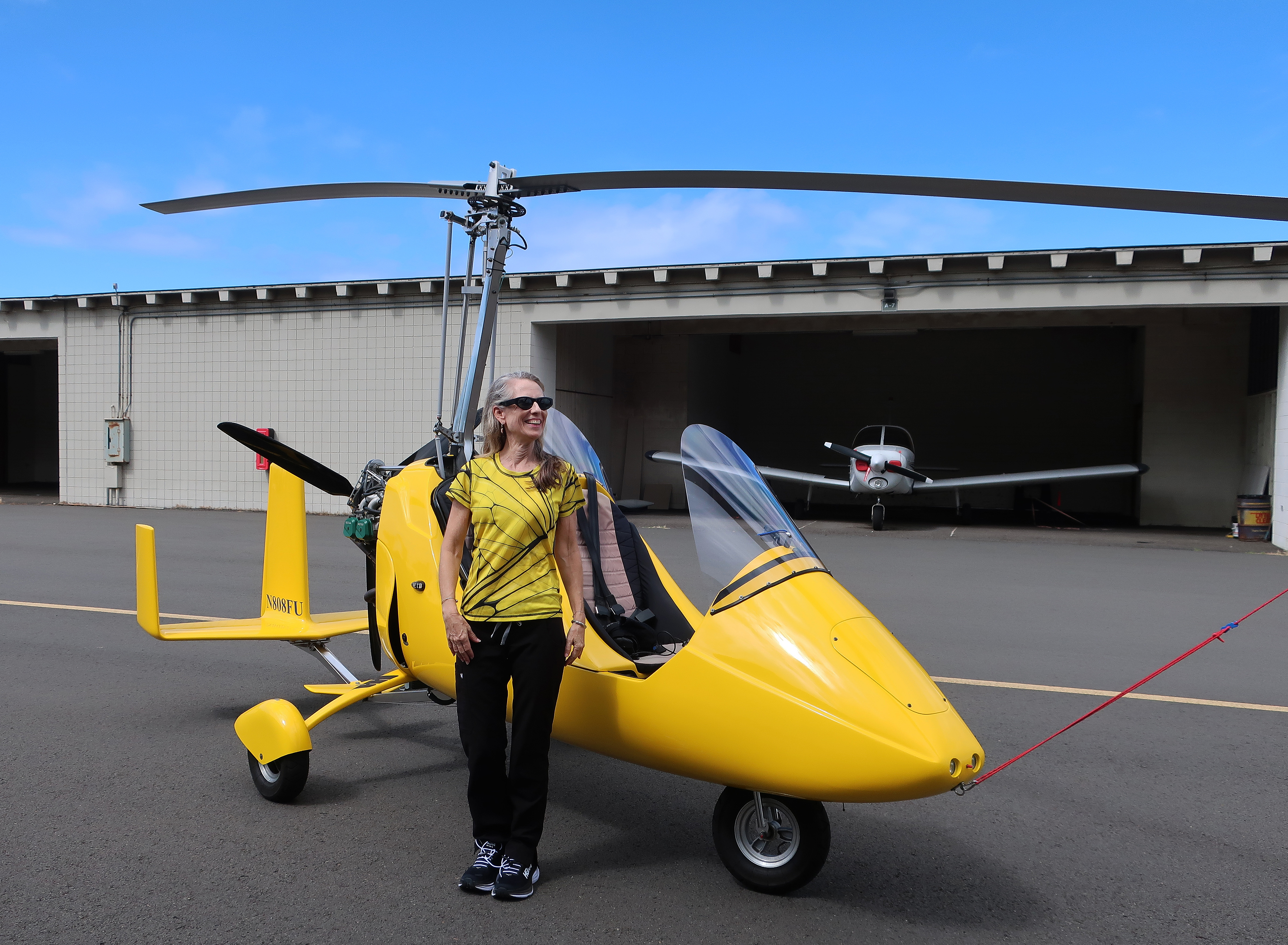
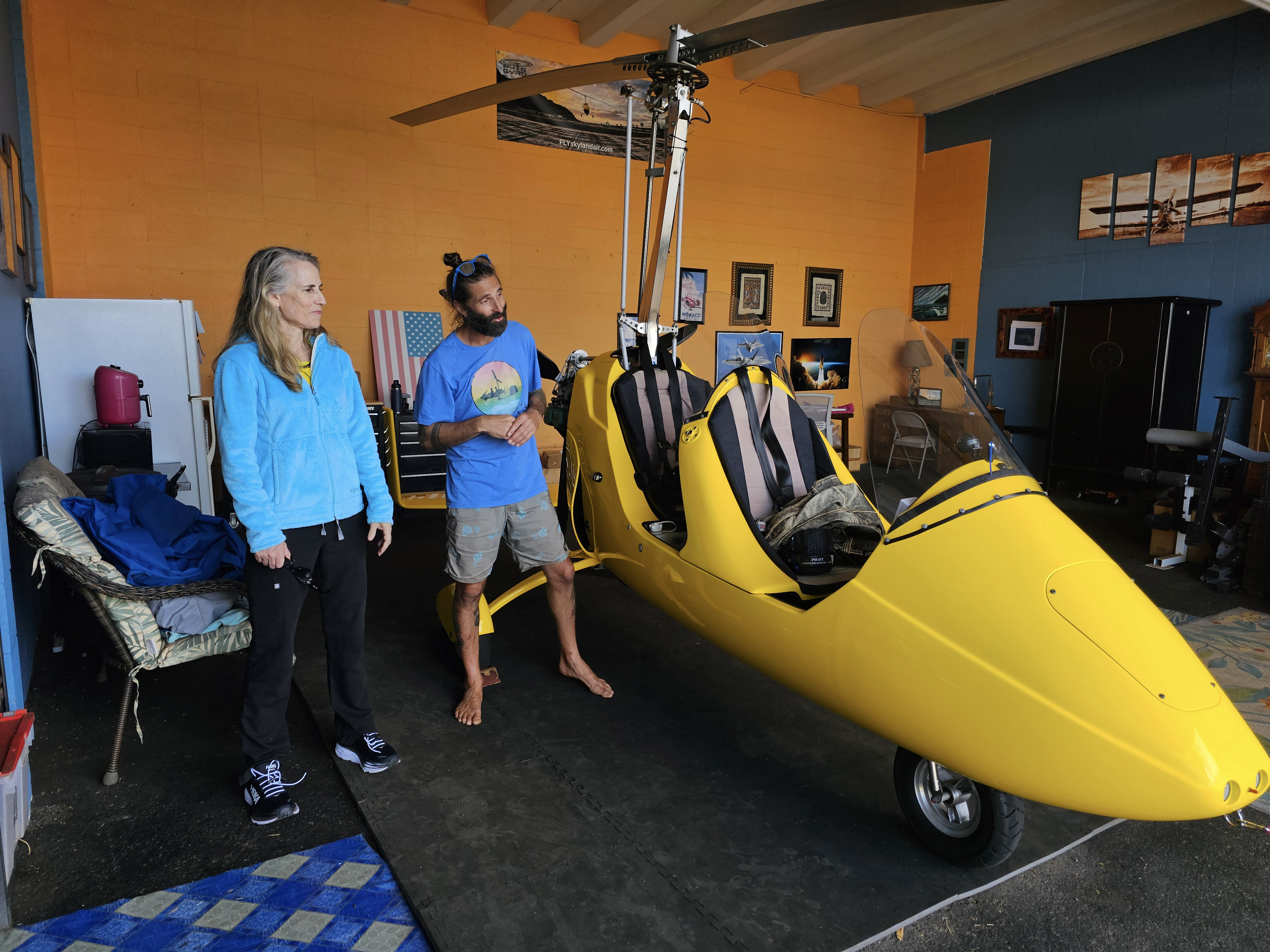
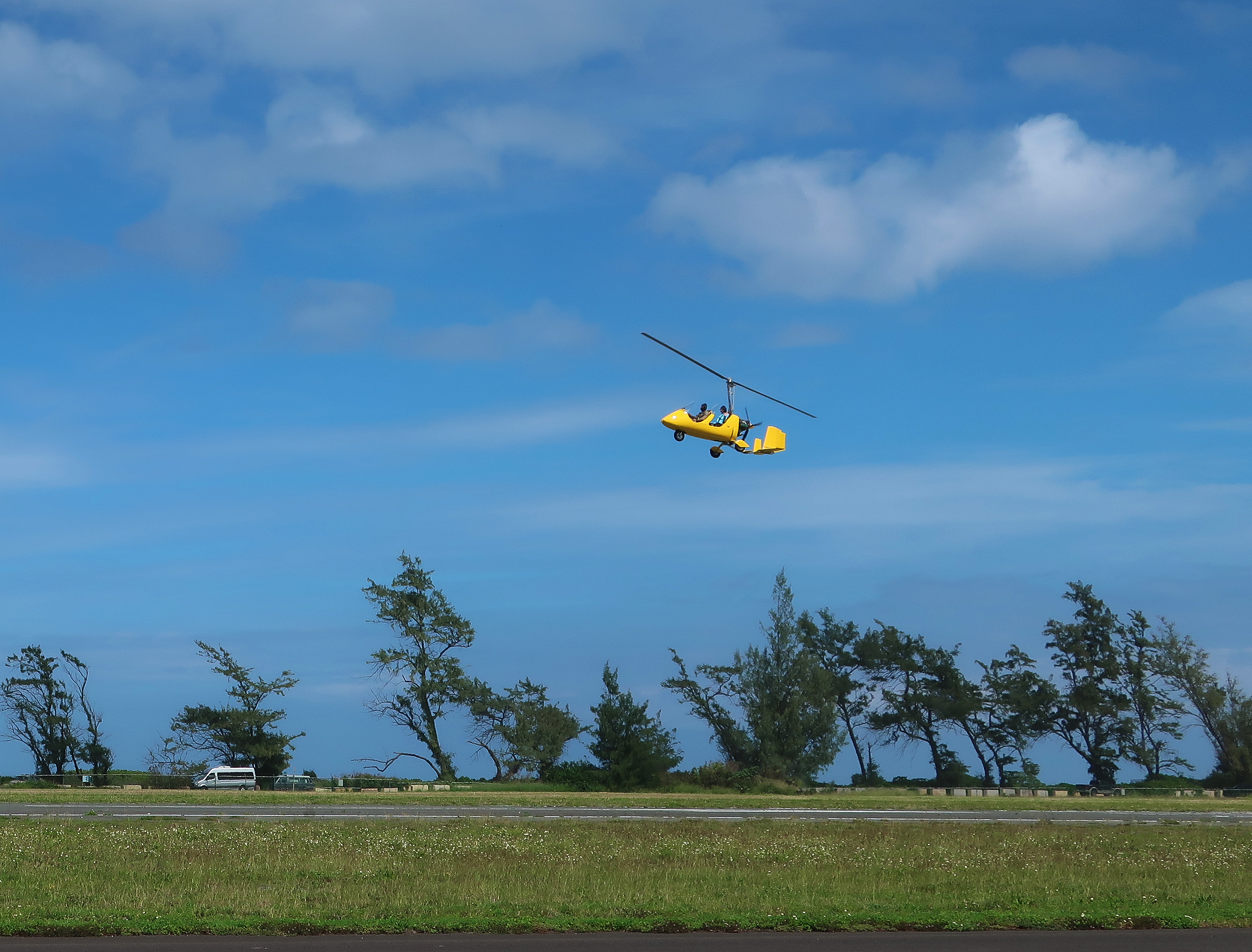
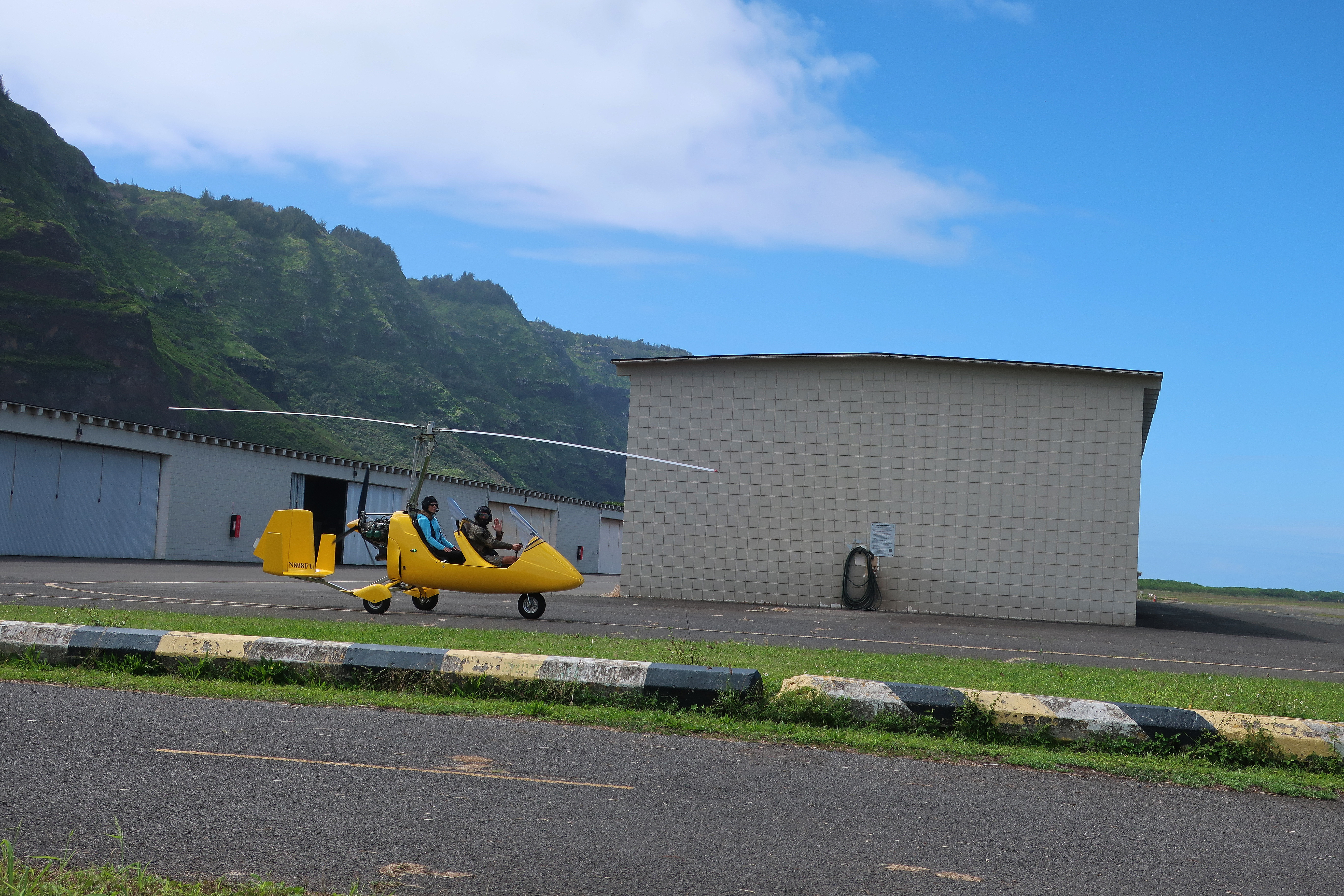
Pictured: Jay with his gyroplane, which you can take a ride in through SkyLand Air.
When I was a child I used to be filled with wonder whenever my parents put me on a plane. Back in the 80’s, you could walk your child right to the boarding area, pass them off to a fight attendant, and someone else could pick them up on the other side. Flying was still something people in the United States thought of as a lavish adventure. The food wasn’t bad, and the seats weren’t small and cramped. It wasn’t the 1950’s-level luxury experience, but before all the security lines and cramped spaces of modern aviation, it was still fun to fly.
I used to sit in my seat -always by a window- and watch the world fall away. My imagination ran wild as we flew through white, puffy clouds and across vast expanses of forests, oceans, deserts, and cities. When my parents waved goodbye, I was a child they were glad to be free from. When I landed and my grandma or aunt or relative-of-the-summer picked me up, I was an extra burden for them to carry. But in the sky I could be anything. I was a Pegasus from a magical cloud kingdom, a bird having an adventure, or a resident of a vast cloud city.
At some point, flying became An Ordeal. Buying tickets became increasingly stressful as airlines invented non-refundable tickets, baggage fees, and other forms of torture. Security became a harrowing experience. Waiting at the gate became worse as chairs got smaller and less comfortable. Seats on planes got smaller, and no one ever got upgraded anymore because there was an empty seat in first class. It became a thing I dread, which I only do because I like to be new places and have new experiences.
Over my lifetime I’ve been sky-diving, been on an extremely dangerous flying pedal bike in Mexico, and been in a helicopter with a former fighter pilot. I’ve owned and rode a motorcycle down a freshly paved freeway through the warm, inky nights of Phoenix, Arizona; (which is almost exactly like flying). And, in my travels around the world, I’ve been in every size and description of commercial plane.
However, I was 43 before I ever went up in a Gyroplane.
We all know from history class that Leonardo DaVinci drew the first plans for a rotating-wing aircraft. If you love flying, you might also know that Juan de Cierva -a Spanish engineer- designed the first Autogiro in 1923. Later, and American aviator named Harold Pitcairn would further refine the design. The gyroplane is easily more than 100-year-old technology, even if you don’t count DaVinci’s designs.
I’d seen plans for a gyroplane before, but I’d never had the opportunity to fly in one.
I met Jay Eisenberg because of his rescue duck, Sizzle. An undersized Muscovy duck, Sizzle was rescued from an abusive owner who fed her nothing but Macaroni and Cheese. Jay wanted to know more about caring for ducks, so he reached out to me. I have several rescue ducks who have an Instagram account, and he found me through there. I brought some of my ducks to meet Sizzle, and we talked about feeding, bathing, and general care. I never even asked him what he did for a living or where he was from. I was laser-focused on sharing duck facts.
However, he reached out again when Sizzle wasn’t feeling well, and this time we did the pleased-to-meet-yous. Turns out Jay is from Ottawa, which is the capitol city of Canada. He started out in the air by skydiving, loving it, and becoming a sky diving instructor. He never thought about flying a plane until years later when a friend offered to take him up in a gyrocopter. He went up once, and was hooked.
Small planes like Cessnas provide an often-bumpy flight. Being in a helicopter can feel like you’re fighting the air itself. Even large commercial planes hit patches of turbulence and provide a jarring ride much of the time. I expected the gyrocopter to be a similar experience, particularly flying out of Dillingham Airfield and over to Ka’ena Point where the winds from around the mountains come together. It wasn’t anything like I expected. In fact, it felt like I was a bird taking flight and landing as easily as if I’d been born with wings of my own.
The gyrocopter has some body paneling, but it’s only for aerodynamics. The frame is the spinning blade -much like a helicopter’s blade- the propeller blade on the back, and the engine which isn’t much bigger than what was in my Kawasaki ZL6 Eliminator motorcycle. Gyroplanes are pretty basic in construction.
The engine turns the propeller which moves the craft forward. The unpowered rotor (like a helicopter blade) spins freely, providing lift as the air moves over it. The craft has actuators that tilt rotor backwards and forwards to help control its position in the air. Due to this arrangement of features, gyroplanes are known for their short takeoffs and landings, meaning they require very little runway. The technical aspects of it are pretty neat, and you can look into that if you’re interested, but the best part is what it’s like to actually fly in one.
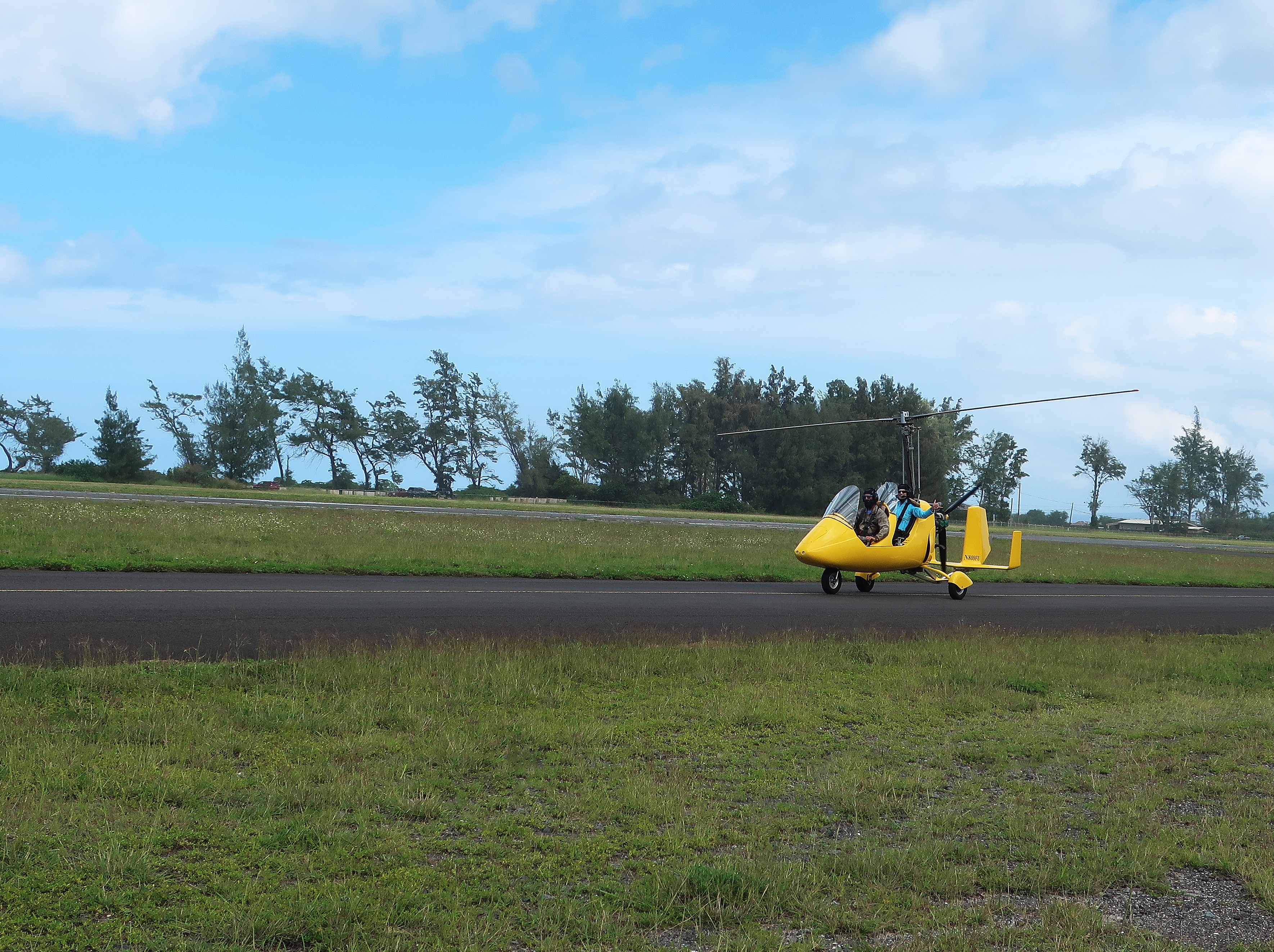
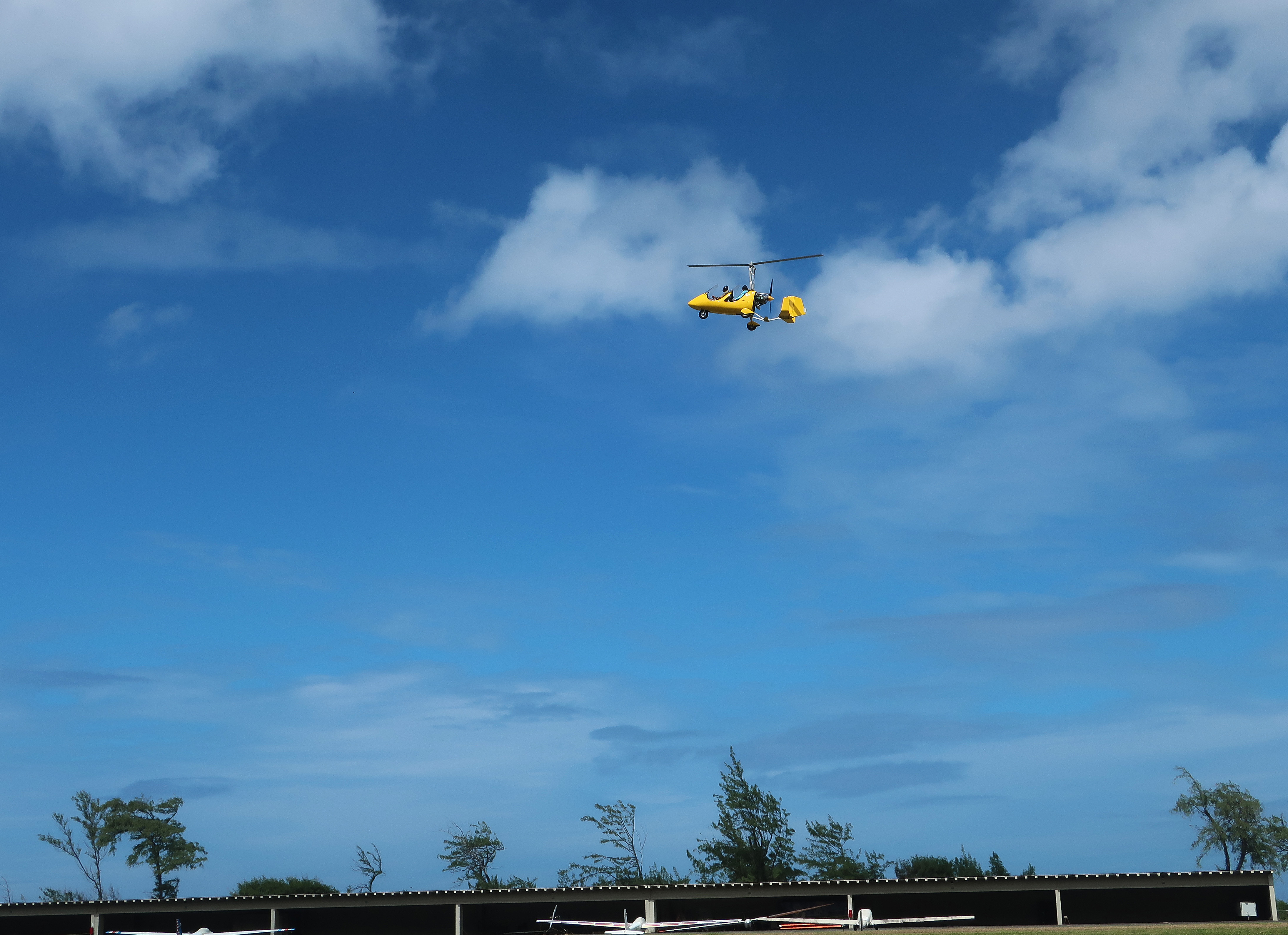
Takeoff was seamless and far more graceful than one of my ducks taking flight. We simply lifted off the ground as if it was easy. Gaining altitude was smooth, free from jerks or bumps. Cruising at about 1,500 feet, we headed towards the point. You’re high enough up to get a good view, but low enough down to make out schools of fish, whales breaching, and albatross couples dancing together in the air during their nesting season. At the point we climbed to 2,500 feet to get the best view of the Waianae coast on the leeward side of O’ahu. Seeing it from a commercial plane you barely get a glance because of how fast you’re moving and how high up you are. Seeing it from an open-air ultralight, it’s not just seeing, it’s experiencing it.
I thought it would be windy and cold. I flew in a helicopter with the doors off on a tour once, and it was gale force winds and frigid temperatures. I held on for dear life as the awkward machine struggled around in the air as if trying to buck us off. I saw some of the scenery, but with the noise and the turbulence, it was also a bit of an endurance test.
In contrast, being in the gyrocopter there was barely a breeze, and we weren’t high enough up to be cold. It’s not even as intense as going over the H3 in a convertible. In fact, it was really peaceful. I don’t think I’ve felt peace like that in the air since I was a kid dreaming about the shapes I saw in the clouds while a flight attendant occasionally “supervised” me.
My hair didn’t get destroyed by the wind. My skin wasn’t raw from the cold. I barely had to pop my ears when we landed. It was amazing. The best part isn’t even how calm and zen it is to hang in the air in a gyroplane. You see, Jay doesn’t give tours; he gives lessons. I didn’t just get in a plane and go for a ride. I got instructed in the controls, and then when we were at cruising altitude, I got to take over the controls and actually fly the plane myself. My first time out. I flew the plane.
For those who live on O’ahu, Jay will actually instruct you for the full 20 to 40 hours of flight training required to pursue a Gyrocopter pilot’s license. For those who are just visiting, it’s an opportunity to get a taste of flying an aircraft which might lead them to try for a pilot’s license when they get home. For those who don’t want to go for a pilot’s license, they can keep the certificate for the successful completion of their first lesson as a memento.
When we touched down -as gently as a bird landing on wire without moving it- I felt a disappointment that I wasn’t prepared for. I hadn’t even realized how much fun I was having until it was over. All I wanted to do was go back up in the air and fly around some more.
From the air, these islands show so much more of their beauty. You can see the contours of the land; from the ancient lava flows that became reefs with sand settled between them, to the pods of whales breeching in excitement as they celebrate the birth of babies You can see the way the clouds settle around the mountains and hug them so that they look majestic and surreal. From the air, Hawai’i is even more beautiful than it is on the beach.
Instead of giving this experience a recommendation, I feel that it should instead come with a warning. Flying a gyrocopter is pretty amazing, and it’s one of those things that’s easy to get hooked on like good coffee or gambling. At $250 a trip, it’s more expensive than good coffee but cheaper than the average night of poker or roulette. Like gardening or raising chickens, it’s easy to convince yourself that it’s okay to spend the money because it will pay off later. However, I doubt I’d use a pilot’s license for anything beyond decorating my wall. I guess it could keep my degree company. I never use that thing either. At best, they could be a good start towards a collection of very expensive pieces of paper.
So, buyer beware. Flying a gyrocopter is both peaceful and addictive. And, it might be the best way to see our island home.
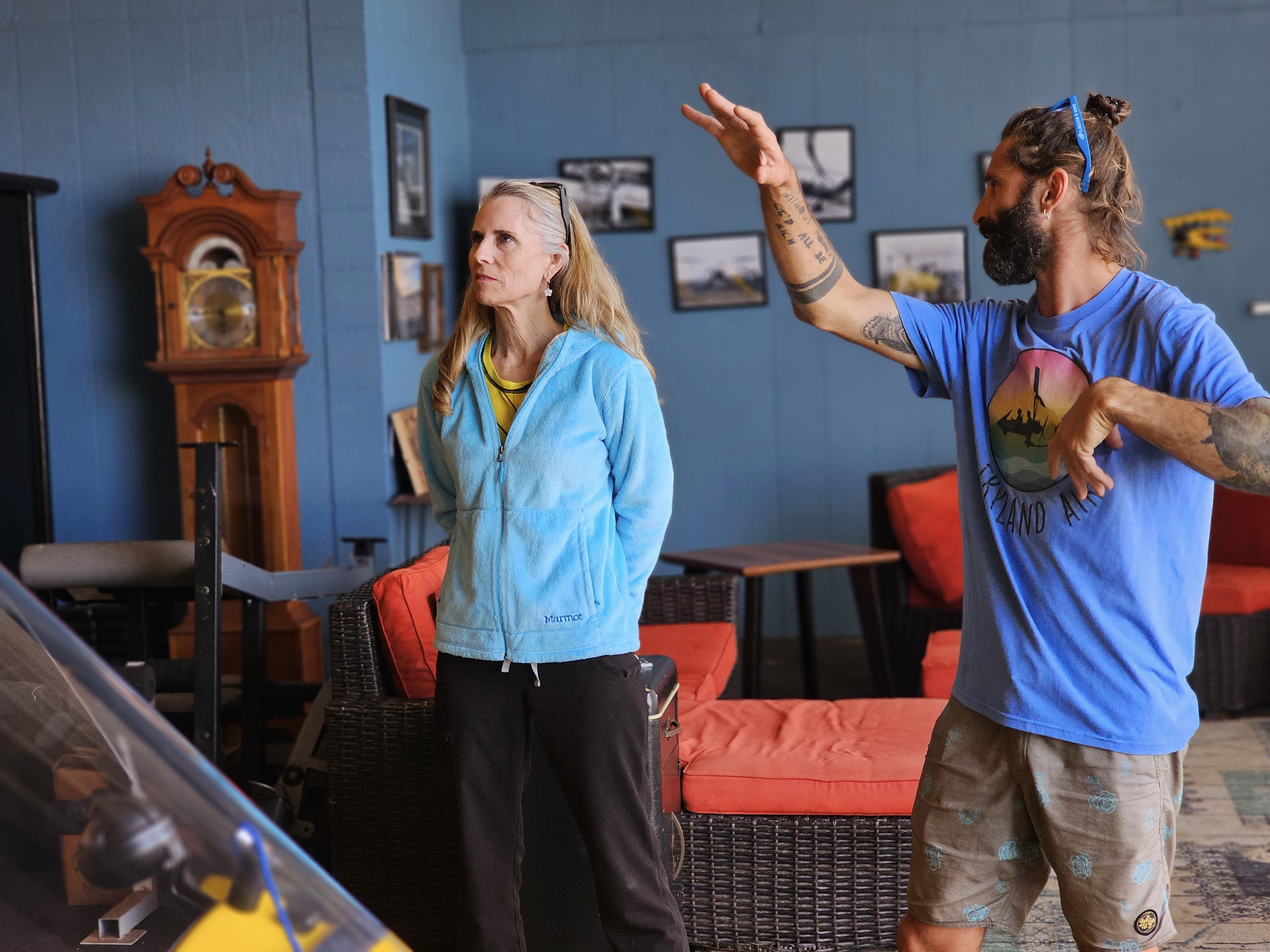
Thank you to my friend Jessica who agreed to a photo shoot because I’ve never loved pictures of myself, and also because a bunch of selfies seemed less useful than pictures from a distance that let you take the whole experience in.
I’ve been interested in plants since I was a child.
My great-aunt Jean Gomes used to tend the rose garden in San Francisco, and she had a very impressive native plant garden at her home in San Jose. She used to give me seeds whenever she saw me. I remember she gave me California Poppy seeds once. In the summer I learned that they are called Poppies because they really do POP! The seeds pods exploded with impressive force, and they dispersed their seeds across the entire hillside in one season. I deserved no credit for this, but I felt pride anyway. Seeds I planted grew poppies, and those poppies flourished and spread.
I was hooked.
I’ve grown plants in California, Arizona, South Korea, Oregon, Guam, and Hawaii.
When people tell me that my garden here in Hawaii is impressive, I chuckle to myself. This is gardening on easy mode. I buy a bell pepper, cut it up, and toss the seeds in the yard. A few months later, I’ll find little baby bell peppers out there. Sure, I till the soil from time to time and add mulch twice per year, but that’s a small amount of effort compared to the other places I’ve lived.
However, this is my first time doing yard work with a machete. Guam is a coral atoll and it wasn’t actually that easy to grow things there. Even if you could coax some plants to grow, they would fall prey to the wide variety of bugs and diseases in the jungle heat. The equator seems to be the perfect place for life (excluding me -of course- because I found it way too hot).
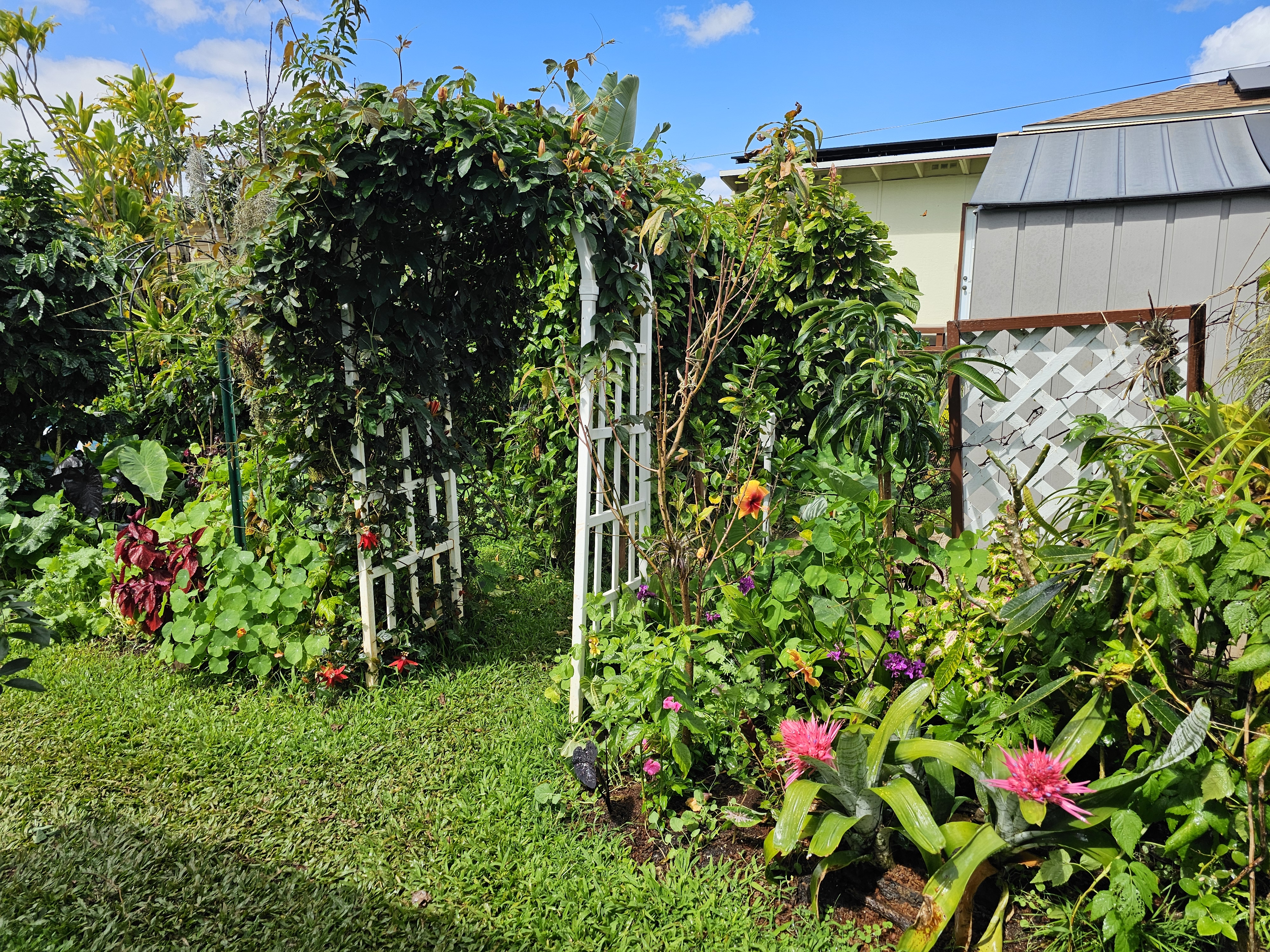
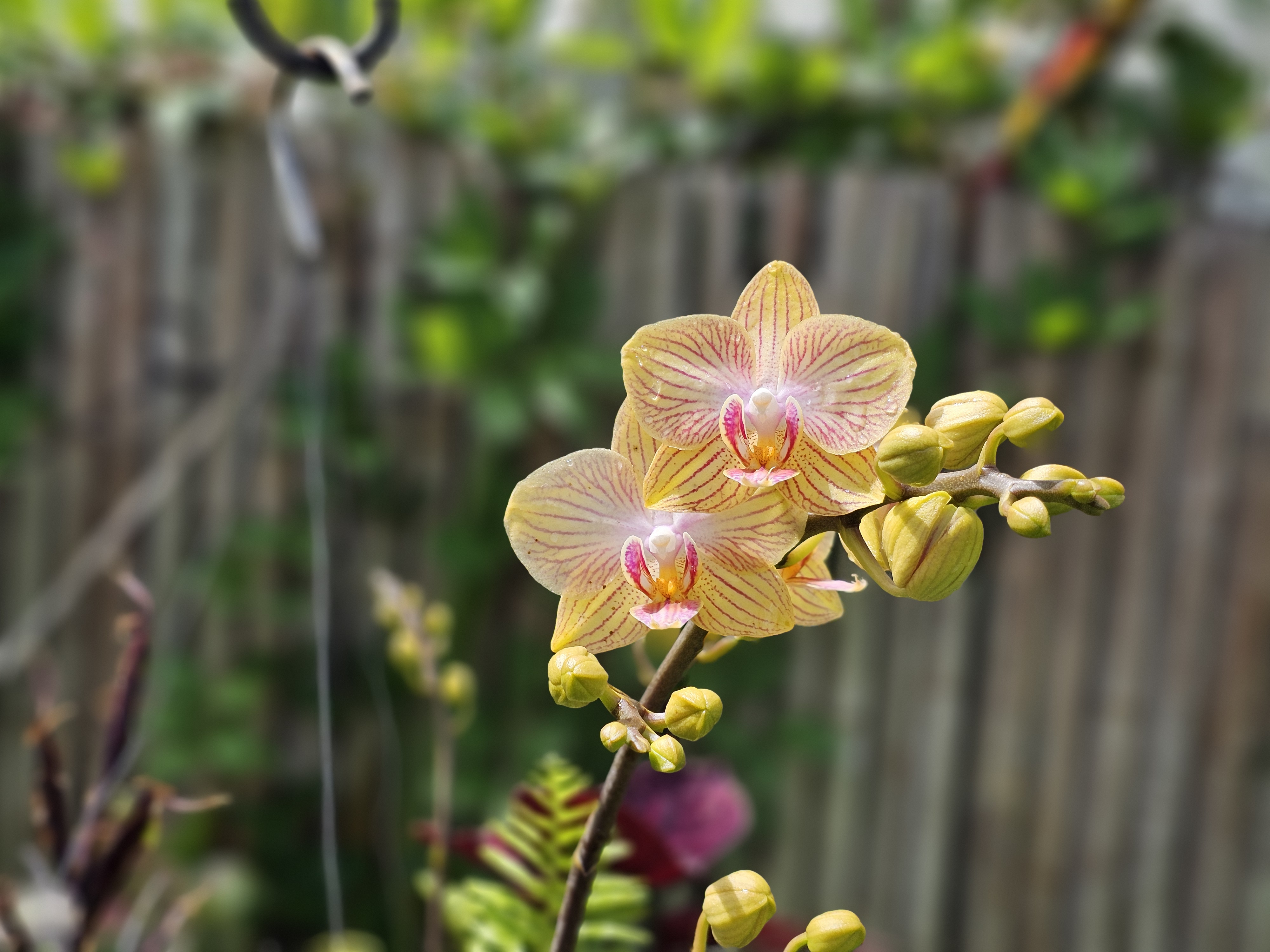
In Hawaii, it’s cool enough that there are less bugs and diseases. Yet, it stays warm enough that everything seems to find it the perfect home. The juxtaposition of tropical plants growing side-by-side (or occasionally on) cold-weather plants is what I enjoy the most. I like to joke with my family in Oregon that gardening in Hawaii is just silly, because I have orchids on my peach trees and snow peas next to my dragon fruit.
When I was in Arizona, I remember struggling to convince oranges and hatch chilies to grow. Seeing everything wilting in despair on hot summer days made me feel like I was a terrible gardener. Yet, it really was the harsh environment that was to blame.
Perhaps I should have settled for a cactus garden and just learned to eat prickly pear.
The key to gardening anywhere really is learning what grows in the specific environment that you find yourself in. In Oregon I found that strawberries had no interest in the soil in my adopted mother’s yard. In Hawaii, my micro-climate is too wet for gourds and melons. Even in places where most things grow easily, there will be plants that refuse to cooperate with you.
So, what are my favorite things that grow in the mountains of Oahu?
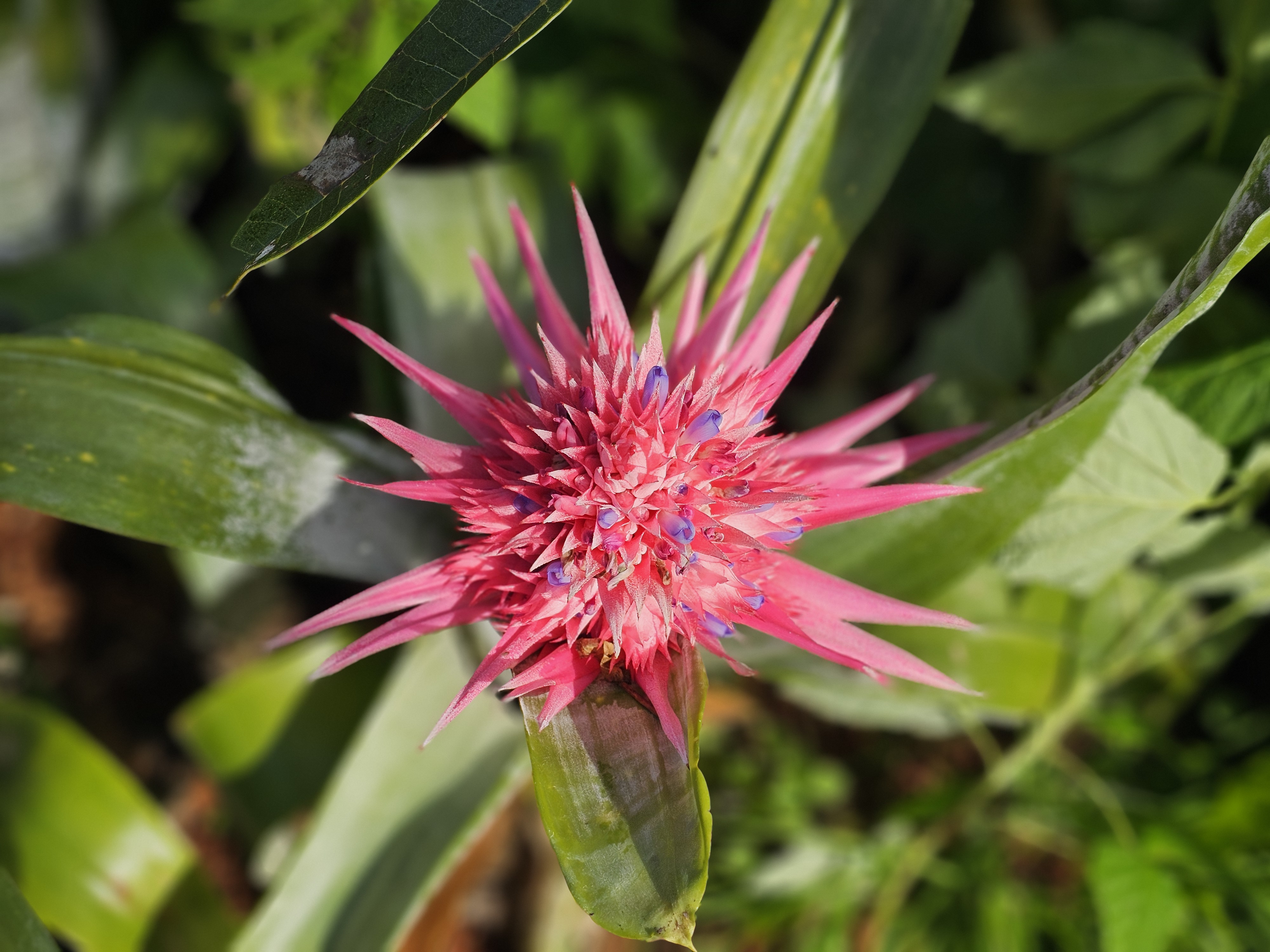
I am not generally a fan of bromeliads because mosquitoes like to breed in all the places they’ve evolved to trap water. Still, if you’re going to have a bromeliad, the Star Bromeliad certainly is pretty. For those of you who are geeks, this is the plant used in my Star Trek: The Next Generation episodes.
I’ve also collected several varieties of lilikoi (passion vines). There is a red variety that is particularly striking, but they are all beautiful. Lilikoi is actually my favorite flower, though telling people that as a kid made it a bit too obvious that I was a book worm who didn’t spend enough time outdoors around the plants more local to me.
The flowers aren’t all for looks. They provide a necessary pop of color that attracts birds, bees, and butterflies. You need to stay on good terms with your local pollinators if you want to get the best quality fruit!
So far, I’ve had great success with mulberries and a gem avocado. My Georgia Peach seems to feel at home here, and I have a variety of heritage raspberries that are very happy. It does not get cold enough -even up here in the mountains- for my cherry tree of my apricot tree to have fruit, but they still blossom in spring, so that’s enough for me.
I also grow several varieties of Hawaiian Kalo, and I have an endangered Hawaiian palm that I’m spoiling as best as I can. Hibiscus love it here, and so does everything you could ever want in a salad. I’ve got spinach, radishes, and about eight kinds of lettuce. The carrots find the volcanic soil agreeable, but too dense to grow down. They come out of the ground when they’re ripe looking like potatoes!
Dragon fruit is also a very popular thing to grow in the islands, and it’s like playing Pokemon trying to catch them all.
Honesty time: I’ve never watched Pokemon or played any of the associated games, so all my knowledge comes secondhand from the husband. But, they’re lots of small creatures that you catch and collect, right? Dragon fruit are the tropical gardeners version of that.
As lazy person, I mostly hunt down self-fertilizing varieties, which tend to have white flowers and fruit with pink or white insides.
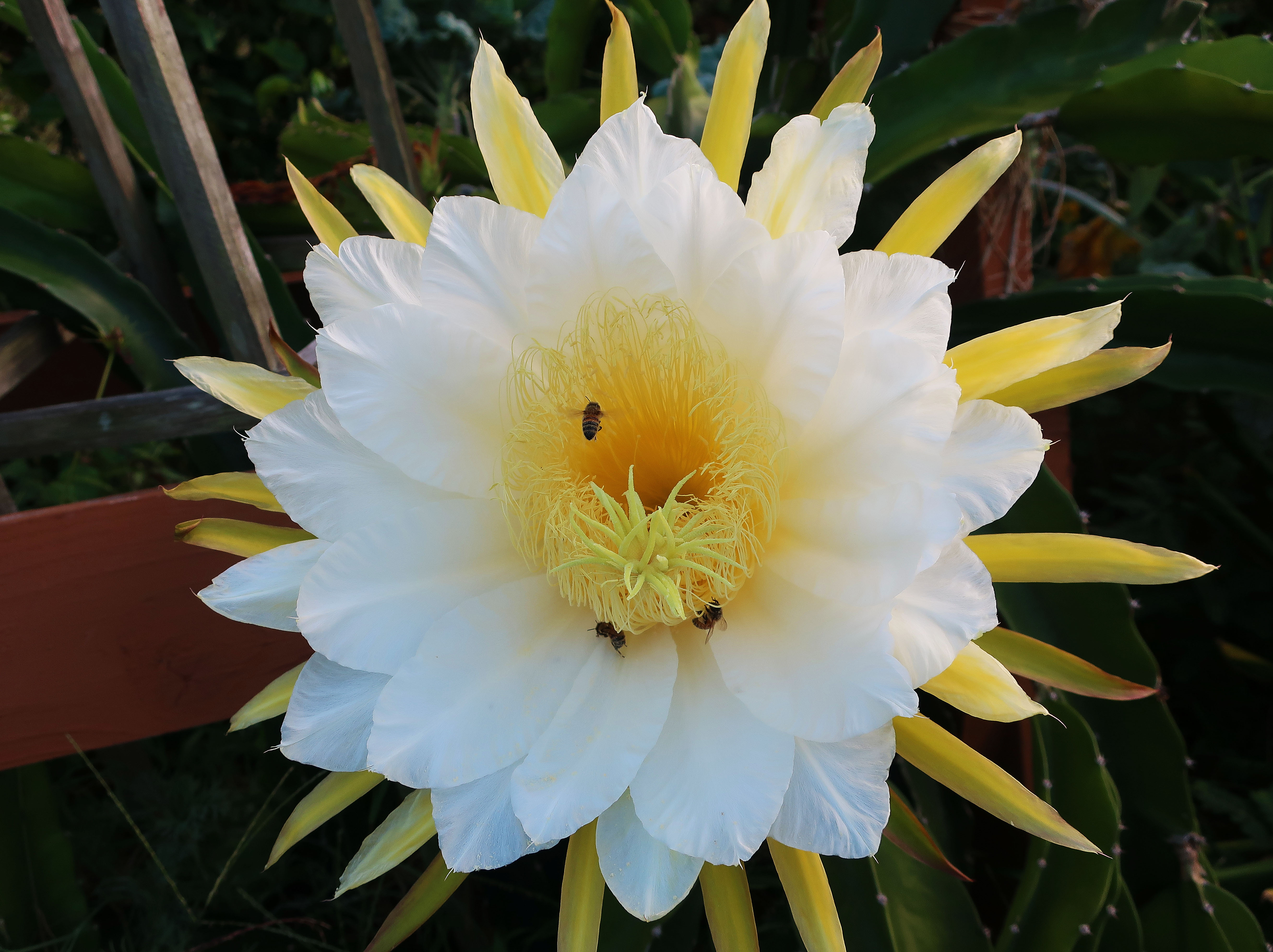
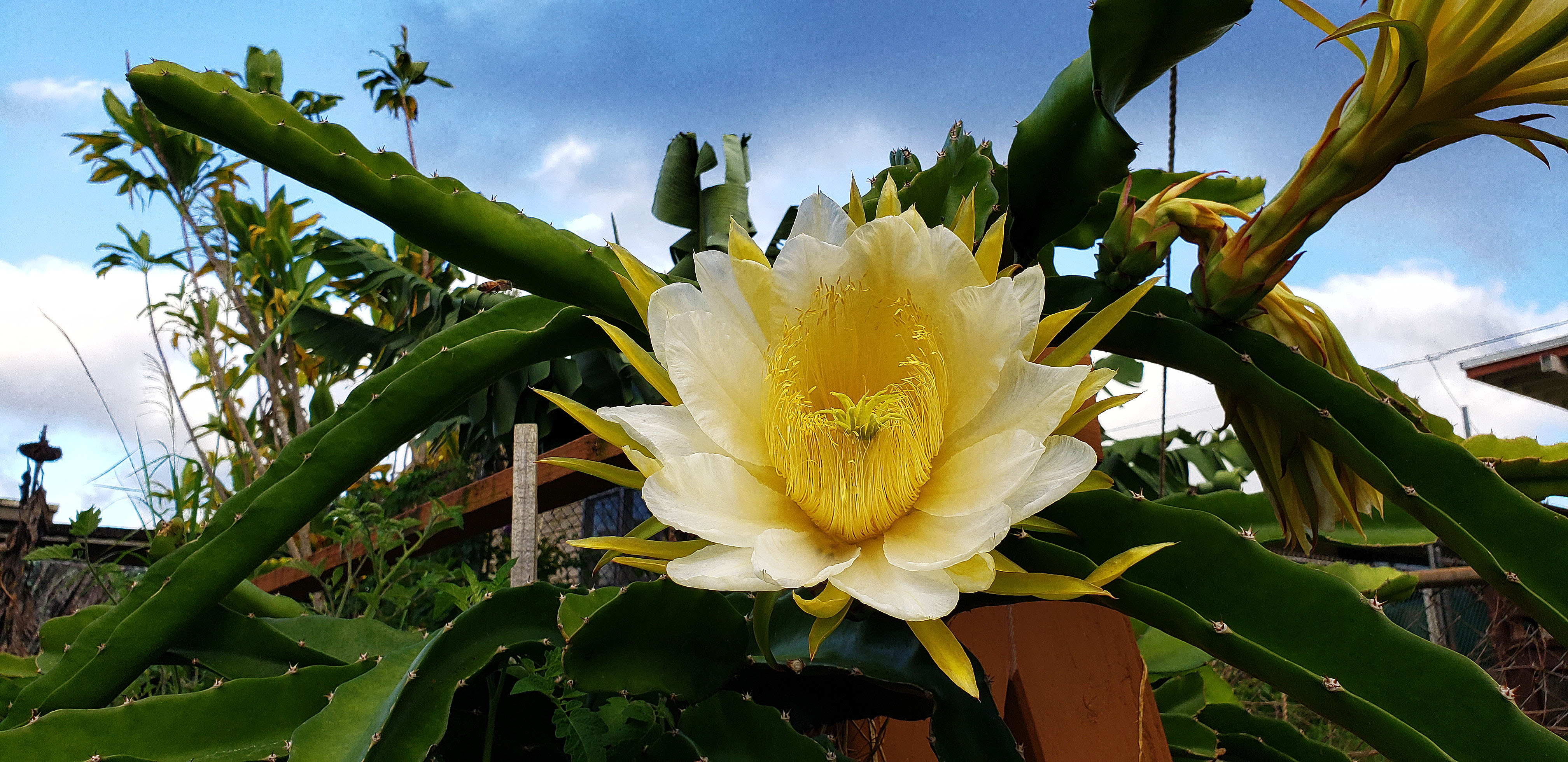
However, I have a yellow variety that must be hand-pollinated, and a Bruni dragon fruit because its flowers are a purple/red color and they’re really pretty.
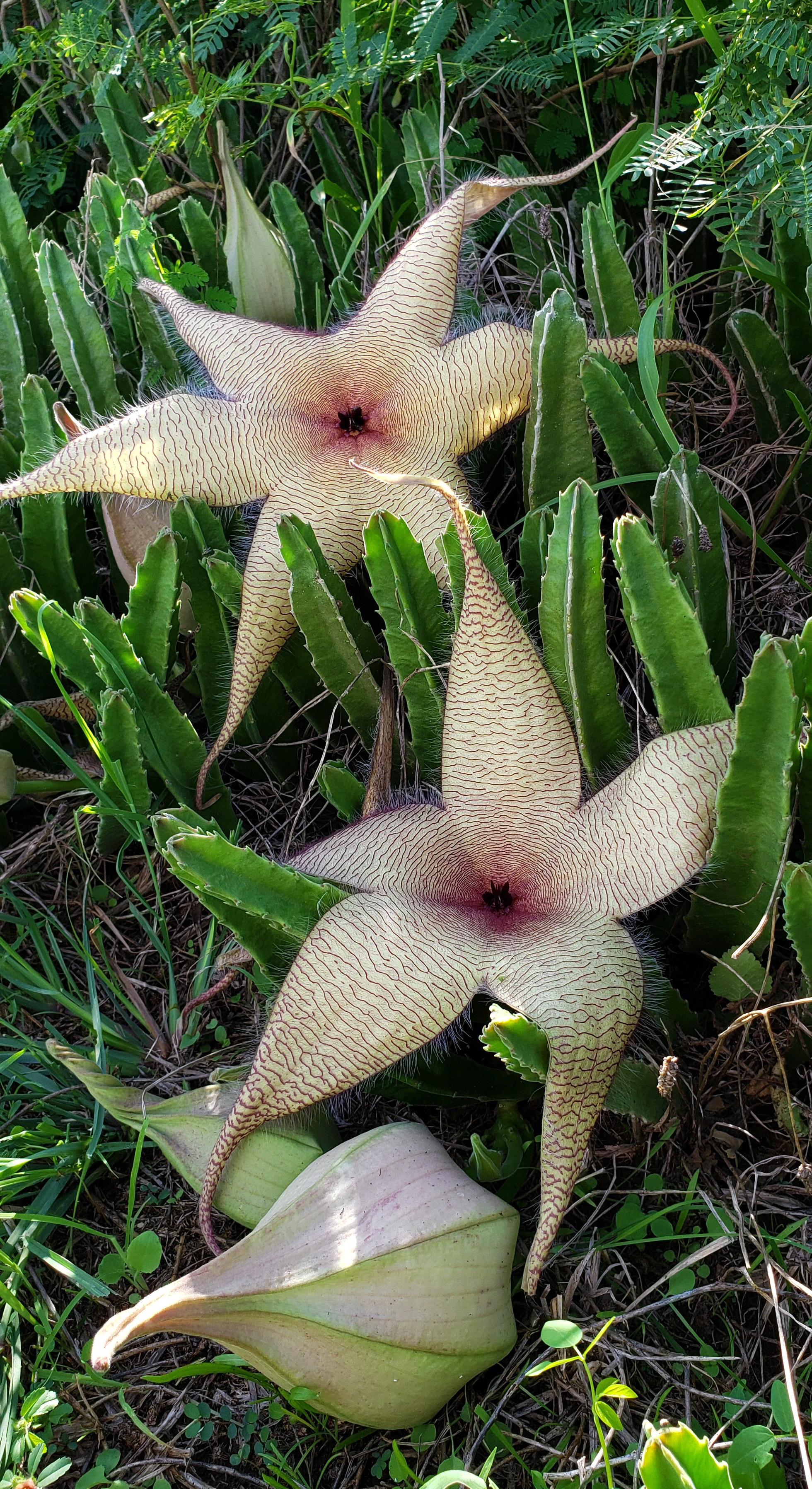
With nothing around for scale, it might be easy to imagine these flowers as something you might find in a bouquet at a florist. However, they’re actually between 12 and 18 inches in diameter, making them almost comical to stand next to.
The fruit was not common in stores when I was younger. Now that the world has become a more global place, you can find dragon fruit in most grocery stores. It tends to be the kind with the white flash since they contain more pectin and therefore ship with less bruising and crushing. As to which variety tastes best, every gardener I meet here has a different opinion.
The most interesting thing about gardening on an island is that a plant that will thrive by the ocean will die of powdery mildew up here in the mountains. And, a raspberry that loves it up here with me will wither and die at lower elevations.
Most volcanic islands like Hawaii have a tropical side and a desert side due to the way weather moves around mountains. We are right in the middle, so we tend to get the best of both worlds. It likes to rain every morning, and then clear up by noon. For those who aren’t a fan of bright light early in the morning, this is your paradise.
Although I utterly failed at growing a saguaro here, I have had luck with several other varieties of cactus. While cactus tend to drown up here, the leeward coast is full of various varieties of cactus imported here from deserts around the world.
The import laws are strict now. That’s a recent development meant to prevent invasive bugs from making it here. In the 70’s, you could import pretty much anything. Protea became very popular in Hawaii, though they hail from South Africa originally. They’ve been here long enough that I’ve heard locals call them Hawaiian volcano flowers when talking to tourists. I enjoy how anything that takes root here becomes Hawaiian, regardless of its origin. Just think of malasadas and ukeleles. Sure, they’re Hawaiian now, but 100 years ago they were Portuguese.
This really is an amazing place for plants -but no matter where you are- you can always find something neat to grow. Happy gardening!
My pet ducks have an Instagram. Leading up to the election, I made campaign signs for them as a joke. Honestly, I would have been happy if Catarina and Chaos Duck went to the White House. They ran a good campaign. (Worms for all! Fish at bedtime! Everyone gets their own cage!)
Instead, Donald Trump was elected President.
Maybe the new privacy policies would have happened either way. I can’t say. What I do know is that my Facebook accounts were flagged as “having the potential to reach a lot of people,” and I was told that I needed to turn on “advanced protection” features in order to keep them.
I clicked the link to read what “advanced protection” meant. It meant two things:
1. I would have to agree to the new “advanced protection privacy policy” that would force me to let Facebook to hot mic my phone, track my location, and monitor all my internet usage on every website and app.
2. I would have have to prove my identity, and then use a 2-factor authentication service like Google Authenticator each time I logged in to Facebook.
That’s scary, but it’s not surprising.
Way back during my first year in South Korea (ah -my younger days) I used to hang out at the Military Intelligence bar in Anjeong-ri outside of Camp Humphreys. I remember folks telling me that someday they would track everything you said or wrote, and artificial intelligence (AI) would screen for key words the government didn’t want you saying. If you said or wrote any of those key words, a human would review your content and then the FBI or some other serious men in suits would visit you.
I guess we are now through the looking glass and into the part of the story where things get surreal. Although now, it looks like it’ll be drones instead of the FBI, and more “Jennifer Government” by Max Barry than “1984” by George Orwell.
Keep in mind, I don’t talk about anything illegal or do anything illegal. I’m a home owner who spends most of my time maintaining my house. I have pet ducks who are semi-famous on Instagram. I work for the government. So does my husband. We vote. We pay taxes. We should be considered “model citizens.”
Of course, I haven’t been a saint.
When it came out that the National Security Agency (NSA) was recording all the phone calls that Americans make and flagging them for key words like “bomb,” I would joke about it on phone calls sometimes for fun. Small acts of rebellion, you know? I would say that I’d never bomb anything, and that I didn’t think people should assume that everyone of Middle Eastern descent was a terrorist. You see, I wouldn’t say anything bad, but the key words were there. Some poor schmuck at the NSA would have to listen to my boring phone call to make sure I wasn’t planning anything nefarious.
However, this new censorship -in the form of “enhanced privacy” policies- isn’t being done by the government. It’s being done by corporations.
Maybe the corporations and the government are coordinating. Maybe their interests simply align because campaign contributions are all politicians care about and money is speech now. I don’t know. But, I know I won’t consent to a government or a corporation accessing my location, everything I say, and everything I do on my phone.
I have no doubt they are doing these things, but let them do it illegally if they insist on doing it. They won’t get my consent.
I know most of you already have bugs in your homes. Smart TVs, Alexa Devices, Roombas, and all manner of technology with user agreements that include lines like: “You consent to the corporation using your speech to train word recognition software in order to enhance the user experience.” (Which means: To listen to everything you say.) I just feel more comfortable without all that stuff in my house.
Side Note: I like when people first visit my home and try to figure out where the TV is. Surprise! There isn’t one.
If you think not having a TV is bad, wait until you hear about how I like to go to the beach and leave my phone at home. I go to the beach to swim. Leaving my phone in the car would only invite people to break in. Leaving it the hot sand seems like a bad call, too. So, I leave it at home. All by itself. I also leave it in the house when I am gardening so it doesn’t get muddy, run to the store without it, and spend entire days not checking it. If you’ve known me a long time, you’ll know that I:
• Resisted getting a cell phone for years after they were widely available.
• Resisted getting a Smart Phone until my elementary school students bullied me into it in 2012.
• Have never used Uber or any similar service. Guam was too rural for such things, and so is my home in the mountains in Hawaii.
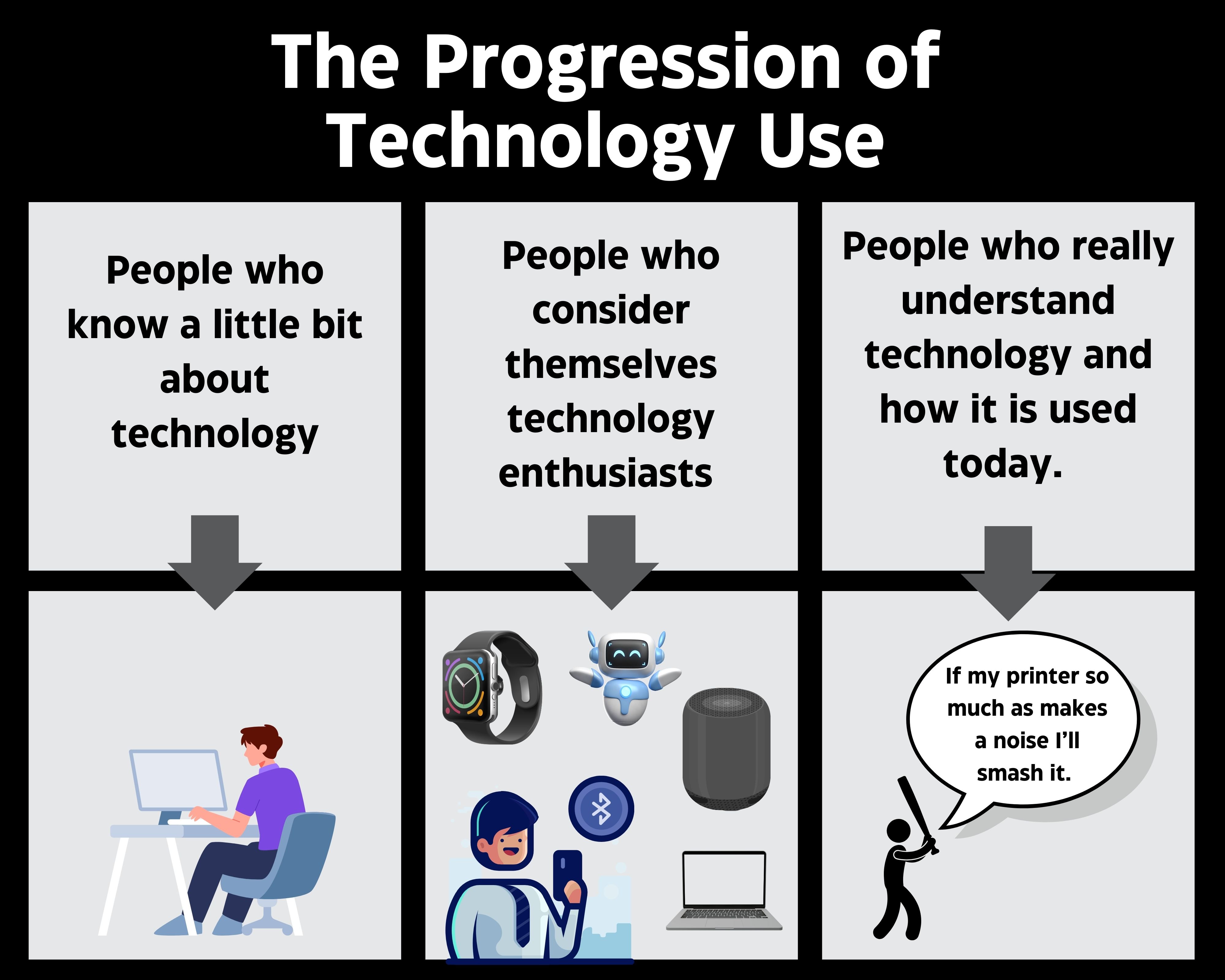
• I’m not a Luddite. I had a BBS back in 1995 when it was cool. I learned to program in HTML and CSS as soon as the internet became a thing. I love my laptop and my phone. I’m just cautious of technology and how it is used by people, governments, and corporations.
I mean, aren’t you afraid of how they transitioned search engines from an algorithm that indexed information available on websites into an AI-driven bit of programming that can return you the results that corporations want you to have?
The internet has become extremely censored, and it happened overnight. I feel like almost no one noticed.
Anyway, my social media accounts were all flagged as problematic because I complained about corporations not paying taxes, about how they were artificially inflating prices, and how they were buying up all the single-family homes to prevent US Citizens from becoming home owners. Basically, I was complaining about corporations doing the things that they are actually doing. Since they don’t want you to think about those things, they flagged my accounts. Just like that, I was banned from social media (though hilariously, the ducks were not).
I sort of expected this to happen a little at a time. I wasn’t prepared for the entire country to just become censored within the span of a few months. Also, I thought it would be the government censoring things, not corporations. I admit that I was wrong about who and how. I just wish I was wrong about it happening at all.
Maybe I’ll start blogging more. Maybe I’ll hole up and write a few more novels. I don’t know. All I know for sure is that I won’t be on Facebook or other social media because saying things about how corporations are squeezing the working class and manipulating the government will get you banned.
Look me up on Instagram, because ducks never complained about the profits-over-people attitude of US corporations, so they still have an account. WordPress may also censor me for this, but here is a graphic of the things I said on Facebook that got me flagged as a radical.
My long-time friends might have no problem seeing me as a dissident. After all, I used to be a journalist. But, I guess we all assumed I’d be a government dissident, not a government employee being branded as a dissident by corporations. Max Barry once signed my copy of Jennifer Government at a book store in Phoenix, and I hope someone tells him that he was right all along about the US. You hear me Max? You were right.
We spent our first year after we bought our house just doing renovations. But, this year we had time to do more things. We took our ducks on a lot of great adventures, and we enjoyed the island as much as we could.
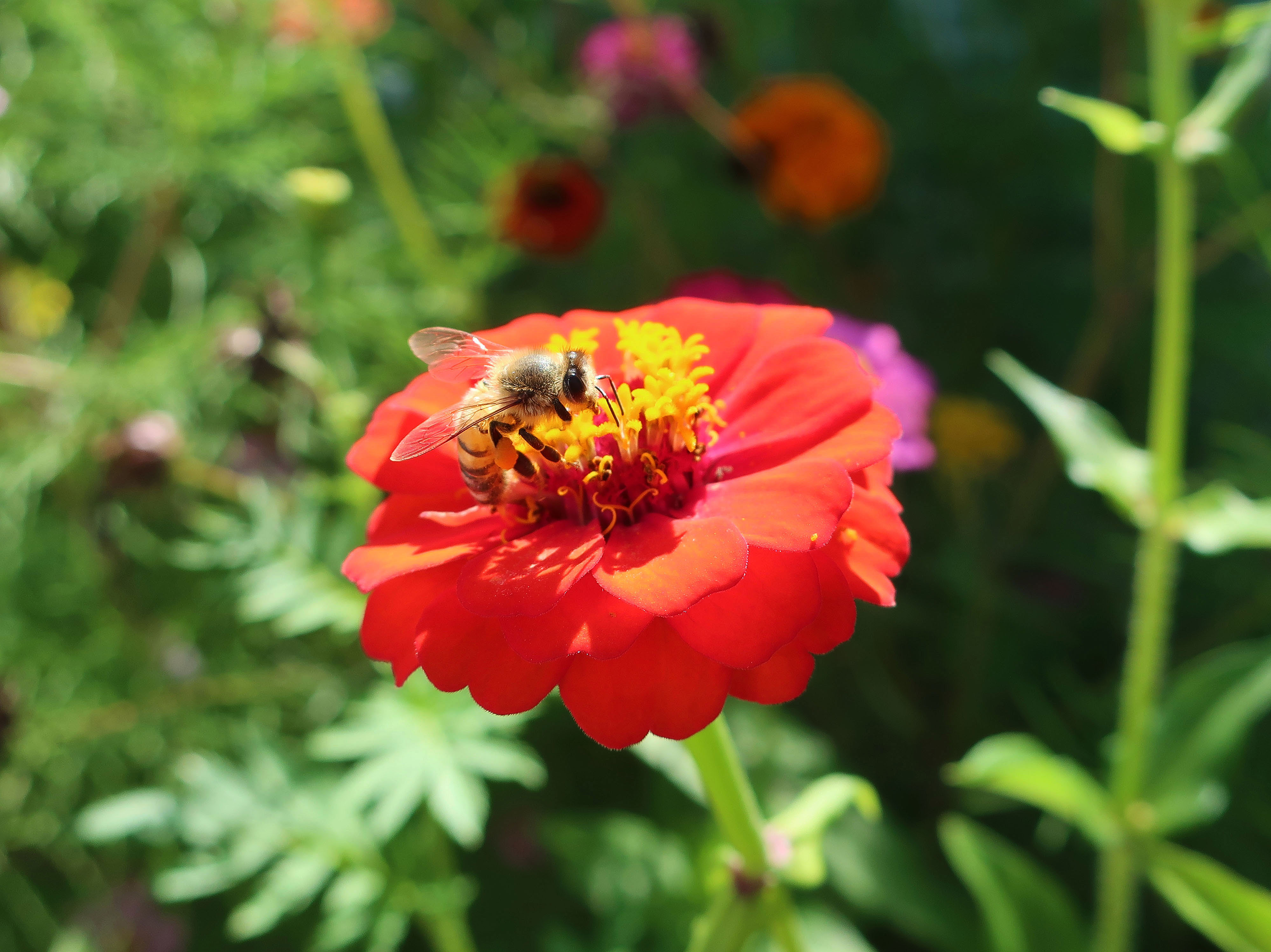
We planted a lot of flowers to help feed the bees. It was fun watching them collect their pollen and head off to make honey.
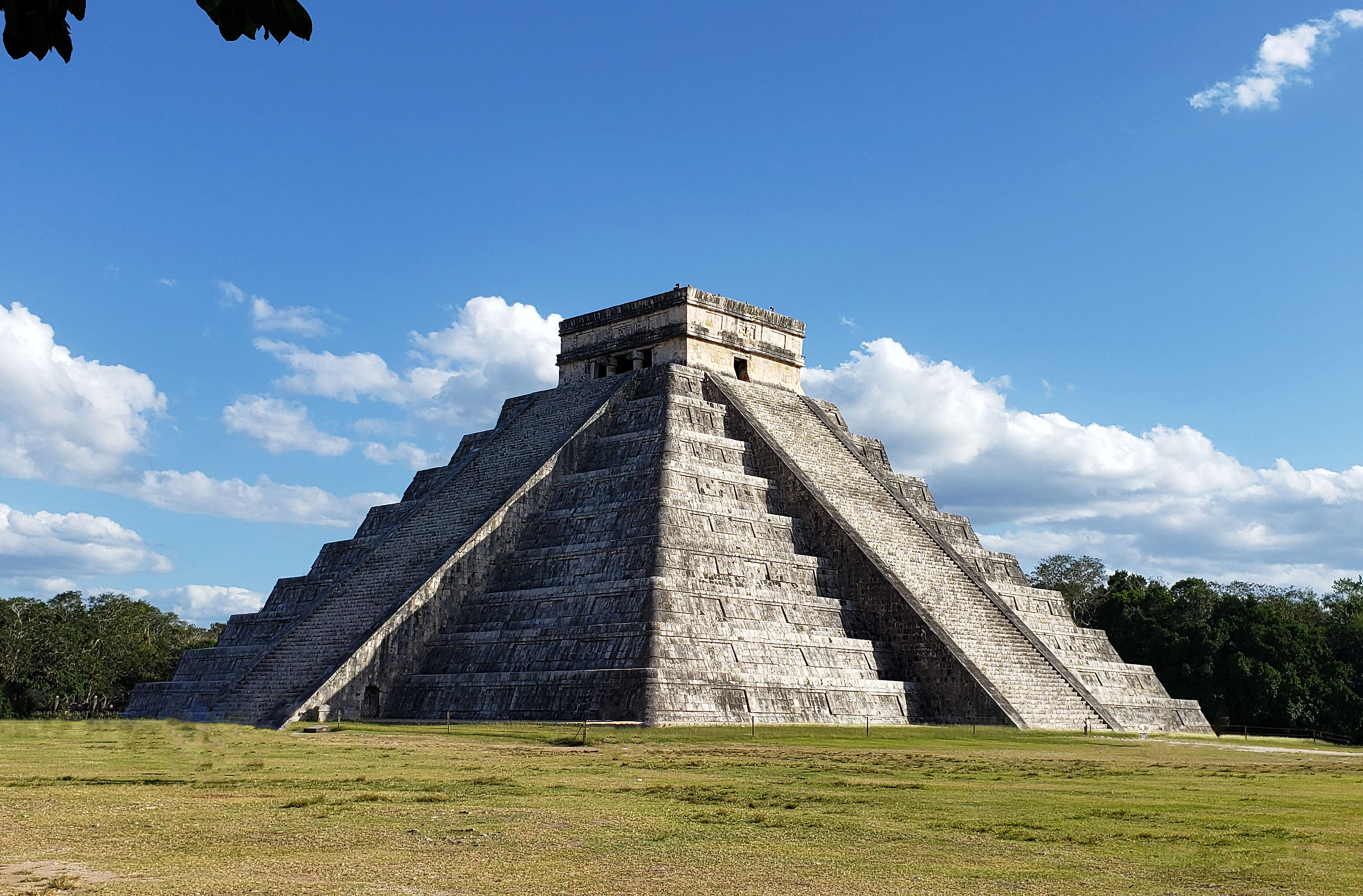
I went to Mexico for some dental work. While I was there, I got to see Chichén Itzá. I have always wanted to see it, so it was pretty cool.
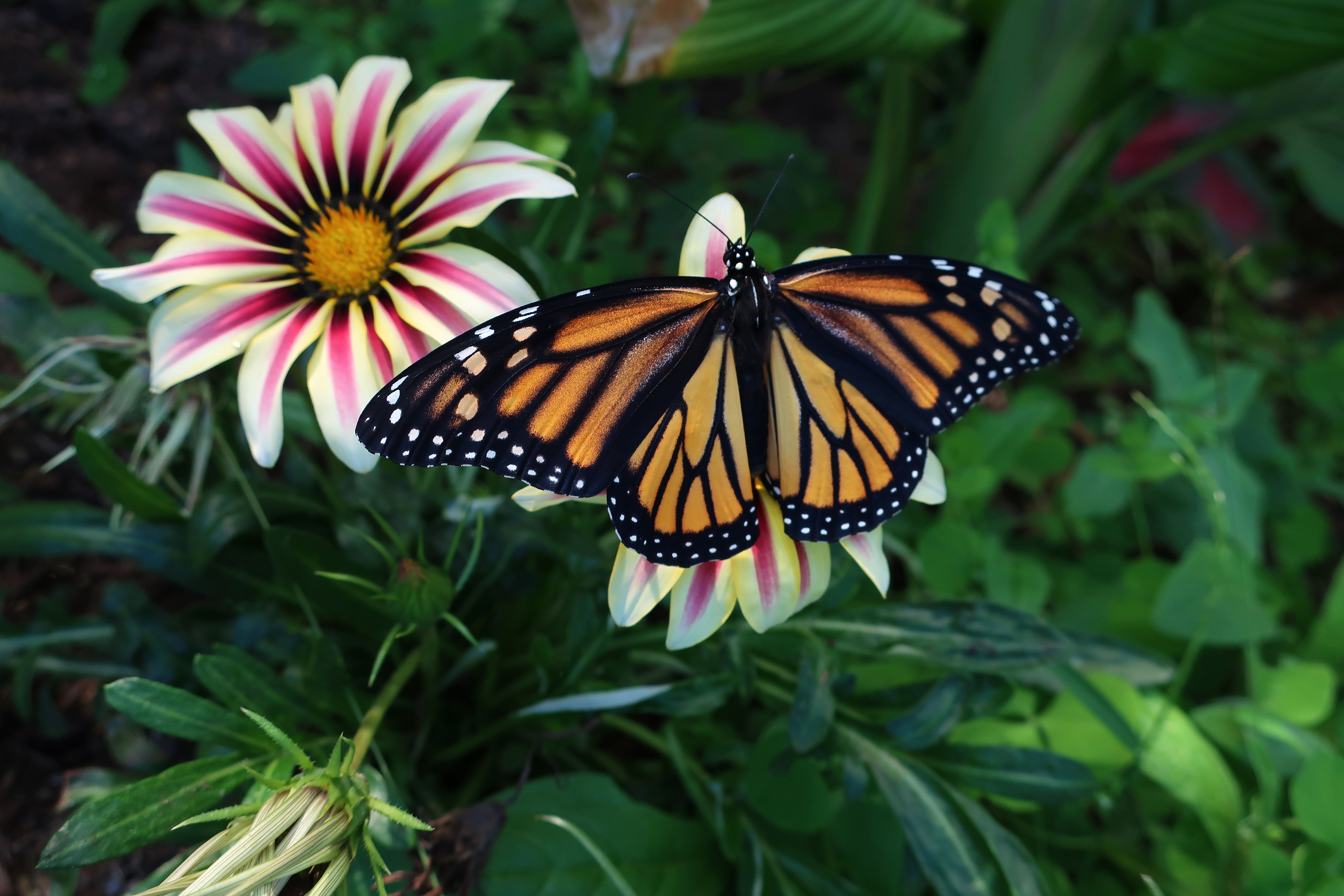
We also planted milkweed and raised Monarch caterpillars. Monarchs are endangered and nearing extinction. Planting milkweed and helping protect young caterpillars is a great thing you can do to help!
It was our garden’s second year, and our dragon fruit finally started making us some food. No fruit on the trees yet, but we are getting closer. Of course we also still have our vegetable beds, too.
We still snorkeled when we could. Rich can’t swim in the winter because he has warm-water hypothermia. But, we can snorkel in the summer, so we do.
We are so grateful to still be able to get out and do things. It’s not as easy as it used to be, but we do our best.
When I’m not working, I spend most of my time taking pictures of ducks. Our ducks have gotten kind of famous on Instagram, and so I try to make sure to take lots of pictures for their fans.
I hope all of you have a happy holiday season and a joyful new year! We think of you often and we are sending love.
There is a separate fee for parking and entrance, but if you buy the membership then parking is free.
On the Southeast Tip of Oahu in the shadow of Makapu’u Lighthouse, you will find SeaLife Marine Park. It’s nothing like SeaWorld or an aquarium in the mainland. It’s a very small park, but it’s very important to Hawaii!
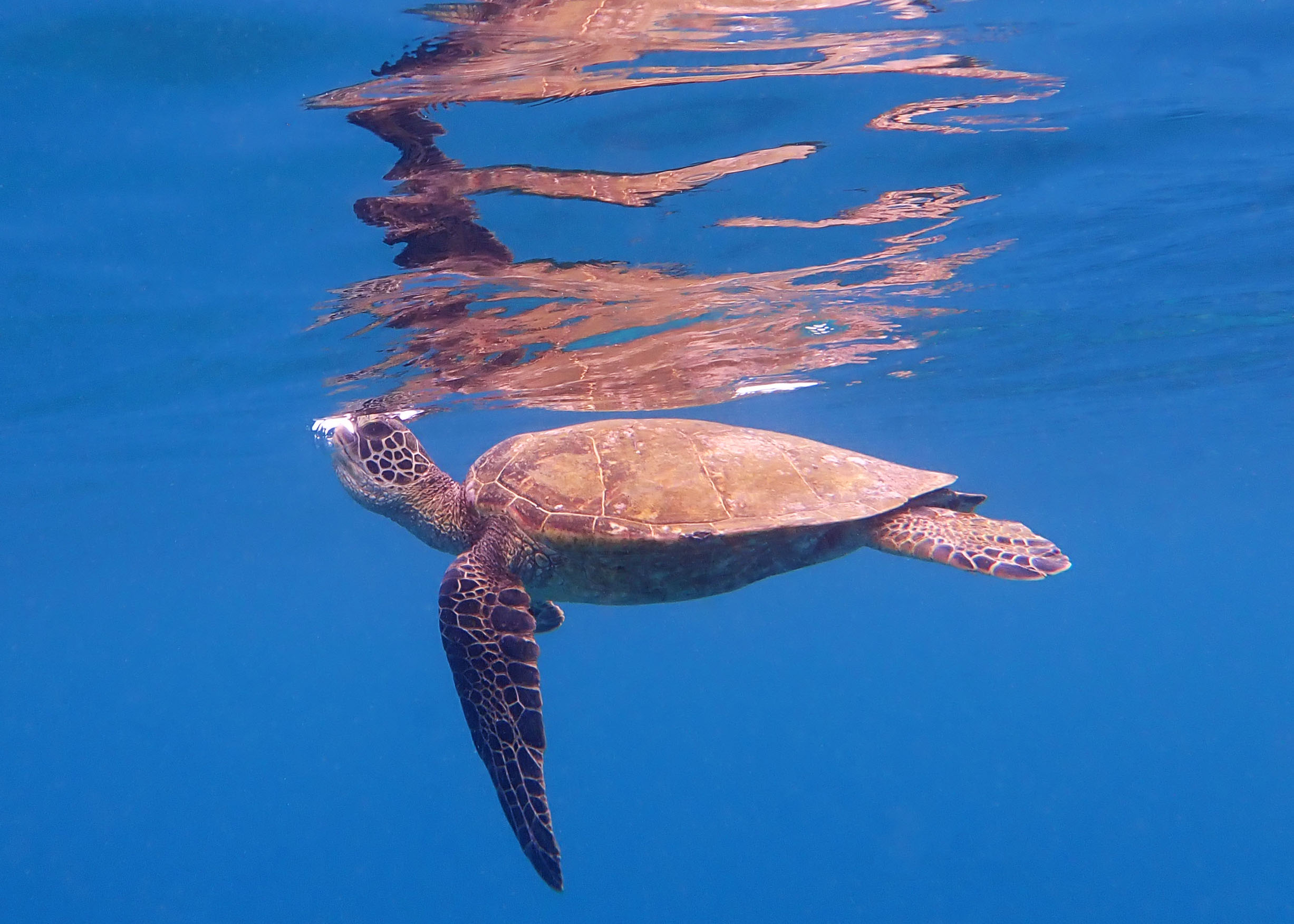
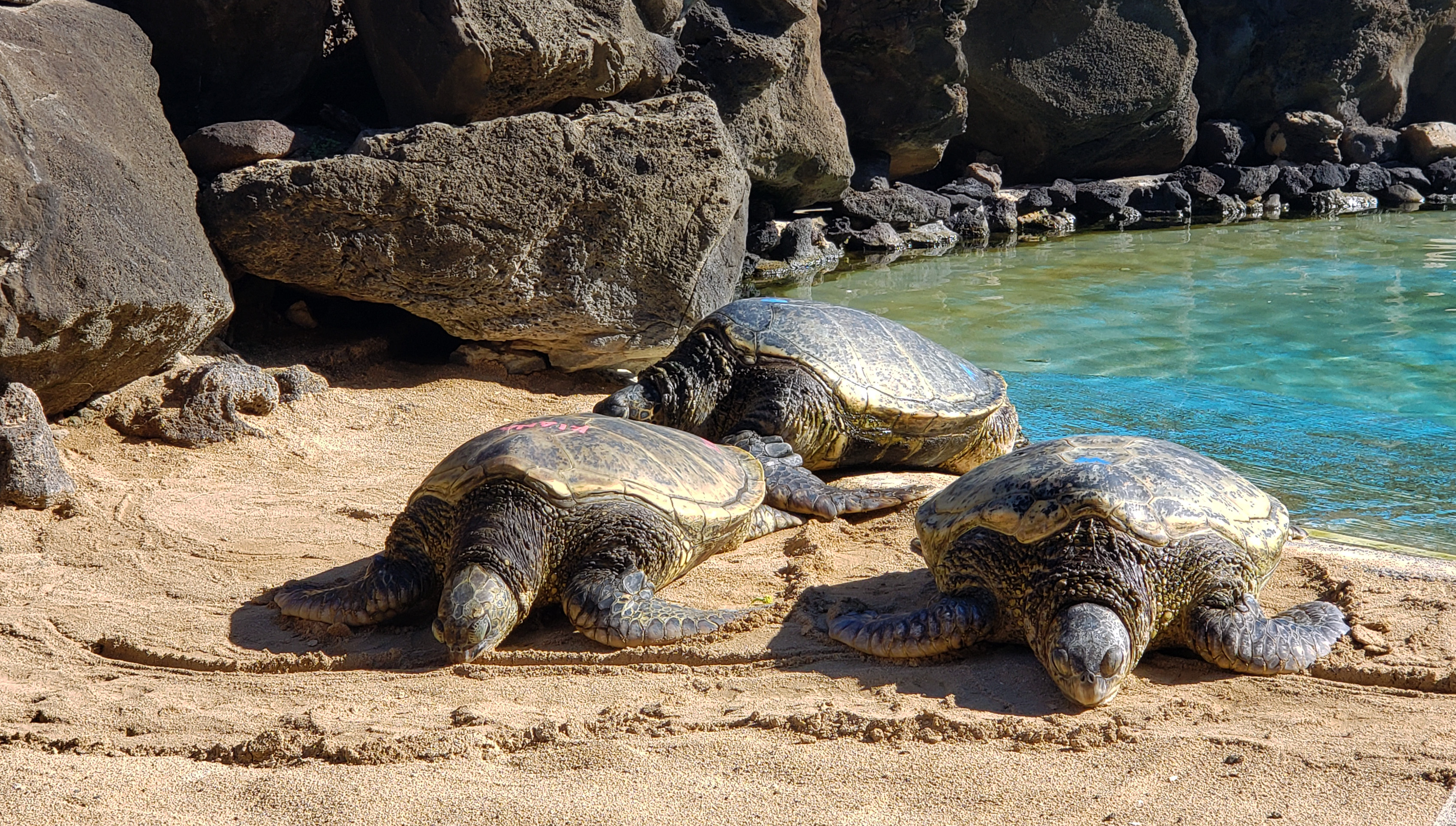
SeaLife Marine Park is the only place in the United States with a Sea Turtle breeding program. They breed endangered Hawaiian Green Sea Turtles, which are distinctly different than Green Sea Turtles in other parts of the world. Here in Hawaii, our turtles enjoy basking in the sand and coming out of the water to eat algae on land. This behavior has never been observed before in any other sea turtle. (Usually they only come on land to lay eggs.)
Turtles basking in the sand at SeaLife Marine Park. These are the adults that comprise the breeding program. All are rescues that have been at the park since the 1970’s.
In addition, the turtles here have been observed hunting fish, and eating different kinds of foods than Green Sea Turtles in other areas. That’s why right now, the folks at NOAA are fighting to get the Hawaiian Green Sea Turtle classified as its own subspecies.
The SeaLife Marine Park turtle breeding program is therefore very important, because without them, the population here in the islands would be in great danger. SeaLife hatches, grows, and releases hundreds of turtles every year. This supspecies was nearly extinct until the breeding program began. Now, there are an estimated 2,000 Hawaiian Green Sea Turtles! This isn’t as much as we would like to see, but it’s a lot.
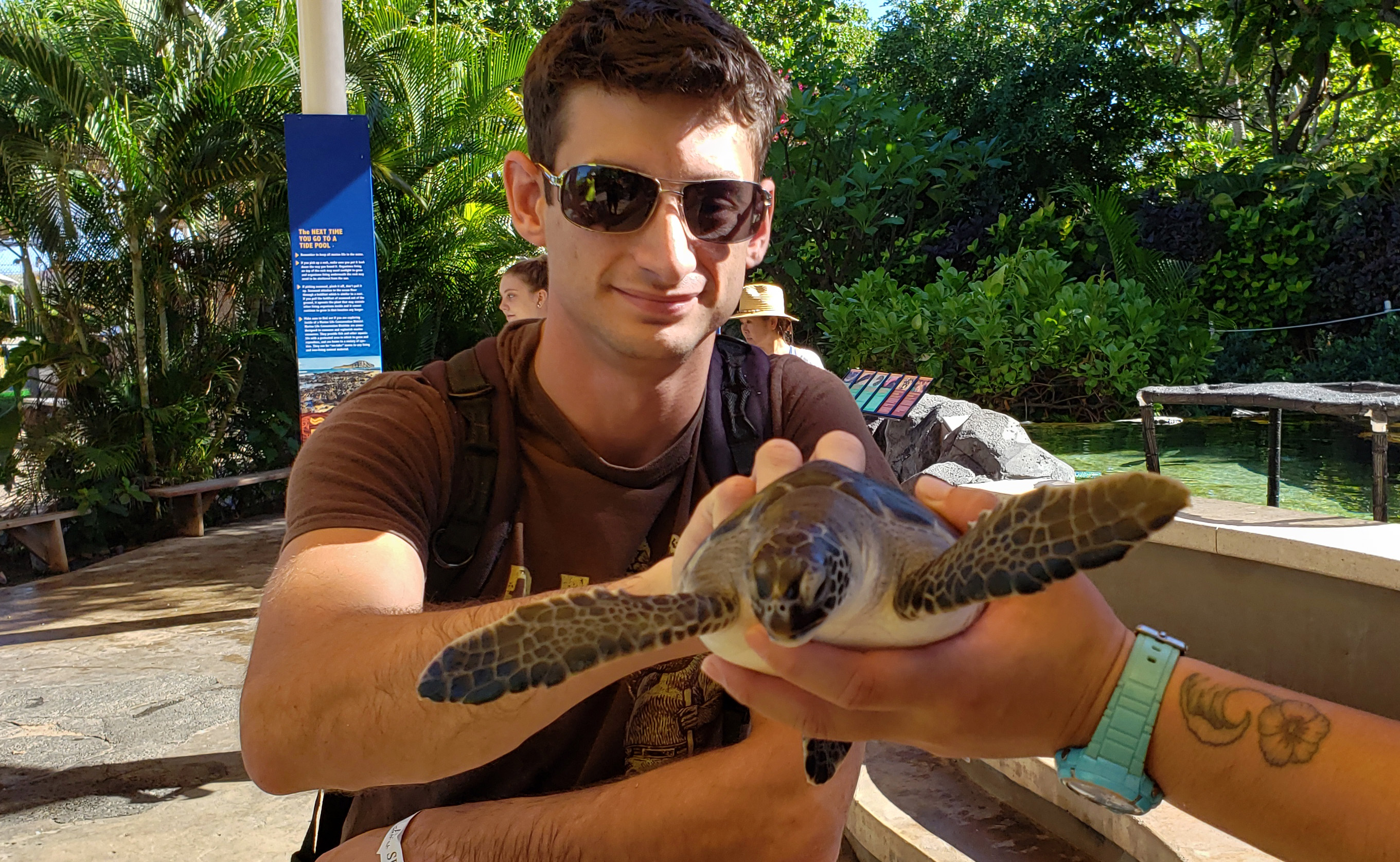
My husband Rich pets one of the baby sea turtles who is almost big enough to be released. Once they are released, they will be at the mercy of sharks and other animals who would eat them, but SeaLife gives them a good start so that they have a fighting chance.
I recommend that you visit the park or donate to them simple because of the importance of the turtle breeding program, but it’s not all that they do! They also rescue and rehab endangered sea birds. If you go, you might get to see a brown-footed boobie or a Hawaiian albatross! You never know what birds they’ll be tending to in their seabird rehab area.
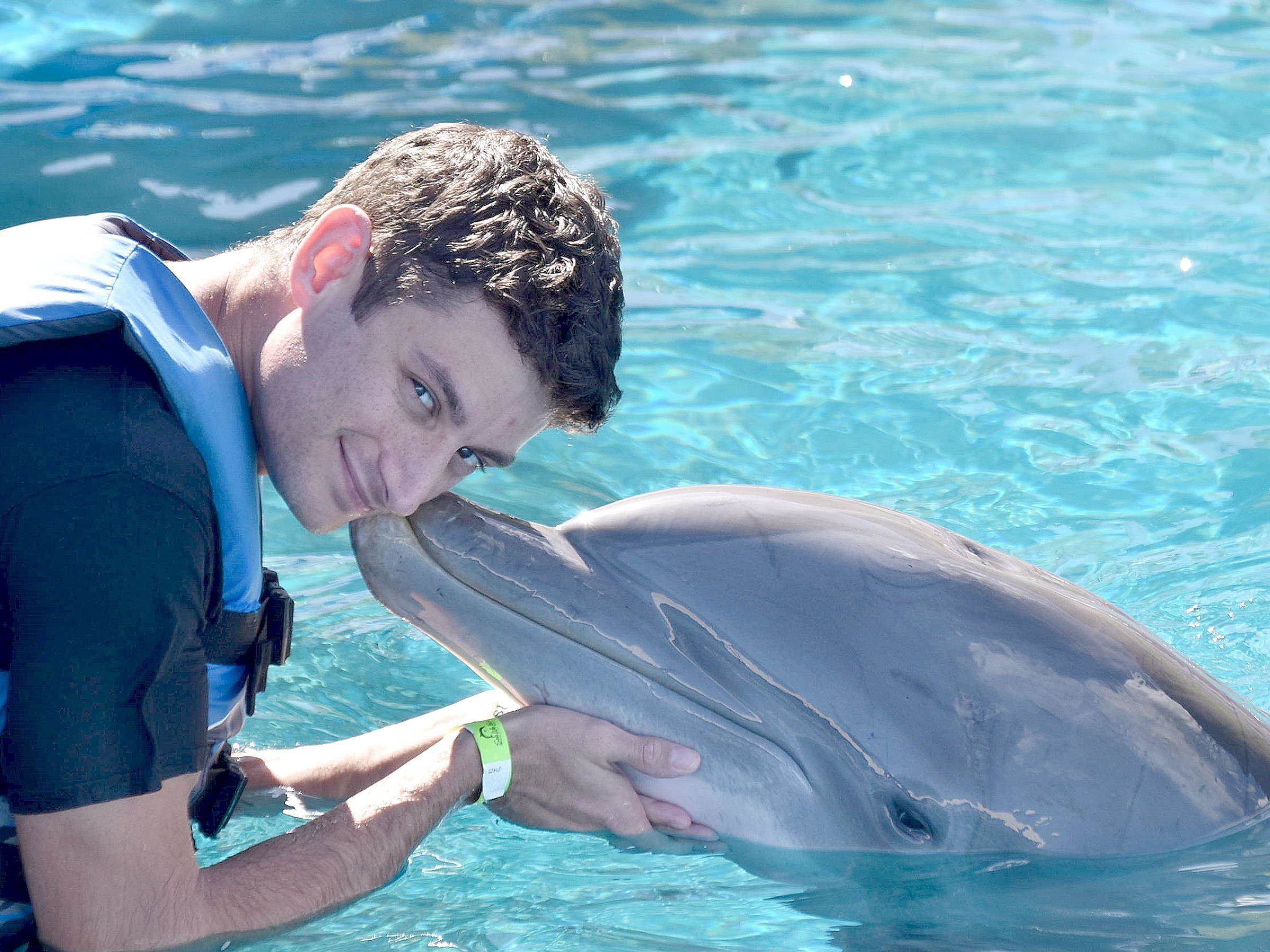
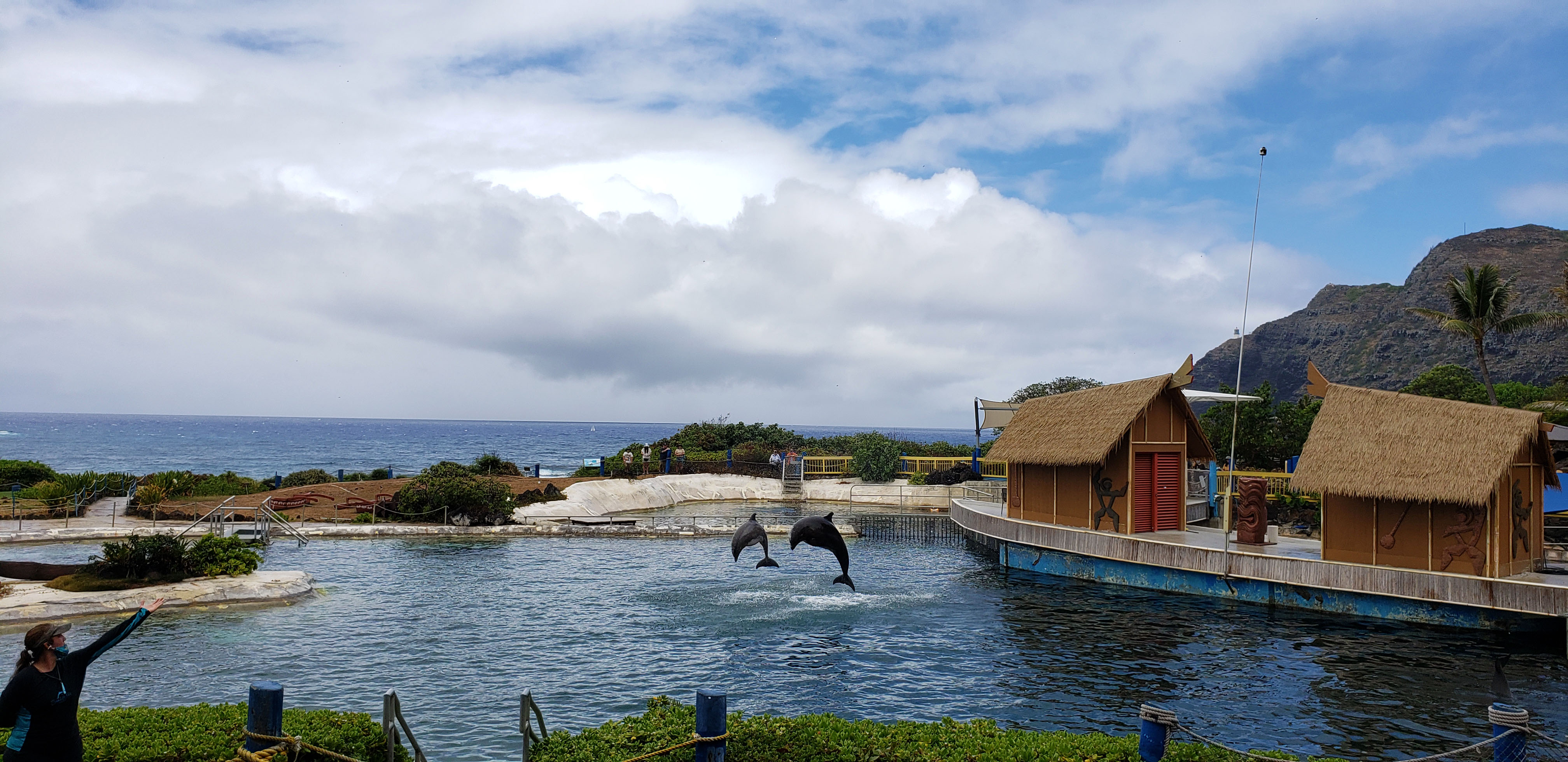
SeaLife also takes on dolphins who have retired from service with the United States Navy. What they did for the Navy is sometimes classified, but dolphins are used for all kinds of things like testing the affects of sonar on sea life and finding mines underwater. These dolphins now perform in the Aloha Dolphins show twice a day, and are available to swim with if you make a reservation and pay extra. My husband did the Royal Dolphin Swim Package and absolutely loved it.
My husband getting a kiss from a dolphin when he did the Royal Dolphin Swim. I highly recommend that you purchase the pictures when you buy the swim package. It’s very worth it.
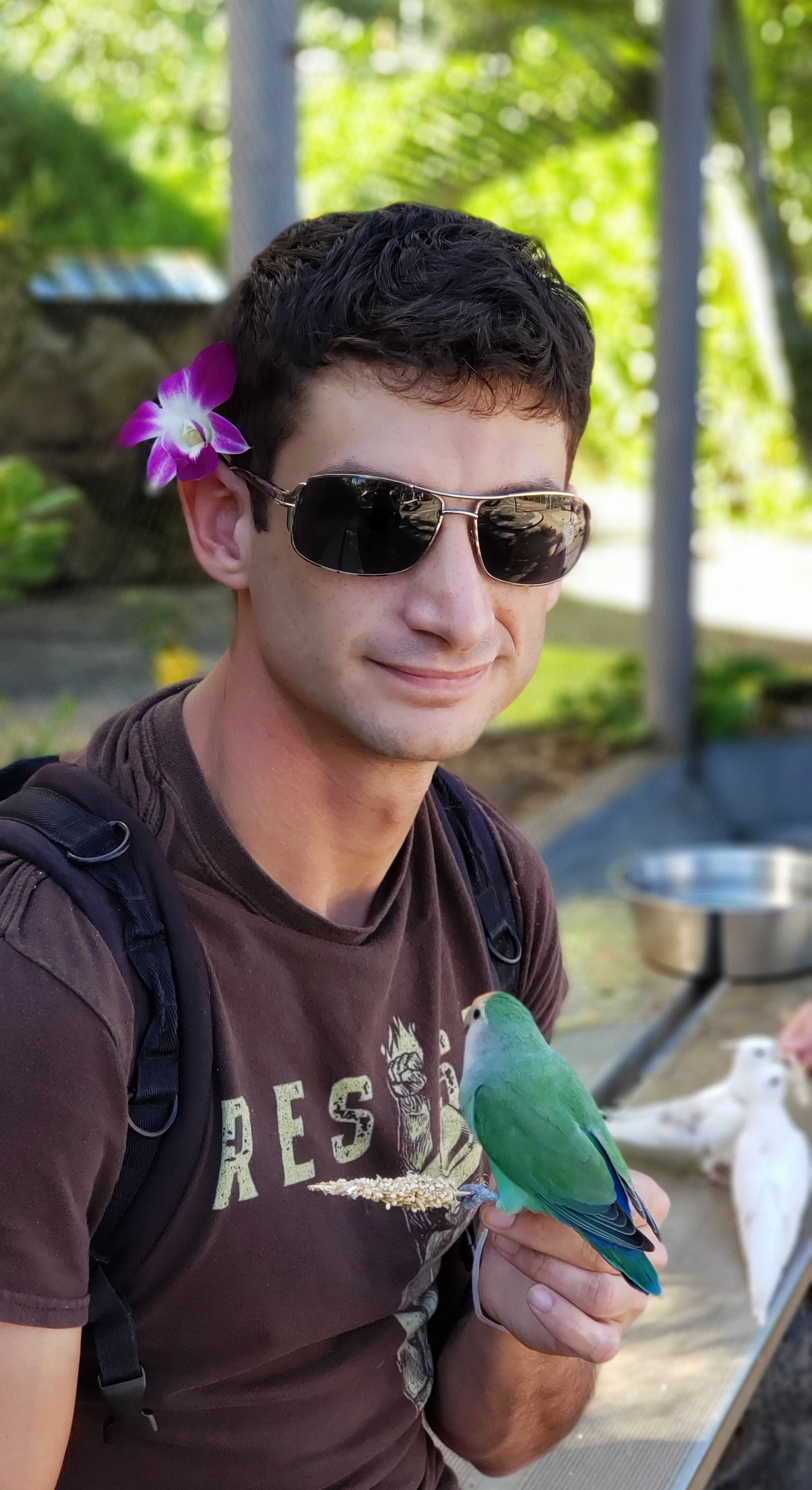
Another fun thing to do is go feed the love birds. I don’t know how this exhibit got started, but it’s fun to take pictures in the lovebirds enclosure because they are so colorful.
If you live in Hawaii, I recommend buying the yearly membership. It comes with perks like private parties for holidays, and discounts on all the merchandise, dolphin encounters, etc. It’s well worth the fee, and remember: You’re supporting a good cause.
My husband Rich in the bird enclosure. This is mostly lovebirds and a few others, and is different from the area with the rescued seabirds.
If you’re just visiting us here on Oahu, I still recommend you go. I know locals here in Hawaii appreciate when tourists take an interest in supporting our local land and animal conservation, and supporting SeaLife is a great way to do that.
It may not be a big, fancy park; but they do a lot of good and that’s what really matters!
The Aloha Dolphin Show, which is free when you pay to enter the park. Definitely don’t miss it!
I first did this hike in the winter when it was slippery and muddy. It’s not as beautiful in the summer, but it certainly is easier and drier.
There is no way to drive to Ka’ena Point. You can access the point from the North Shore side, or from the Waianae Side. To get there from the North Shore, take the H2 over the mountains and then follow the Farrington Highway to the end. To get there from the other side, just take the H1 until it becomes the 93 as it goes through Waianae, and follow it all the way to the end.
From the North Shore side, you can follow a road or a path along the coast. The coastal path is more beautiful, but it zigzags up to meet the road several times, so you end up walking a lot more than the three miles it is point-to-point.
From the Waianae Side, you follow a path that is raised up on a cliff. I like this side better because it has the little blowhole and striking views. However, it’s a splash zone in the winter and the spring, and it’s definitely more dangerous.
Once you reach the point, you open a gate and go into the wildlife preserve. Please remember not to let any animals in here, including dogs and cats. The birds that nest at Ka’ena Point build their nests in the sand, so they could be threatened by any animal that gets in, including a mongoose (who would eat their eggs.) Also please remember not to feed anything or touch anything, because we need to respect nature if we want it to continue to exist. Also, bring your biggest zoom lens, because you shouldn’t get close to wildlife.
Inside the preserve, there are several trails that you can follow. The state of Hawaii has provided lots of helpful signs to tell you about the plants and animals that live in the sanctuary, so stop and read about the many things you might see.
At the very tip of the sanctuary you can walk down a sandy hill and get to the point. It’s comprised of a combination of lava rock and coral chunks that have washed up, so the land is a striking contrast of black and white. Hawaiian monk seals love to come up on the rocks to rest and catch from sun. Please remember that they are an endangered species, and they are best viewed through binoculars or through the telephoto lens of your DSLR. Don’t get close to the seals, because you may startle them and force them back into the water before they have rested. This could lead to them getting eaten by a shark, and no one wants that!
This is one of my favorite places on Oahu because it’s typically very peaceful, and it offers so much beauty. However, even in the winter this hike can be hot and dry. You want to bring at least a gallon of water per person, and I’d recommend some snacks as well. Suncreen is a must, and long-sleeves and a hat would be smart. Also, it’s very windy at the point. Be prepared to hold on tight to everything that you have with you! I’ve absolutely had to chase my hat when it blew off, because the wind didn’t care about the strap that is supposed to keep it on my head.
Although the internet says that it’s three miles from either side to the point, I’d argue that the North Shore side is longer and offers a wider variety of terrain to navigate. Either way, it’s a six mile round trip at least. We started at 7am and finished at 11am last time, with lots of stops to admire wildlife and enjoy the views. You could probably do it in two hours if you were in a hurry, but you wouldn’t see nearly as much.
This is my favorite. Two albatrosses dance with each other to celebrate their chick (which is in the picture too, but well hidden.)
Remember: Last time I was there I saw tourists collecting rocks and shells. I know the urge to collect souvenirs can be strong, but if everyone did this then our island would be destroyed. Please take only photos and memories, and leave nothing behind. Also, I took these pictures with a point-and-shoot that has a 10x optical zoom. Stay 100 feet away from the animals. They need their space.
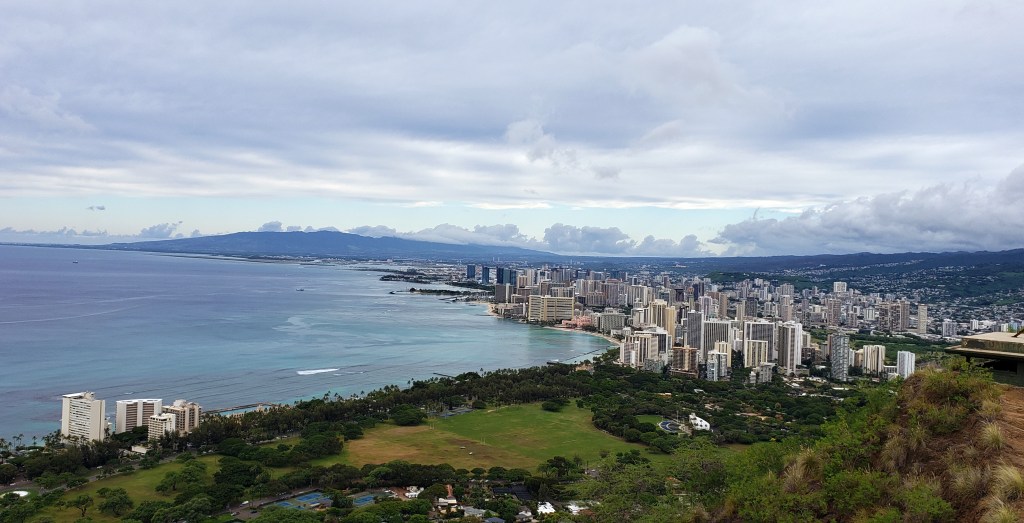
Most of the hikes on Oahu are a bit off the beaten path, but Diamond Head hike is not. It’s located in Honolulu, and it looks out over the resorts and the downtown area.
You drive up and pay $5 per car to park. You’ll get a ticket to put on your dashboard and a map of the park.
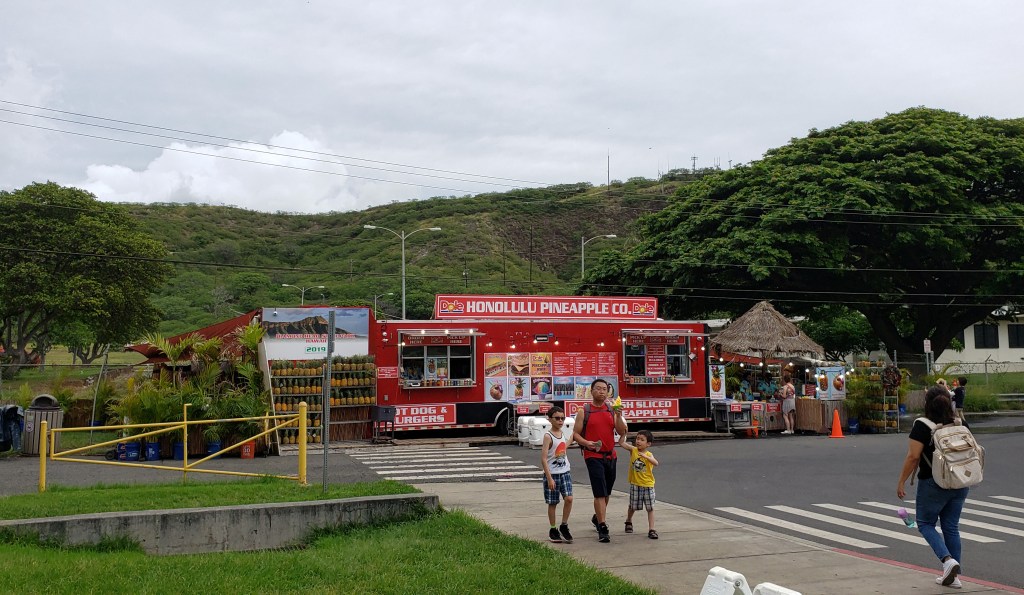
At the entrance, there are bathrooms, a gift shop, and a pineapple stand (where you can get those fancy drinks in pineapples that everyone always has pictures of.)
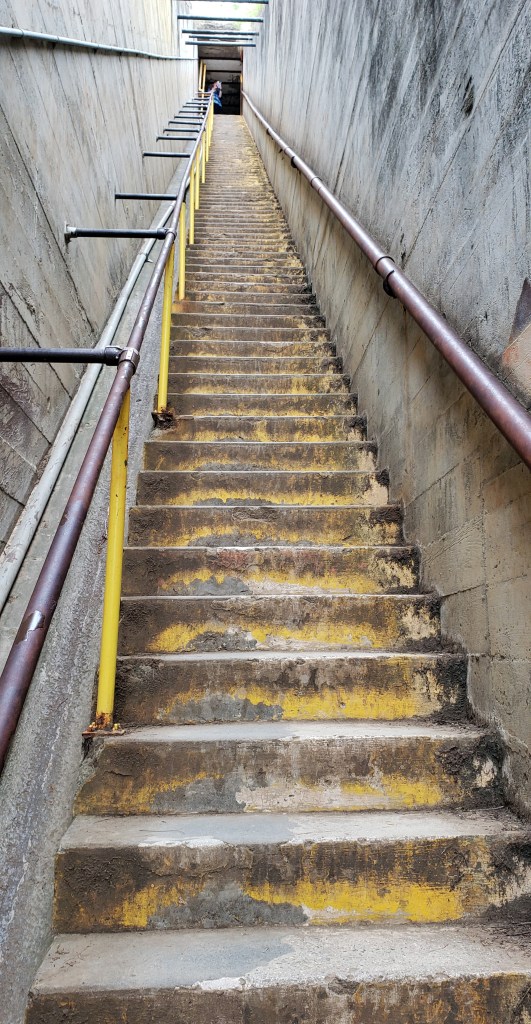
Then, you start up the trail. It’s a brutal hike in the summer because it’s very steep and crowded. However, it’s not as difficult in the winter. I still recommend bringing water and sunscreen, though.
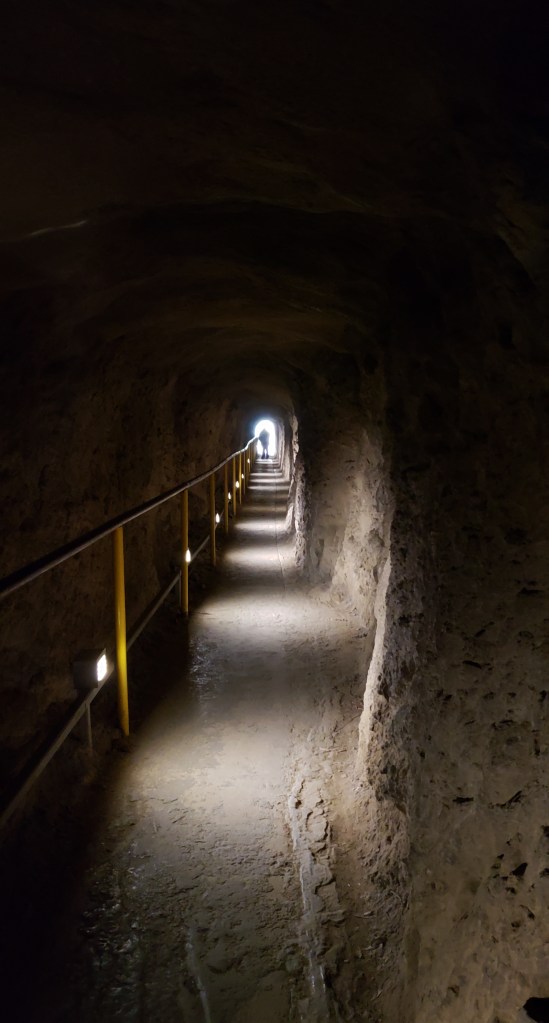
The trail wraps up along the wall of the crater, and takes you through a very narrow tunnel.
At a lookout halfway up, you can choose to continue back into the tunnel and do a spiral staircase to the top, or take metal stairs that are outside.
I recommend the metal stairs because being crammed into dark and narrow tunnels with lots of people isn’t my idea of a good time.
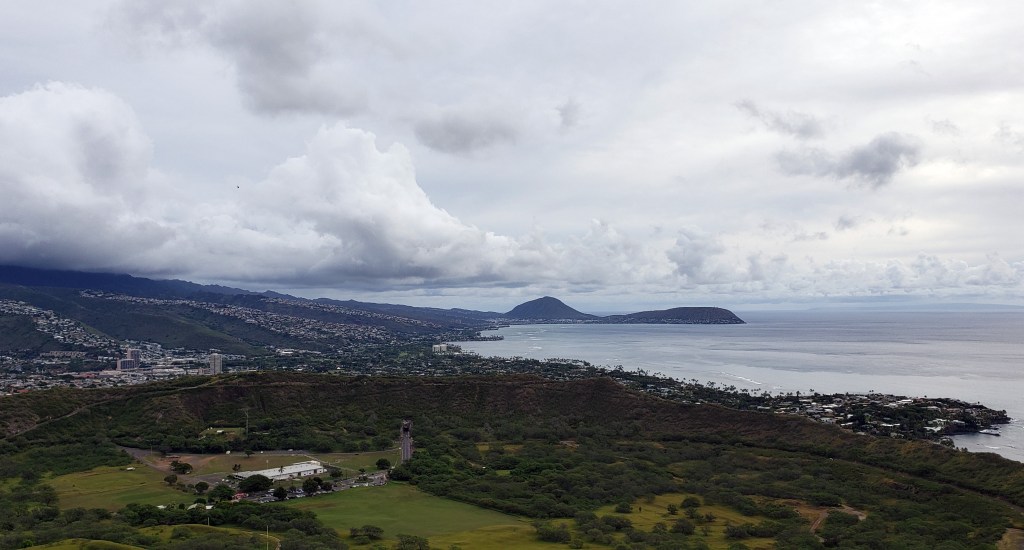
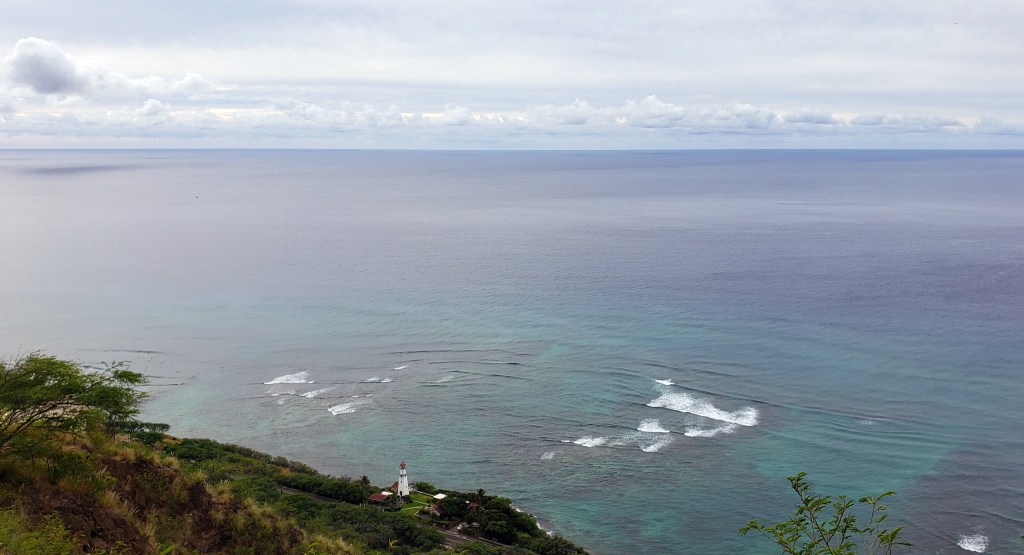
From the top, you can see Diamond head lighthouse directly below, as well as Honolulu on one side and Koko head on the other side.
The sweeping views are pretty amazing for what is a fairly short hike. I did it at sunrise, and it only took me about half an hour.
In spite of the crowds, it’s a nice little hike. I recommend everyone do it once.
























 JD's Blog